The 16-bit Onslaught
By late 1989, the NES was the undisputed king of the playground and we were convinced that 8 bits was all anyone would ever need. But on the horizon, a storm was gathering in the shape of a sleek black console from Sega. The Genesis had landed in August with a promise of arcade-perfect graphics. Suddenly, with the arrival of 16-bit visuals, the NES didn’t just look familiar, to the discerning eye of a kid craving the cutting edge, it was starting to look a little dated.
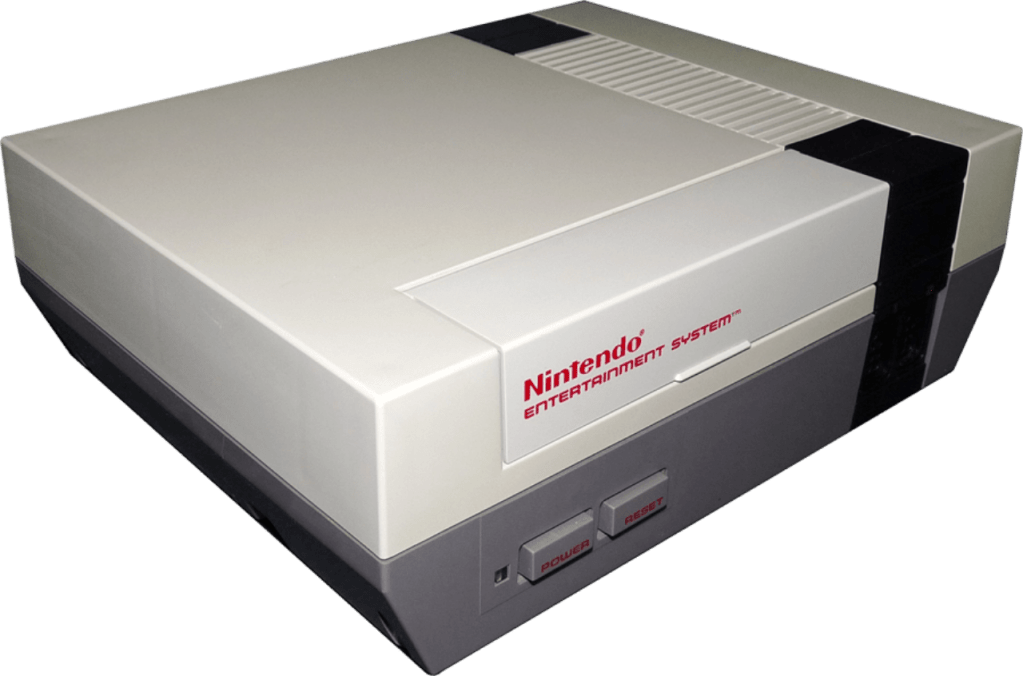
Nintendo found itself in a rare moment of vulnerability. With their own 16-bit Super Nintendo still years away, the company needed a way to drown out the arcade perfect translation of Altered Beast without actually having new hardware to sell. They needed a stopgap that could bridge the technological divide with pure, unadulterated hype. They couldn’t win on specs that Christmas, so they decided to win the hearts and minds of their loyal fan base. They needed a weapon that would remind every child in America that it was worth it to skip this Holiday season on a console upgrade and wait for the greatness that was just around the corner. They needed a grand slam of a game to show us and that game was Super Mario Bros. 3.
Enter The Wizard, a cinematic defensive strike designed to weaponize our anticipation. It was an audacious gamble: a 100-minute Hollywood blockbuster that functioned as a hype-train for a console that was starting to show its age but Nintendo was able to pull off a marketing masterstroke that froze the console war in its tracks. For 100 minutes, we didn’t care about Sega’s next generation capabilities, we just wanted to see Jimmy Woods win it all.
Hollywood Comes Knocking
The video game crash of 1983 had decimated an industry, but by 1989, Nintendo had resurrected video games and transformed itself from a small playing card company into the undisputed king of home entertainment. Yet, this seismic cultural force was largely invisible to the moguls of Hollywood who ruled the silver screens outside our homes. They dismissed the phenomenon as a niche for children, viewing video games as nothing more than electronic distractions that lacked the emotional substance for feature-length storytelling.
For licensed movies, it was standard practice that the toy companies would pay the studio to make a 90-minute commercial. For The Wizard, it was Tom Pollack, the chairman of Universal Pictures, who called Nintendo. Pollack saw the fervor surrounding the NES and realized there was a massive untapped audience. But he didn’t want to make a movie about Mario or Link because he knew a bad adaptation could alienate the fans.
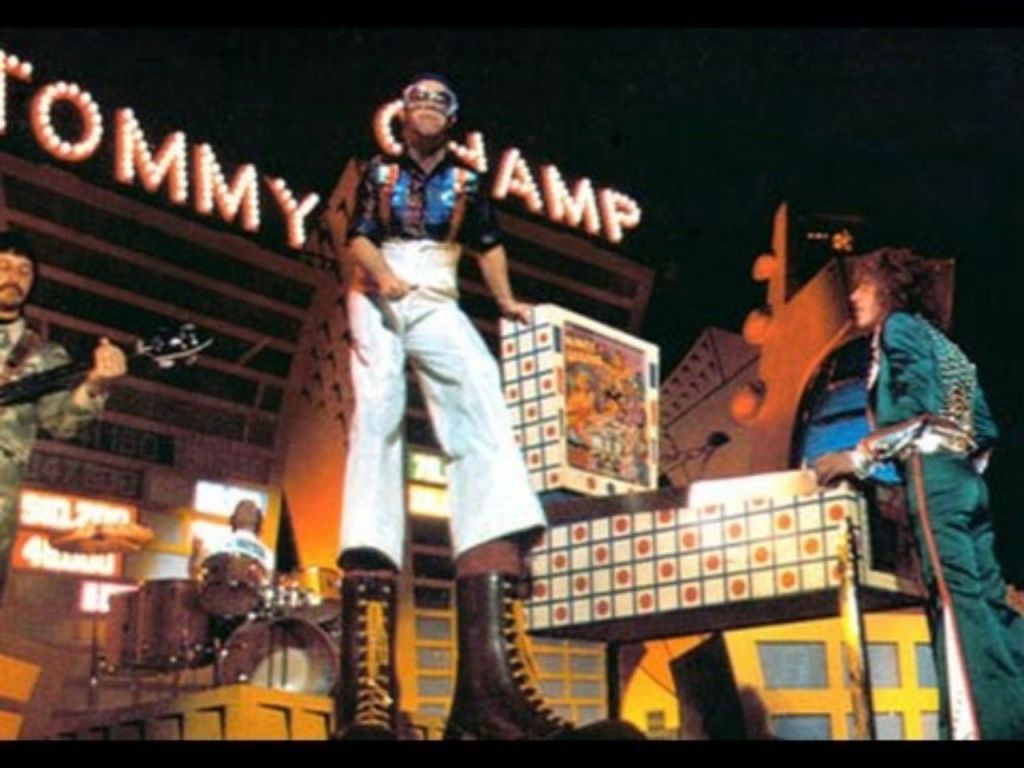
Instead, Pollack pitched a video game version of Tommy, the Who’s rock opera about a pinball wizard. The idea was to mythologize the player rather than the game. The protagonist, Jimmy Woods, is portrayed as a savant who communicates through his mastery of games. This was a brilliant move as it validated the hundreds of hours we obsessed over our little grey cartridges. It framed our hobby as a form of expression rather than just wasted escapism.
Nintendo agreed, but they drove a hard bargain. They did not put a dime into the $6 million budget. Instead, they demanded strict script approval. They wanted to ensure everything adhered to the quality that Nintendo’s licenced properties were held to. The gameplay had to look real. The sounds had to be accurate. If Mario jumped, it had to sound like Mario jumping. This rigorous oversight is why the movie feels so authentic, even while the plot was paper thin.
The Great Chip Crisis
In 1988, events were occurring that would line up one of the most important console releases with the release of The Wizard. The world was facing a severe shortage of semiconductor ROM chips and Nintendo was in a bind. Super Mario Bros. 3 had been released in Japan in October 1988 and was already a massive hit. Under normal circumstances, it would have hit US shelves in time for the 1989 holiday season. But the chip shortage made that impossible. Nintendo simply couldn’t manufacture enough cartridges to meet the demand. They had to delay the US release until February 1990.
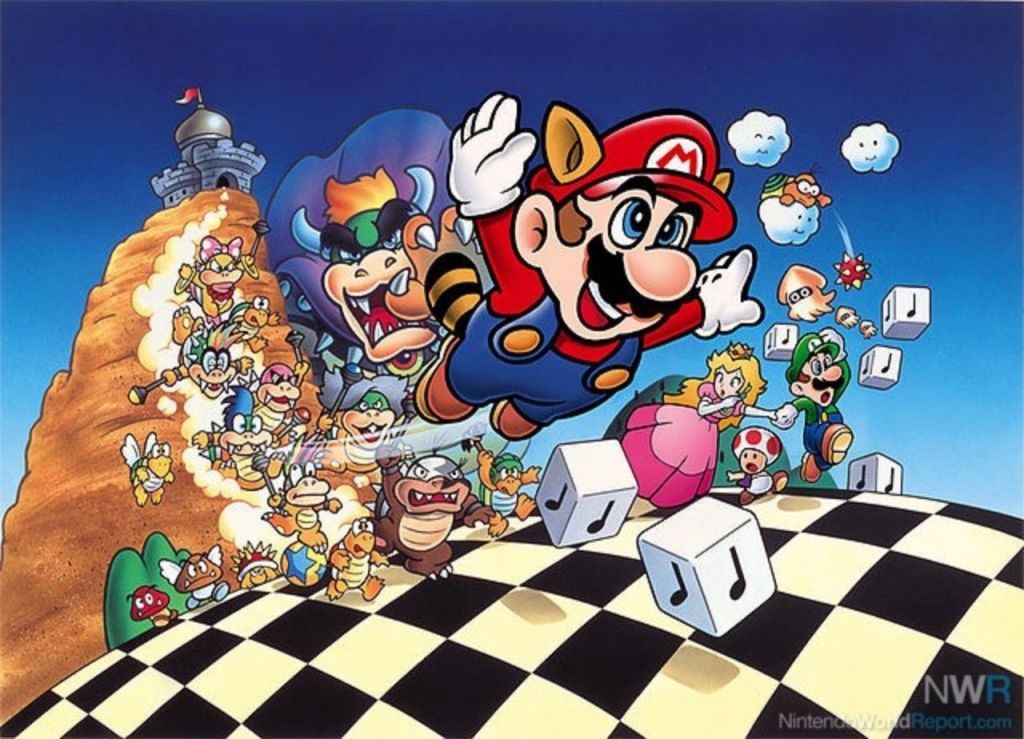
This created a dangerous gap. The Sega Genesis had just launched in August 1989 with next-gen graphics and Nintendo needed a way to keep the hype train moving without a flagship product on the shelves. The Wizard became the solution by revealing Super Mario Bros. 3 exclusively within the film, allowing Nintendo to turn a logistical failure into a marketing masterstroke. The movie became a nationwide teaser trailer for the next Mario game that you paid admission to see and every NES kid was dying to see that footage.
Road Trip to Video Armageddon
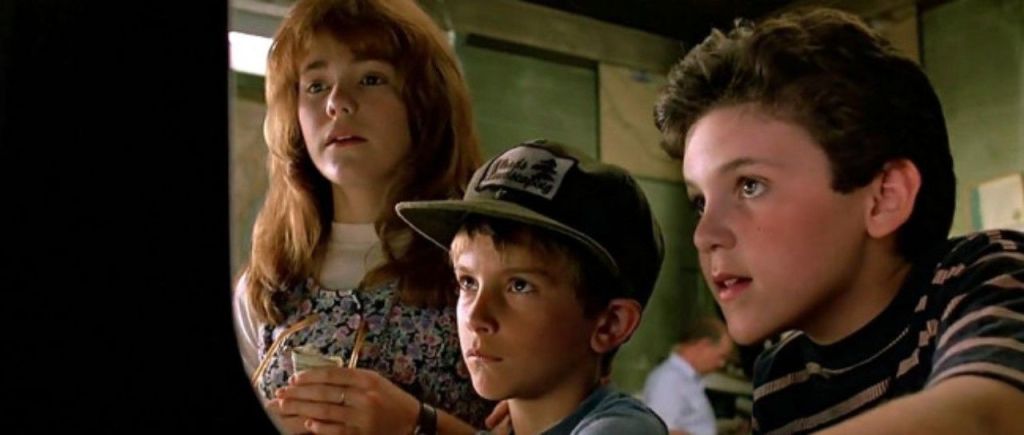
But before we got to see that footage there was a road trip movie we had to sit through. The plot was classic family fodder, Corey breaks his little brother Jimmy out of a mental institution and they head for California. Along the way, they hustle adults at arcade games to fund their journey. But the real destination is not just California, it’s the Video Armageddon championship at Universal Studios.
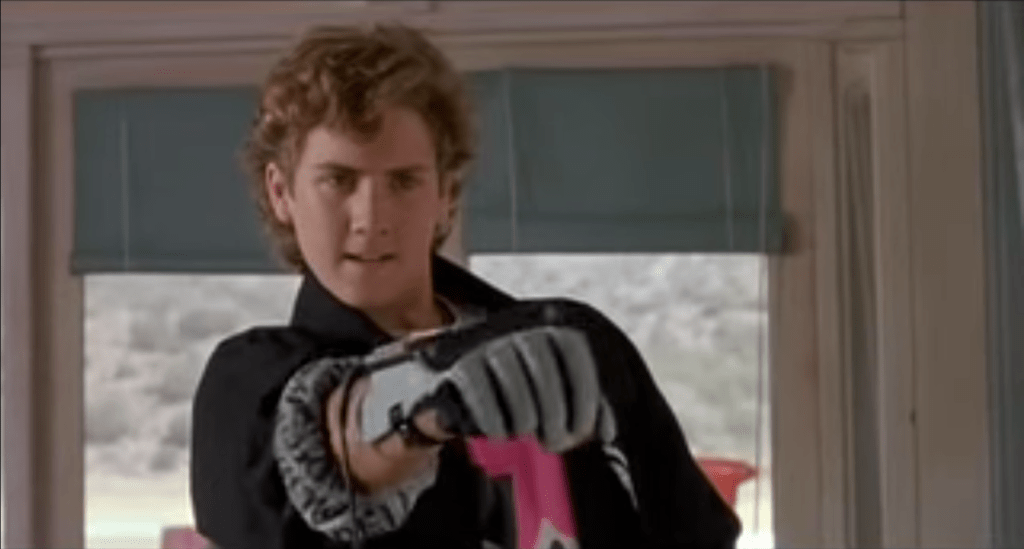
Every great road trip movie needs a show down with at least one villain and nothing screamed 80s cool more than Lucas Barton’s big hair and his video game posse. But his weapon of choice was what made him legendary. The Power Glove. I love the Power Glove, it’s so bad, he says. In the movie, Lucas plays Rad Racer with fluid, precise hand motions. It looked incredible. In reality, as any kid who owned one can tell you, the Power Glove was a clumsy nightmare. It was imprecise and difficult to use. But Mattel and Nintendo mandated the scene to sell the peripheral. And it worked, we all wanted one.
The Reveal That Changed Everything
The climax of The Wizard is not the emotional reconciliation of the family. It is the reveal of Super Mario Bros. 3. When the curtain rises and that title screen appeared, the theater went nuts.
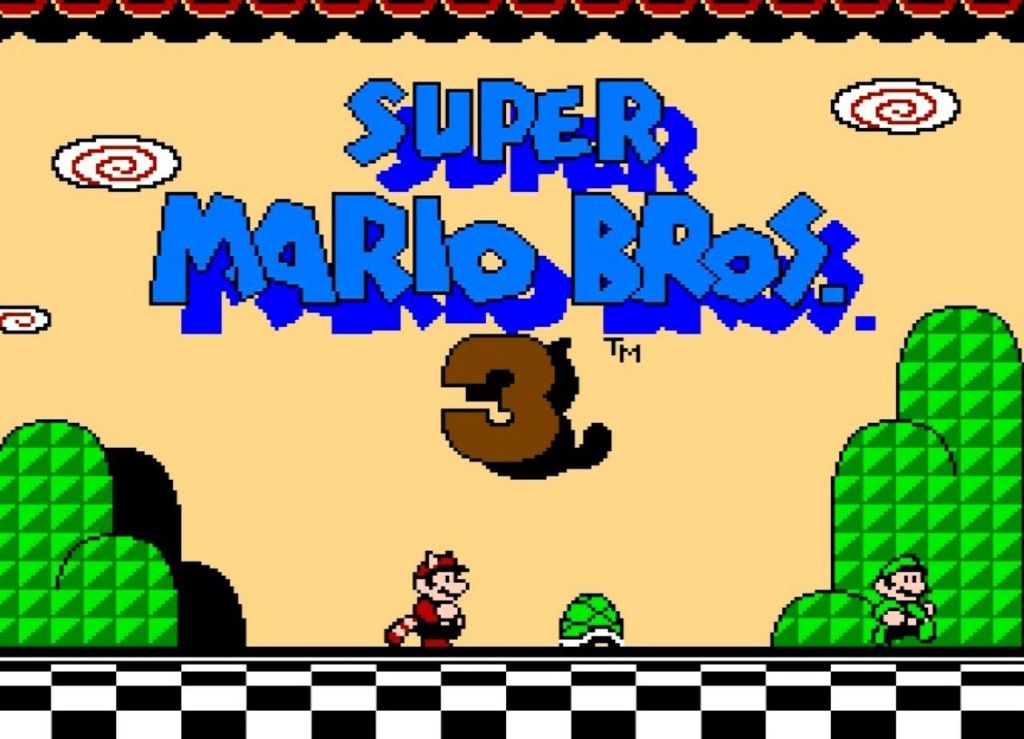
The announcer declares, So I give you Super Mario Bros. 3!. For us, this was the moment. We had seen the screenshots in Nintendo Power. We had read the rumors for months in Pak Watch about Mario and Luigi growing tails and flying. It mentioned the Magic Wand, the frog suit, and the ability to fly with a leaf. It even showed a screenshot of the first world map. But reading about it was one thing. Watching Jimmy Woods dominate the game on a theater screen was a transcendental experience for every gamer of the era.
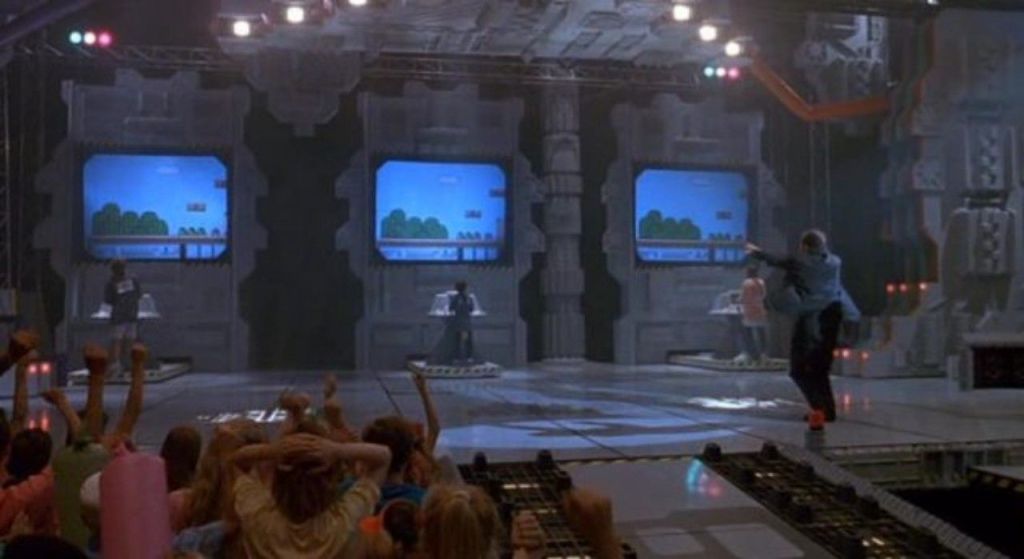
The biggest liberty taken involves the Warp Whistle. During the finale, Haley screams at Jimmy to Get the Warp Zone!. But wait a minute. Super Mario Bros. 3 had just been revealed seconds ago. It was a surprise. How could Haley possibly know about the Warp Whistle? It is a massive plot hole. But from a marketing perspective, it was genius. Nintendo prioritized teaching the audience this specific cheat code over narrative logic. When we finally got the game in February, we all knew exactly where to drop down on that white block in World 1-3.
A Legacy of Hype
The Wizard was released on December 15, 1989. It didn’t win any Oscars. But it succeeded in a way few films ever do. It captured a moment in time. It preserved the feeling of being a kid during the golden age of the NES. It taught us that gaming could be a spectacle. It taught us that we were part of a global community of wizards. And most importantly, it made us want Super Mario Bros. 3 more than we had ever wanted anything in our lives.
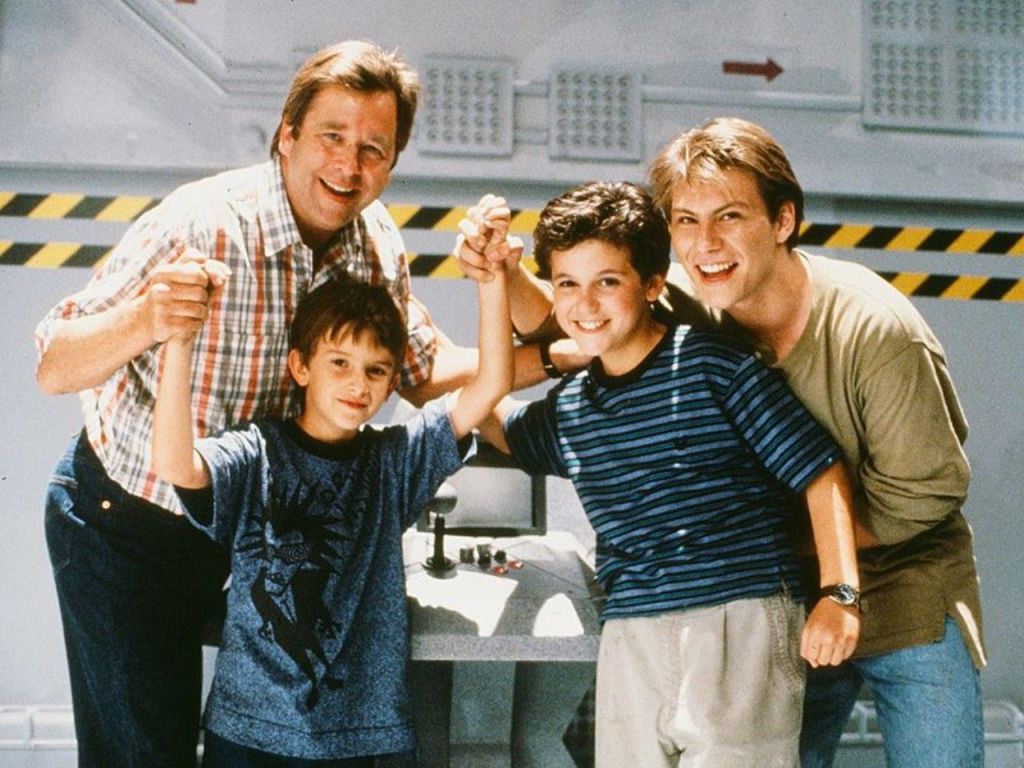
While the movie’s plot was straightforward, its actual legacy lies in its profound influence on the promotion of video games. By placing a game reveal, Super Mario Bros. 3, at the climax of a Hollywood film, Nintendo redefined the concept of product placement and blockbuster hype. This strategy helped elevate gaming from a childhood pastime to a cultural spectacle worthy of cinematic attention, paving the way for the industry’s future within mainstream media.


Leave a Reply