The Golden Age of Sierra On-Line
The 1980s was a magical era for those of us who spent our afternoons huddled around our CGA monitors, desperately sifting through a mess of floppy disks, trying to find the right one to continue our adventure. Sierra On-Line stood at the very top of the mountain during this time as the undisputed king of the graphic adventure game. Founded by Ken and Roberta Williams in the beautiful woods of Oakhurst California, the company pioneered the idea of moving a character through pseudo three dimensional spaces. A move for PC gaming that totally blew us away as we got sucked into Sierra’s living breathing open worlds of adventure. It was gaming without limits!

Series like King’s Quest and Space Quest were the gold standards of the industry, with Sierra building a mountain of success off the backs of these legendary franchises. Everyone who grew up during this era remembers the struggle of guessing Rumpelstiltskin’s name or the hilarity of Roger Wilco scrubbing floors in zero gravity. While these games were famous for their colorful worlds and animated characters, they were also known for being incredibly difficult, antagonistic and often quite punishing to the player. They were playgrounds where the only limit was your ability to type the right commands into the parser before a giant spider or a sudden cliff drop ended your journey real quick.
Adventure with a Side of RPG
When Lori and Corey Cole walked through the doors of Sierra they brought a vision that would change the company’s trajectory forever. They didn’t just want to make another adventure game where you clicked items on a screen or typed simple commands in the hopes of progressing through the game world. Instead, they wanted to blend the storytelling of Roberta Williams with the deep statistical systems found in their favourite table top RPG campaigns. The result was a title originally called Hero’s Quest: So You Want to Be a Hero which launched in October 1989.
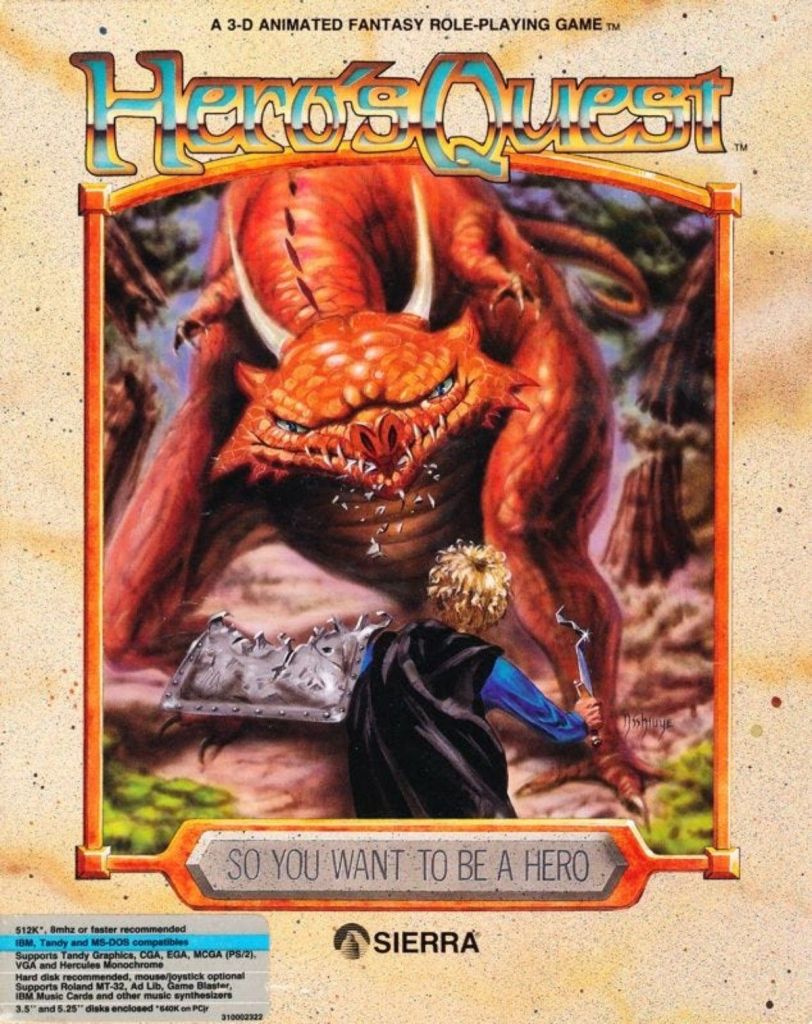
Before this game arrived, the market was largely split into two very different camps. On one side you had narrative driven adventure games from companies like Sierra and LucasArts where your progress was gated by your inventory. On the other side you had the statistically heavy combat of CRPG developers like Origin Systems and SSI where you spent your time leveling up your heroes and discovering vast open worlds. Hero’s Quest decided to live right in the middle of those two experiences. It offered the charm and environmental puzzles of an adventure game but it gave you the character growth and exploration of a full blown RPG. This synthesis created a cohesive whole that felt entirely new and remarkably fresh for 1989.
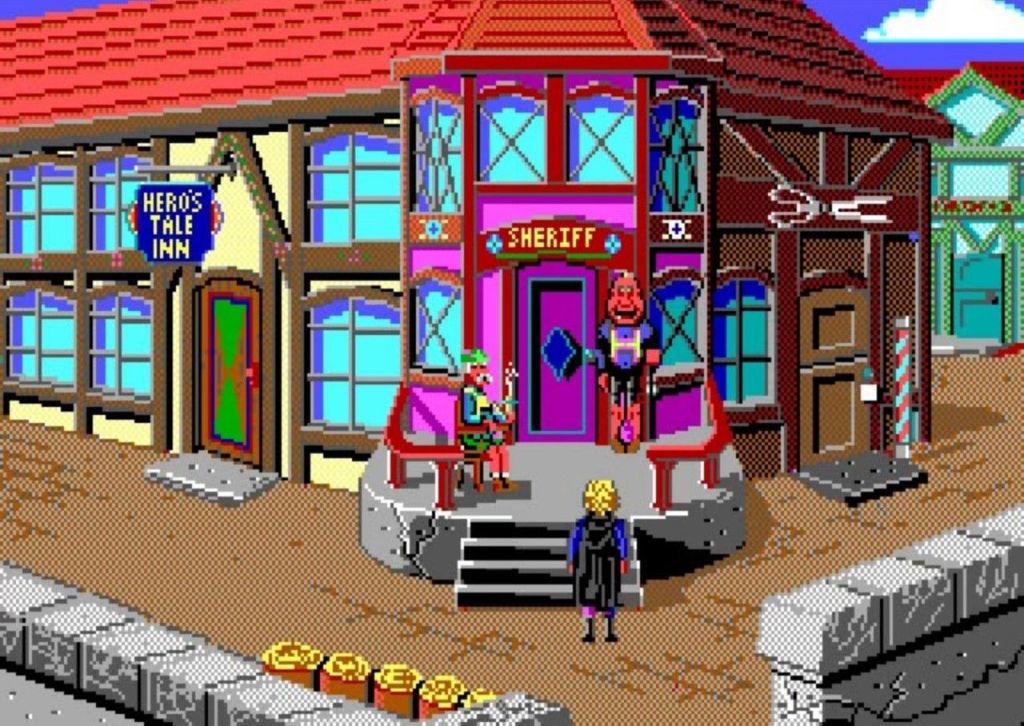
Being a Sierra style adventure game that now relied on RPG stats allowed the game to move away from narrow obtuse puzzles where you either had an item or you were stuck. The Coles replaced this with a system of graded success based on skill checks. If you wanted to get into the healers garden to find a ring you didn’t need to find a key. A Thief could try to climb the nearby tree while the magic user would cast the fetch spell to solve the same puzzle. If your skill was too low the game would tell you that you almost had it or that you needed more practice. This level of freedom was a massive leap forward from the rigid systems found in most adventure games of the 80s.
Levelling Up One Rock at a Time
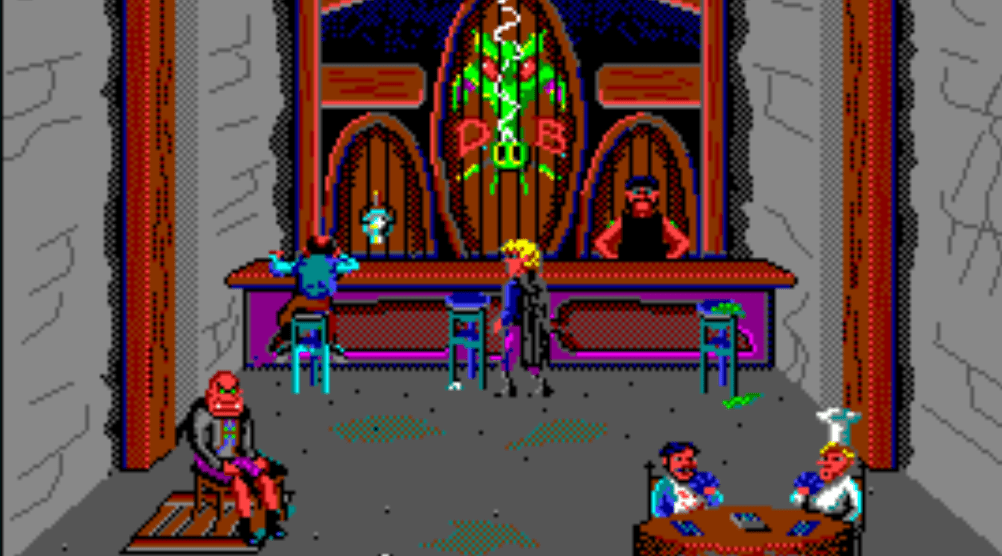
As a graduate of the Famous Adventurers Correspondence School you started the game as a wannabe hero looking for adventure. The little town of Spielburg had plenty of problems to keep you busy including an avalanche that had cut off the mountain pass. There was a healer who lost her ring and a Baron who lost his children and even an evil witch named Baba Yaga lurking in the background.
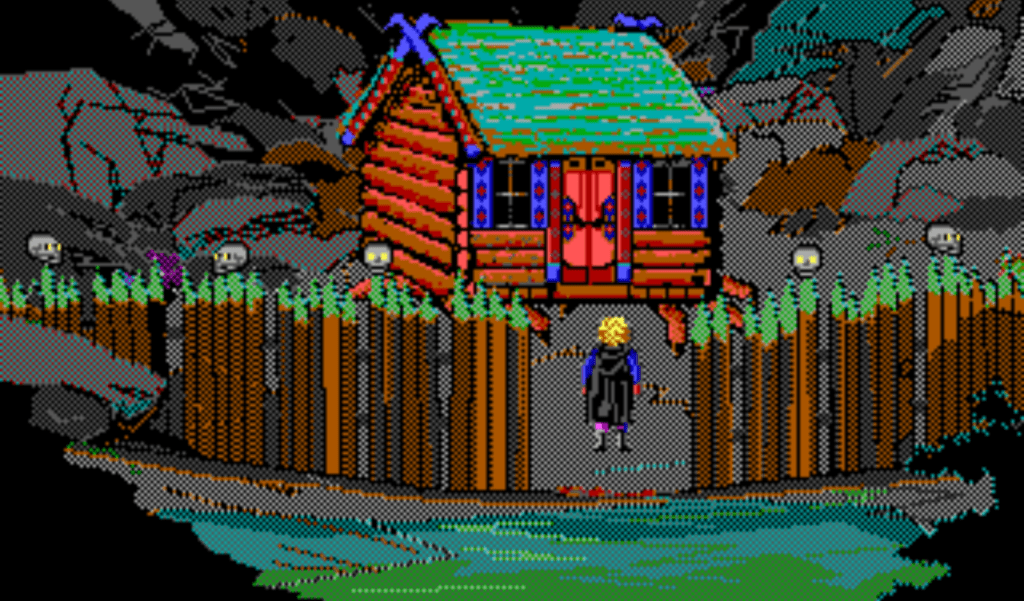
You had to wander the woods and build yourself up with easy encounters like a stray goblin before you could even think about taking on a nest of highway robbers. It was a game that understood that an adventure was about the journey and not just the destination.
Becoming a hero in Spielburg wasn’t something that happened through a level up screen. The Coles wanted the player to feel the physical effort of their training. Instead of abstractly killing monsters to gain experience points, you improved through specific actions. If you wanted to get stronger you went out into the woods and threw rocks at trees or cleaned stalls at Spielburg castle. If you wanted to improve your sword skills you trained with the sword master. This design choice made the growth of your character feel earned and personal.
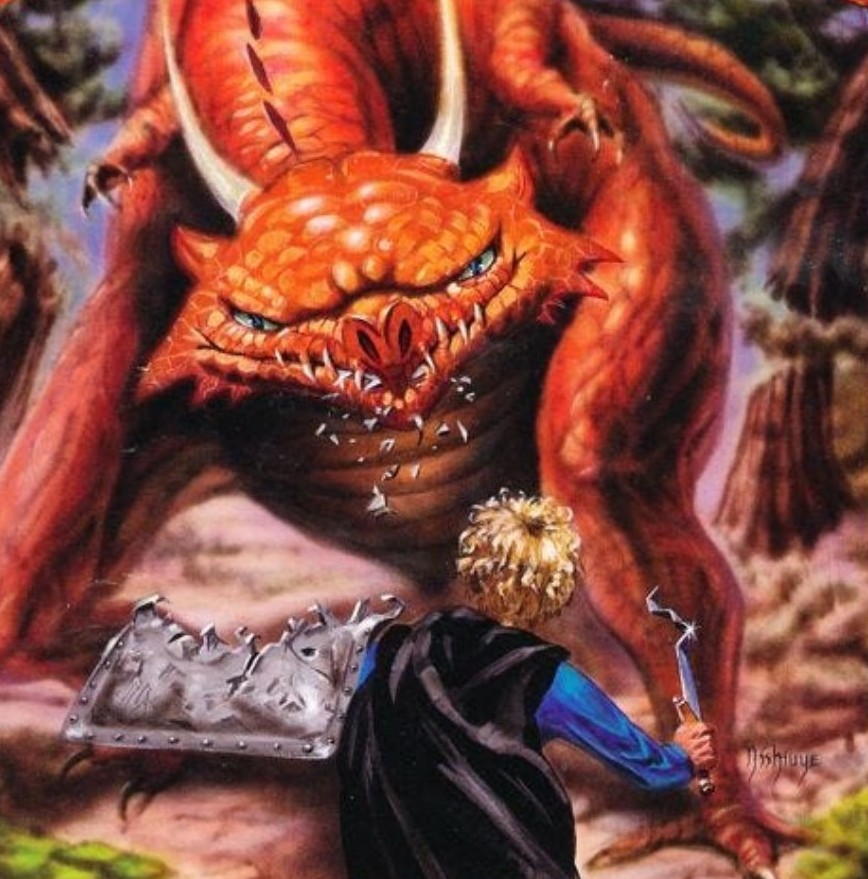
The combat system was also unlike anything seen in other Sierra games of that era. When you entered a fight the screen showed a detailed close up of your opponent while you saw yourself from the rear with sword and shield in hand. It was an arcade-like experience where you used the cursor keys to dodge and parry and strike.
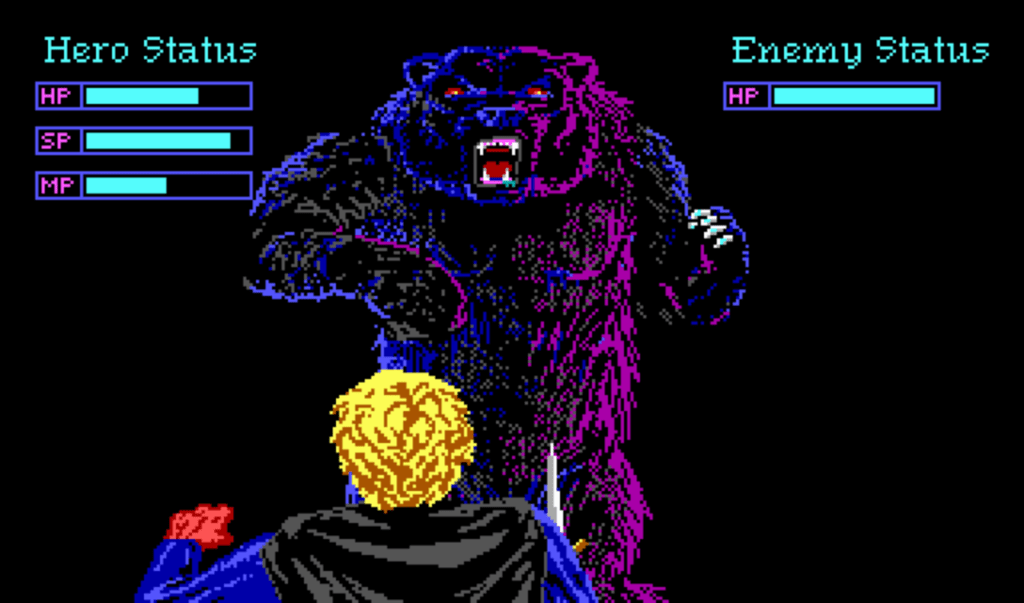
Timing was far more important than quick reflexes because the action was slow and deliberate rather than lightning fast. One of the most charming features was the way the enemies would show different expressions during the fight which added a lot of personality to every battle you encountered.
Friends ‘Til the End
Long before Ron Gilbert published his famous manifesto about why adventure games suck, the Coles were developing a more player friendly style of design. Many early Sierra titles were famous for being antagonistic where the creator seemed to be trying to trick the player into sudden death. The Coles explicitly rejected this model in favor of a cooperative design. They wanted the game to provide clear warnings of danger and to focus on rewarding the player for being clever rather than punishing them for a lack of knowledge.
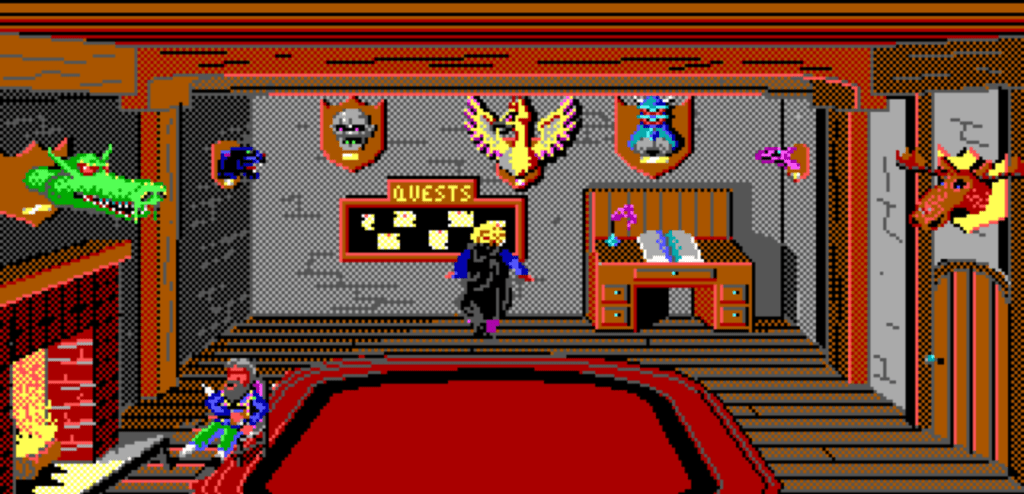
Quest for Glory was designed with a no dead ends mandate which was very rare for 1989. The designers worked hard to ensure that a player couldn’t permanently lose an essential item or get stuck in a state where they could not finish the game. This moved the entire genre toward a more player centric model that would eventually define the adventure game renaissance of the 1990s. Even when death did occur it was usually the result of a player ignoring the established rules or trying to do something they were clearly not prepared for. This made the game feel fair and encouraged exploration.
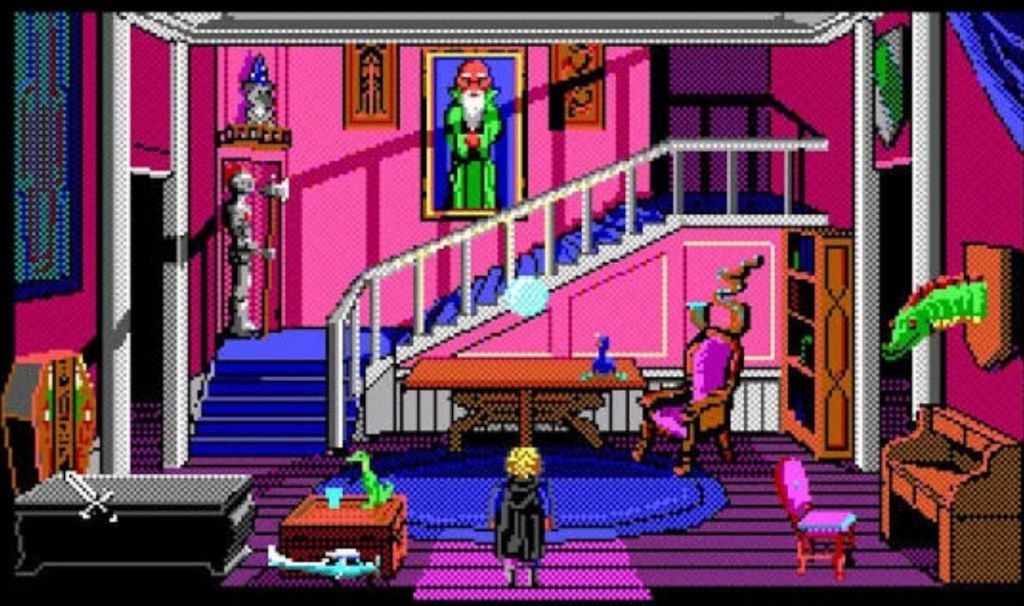
This friendly approach even extended into the way the story resolved itself. The moral core of the game was the idea that true heroism involves compassion rather than delivering justice to the hoards of baddies roaming the land. The primary antagonist was not a monster to be destroyed but a victim of a witch’s curse, which once dispelled gave you the best ending. This philosophy of restoration over destruction made the game stand out in a sea of titles that were only about conquering the world. It taught us that the world was worth saving and that sometimes the best way to win was through the power of kindness.
The Great Trademark War
Just as Sierra was celebrating the success of their new hit a massive legal storm began to brew on the horizon. The name Hero’s Quest seemed perfect for the game but it put Sierra on a collision course with two board game giants. In 1989 Milton Bradley and Games Workshop had teamed up to release a fantasy themed board game titled HeroQuest.

This board game was designed to bring the complexity of tabletop RPGs to a more accessible miniature focused format and it was becoming a massive success in its own right. Because both the software and the board game occupied the same market of fantasy adventure entertainment a conflict over the trademark was unavoidable.
The legal vulnerability for Sierra was actually rooted in international law and a failure to secure the name early enough. Milton Bradley and Games Workshop had secured the HeroQuest trademark in Europe as early as 1988. In the UK the law allowed companies to secure trademarks based on an intent-to-use filing system which meant they were a preemptive claim before the first shipments were sent to retailers. Sierra was operating under the US system which focused more on use in commerce but they were still subject to the laws of the territories where they sold their games. When a digital version of the board game was released for home computers in 1991 the cold war got hot and Sierra decided to drop the name rather than get dragged into a protracted legal dispute with an established company like Milton Bradley.
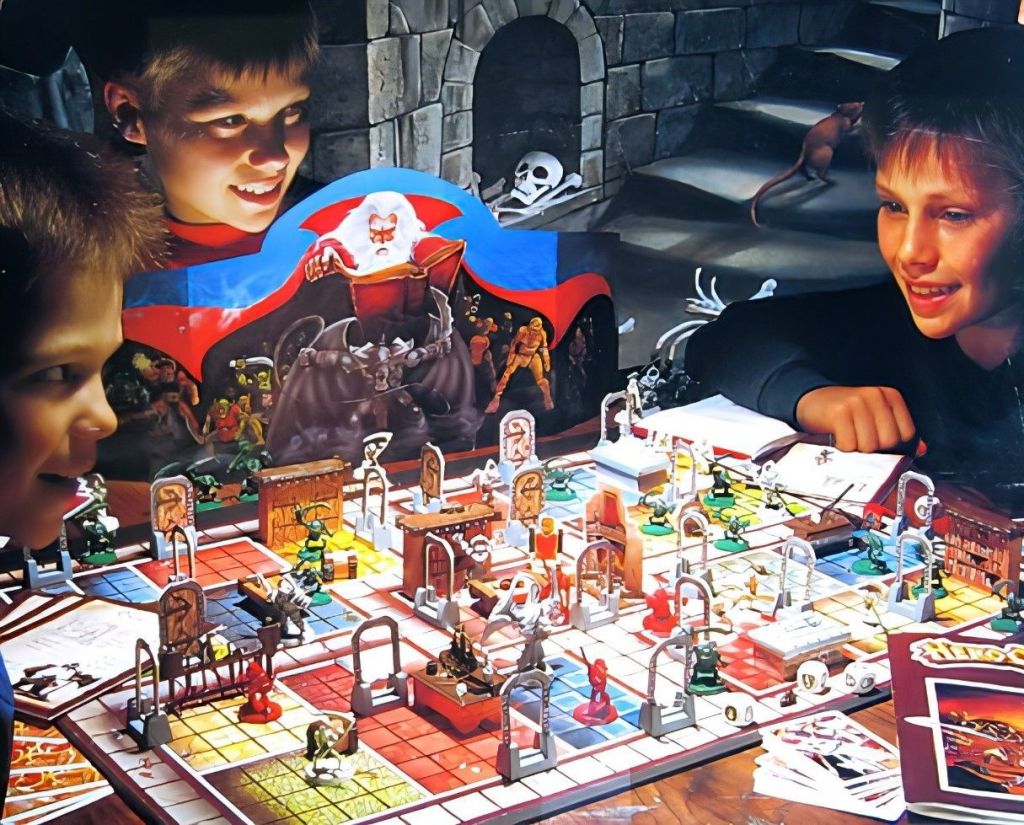
The rebranding from Hero’s Quest to Quest for Glory created significant commercial repercussions, particularly for the sequel, Quest for Glory II: Trial by Fire. Gamers who had loved the first game often didn’t realize that Quest for Glory II was the direct continuation of that story. This confusion was aggravated by the lingering presence of the original brand, as the first-run Hero’s Quest boxes were still on many retailer shelves. This fractured brand presence led to a marketing communication failure. For years following the sequel’s release, Sierra’s customer support lines were flooded with fans asking when Hero’s Quest II would finally come out. Compounding the issue, Quest for Glory II was rushed into the 1990 Christmas market with the same archaic text parser as its predecessor and was tragically released simultaneously against King’s Quest V, Sierra’s flagship franchise now upgraded with their new VGA point-and-click engine.
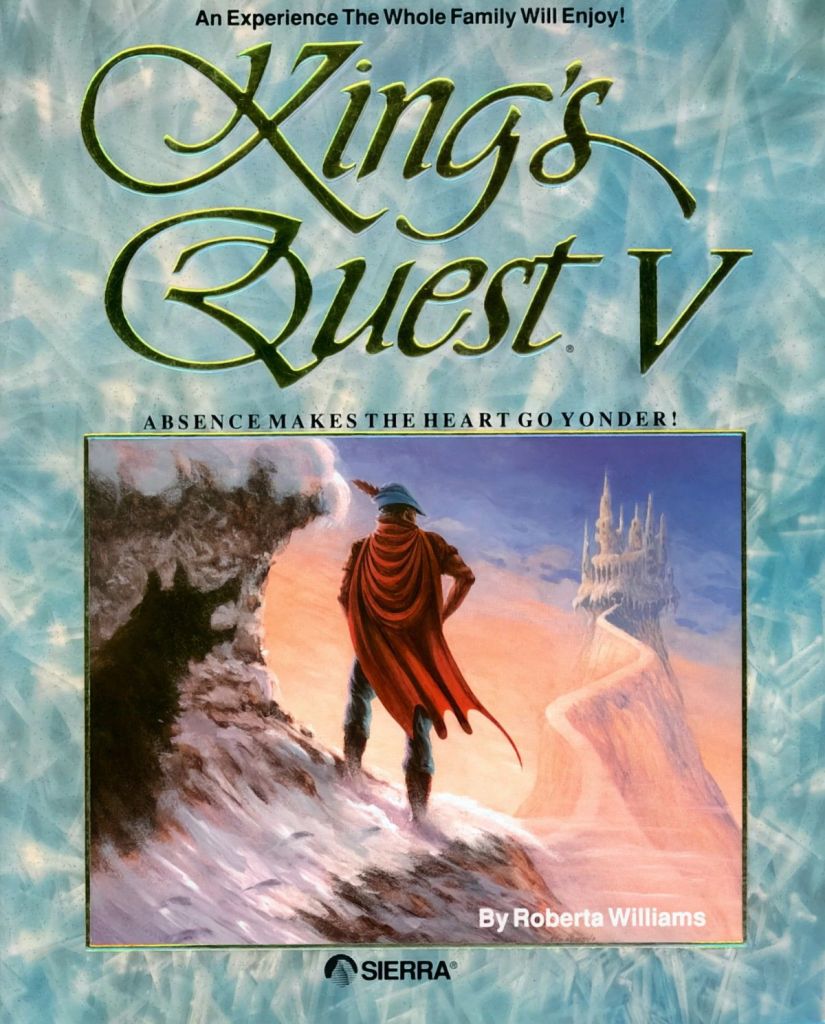
In spite of all these challenges the sequel sold over 100,000 units, a testament to the strength of the core gameplay loop the Coles had created.
So You Want to Be A Hero
Whatever name you remember it by, Hero’s Quest or Quest for Glory, it was a pivotal moment for the adventure genre, successfully bridging the gap between narrative-driven puzzle games and statistically heavy CRPGs. The Coles’ design shifted the focus away from the frustrating, narrow puzzles of earlier Sierra titles by introducing a system of graded success based on skill checks. This allowed a Fighter to climb a tree or a Thief to pick a lock, offering players unprecedented freedom and multiple paths forward. Furthermore, the design prioritized a cooperative experience, moving away from the antagonistic nature of many 80s adventures with a no dead ends mandate, ensuring that players could always finish the game without having to refer to a solution manual.
Beyond its mechanics, the game provided a compelling philosophy of heroism. Instead of abstractly gaining experience points, players felt the growth of their character, becoming stronger by throwing rocks at trees or improving sword skills through deliberate practice. The moral core of the story reinforced that true heroism involved compassion and restoration, exemplified by needing to lift a curse on the brigand leader to achieve the best ending. While the legal battle that forced the rebranding to Quest for Glory created commercial confusion that haunted the sequel, the original game’s revolutionary synthesis of genres and its kind approach to the player defined an important new direction for interactive storytelling.




Leave a comment