Beyond the Cartridge
It’s a new decade and consoles are showing no sign of slowing down. But you’re getting older and the early action of the 8 and 16-bit games have lost a small bit of their shine. You’re looking for something deeper, something that will last longer and be more rewarding. Your parents have finally let you start playing on their chunky PC. They say it’s to help you with school, but you know there’s something more to be discovered. You’ve caught glimpses of the boxes on the shelves behind this strange machine.
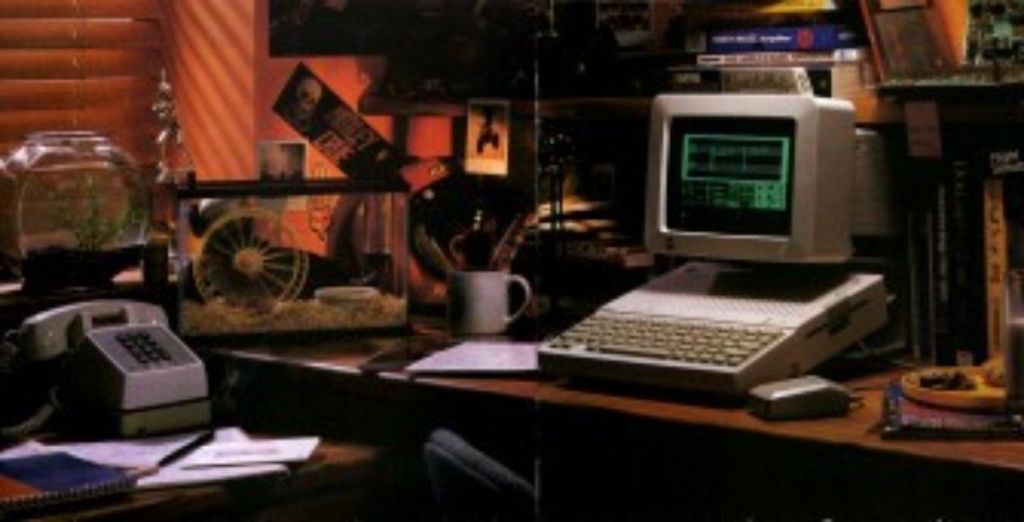
You see the titles that evoke bigger worlds, Ultima, Mechwarrior and Defender of the Crown all call out to you and promise something more immersive than Mario or Altered Beast. Where did these games come from? Why did you never read about them in your Gamepros and EGMs? To answer these questions we’ll need to first discover where home computers came from while also figuring out which mags will best chart our PC gaming course into the 90s.
The PC Gaming Revolution of the 1980s
The early 1980s was a transformative time for the family den. Once a place for quiet reading, television viewing, or entertaining guests, it was now becoming the source of the steady click of a keyboard and the expectant grinding of a disk drive struggling to properly load a game from one of the few floppy disks your family was able to scrounge together. This was the decade when computers broke free from the cold, corporate glass towers and landed squarely at the center of millions of homes across the country.
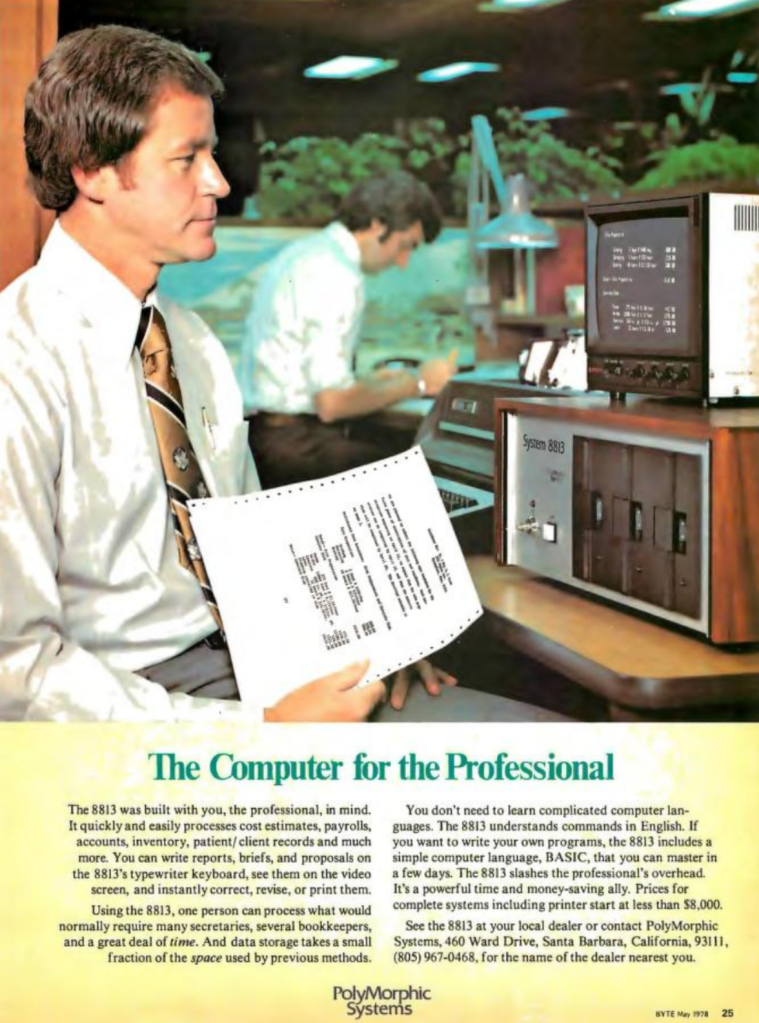
We weren’t just playing games back then, we were type-in BASIC coders, CRPG cartographers and game debuggers, huddled around glowing CRT screens, using our imaginations to render the graphics that the primitive hardware couldn’t. It was an era of gaming that required deep knowledge and a genuine interest to learn the systems that could transform a flickering text prompt into a new world of adventure.
The Holy Trinity of Home Computing
In 1977, the world was introduced to the Apple II, the TRS-80 and the Commodore PET. This trio effectively simplified computing, turning computers from a hobbyist niche into a mainstream appliance for the home. Back then, gaming was more an exercise in digital literacy than it was in immersive interactivity. With scarce memory and monochrome displays, early adopters often navigated text parsers, using their own imagination to fill in the graphical voids left by the hardware. Each machine had its own personality with the TRS-80 being the accessible entry point at $599.95, sold through Radio Shack, the Commodore PET was the all-in-one box you could buy without need to shell out more for needed peripherals and the Apple II was the premium $1,298 beast (almost $7,000 in today’s dollars) for the dedicated enthusiast.
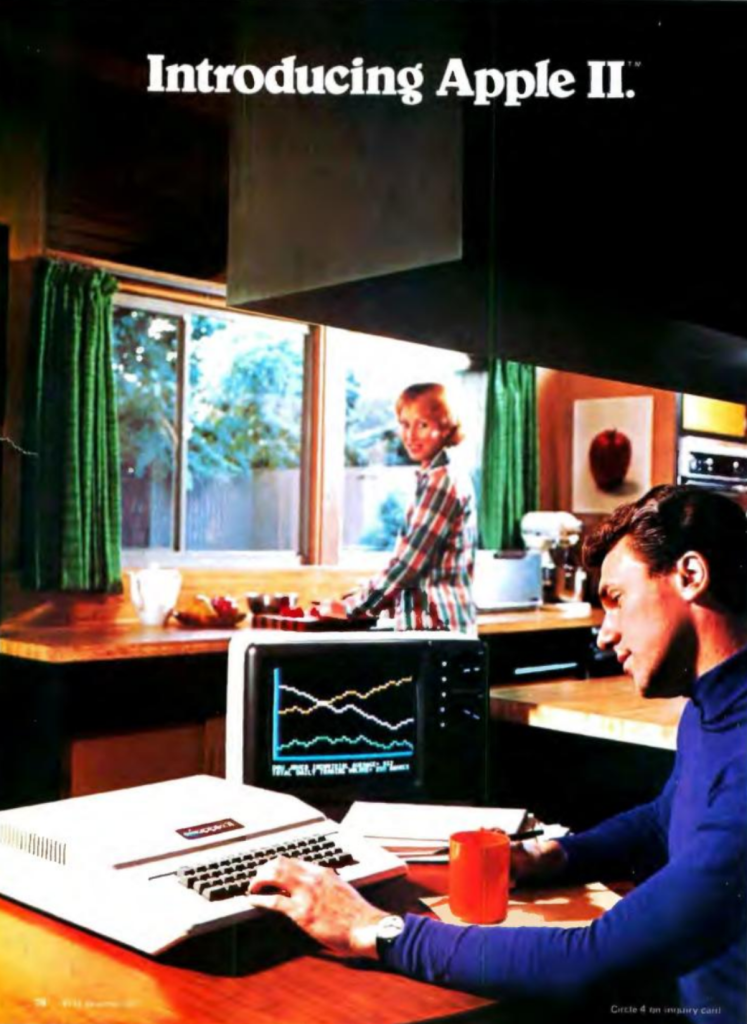
The Apple II, specifically, became a legend due to its open internal architecture, which invited hardware experimentation and allowed third-party developers to push the machine far beyond its intended limits. It was a platform that favored the burgeoning RPG and adventure markets because it could handle the complexity that contemporary consoles, with their single-button joysticks, simply couldn’t touch.
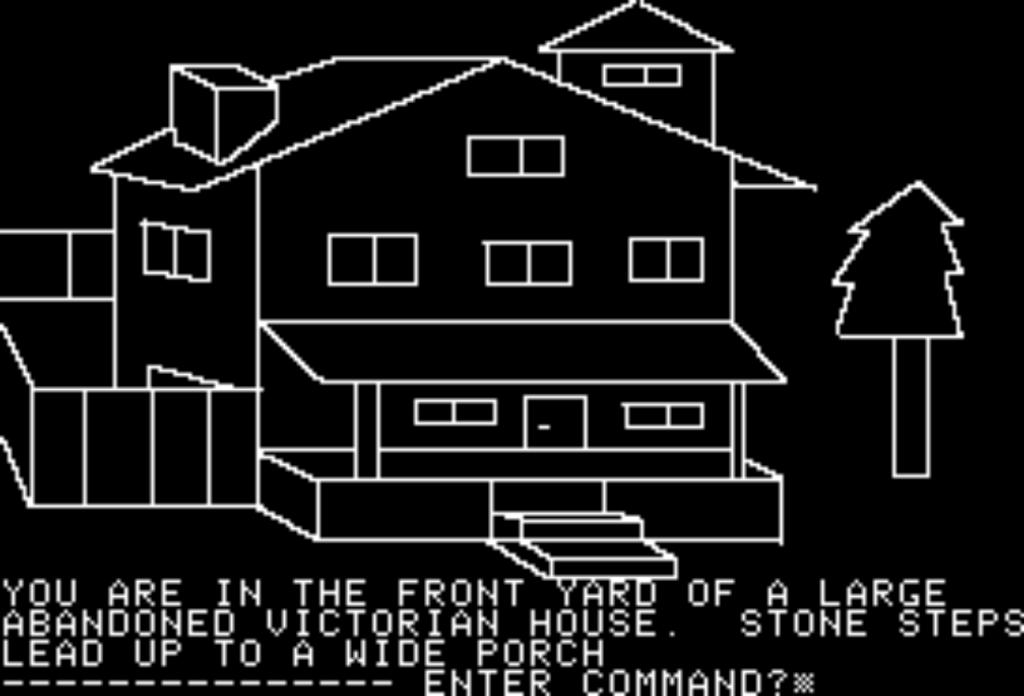
This era’s tentative first steps into an interactive medium is perfectly captured by titles like Mystery House and Wizardry. Released in 1980, Sierra’s Mystery House became a milestone as the first-ever graphical adventure game. It used the Apple II’s high-resolution mode to display vector-like illustrations, solving memory constraints while giving players their first taste of visual storytelling beyond the blinking cursor of a text parser. Meanwhile, 1981’s Wizardry redefined the digital dungeon crawl by introducing the multi-character party-based RPG.
These games weren’t just shallow arcade ports, they were pioneers of genres that required genuine effort and investment on the part of the player. The pay off was that players could interact with complex worlds and go on adventures that would last months instead of the few hours spent on the arcade console ports of the Atari 2600.
No Compromises: Business is War
As the 1983 North American console market collapsed under the weight of low-quality software, the market was left wide open for anyone that could get the masses to return to digital media. That anyone was Jack Tramiel, a Polish-born Holocaust survivor that was in the business of completely annihilating anyone naive enough to think they could compete with his computer products.
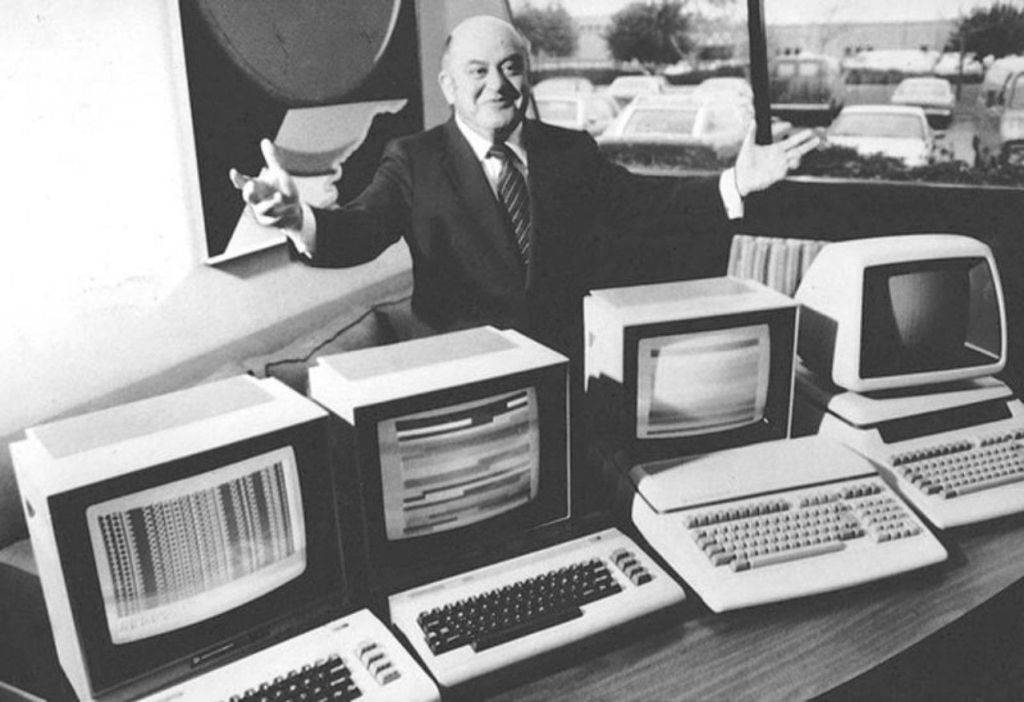
With his war machine spun up, Jack would conquer the entire PC industry by the early 80s with the consumer friendly Commodore 64. Marketed as both a tool for education and a powerhouse for entertainment, it was the product he went all-in on and ignited an apocalyptic pricing war that would decimate the remaining console market and leave very few PC companies left standing. The Commodore 64 was priced as low as $199 due to the company’s vertical integration and by mid 1983 Jack had conquered all his rivals, holding 30-40% of the entire PC market by selling over 17 million units.
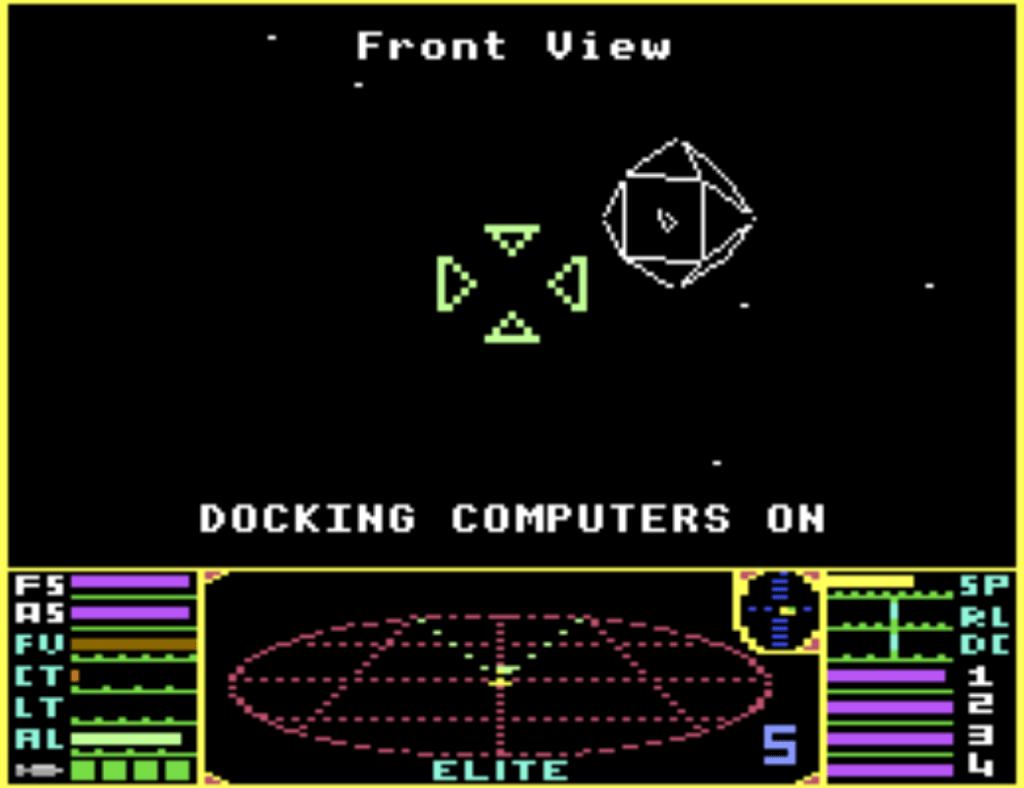
This was the era where the versatility of the computer proved it could handle sophisticated adventures that the previous generation couldn’t. This shift toward more interactivity was led by games we couldn’t even imagine a couple years before. Games like Elite and Ultima IV: Quest of the Avatar were on the bleeding edge and gamers were picking them up in droves. Elite was a technical marvel that pioneered open-ended space trading, offering a procedural universe that felt infinite to players used to single-screen levels.
Ultima IV was the maturation of the computer RPG by the grandfather of CRPG gaming, Richard Garriot. Rather than just killing monsters for gold, he challenged players with ethical choices and the pursuit of virtues, proving that 8-bit hardware could provide narratives with genuine philosophical weight as well as hundreds of hours of gameplay.
The 16-bit Multimedia Miracle
By the mid-1980s, the multimedia machines had arrived in the form of the Commodore Amiga and the Atari ST. For users accustomed to the PC speaker tones of the 8-bit era, the shock of seeing 4,096 colors and hearing digitized stereo sound was transformative. This era shifted interaction away from the keyboard and toward the mouse, facilitating the birth of the point-and-click adventure genre. The Amiga was the creative powerhouse, utilizing custom co-processors for smooth scrolling and digitized sounds. The Atari ST, meanwhile, became the standard for the music industry thanks to its built-in MIDI ports.
While the Atari ST gained an early foothold due to a lower price point, the Amiga 500 eventually became the most beloved home computer in Europe. These machines were built for creativity and proprietary excellence, offering graphically-intensive performance that the expensive Macintoshes and aging IBM business PCs of the time simply couldn’t match.
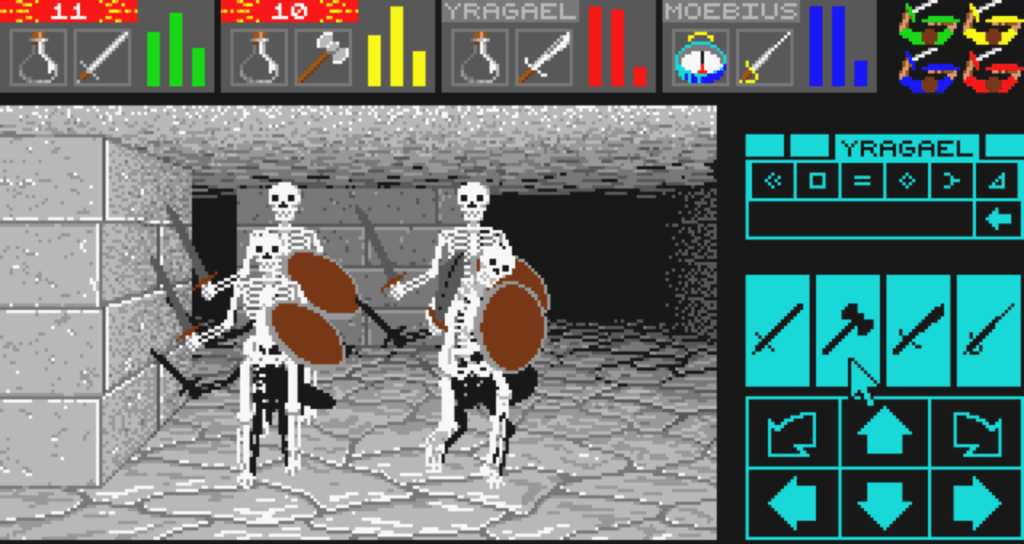
Two games that perfectly showcased this generational leap were Dungeon Master and Defender of the Crown. Released in 1987 on the Atari ST, Dungeon Master revolutionized the RPG by introducing 3D exploration in real-time, moving away from the turn-based slog of the past. It felt alive in a way no previous game had.
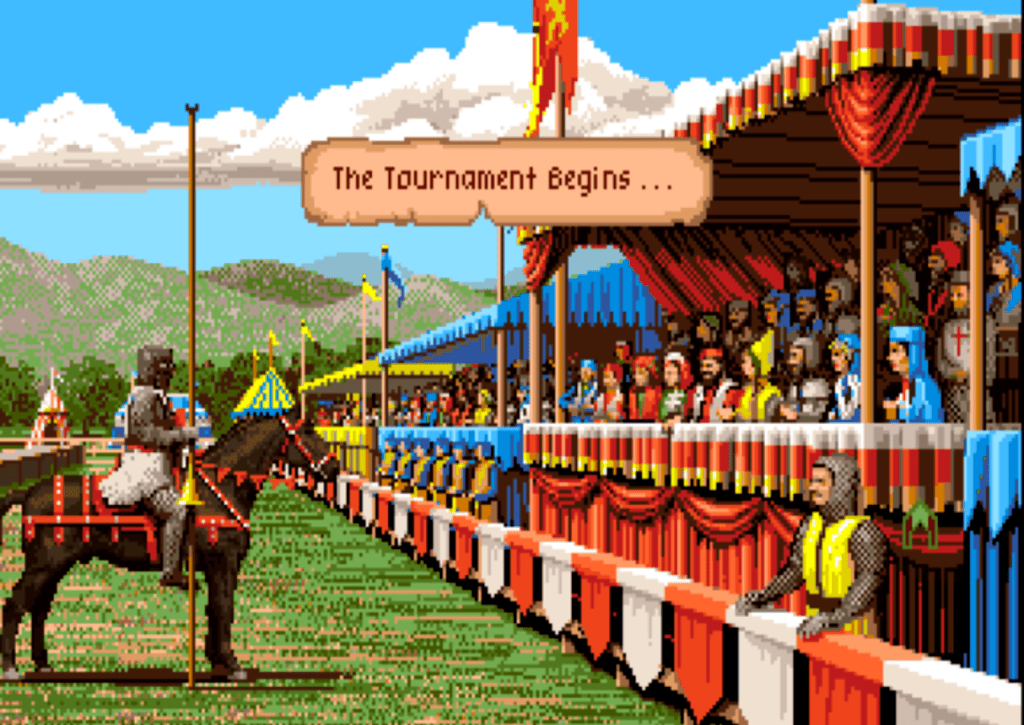
At the same time, Cinemaware’s Defender of the Crown became an immediate showcase for the Amiga’s power when it was released in 1986. It was lauded for its film-like cinematic graphics and set a new standard for presentation with large, detailed bitmap images and an epic feel that was impossible on 8-bit hardware. These titles demonstrated that 16-bit hardware wasn’t just about more colors, it was about creating highly interactive worlds and making games feel more cinematic.
The Clone Wars
In a twist of historical irony, the decade didn’t end with the beloved Amiga on top. Instead, the IBM PC, with its open architecture, inadvertently became the dominant gaming machine, pushing Amiga and Atari out of the spotlight. In a rush to move from the business world to the world of personal computing, IBM built their machine from off-the-shelf parts, accidentally leaving their design open to be cloned. This dropped the price premium of their flagship business machine, running the Intel 286 processor, from three times the price of the 16-bit machines in 1985 to near price parity by the end of 1989 and effectively eliminated the Amiga and Atari ST from the home market by the turn of the decade.
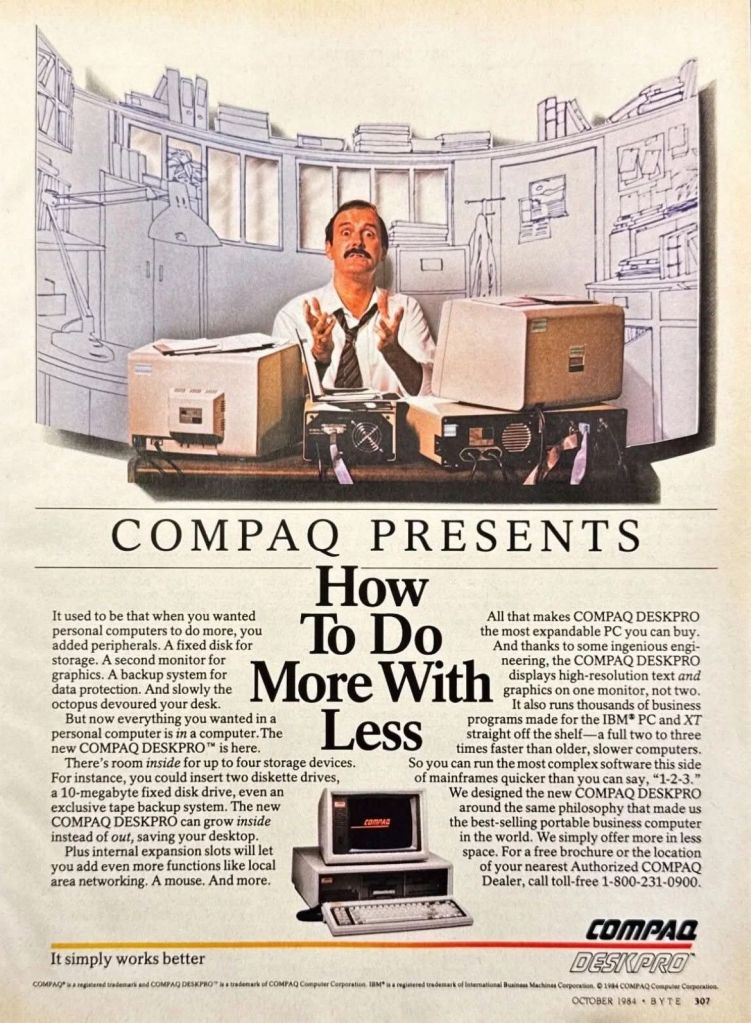
Clone makers, most notably Compaq, could legally develop their own functionally identical hardware by using a clean room reverse-engineering process, thereby avoiding copyright infringement. By combining IBM’s BIOS with the same non-proprietary hardware, rivals were able to build fully compatible and cheaper PC clones which unintentionally transformed the market into a standardized and customizable platform. The widespread adoption of the 286 processor standardized faster speed and increased memory, allowing developers to create far more ambitious software.
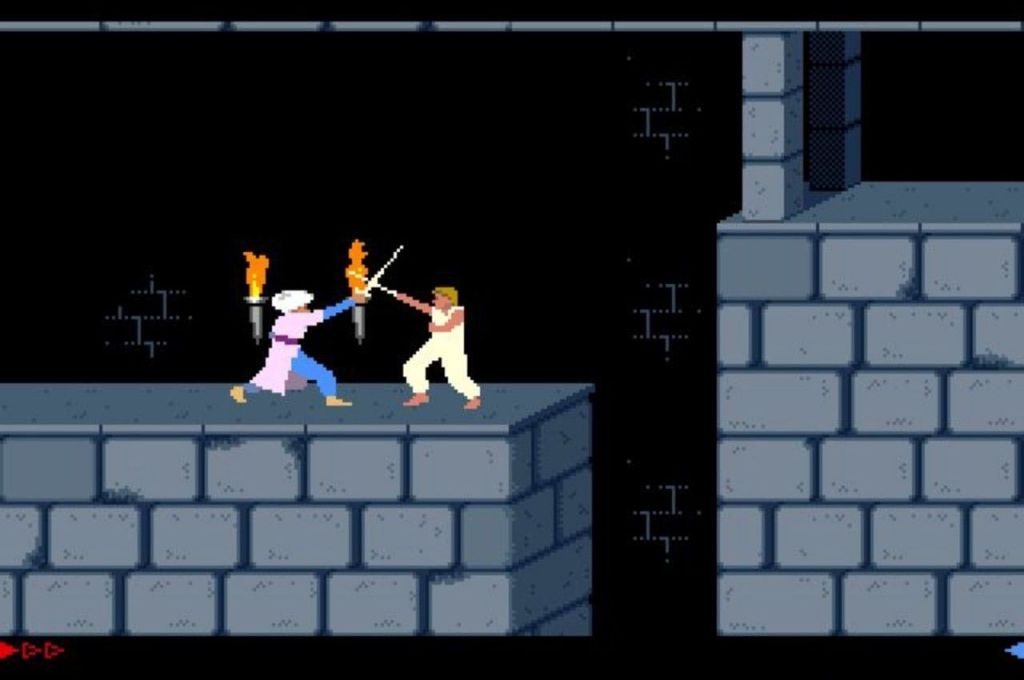
The emergence of iconic titles like Prince of Persia and MechWarrior at the close of the decade was a direct result of the PC’s shift from a fragmented landscape to a standardized, powerful gaming machine. Specifically, the adoption of VGA graphics allowed for a palette of 256 colors and higher resolutions, making the fluid, rotoscoped animation of Prince of Persia possible.
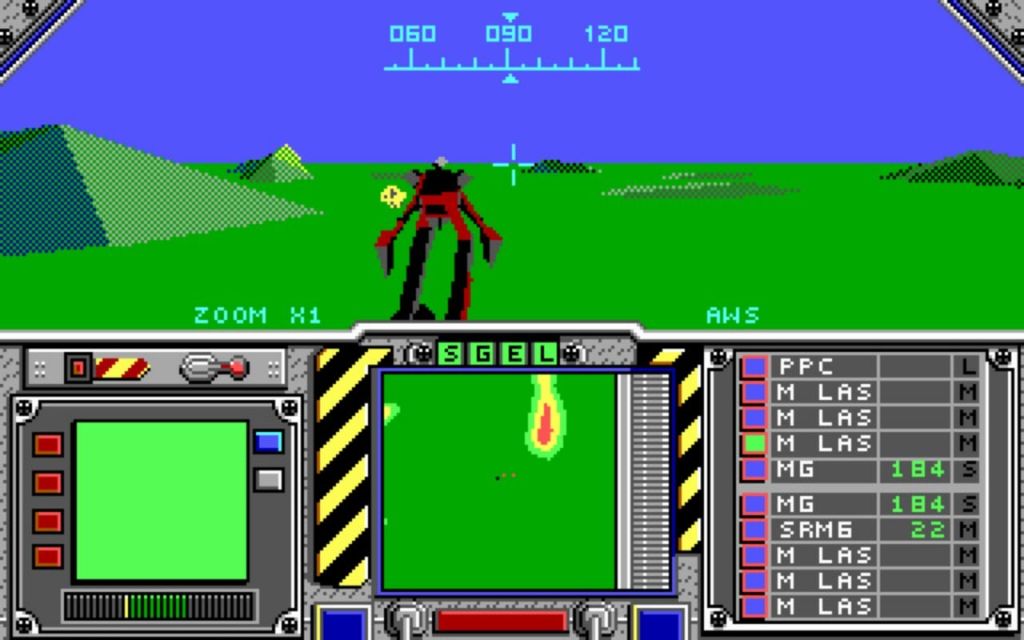
Meanwhile, MechWarrior became one of the first titles to explicitly demand a 286-class machine, leveraging the new processor’s raw computational muscle for its real-time 3D simulation. This level of computational demand and memory management was beyond the capacity of the aging 16-bit systems like the Amiga and Atari ST, which were architecturally optimized for custom co-processors rather than the sheer CPU power required by the new wave of PC-native titles.
This new level of graphical fidelity enabled a new generation of games to move beyond simple arcade ports, offering the sophisticated design, deep system management, and narrative complexity that would define the PC gaming era of the 1990s.
Lighting the Way Through the Config Forest
When gaming landed on our home PCs in the early 80s we discovered a massive problem, gaming on these early machines was incredibly obtuse and you had to be as interested in the hobbyist nature of diving into the guts of your PC as much as you were playing the early PC games. In the 21st century, it’s hard for us to appreciate how hard it was to acquire information, let alone how niche computer gaming was. You couldn’t simply search for a walkthrough or look up a guide to tweak your settings. If your config.sys file was acting up or you were hopelessly lost in a dungeon, you’d be at a standstill until you stumbled across the right magazine. Over the course of the 80s, a specialized enthusiast press emerged to act as the source of this knowledge, providing the technical support and community that turned a hobbyist niche into a global phenomenon.
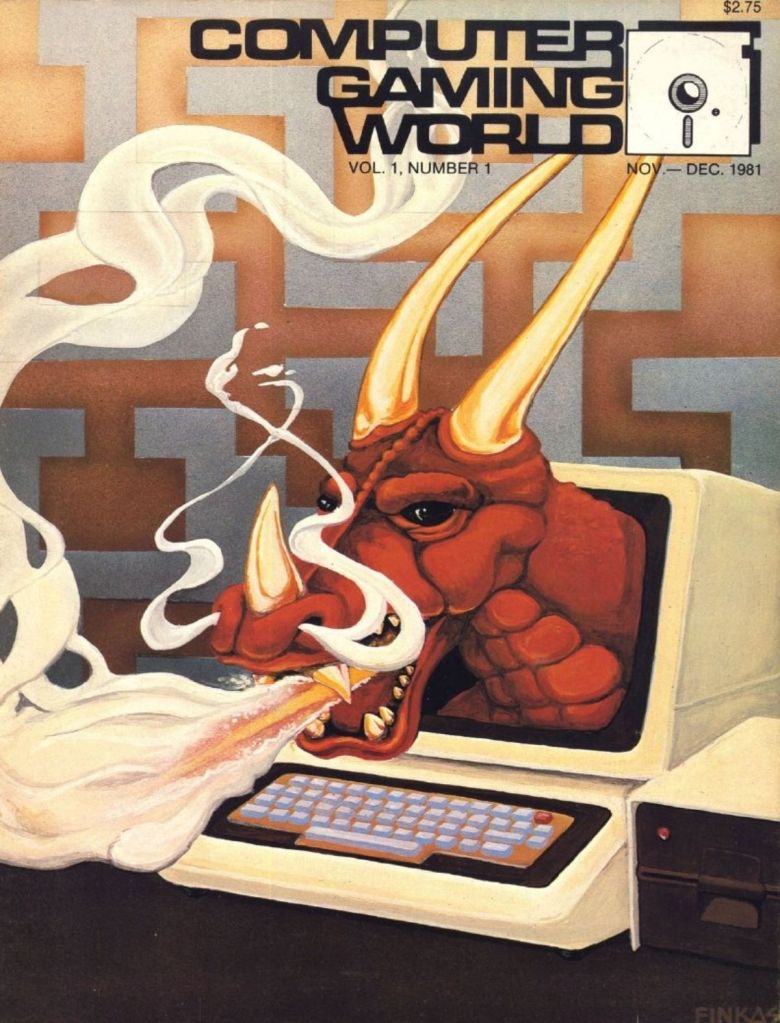
The creation of Computer Gaming World in November 1981 served as the intellectual foundation for this movement. Founded by Russell Sipe, a former minister who saw a void in the market for dedicated computer coverage, the magazine moved away from the flashing lights of the arcade to treat digital play with the same depth as historical wargaming. It became the definitive guide for the hardcore hobbyists who valued mechanical depth over superficial graphics. Through its Reader Input Device, a feature that allowed readers to send in their ratings for games, the magazine created a measure of accountability for developers long before modern aggregate sites existed. And when the 1983 console crash wiped out many contemporary publications, this magazine stood as a sole survivor, proving that a focus on high-end systems like the Apple II and IBM clones was the right strategy to weather the storm.
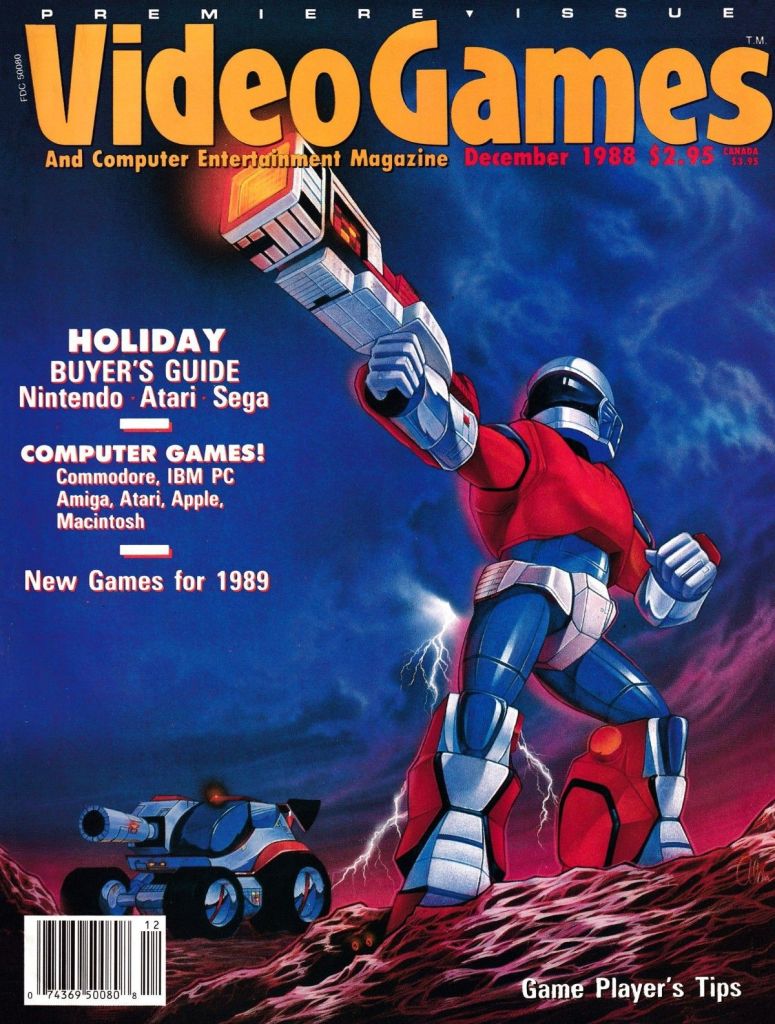
As the industry matured toward the end of the decade, Video Games & Computer Entertainment arrived to provide a sophisticated bridge for the aging gamer. Led by veterans Arnie Katz and Bill Kunkel, the publication brought a literary aesthetic to the medium, which forgottenworlds.net aptly described as having heavy dad vibes due to its bearded, bespectacled staff who prioritized unbiased reporting. It treated gamers as adults, offering technical advice through columns like the Game Doctor and exploring the human stories behind the code. This was an era where the press didn’t just review products, they acted as the sophisticated older brother of the industry, guiding users through the transition from 8-bit toys to 16-bit multimedia tools.
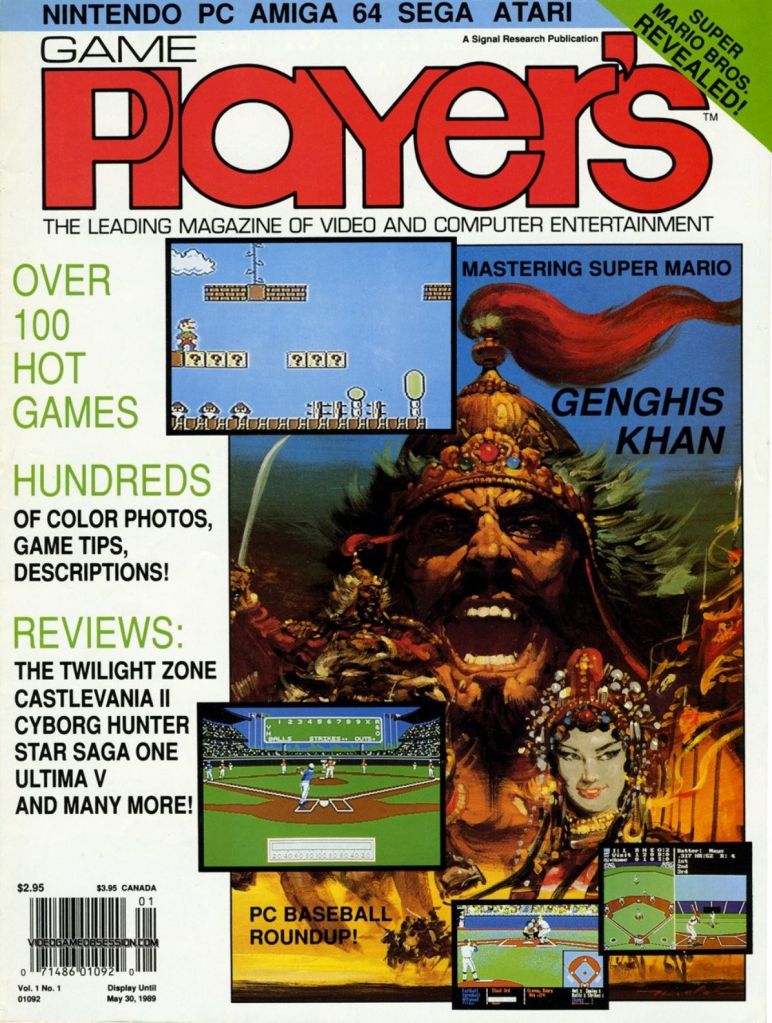
By 1989, the magazine Game Players arrived to capture the energy of the burgeoning market with a more irreverent and interactive approach. It capitalized on the modular nature of the era by often polybagging issues with physical extras like mini-strategy guides, posters, and even paper toys, making each issue feel like a complete hobbyist kit. They were also among the first to experiment with multimedia through game tapes, which were VHS guides that showed players exactly how to navigate difficult levels. The tone was fueled by humor and caricature-like staff personas, creating a tribal bond with a younger generation of PC owners who were looking for secrets and shortcuts that the manual never provided.
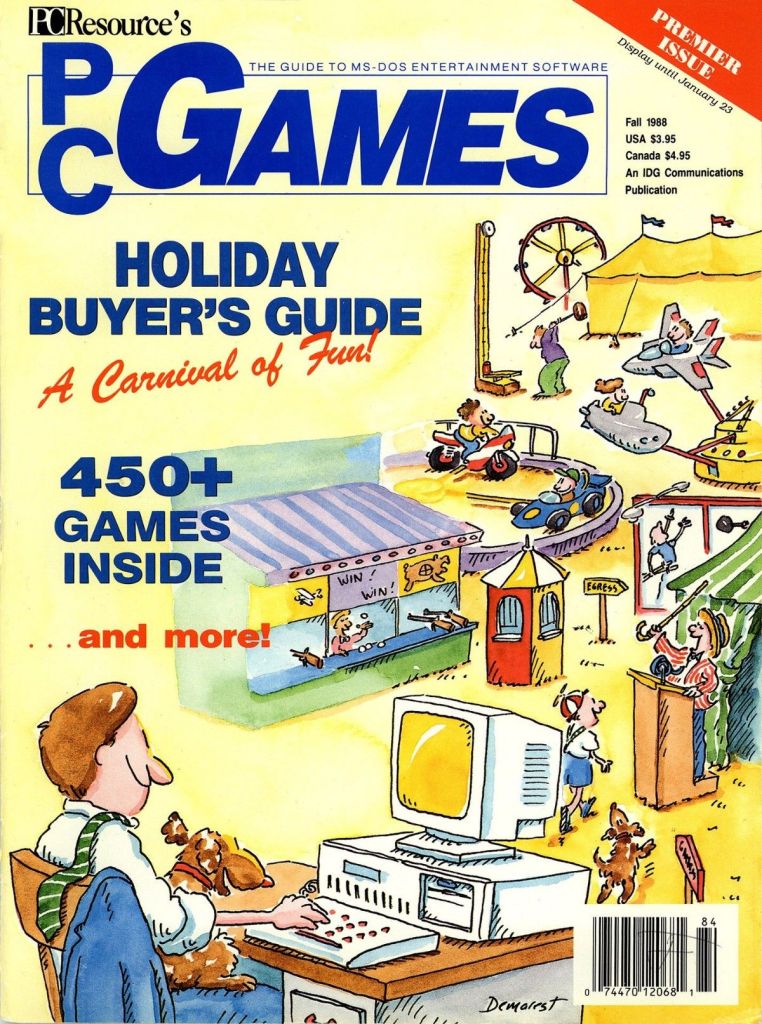
The final pillar of this era was PCGames, a product of the media giant IDG that launched in the fall of 1988. This publication served as the definitive buyer’s guide for the new era of family computing, focusing heavily on the hardware requirements of the time. As the IBM clone became a fixture of the home, this magazine helped users navigate the complex world of monitors, joysticks, and the expensive sound cards required to run cinematic titles. It lacked the indie spirit of its peers but provided the commercial utility necessary for the platform to thrive.
The Future is Now
By the close of the decade, the home computer was irrevocably transformed, setting the stage for the true take-off of the 1990s. The wide adoption of the 286 primed the home computer market for the eventual jump to the 386-class PCs as soon as there was a developer willing to risk it all on a design that would drive the future hardware upgrades that were eagerly waiting on dealers’ shelves.
The man who blasted into the market and ushered in this new era was Chris Roberts with the cinematic spectacle of 1990’s Wing Commander. This space opera instantly raised the bar for graphics and storytelling, utilizing bitmapped scaling and cinematic flair that felt light years ahead of what was possible on aging 16-bit systems.
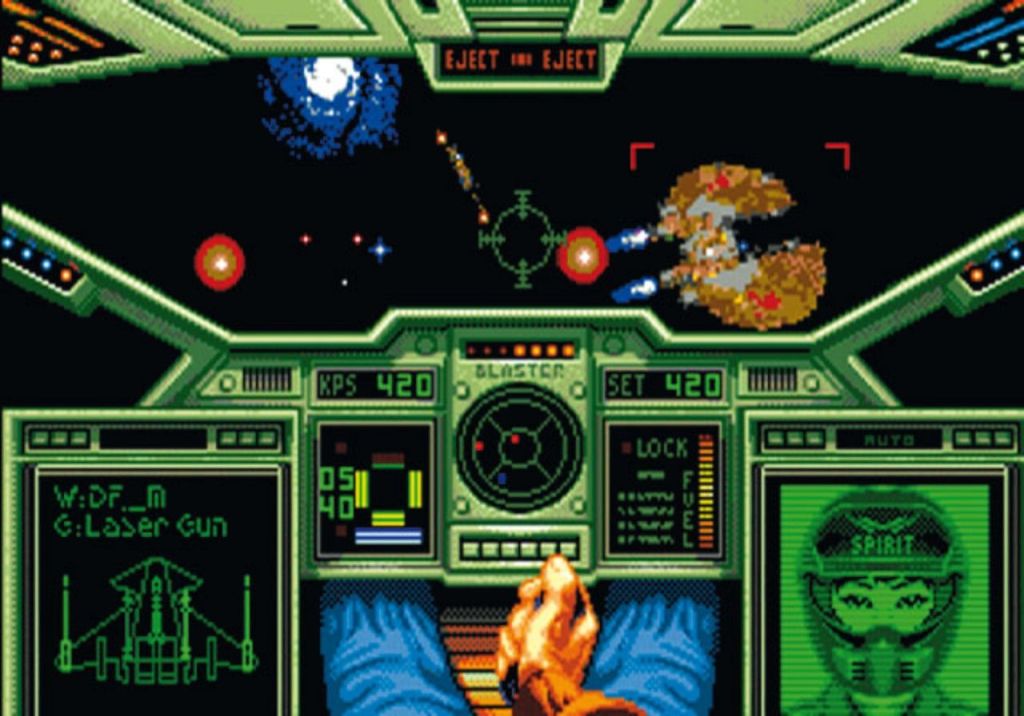
Not only did it become an instant best seller, the technology that powered Wing Commander would go on to inspire John Carmack to develop a similar engine for Doom, a game that would forever change gaming culture and cement the PC’s future as the defining gaming platform of the 1990s.
In the end, the decade didn’t belong to the proprietary artistry of the Commodore Amiga or the Atari ST, but to the accidental open-architecture of the IBM PC. This standardization, born from off-the-shelf parts and reverse-engineered clones, was the necessary chaos that birthed a truly unified platform. It was a victory not of a single company but of the countless developers that flooded the market with their creative designs, transforming the simple early arcade style games into the immersive worlds we know of today.
Mag Coverage
Nintendo Power #10, Jan/Feb 1990
EGM #6, Jan 1990
GamePro #6, Jan 1990
Video Games & Computer Entertainment #12, Jan 1990
Game Players #7, Jan 1990
CGW #67, Jan 1990
PCGames #5, Dec 1989



Leave a comment