From Secret Clubs to Magazine Racks
The final years of the 1980s feel like a fever dream when we look back at them today. We started the decade with the crash that almost killed the industry and we ended it with a cultural explosion that would define entertainment for the next thirty years. If you were a kid between 1985 and 1989 you witnessed the industry grow up right before your eyes. It was a time when the monolithic dominance of the NES began to crack under the pressure of new challengers and the gaming media evolved from simple newsletters into a glossy empire. This was the era that built the foundation for everything we love today.
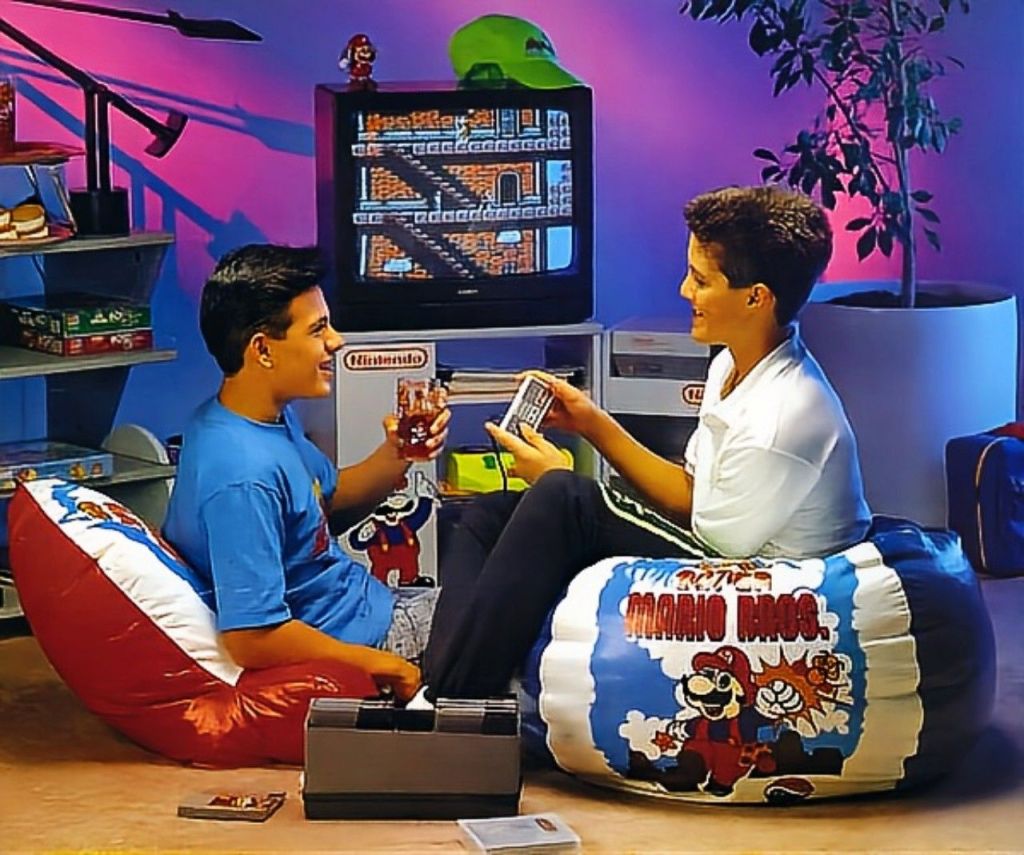
In the dark ages before the internet, if you were stuck in a dungeon in The Legend of Zelda or couldn’t figure out how to beat Mike Tyson you had very few places to turn to. In 1987, Nintendo cultivated its audience through the Nintendo Fun Club Newsletter. This wasn’t just a piece of mail but a lifeline. Warehouse manager Howard Phillips and marketer Gail Tilden conceived the newsletter to leverage a mailing list compiled from warranty cards. It was a brilliant move to keep fan engagement high in a pre-internet world.
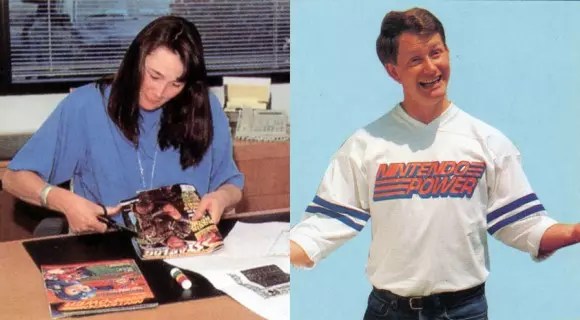
The club started small with a four-page newsletter sent to 700 members for free but it grew into a phenomenon. It offered tips and crossword puzzles and jokes to make players feel like they belonged to an exclusive community. Howard Phillips became the face of this movement as the club president and a man who had supposedly spent 10,000 hours perfecting his gaming skills. The primary goal was to help players navigate the often obtuse design of early Nintendo games and increase consumer satisfaction.
But the Fun Club became a victim of its own success. By 1988 the membership had swelled to over one million members. Printing and mailing these free newsletters was costing Nintendo a fortune so they made a pivot that changed everything. In 1988 the newsletter evolved into Nintendo Power. This was a massive escalation in their marketing strategy.
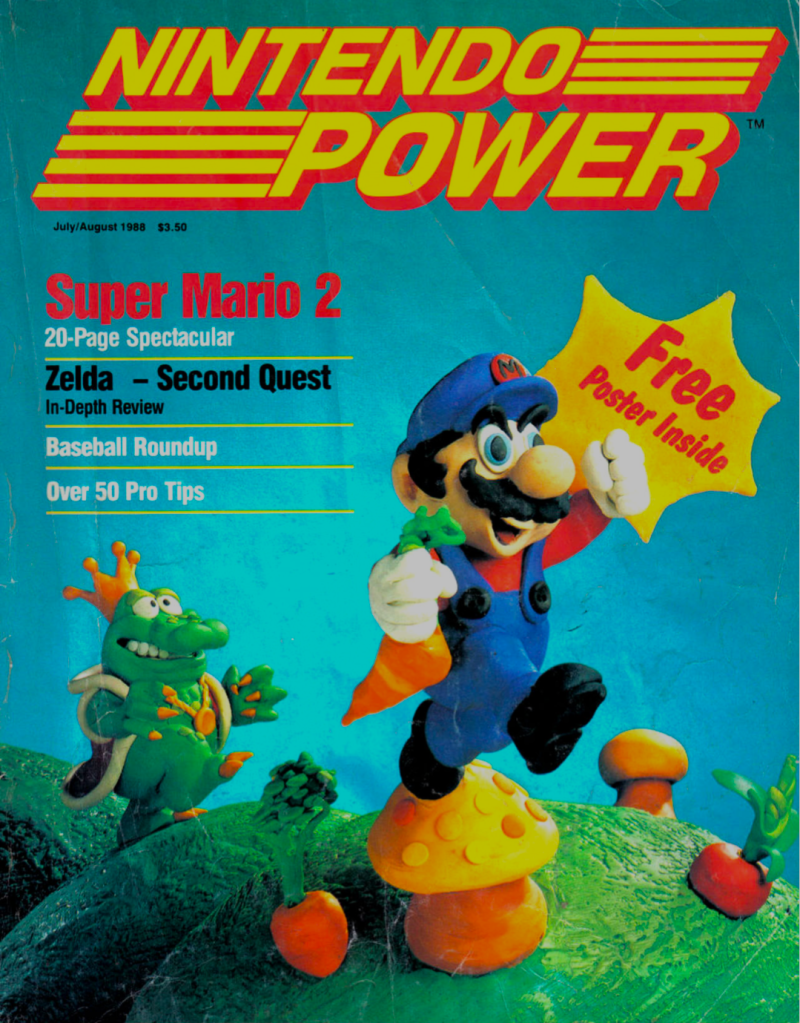
The launch of Nintendo Power was an event. They printed 3.6 million copies of the first issue and sent them for free to the Fun Club members. It was over 100 pages long and featured that iconic clay model of Mario on the cover. It was a high energy marketing machine designed to sell the dream of the Nintendo universe. It gave us deep strategy guides and colorful maps that we taped to our bedroom walls. It also gave us Howard & Nester which was a comic strip featuring the brash mascot Nester and the calm expert Howard.
The War for the Truth
While Nintendo Power was the official word, it was inherently biased. It would never tell you if a game was bad because its job was to sell games. This opened the door for the competition. In 1989, the print media war erupted with the arrival of Electronic Gaming Monthly and GamePro.
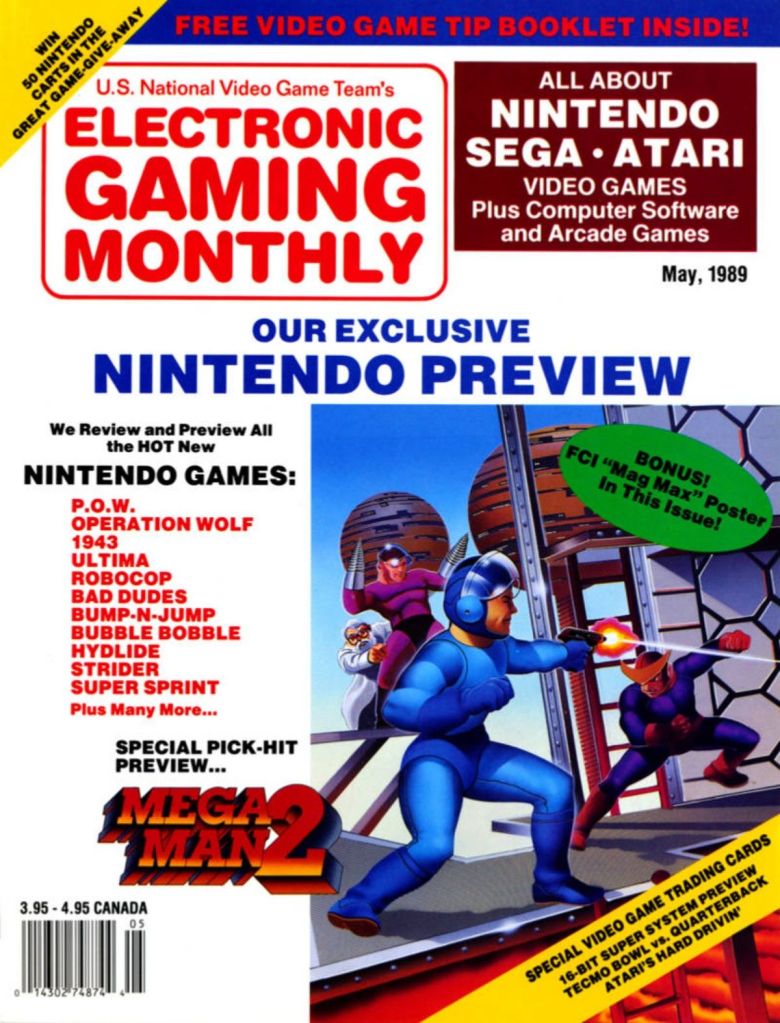
EGM launched in March 1989 and positioned itself as the voice for the hardcore gamer. It promised unbiased reviews with numerical scores and was not afraid to be brutally honest, making sure the readers were always getting quality games for their hard earned dollars. They also had a gossip column called Quartermann that fueled all our playground rumors and gave us something every month to get hype about.
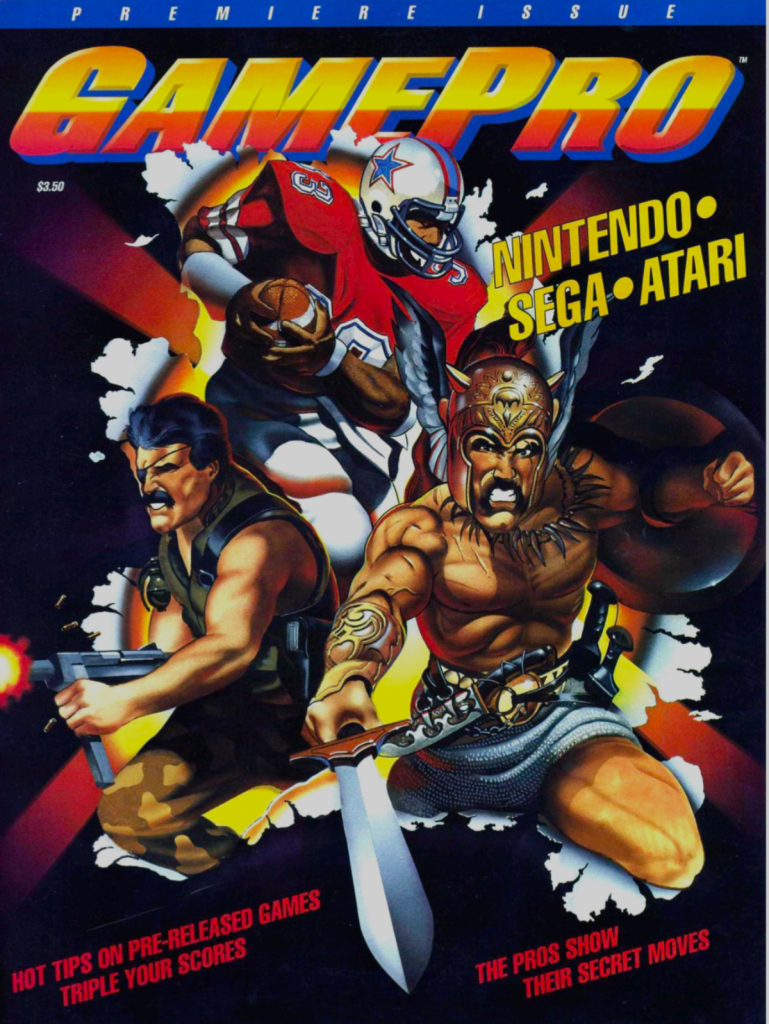
GamePro took a different approach when it launched in April 1989. It was flashy and focused on actionable content like ProTips. They eventually moved to using the famous face icons to rate games ranging from a wide eyed expression for great games to a grimace for bad ones. To hide their small staff size the editors used wild personas like Scary Larry and The Eliminator. These magazines signaled that the market was maturing and that we wanted more than just the marketing found in Nintendo Power.
The 16-Bit Shockwave
The summer of 1989 was the last peaceful summer before the great console war began. While the NES was still the king, its dominance was about to be challenged by 16-bit power.
Sega launched the Genesis in August 1989 and they were not playing for second place. The system was built around the Motorola 68000 processor which was the same chip found in many arcade cabinets. They marketed it as the cool and edgy alternative to the NES with a sleek black design that had 16-BIT plastered on the front.
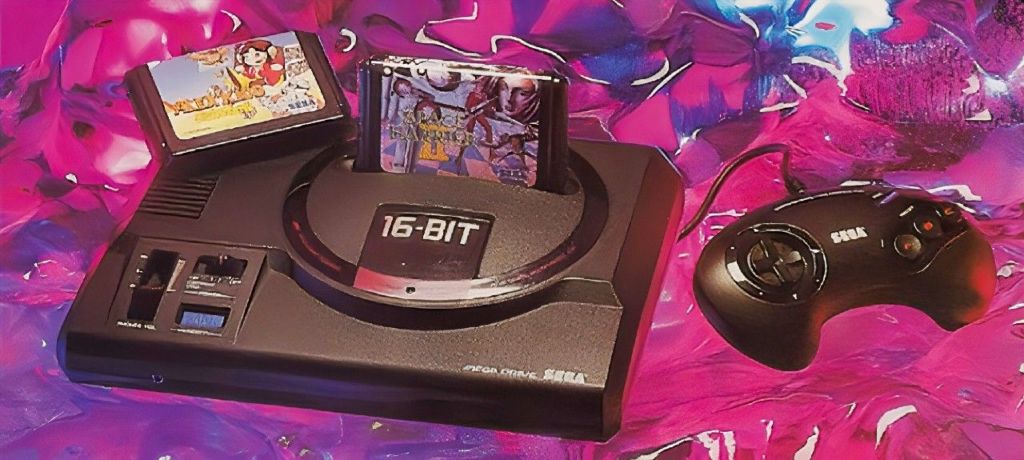
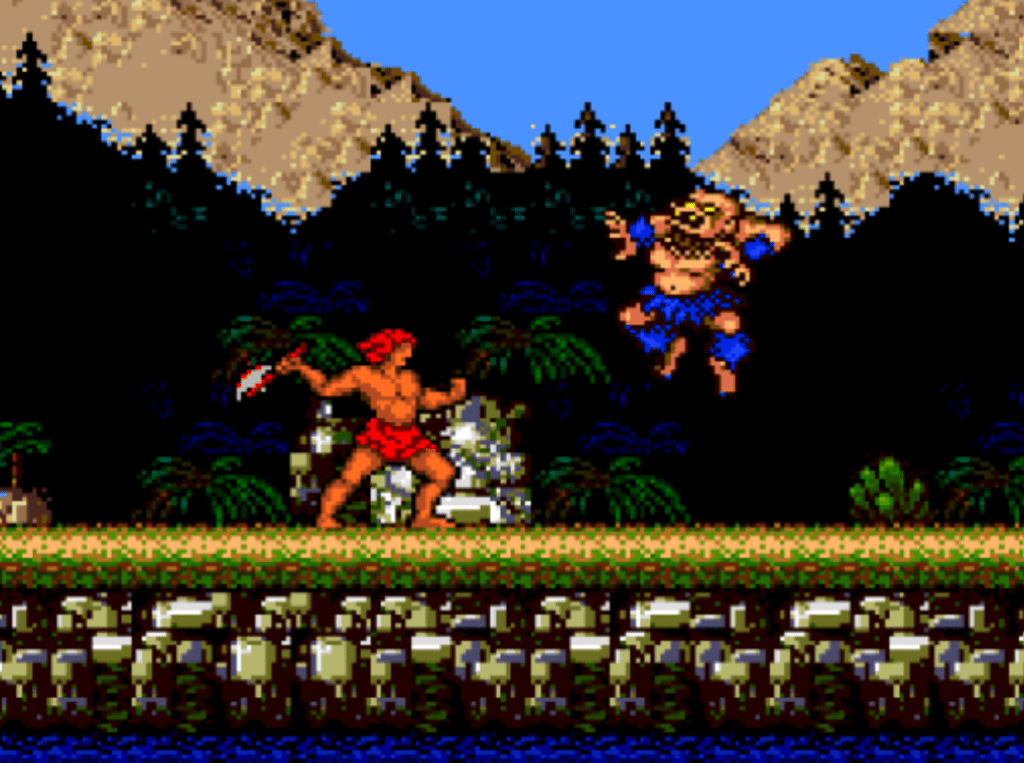
Their pack-in game was Altered Beast. It was a visceral demonstration of power with large sprites and digitized speech that famously commanded the player to rise from your grave. It made the NES look like a toy. Sega would also bring us near perfect ports of arcade hits like Ghouls ‘n Ghosts and Golden Axe. This shifted the conversation from gameplay creativity to raw technological power.
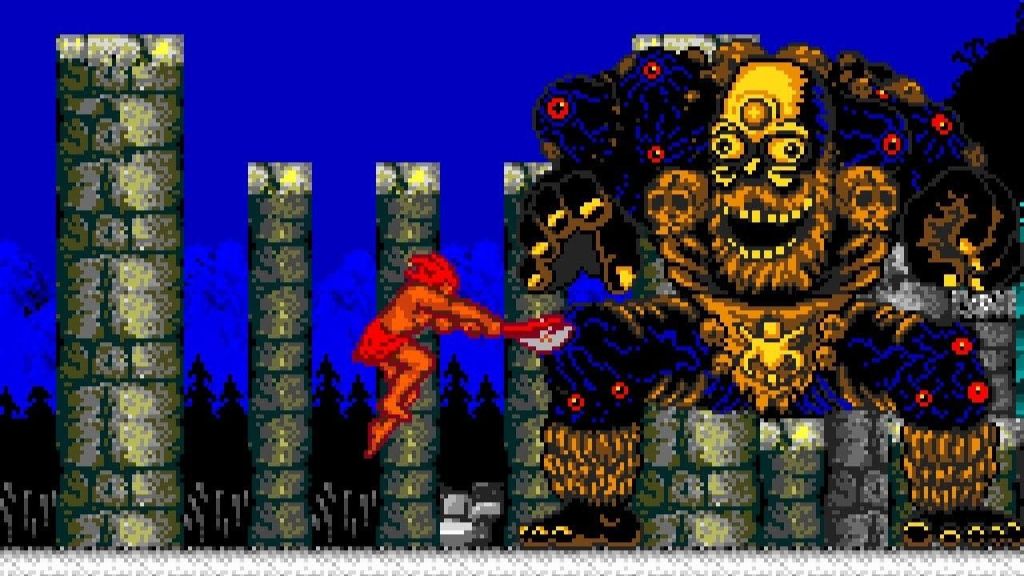
NEC also joined the fray with the TurboGrafx-16. This system was a powerhouse in Japan where it had often outsold the Famicom. It promised a CD-ROM add-on that would offer massive storage compared to cartridges. However the US launch was a huge mess. They packed in Keith Courage in Alpha Zones which was a confusing platformer RPG hybrid that did not show off the system nearly as well as The Legendary Axe could have.
The Battle for Your Pocket
In the fall of 1989 a new front opened in the war. This time it was portable. The handheld revolution pitted the raw power of the Atari Lynx against the practical genius of the Nintendo Game Boy.
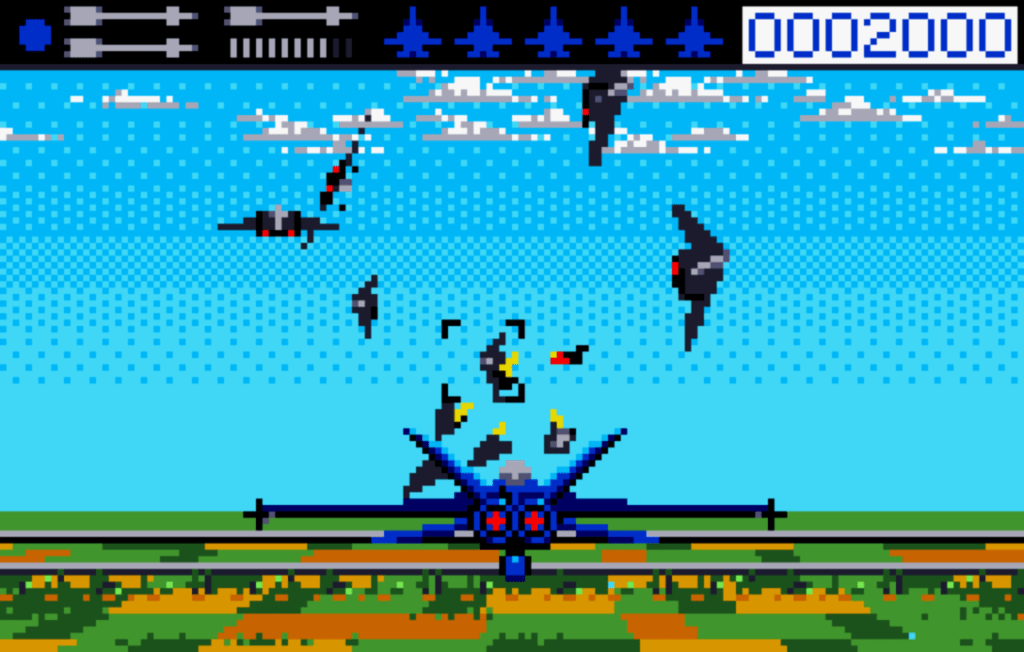
The Atari Lynx was a beast. It had a full color backlit screen and a 16-bit processor that could handle sprite scaling and rotation. It was basically a portable arcade machine but was fatally flawed. It was huge and expensive and it chewed through six AA batteries in about four hours.
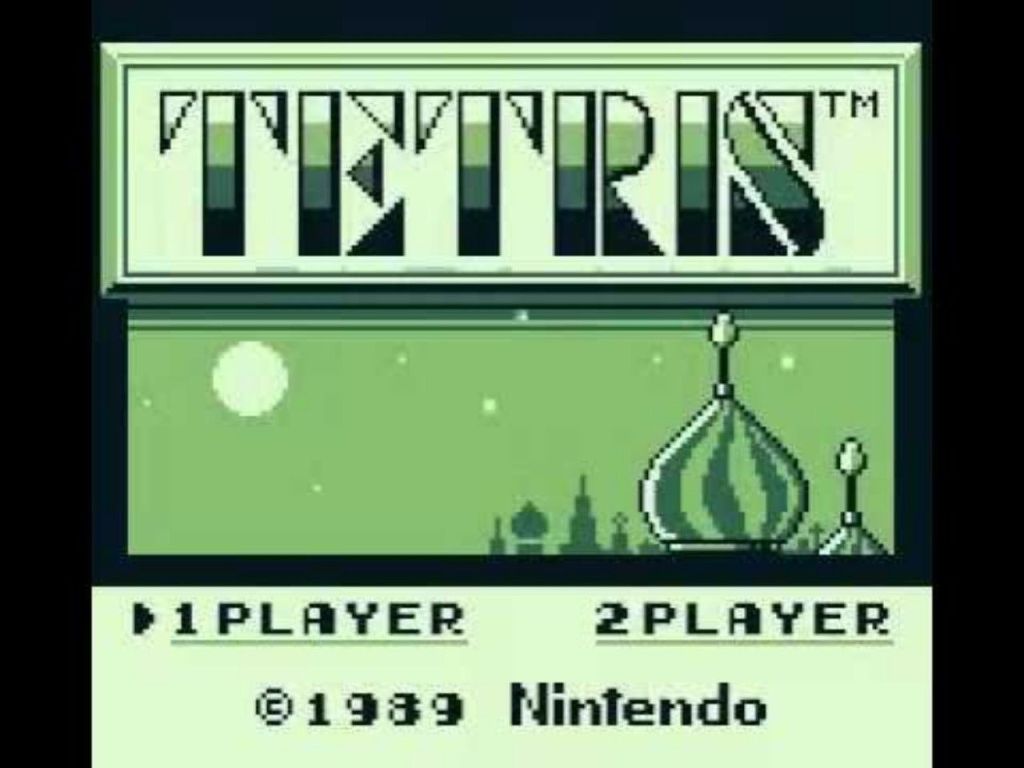
The Game Boy was the opposite. Designed by Gunpei Yokoi, it followed the philosophy of Lateral Thinking with Withered Technology. It had a pea soup green screen with four shades of grey and a simple 8-bit processor. But it ran for over 20 hours on four batteries.
The deciding factor was the software. Nintendo made the brilliant move to pack in Tetris. This addictive puzzle game was the perfect match for the hardware and it appealed to everyone from kids to adults. While the Lynx was for tech enthusiasts the Game Boy became a social phenomenon. The market proved that accessibility and battery life were more important than color graphics.
The Software That Defined a Generation
While the hardware wars were heating up the software on the NES reached its creative peak. Nintendo responded to the 16-bit threat with a blitz of high quality 8-bit games.
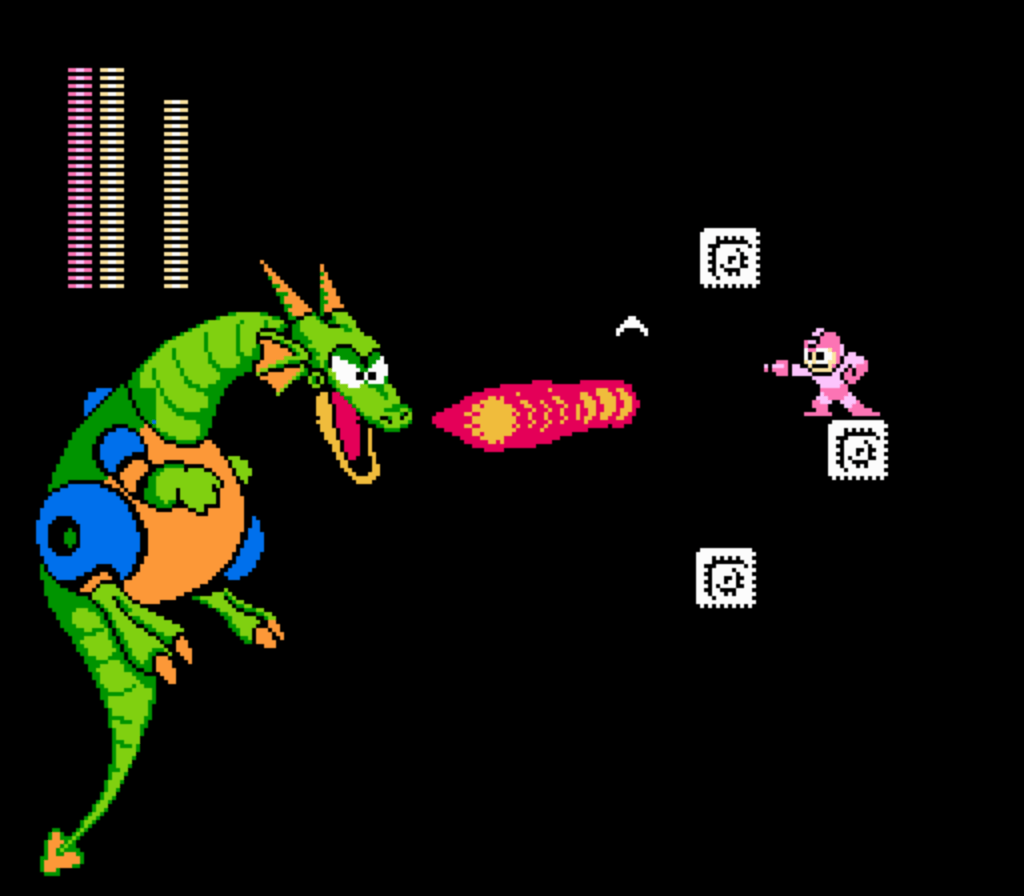
Mega Man II was released at the end of the 80s and was the definitive action platformer of the decade. The game’s development was a clandestine, after-hours passion project, willed into existence by its small team after the first game commercially failed in North America. This creative freedom led to an explosion of innovation, including the now-iconic expansion to eight fan-submitted robot masters, which perfected the game’s famous rock-paper-scissors weakness system and with the help of a massive cover story in Nintendo Power magazine, it sold over 1.5 million copies, establishing the blueprint for the entire Mega Man series.
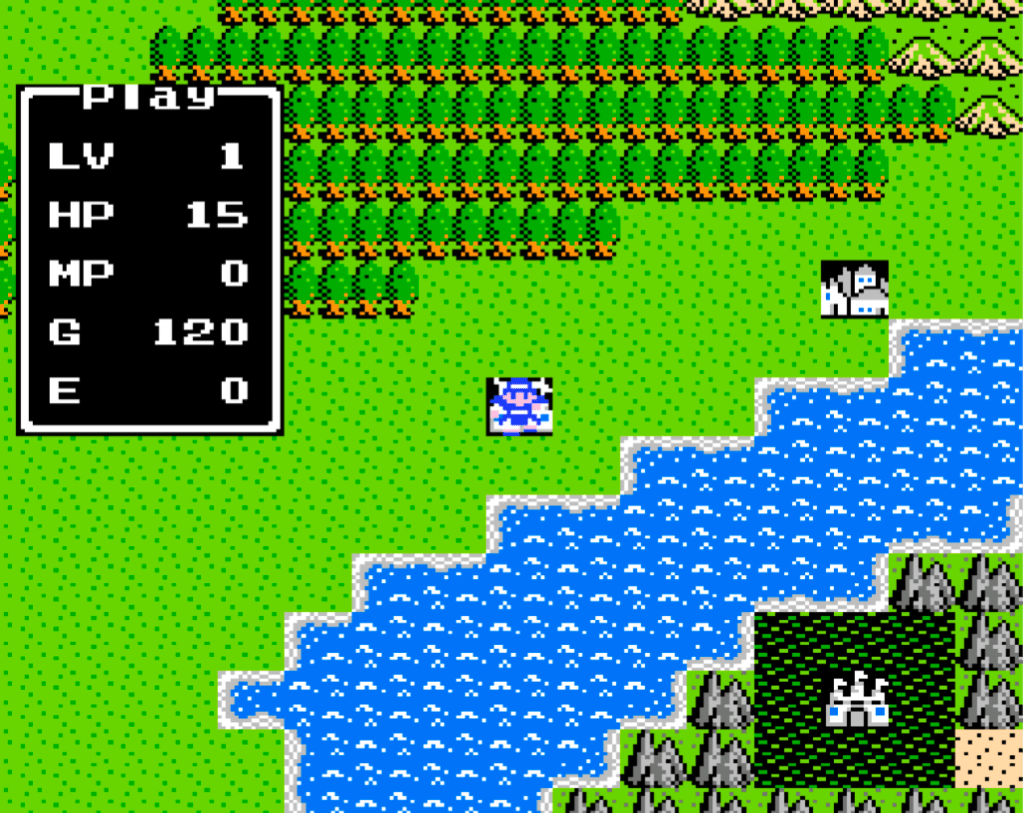
We also saw the rise of the console RPG with Dragon Warrior, whose release was a national event in Japan but a commercial disaster in the West. To offload a million unsold units in 1990, Nintendo launched a massive promotion, giving away free copies to every new Nintendo Power subscriber, teaching an entire generation how to rise and grind. Despite devaluing the brand, this giveaway was a triumph that served as the essential JRPG training ground for American audiences and opened the doors for later franchises like Final Fantasy.
Licensed games also began to improve. For a long time movie tie-ins were terrible cash-ins like Jaws or Friday the 13th. But at the end of 1989 Capcom released Willow, a stunning take on the Zelda formula. The game positioned itself as a bridge between the action-adventure of Zelda and the stat-heavy mechanics of Dragon Warrior. It featured a robust magic system and also used a traditional leveling system where defeating enemies yielded XP to increase Willow’s Hit Points and Magic Points, making the game more accessible to a wider audience. This release signaled a turning point for licensed titles, proving they could be ambitious and critically acclaimed instead of just being quick cash-ins.
The Cultural Takeover
By the end of 1989 video games had moved from a niche hobby to a mainstream cultural juggernaut. Nothing exemplified this better than the release of the film The Wizard in December 1989.
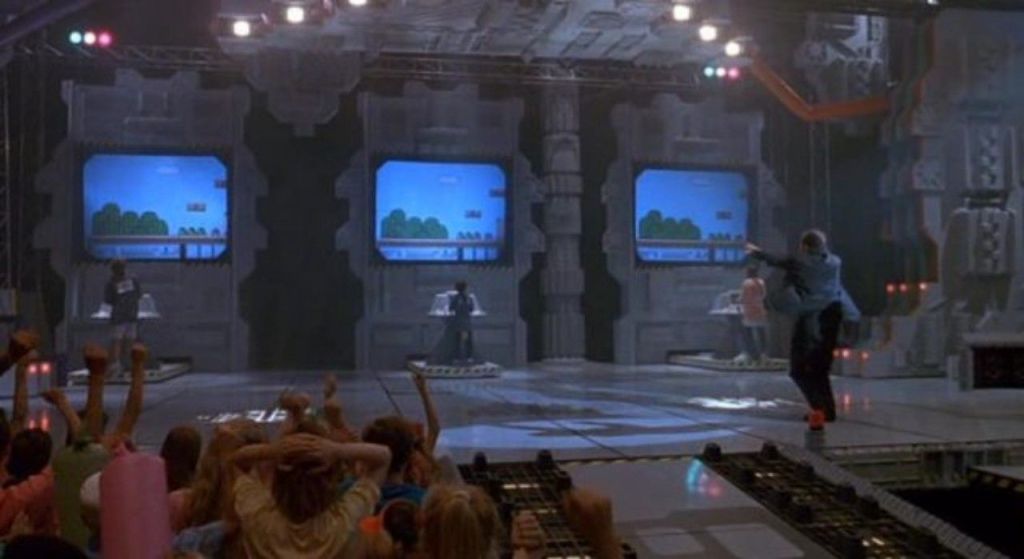
Critics might call it a 90 minute commercial for Nintendo products but for us it was a cinematic event. The movie built a narrative around competitive gaming and showcased the Power Glove. The climax of the film was the first public reveal of Super Mario Bros 3. Seeing Mario fly with the raccoon tail for the first time on the big screen generated unprecedented hype.
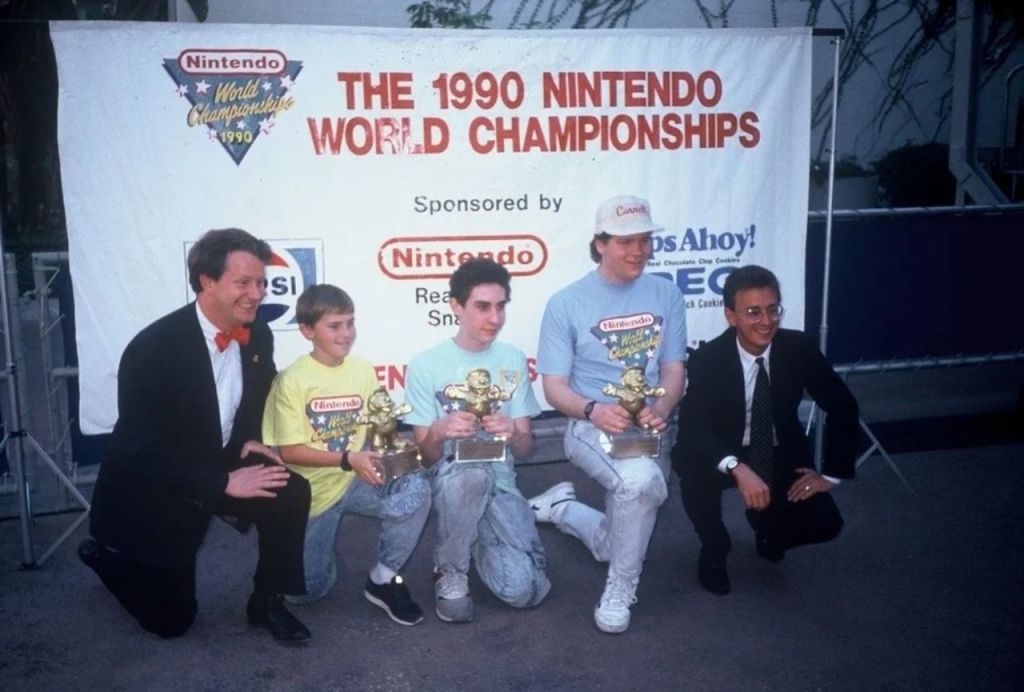
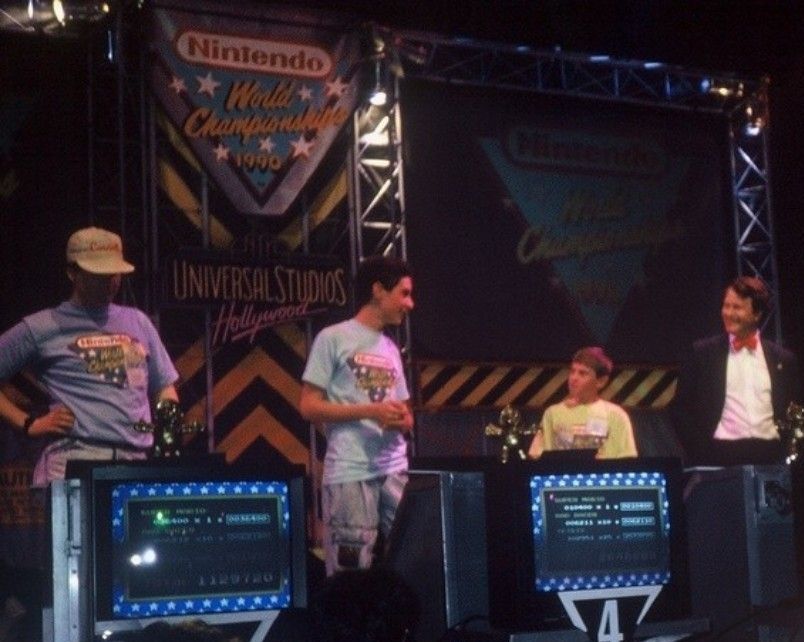
This movie also inspired real life events. The fictional tournament in the film mirrored the Nintendo World Championships in 1990. This touring event cemented the idea of professional competitive gaming in the public consciousness and solidified Nintendo as a lifestyle brand.
The End of the Beginning
As we closed the book on the 1980s the landscape had changed forever. We went from a single dominant console to a fractured market defined by intense rivalry. The first console war was born in 1989 and it created a tribalism between Sega and Nintendo fans that would drive innovation for the next decade.
The media had transformed from simple newsletters into a critical apparatus that reviewed and critiqued the art form. We learned that raw power does not always win as proven by the Game Boy victory over the Lynx. And most importantly we saw video games shed the toy label and become a permanent pillar of pop culture.
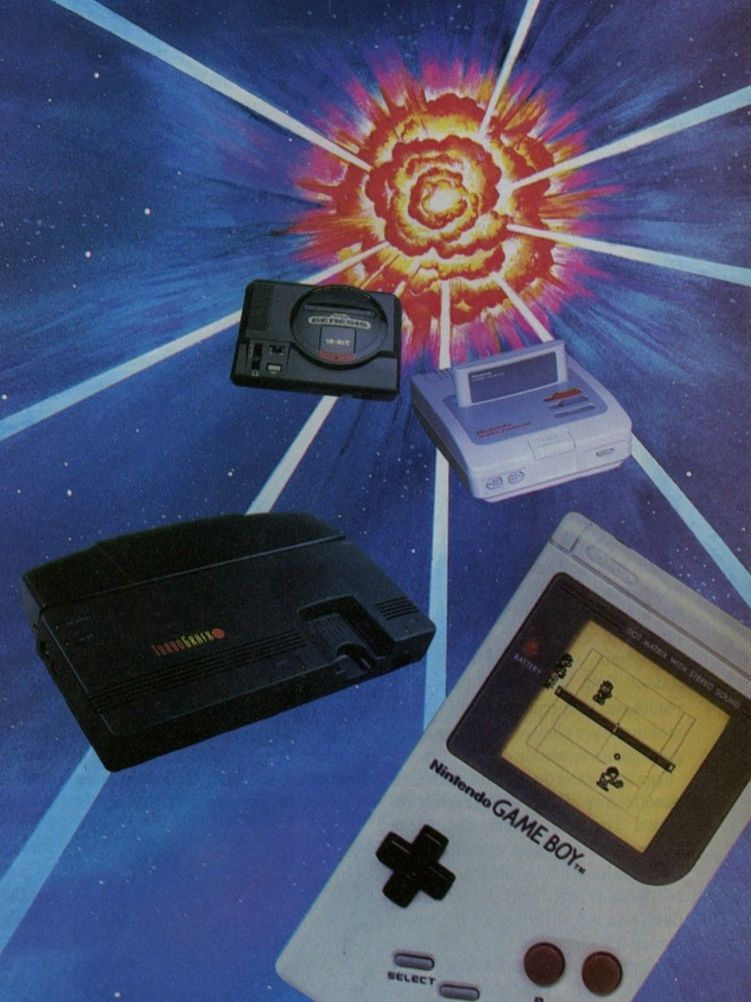
The end of the 80s was a major pivot point in video game entertainment. It was a time when the industry began to grow out of the 8-bit era to begin the 16-bit years of the 1990s. Looking back at the magazines and the games from that transition period gives us a perfect snapshot of a world in fast forward and a generation learning how to keep up.
 PlayZine
Leave a comment