The Movie That Changed Everything
It’s a cold December day and you’ve finally made it to the Saturday matinee everyone’s been talking about. The popcorn is stale, the theater floor is sticky but you don’t care, you’re here for The Wizard, the 90 minute NES commercial to hype us all up!
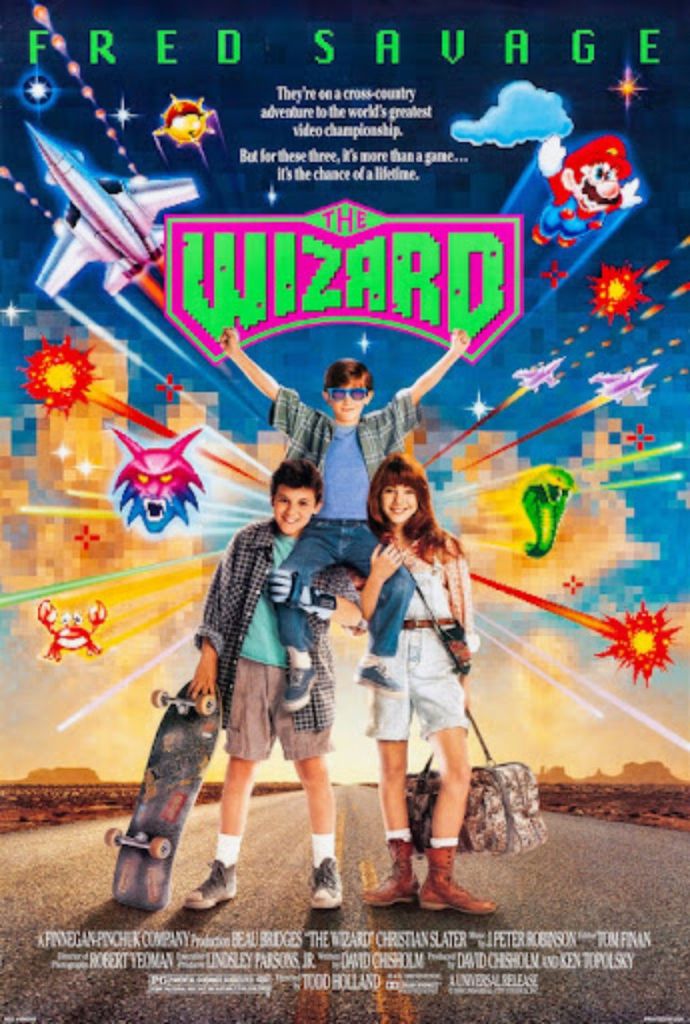
You were glued to your seat as Corey, Jimmy, and Haley trekked across the country, hitchhiking their way West while dodging parents and outsmarting that slimeball bounty hunter, Putnam. We cheered as they hustled unsuspecting adults in dusty diners, dropping jaws with high scores in Double Dragon and Ninja Gaiden and going up against masters of the Power Glove, proving that Jimmy wasn’t just a quiet kid, he was a prodigy. It was a race against time to get to the promised land, Universal Studios in California, where the best of the best players in the world would collide.
But nothing could prepare us for that ending. A final showdown on a stage that looked like it was stripped straight from Star Wars and if you couldn’t figure out that this was going to be the mother of all endings then the announcer screaming Video Armageddon made it crystal clear. And just when you thought you’d hit peak euphoria, it happened. The bay doors opened up and a collective gasp sucked the air out of the theater as we were blasted with three screens worth of action packed Super Mario Bros. 3 gameplay!
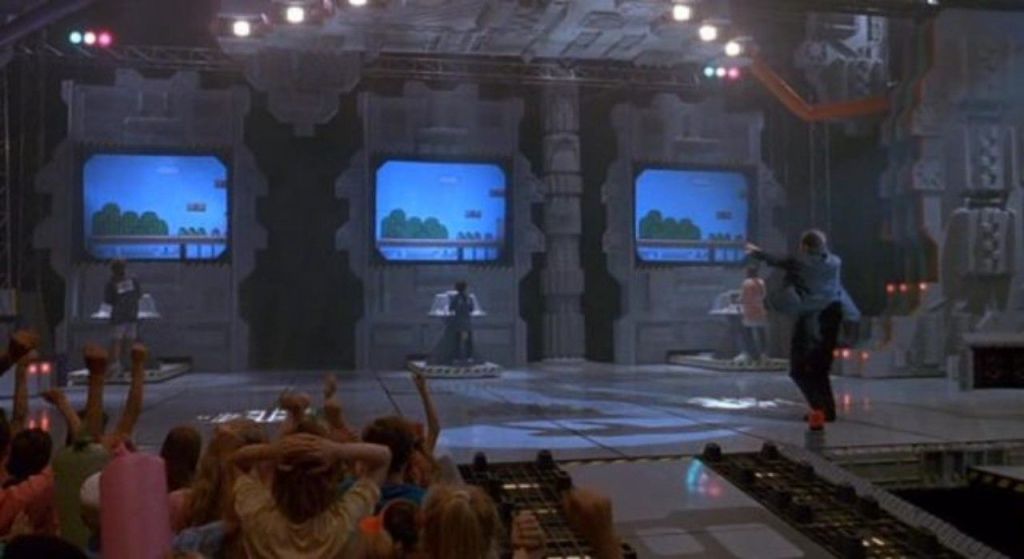
The graphics looked crisp, the colors popped and Mario had ears? A tail? He could fly?! It was sensory overload. We sat there, slack-jawed, witnessing the holy grail of 8-bit gaming long before we could buy it. And when Jimmy went on to win by finding a hidden warp whistle our anticipation didn’t just go through the roof, it smashed through the ceiling and went straight into the stratosphere.
We walked out of that theater into the cold winter air, but we didn’t feel the chill. We felt like contenders. We looked at our hands and didn’t just see fingers, we saw potential high scores. The Wizard had planted a seed in every kid’s head that they too could do that. They could be Jimmy and find the secrets that would lead them to defeat their competition. They’d be the one on that final stage while the crowd chanted their name.
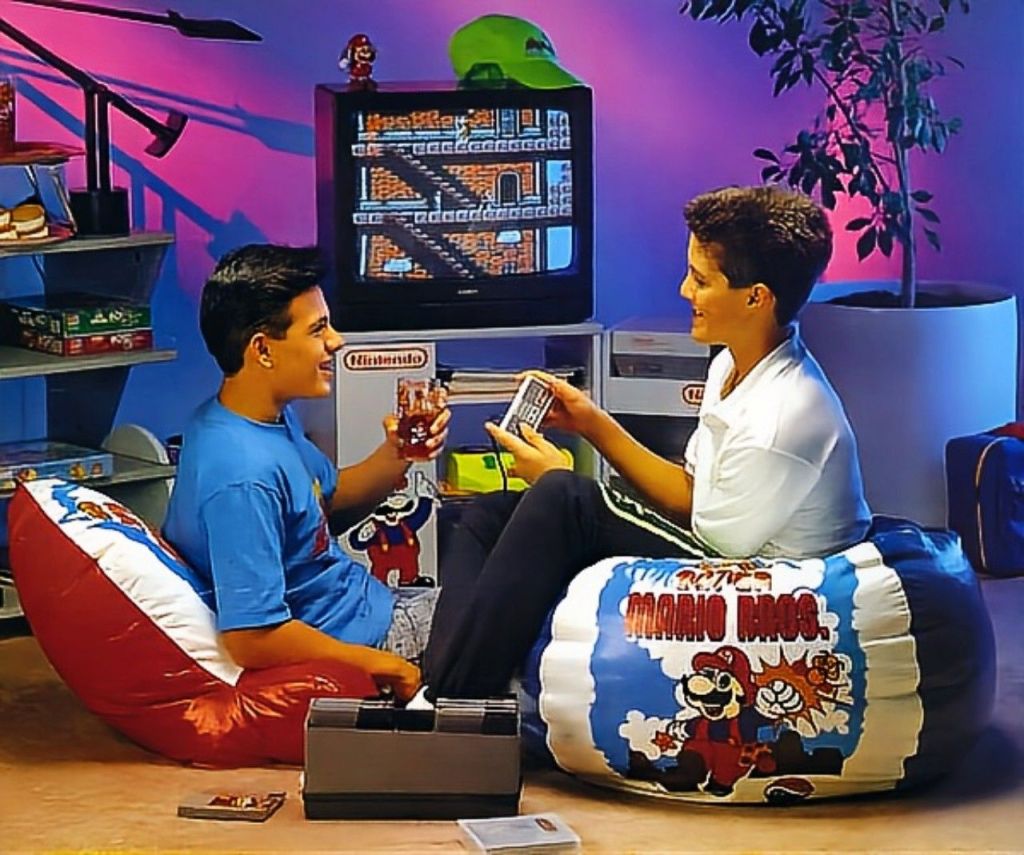
We didn’t want to play Nintendo anymore, we wanted to master it, all of it. We wanted our own Video Armageddon. The legions of wannabe video game prodigies walking out of those theatres wasn’t a lucky break for Nintendo. It was the end result of a carefully planned, surgically delivered, mind bomb to every child across the country that owned an NES.
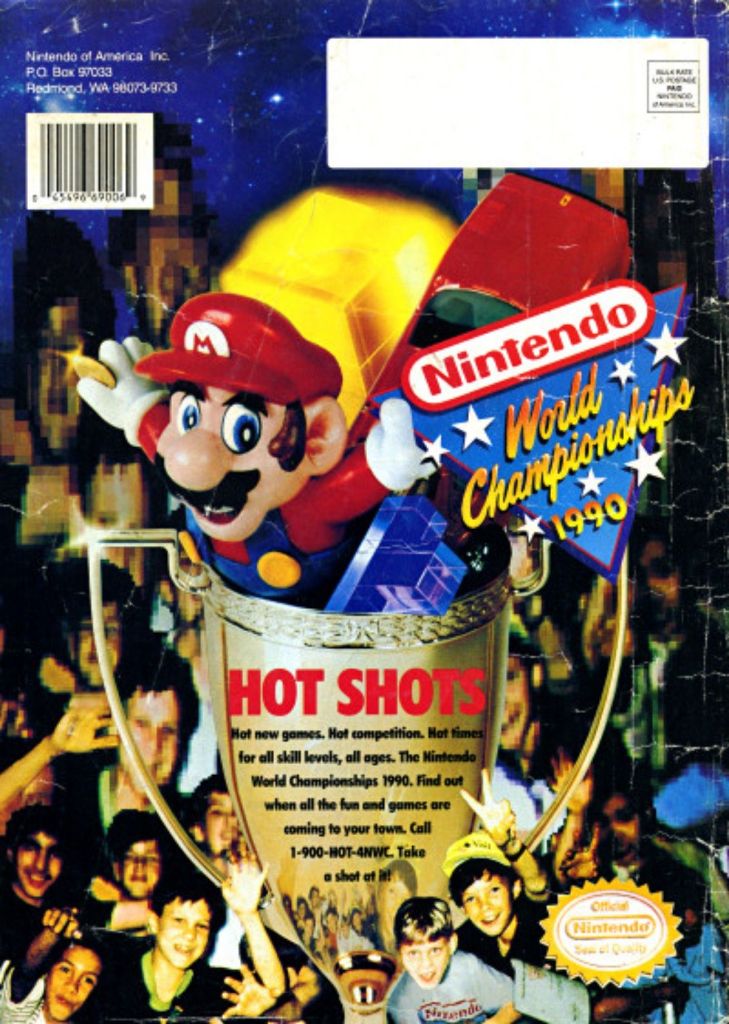
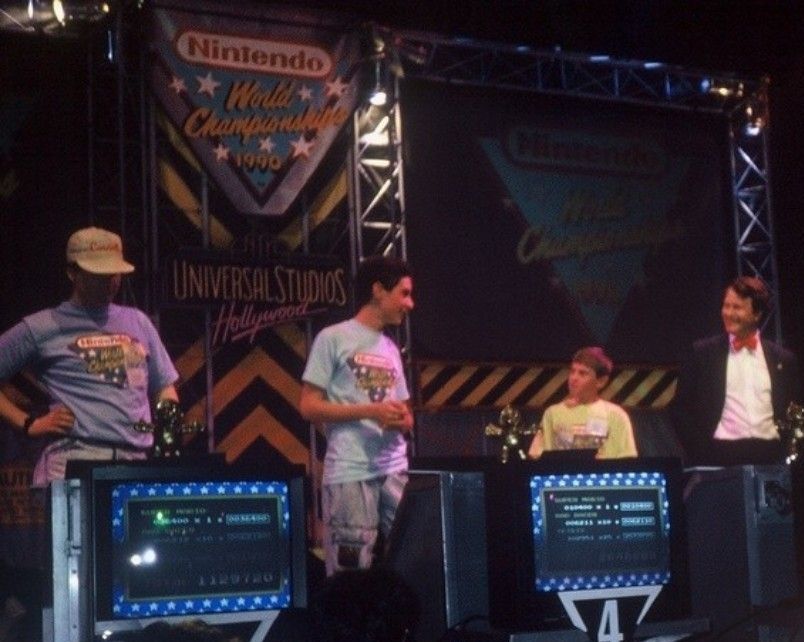
Leveraging the hype from the film, they launched the Nintendo World Championships in 1990. This was a touring juggernaut that visited 29 cities across America. They created a limited number of custom cartridges (including 26 gold-shelled cartridges) that featured unique timed versions of Super Mario Bros., Rad Racer, and Tetris. It was the ultimate proving ground. Kids lined up for hours in convention centers, clutching their entry tickets, hoping to qualify for the finals. We didn’t just watch The Wizard, we were living it.
A Prophecy Fulfilled
And while video games were figuring out Hollywood, Hollywood was finally figuring out video games. For the better part of the 8-bit generation, the relationship between movies and our NES was steeped in disappointment. Movie tie-ins were mostly produced by companies engaging in questionable business practices that relied on the naivety of children and the well-meaning ignorance of their parents. We all knew the drill when you’d walk into the video rental store, the smell of popcorn and carpet cleaner hitting you, where you’d spot the cover of your favorite movie on a game box. The art promised the thrill of the cinema, but the cartridge delivered something unrecognizable.
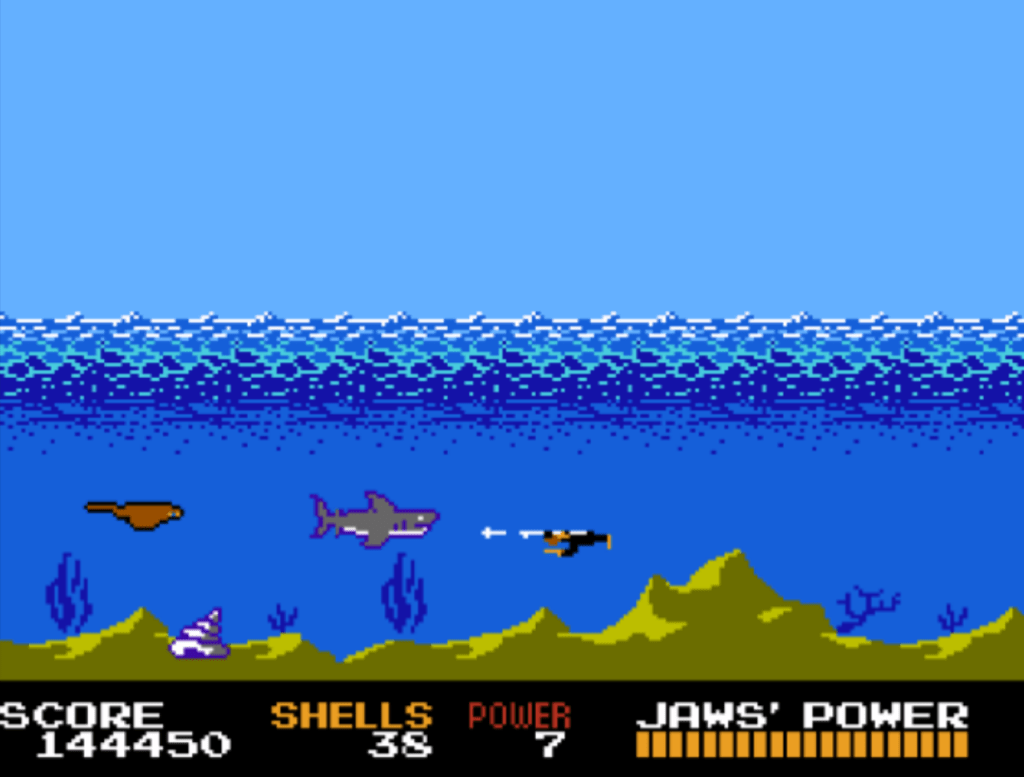
By 1989, we had been burned one too many times by the infamous Rainbow of Garbage. We all played our fair share of LJN cash-ins like Friday the 13th or Jaws. The industry logic was cynical, as the license sells the cart, the gameplay is irrelevant. By the time Christmas 1989 rolled around, we had given up on those carts promising movie level action.
However, a shift was occurring. Leading the charge this holiday season was Capcom’s Willow for the NES. We had all spent the last year jumping off our couches as Mad Martigan slaying two headed dragons or trying to use our sleight of hand to disappear our little sister right in front of our mother’s eyes. The stakes were high when we opened this cart on Christmas morning. If this had been an LJN release, it would have been a cheap side-scroller where we threw acorns at trolls for 10 repetitive levels but Capcom did something radical. They looked at the source material and realized it didn’t belong in the platforming genre at all. It wasn’t a standard, quick-hit platformer, but a sprawling, sophisticated Action-RPG that could stand toe-to-toe with our golden Legend of Zelda carts if only the license was given enough love.
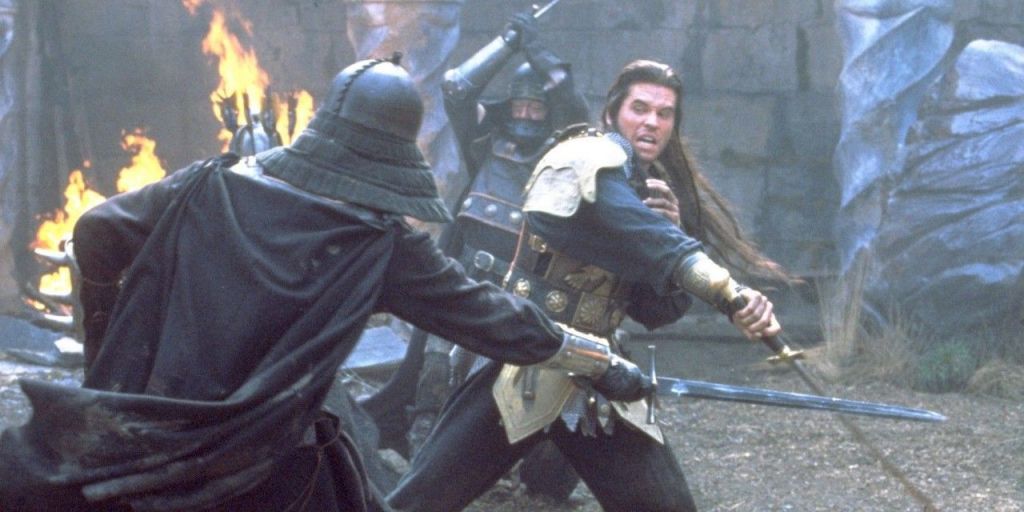
When we finally got to turn it on, Willow was a revelation. It featured a massive, interconnected overworld that begged to be explored. It respected the intelligence of the player, utilizing a stat-based progression system where defeating enemies granted experience points, something we’d only seen in Dragon Warrior. You weren’t just on an adventure, you were casting fire, freezing enemies, and wielding swords that felt heavy and deliberate. The music wasn’t a shrill loop, but a sweeping score that felt cinematic.
This release proved that the curse of the movie tie-in could be broken. It showed that when a developer respected the source material, they could create a world that expanded on the film rather than exploiting it. Willow wasn’t just a good licensed game, it was a top-tier Capcom title that happened to be based on a movie. Hollywood and the world of video games were beginning to understand each other, and we were finally getting to explore some of our favorite worlds without having to suffer through a half-baked movie tie-in.
The Future is Now
As we stood on the edge of the new decade we could look back at the 80s and see how far we’d come. It wasn’t that long ago that the industry was a wasteland and whispers of the Great Crash of ‘83 were being passed down to us from the older gamers clutching their Atari’s and Commodore 64’s. The market was flooded with trash, and Atari crumbled under the weight of a landfill site’s worth of E.T. cartridges. Pundits had already once declared video games a dead fad and we still didn’t know if the same fate would come to the NES.

But we were true believers. Nintendo had kicked down the doors and resurrected a dead industry by convincing parents this was an Entertainment System, not a toy. Seeing success, Sega tried to muscle in with the sleek looking Master System but in the schoolyard wars, it was Betamax to Nintendo’s VHS. If you were a Sega kid in 1987, you were a lonely island in a sea of grey cartridges.
The Rise of the Gaming Mags
While the console wars were beginning to brew in the background, the new gaming magazines were bringing all the hot coverage to young console gamers across the country. It started with Nintendo Power and when that first issue dropped in 1988 with Mario molded in clay, it became our bible. We studied the maps, memorized the Classified Information and felt like part of a massive club. But 1989 changed the landscape with the arrival of the multi-format heavy hitters.
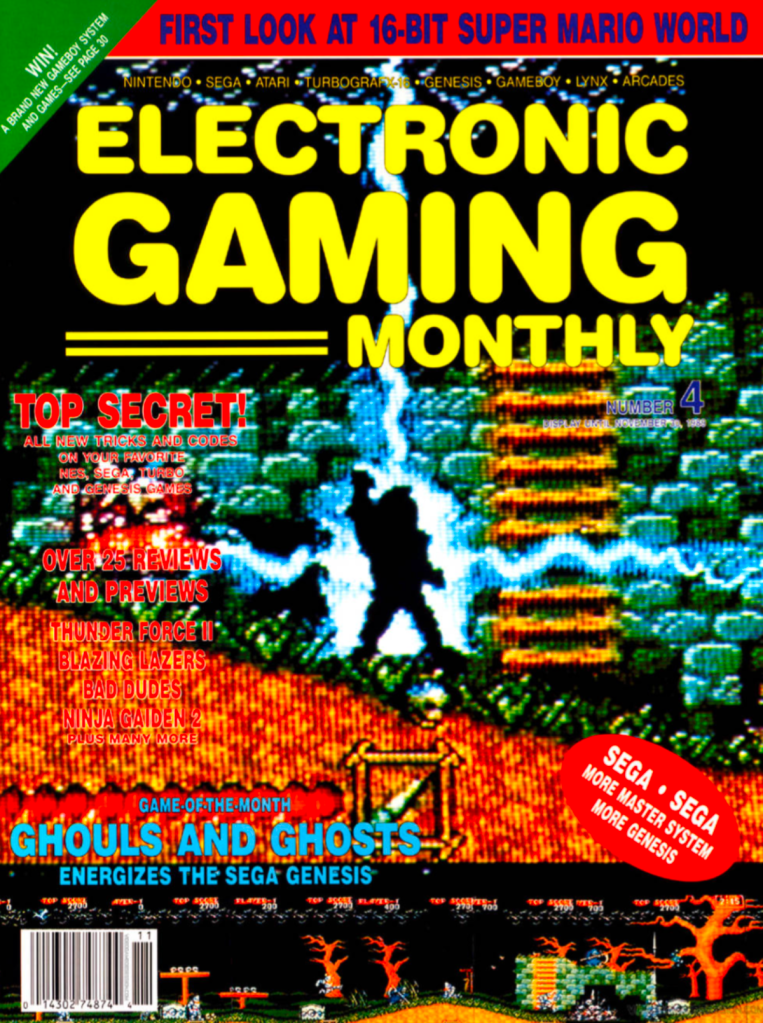
First came EGM and it wasn’t just a hype rag, it was the industry insider. With its Review Crew of four critics scoring games and the mysterious Quartermann dishing out juicy rumors, EGM made us feel like we had backstage passes to the industry. It covered everything, Nintendo, Sega, NEC, Arcades, treating gaming like the serious hobby it was. Then there was GamePro, exploding onto shelves with a chaotic, high-energy style that screamed 1990s. With reviewers like The Unknown Gamer, and their signature ProTips captions on screenshots, it taught us how to actually beat the games we were buying. These magazines weren’t just reading material, they were essential survival guides.
16-Bit Shockwaves and the Portable Arms Race
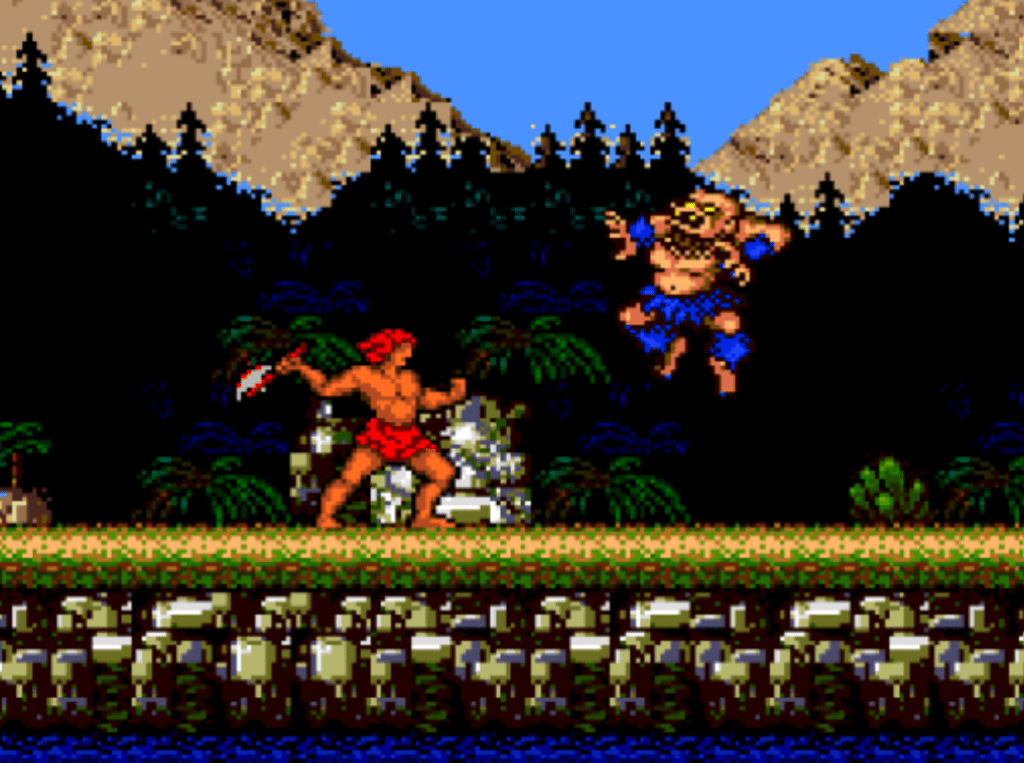
The end of the 80s saw the industry build the launch pad that would blast consoles off into the new decade and we were more than ready to trade in our 8-bit machines for a ticket to the future. We saw the screenshots of the Sega Genesis and TurboGrafx-16 that were bringing the arcade home. Huge sprites, parallax scrolling, and sound chips that sound like actual instruments. Altered Beast yelling “Rise from your grave!” was a wake-up call that the 8-bit days were coming to an end.

But the innovation wasn’t just on our TVs. Nintendo opened up another theatre of war in 1989 when they released the Game Boy. It was a grey brick that ate up all our parents’ batteries, but being able to play Tetris anywhere was pure magic. However, it wasn’t the only game in town. For the tech-obsessed, there was the Atari Lynx. It was backlit with color and had sprites that scaled but ate four times the batteries of the Game Boy and wasn’t priced in the realm of Christmas gifts we’d usually get. But for the lucky ones, holding it felt like having an arcade in your pocket wherever you went.
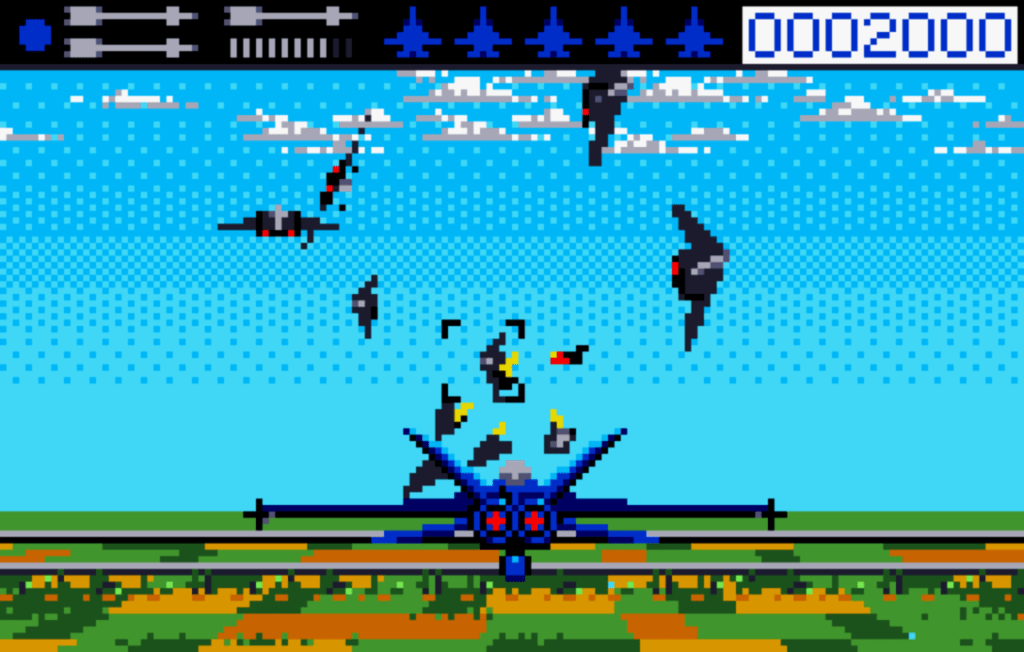
Whether you went color or monochrome, the handhelds proved that the future of gaming wasn’t just about better graphics, it was about taking the experience with you, opening up the whole world to gaming.
The Golden Decade Ahead
As we close out December 1989 and look into the future we can see how the 80s laid down the blueprint for the new era of consoles. But the 90s? The 90s are going to bring seemingly endless innovation. Every year of the 90s will see the release of games that we could hardly believe would have existed the year before.
We have the refined mastery of the NES, the raw power of the 16-bit upstarts, and a war brewing in the palms of our hands. The technology is leaping forward at a pace that feels incredible. We are moving from saving a princess to saving the world. The 90s are poised to be the greatest decade of gaming, a chaotic, beautiful explosion of creativity. We don’t know who Sonic is yet, but we know that the dark days of the crash are gone. The future is bright, it’s 16-bit, and it is absolutely glorious. Blow into that cartridge one last time, because the game is just getting started.
Mag Coverage
Nintendo Power #9, Nov/Dec 1989
 PlayZine
Leave a comment