Your Portal to Fun in Gaming’s Golden Age
GamePro! Just hearing the name conjures up images of vibrant, pixelated worlds and the distinct scent of freshly printed paper. For a generation of gamers, GamePro wasn’t just a magazine, it was a portal to endless adventures, a trusted guide through the ever-evolving landscape of digital entertainment. GamePro arrived on newsstands like a burst of energy, ready to capture the hearts and minds of young players during a truly golden age of video games.
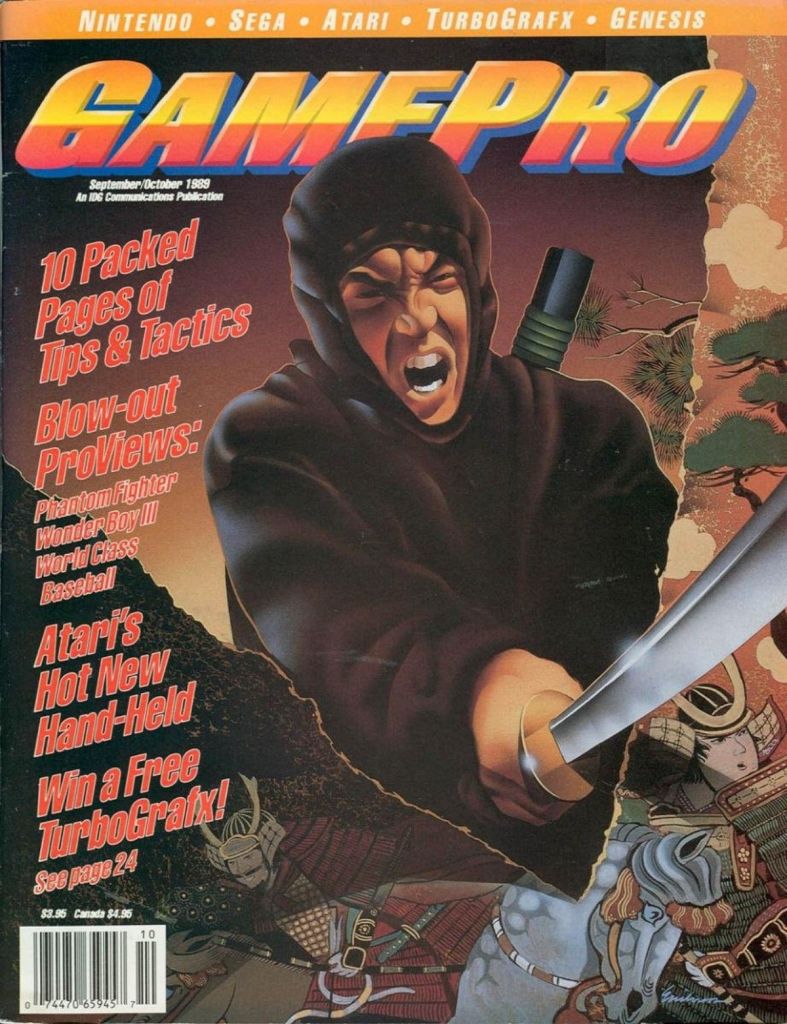
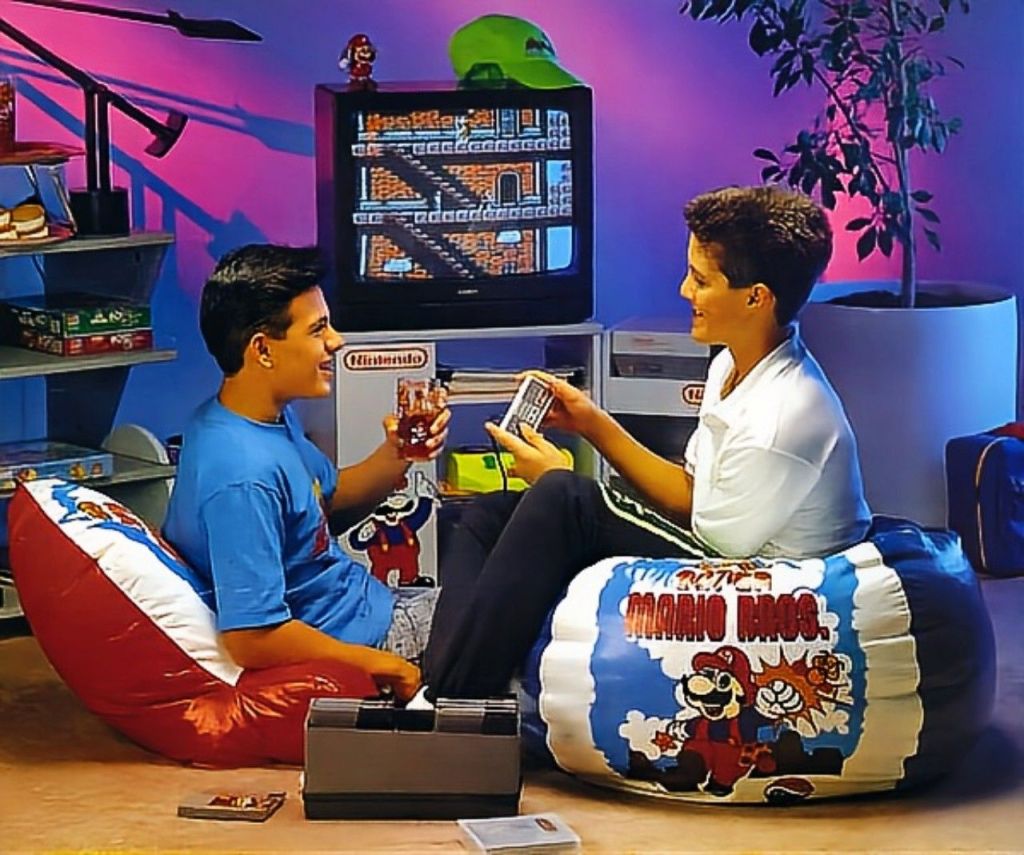
Back in the late 80s, when the NES had single-handedly resurrected the U.S. console industry from the ashes of the ’83 crash. Suddenly, video games weren’t just a fad they were a cultural phenomenon and kids everywhere were clamoring for more. But where could they turn for the inside scoop? Dedicated gaming magazines were a rare breed often favoring the more serious world of home computers over the joyous chaos of console gaming. It was into this fertile ground that GamePro, alongside EGM, burst forth ready to become a loud and undeniably fun voice for the burgeoning gaming masses.
GamePro’s Founding Architects of Fun
Every great story has its heroes and GamePro’s origin tale is no different. It wasn’t born in a garage by a couple of arcade enthusiasts but rather from a unique convergence of business acumen, operational savvy and design brilliance. It was 1988 in the bustling San Francisco Bay Area where four individuals—Patrick Ferrell his sister-in-law Leeanne McDermott and the husband-wife design duo Michael and Lynne Kavish—came together with a shared vision.
At the heart of this ambitious undertaking was Patrick Ferrell. His background was firmly rooted in the world of corporate finance and management. An accountant by trade, Ferrell had honed his skills in significant financial and operational roles at several major companies. His professional life was about balance sheets and strategic operations, not necessarily high scores or cheat codes.
Yet Ferrell possessed a keen entrepreneurial eye and a profound understanding of market dynamics. He saw the gaping void in the publishing world a lack of high-quality dedicated magazines for the console gaming boom ignited by the NES.

This deep-seated conviction that video games were a legitimate and powerful force in entertainment fueled his drive. It was this very frustration that would later lead him to conceive and launch the Electronic Entertainment Expo (E3) in 1995, a monumental initiative that would become the premier trade show for the video game industry.
Ferrell wasn’t just building a magazine he was building a platform and a movement to legitimize and elevate interactive entertainment on a global stage.
His motivation for founding GamePro was clear and ambitious, to build it into the number one youth-oriented, video game magazine in the market. He saw the opportunity to define a new era of gaming media ensuring the magazine’s aesthetic appeal and market positioning were meticulously crafted from the outset.
The Early Days of GamePro
GamePro’s journey began modestly. The founding team, operating as SuperPlay Inc., initially worked out of their homes scattered across the San Francisco Bay Area. What began with the chaos and camaraderie of the early days of a new publication, fueled by passion, eventually paid off by the end of 1989 when they secured their very first office in Redwood City California.
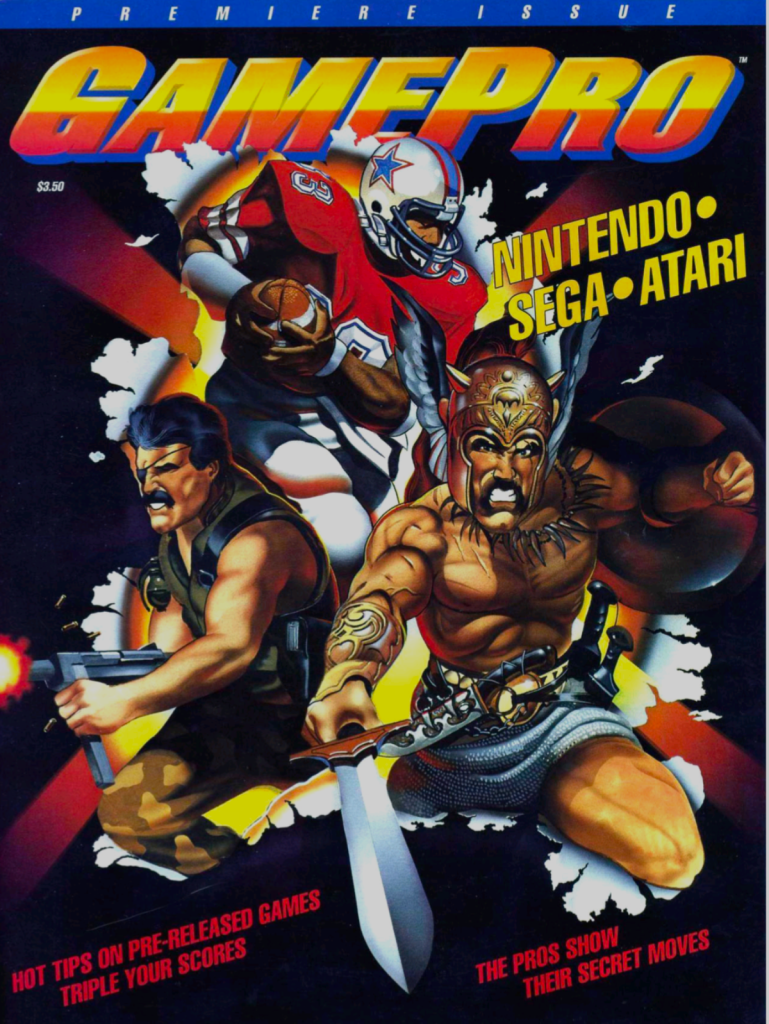
However the realities of launching a print magazine quickly set in. Despite the successful publication of its very first issue in May 1989, SuperPlay Inc. found itself facing significant cashflow challenges. The costs of production distribution and marketing for a national publication were immense, threatening to derail their ambitious project before it truly took flight.
This financial tightrope walk necessitated a crucial strategic pivot the search for a major publisher who could provide the capital and infrastructure needed to sustain growth.
GamePro’s Big Break
The lifeline arrived in 1989 shortly after GamePro’s debut. The founding team found their crucial partner in the global media giant International Data Group (IDG). Crucially Patrick Ferrell remained at the helm retaining his leadership role as president/CEO of GamePro which was spun off as an independent business unit under IDG.

This arrangement was a stroke of genius, GamePro could now tap into IDG’s vast resources and publishing expertise while largely preserving its original editorial vision and entrepreneurial spirit. The integration into IDG’s impressive portfolio of technology media brands provided a robust platform for GamePro’s expansion transforming a cash-strapped startup into a well-resourced entity poised for global success. This wasn’t just a simple sale, it was a strategic alliance that would define GamePro’s trajectory.
The Neon Style, Puns, and ProTips
GamePro’s first issue dated May 1989 hit newsstands as a bimonthly multi-platform magazine. But the gaming world was moving fast and GamePro was quick to adapt, transitioning to a monthly publication after just three issues.
What truly set GamePro apart was its fearless embrace of fun. While other publications might have opted for more serious tones, GamePro was all about celebrating the joy of gaming. Its kiddie persona—with corny wordplay, energetic layouts, and those instantly recognizable excited-face ratings—spoke directly to its young audience. They understood that gaming was about wonder, excitement, and a little bit of silly magic.
In its earliest days GamePro’s editorial style was a bit different from the kiddie persona it would later embrace. The premiere issues featured longer, more in-depth articles and reviews that surprisingly didn’t even have scores. Content was heavily focused on the NES with some nods to the Sega Master System and the Atari 7800. This initial approach aimed for a more comprehensive, perhaps slightly more mature readership reflecting a time when video game journalism was still finding its footing.
But GamePro quickly found its true calling. To differentiate itself from rivals like EGM, which targeted teenage gamers, GamePro made a brilliant strategic pivot it aimed squarely for a younger audience. This meant a radical shift in style embracing shorter, more digestible articles, a liberal sprinkling of goofy puns and an explosion of cartoony graphics.
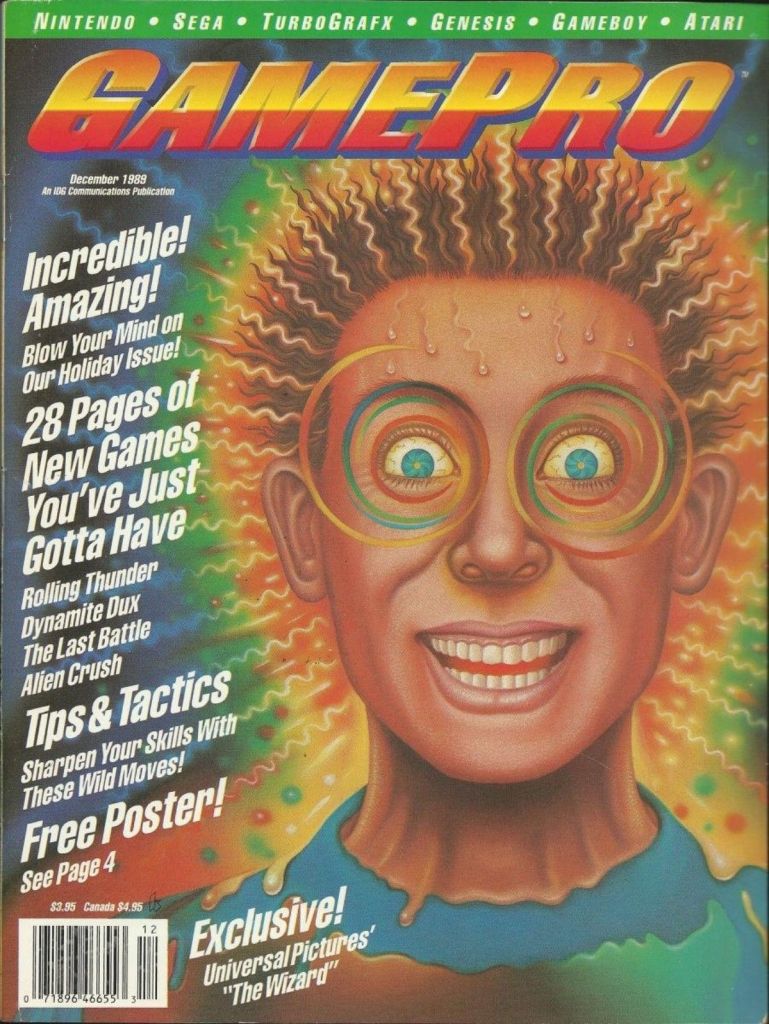
The magazine’s kid-focused editorial voice became its signature consistently delivering corny wordplay and neon splashes in its layouts. It was loud, it was proud and it was undeniably fun.
The magazine also developed iconic sections that became beloved staples. The Pro Tips sprawling across most spreads were a treasure trove of secrets and strategies. Reader engagement was paramount fostered through sections like Inbox for fan letters and Art Attack for reader-submitted artwork with game-related prizes up for grabs.
The Magician Behind GamePro’s Look
Remember flipping through GamePro, those pages practically glowing with color and cool art? Well, you can thank Francis Mao, the artistic wizard who gave the magazine its unforgettable visual identity. Before GamePro, Mao even contributed spot art to Eastman and Laird’s black-and-white Teenage Mutant Ninja Turtles comics in the ’80s! Picture this: It’s 1989, and Francis is just a regular guy who happens to pick up a copy of GamePro bundled with Contra. He sees an art contest, paints something awesome, and though it was “too good for little kids”, his talent snagged him a gig.
Francis wasn’t just drawing, he was building a whole world. Those bright, eye-popping colors, the sprawling original artwork that made every page an adventure, and especially those quirky editor personas? That was all Francis, turning a small staff into a vibrant cast of characters. Throw in Mark Erickson’s super-cool airbrushed covers, and bam! GamePro didn’t just stand out, it practically jumped off the shelf and yelled, “READ ME!” While other mags felt a bit stuffy, GamePro was the life of the party, a neon-soaked, pun-tastic wonderland that truly captured the joy of gaming. By late 1990, with Francis’s iconic editor portraits and that instantly recognizable smiley-face rating system firmly in place, GamePro’s unique style was set in stone, ready to become a cherished part of our gaming past.

And then there was the review system. Initially scoreless, GamePro introduced its instantly recognizable graphical rating system in issue #15, October 1990. This system featuring excited faces and a 1-5 scale provided a straight-to-the-point assessment that resonated deeply with its target audience.
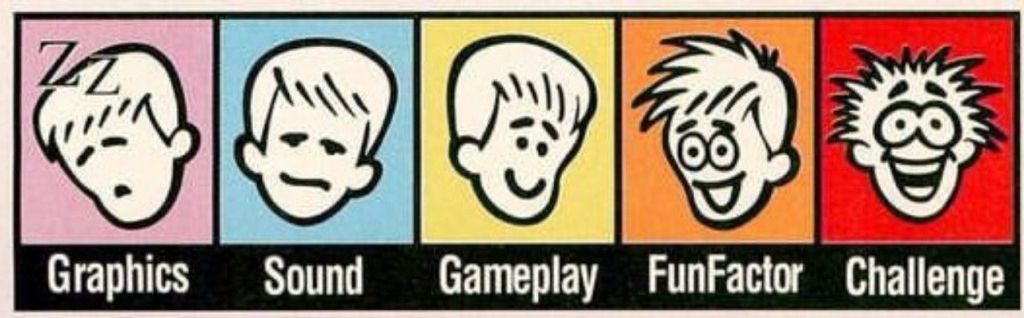
While some hardcore gamers later criticized it for being softballed and exhibiting wide-eyed excitement even for less-than-stellar games this approach was perfectly aligned with the youthful uncritical enthusiasm of the early 1990s gaming scene. It was part of GamePro’s charm, a reflection of a time when every new game felt like a monumental event.
Padding the Team with Avatars
Beyond just fun, GamePro’s distinctive use of cartoon names or avatars for its editors—like Scary Larry, Boba Fatt, and Dan Elektro—served a clever practical purpose. This creative approach wasn’t merely a stylistic choice, it was a deliberate strategy to cultivate the impression of a larger, more diverse editorial team than actually existed. In the nascent days of gaming journalism, resources were often lean, and this ingenious method allowed GamePro to project a vibrant, bustling image, adding to the magazine’s overall playful and accessible persona.
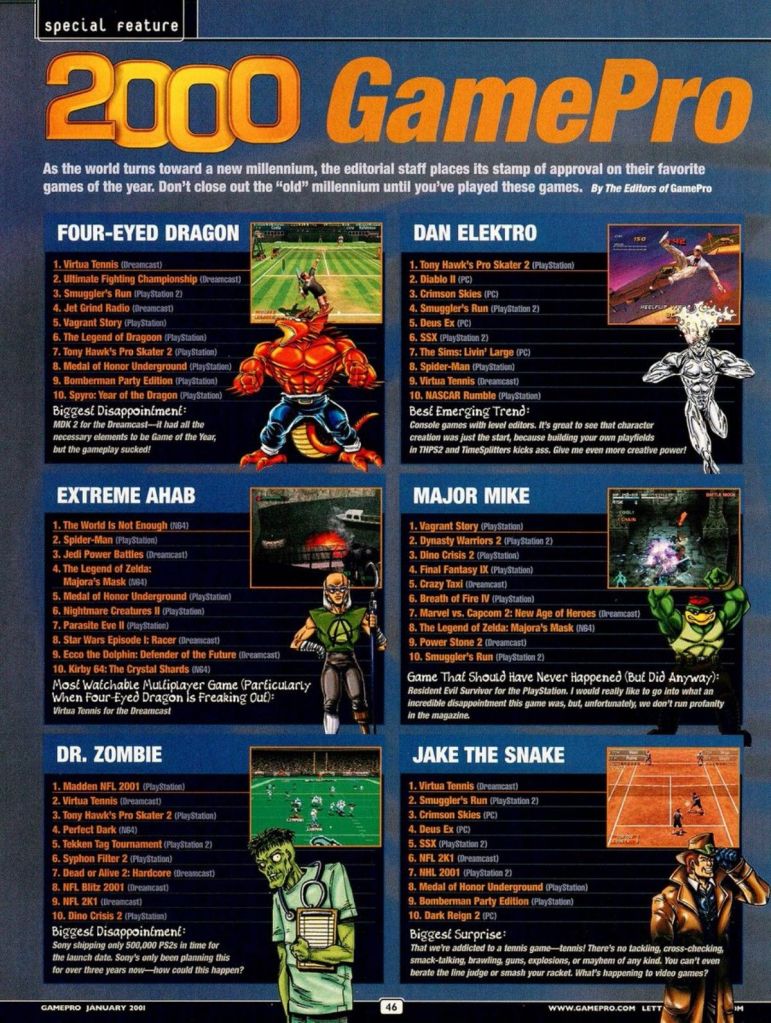
The early talent contributing to GamePro’s pages were often remarkably young whose primary motivation wasn’t a hefty salary but the irresistible lure of free games. This informal, yet passionate, dynamic characterized much of early game journalism, where enthusiasm for the medium often trumped traditional professional structures. GamePro’s unique environment fostered a raw, authentic voice that resonated deeply with their youthful audience, creating content that felt genuinely written by fellow gamers.
This passion-driven, somewhat unconventional approach laid the groundwork for what would gradually evolve into a more professionalized field over the subsequent decade. GamePro, through its innovative use of avatars and its embrace of a burgeoning talent pool, played a significant role in shaping the landscape of video game media. It demonstrated that a genuine connection with the audience, built on shared excitement and a touch of playful deception, could be a powerful recipe for success in the rapidly expanding world of interactive entertainment.
A Legacy of Fun
GamePro wasn’t just ink on paper, it was a ProTip-packed portal to our gaming dreams. From its humble beginnings in Bay Area homes to becoming a global phenomenon, GamePro evolved right alongside us, the kids clamoring for every secret and every score. It legitimized our passion, gave us cartoon avatars to trust, and even paved the way for E3, showing the world that video games weren’t just a fleeting fad. Looking back, GamePro remains a cherished relic, a vibrant reminder of a time when every new game felt like a monumental event, and a magazine filled with goofy puns and excited faces was our ultimate, undeniable guide.
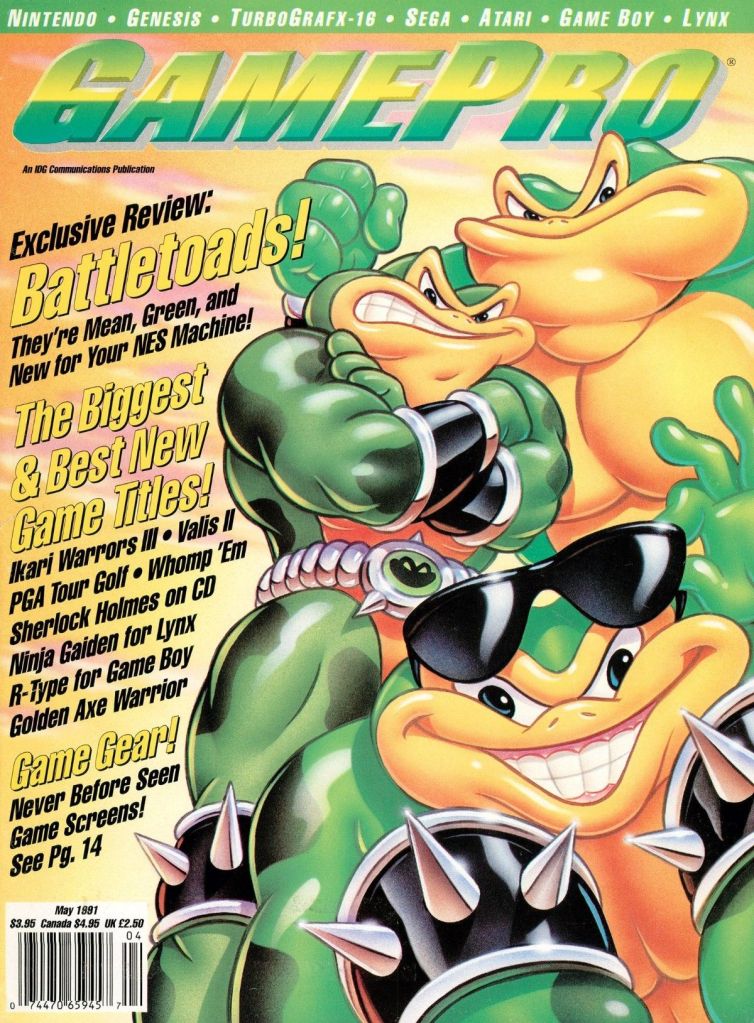
In essence, GamePro wasn’t just reporting on the gaming world, it was a vibrant, active participant in shaping it. It was a masterclass in understanding its audience, adapting to a rapidly changing industry, and delivering content with an infectious enthusiasm that permeated every page. For those of us who grew up with it, GamePro didn’t just tell us about games, it made us feel games. It was a tangible piece of our childhoods, a source of endless anticipation every month, and a testament to the fact that sometimes, the most legitimate and impactful ventures are born from pure, unadulterated fun. Welcome to GamePro!
 PlayZine
Leave a comment