Your Saturday Morning Ritual
The year is 1989. It’s Saturday morning, the sun barely peeking through the curtains, but you’re already wide awake, a big bowl of cereal in hand. You settle onto the carpet, eyes glued to the television. Then, boom! The iconic intro sequence of Teenage Mutant Ninja Turtles blasts through the speakers, immediately pulling you into a 30-minute adventure with your favorite heroes in a half-shell. You watch, captivated, as the iconic animation unfolds.
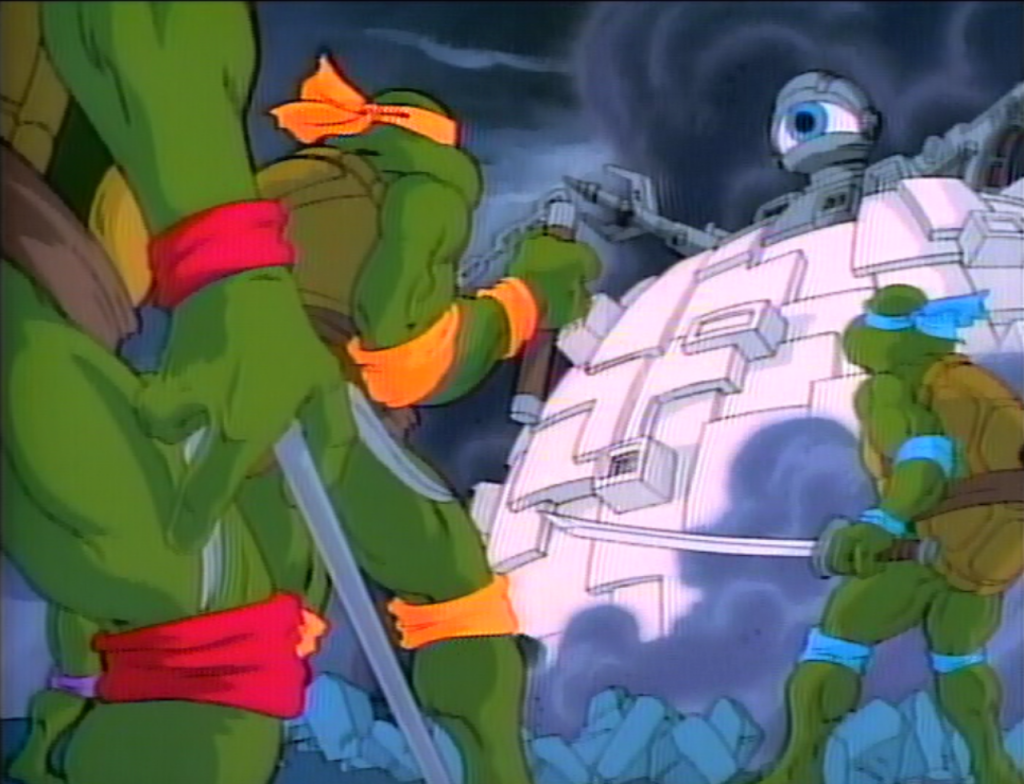
Master Splinter, their wise sensei and adoptive father, guides his four mutant ninja sons. Leonardo leads with his twin katanas, the stoic and disciplined leader. Donatello, the brilliant inventor, wields his trusty bo staff. Michelangelo, the fun-loving free spirit, spins his nunchaku with joyful abandon. And Raphael, the hot-headed rebel, delivers sarcastic remarks and fierce blows with his twin sai. Together, they spring into action, battling the sinister Shredder, the interdimensional warlord Krang, and his bumbling henchmen Bebop and Rocksteady. They save April O’Neil from countless perils, always finding time to gobble down copious amounts of their beloved pizza with gusto.
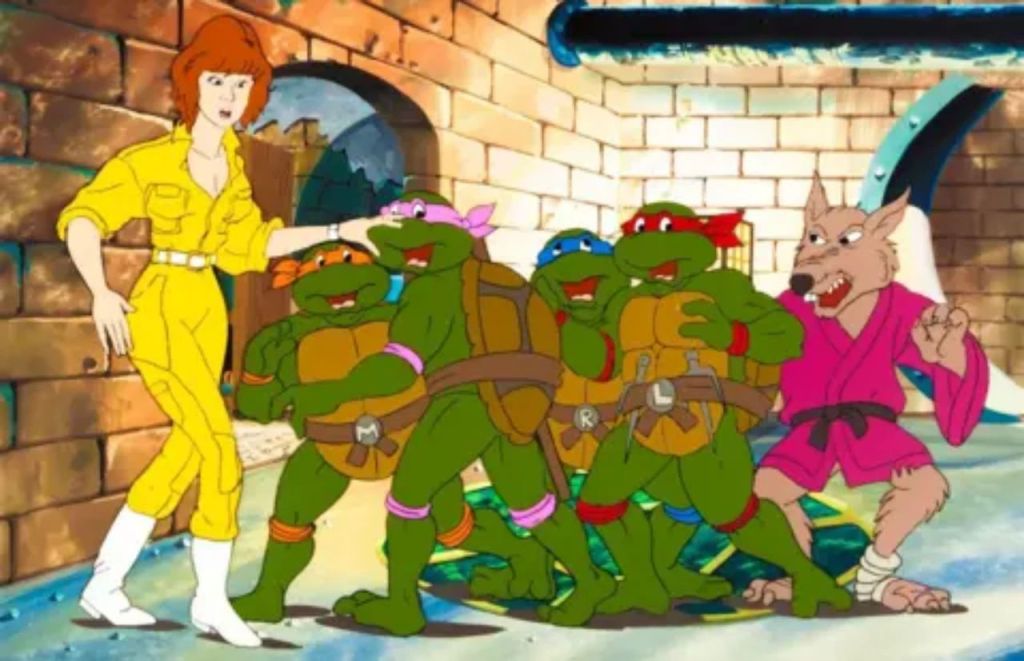
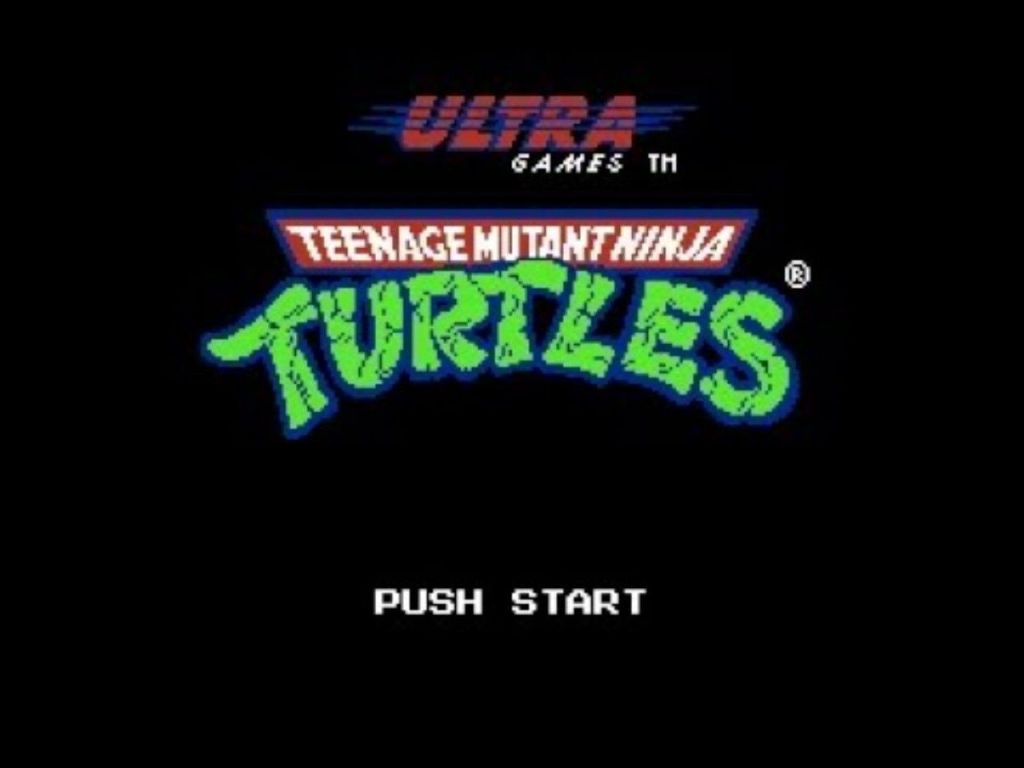
But all too soon, the credits roll, the episode ends, and a familiar craving hits you – the adventure can’t be over! You need more turtle power, more Foot Clan smashing, more sewer exploring. That’s when you turn to your trusty NES, a gray rectangular portal to endless excitement. You grab that familiar gray cartridge, emblazoned with the Teenage Mutant Ninja Turtles logo, slide it into the slot, and with a satisfying click, power on the console. The screen flickers, then bursts to life with an explosion of colorful pixels and, thrillingly, that very same undeniable theme song!
This isn’t just any game, it’s a direct continuation of the excitement, an epic quest that thrusts you right into the heart of an unfolding crisis.
The nefarious Shredder, alongside his menacing Foot Clan, has unleashed chaos. The lovely April O’Neil has been kidnapped, and, to make matters worse, Master Splinter has also fallen into their clutches, held captive in a perilous hideout. Your mission is clear: guide Leonardo, Michelangelo, Donatello, and Raphael through the treacherous streets, murky sewers, and menacing rooftops of a city under siege to rescue your friends and, ultimately, put an end to the Foot Clan’s wicked schemes.

From Gritty Comic to Cartoon Phenomenon
To truly appreciate the ambitious undertaking that was the NES TMNT game, it’s essential to understand the incredible journey our heroes in a half-shell took to reach that pixelated screen. The Teenage Mutant Ninja Turtles didn’t begin as the Saturday morning cartoon icons many of us remember. Their true genesis was far grittier, born from the independent and creative minds of Kevin Eastman and Peter Laird in 1983.
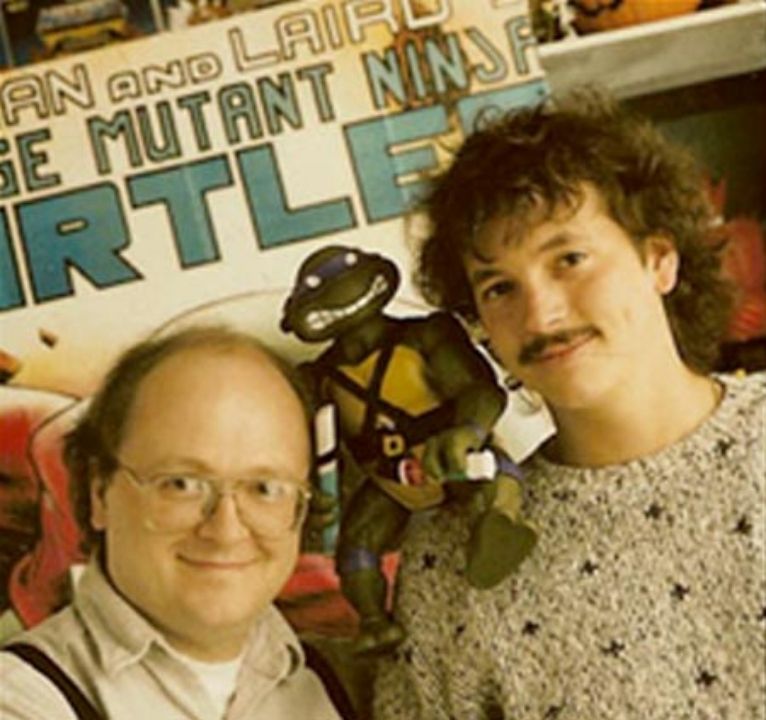
Their initial concept was a playful yet edgy parody of the popular superhero comics of the era, fusing the teenagers from New Teen Titans, the mutants of Uncanny X-Men, and the ninja skills of Daredevil, all wrapped up with the humorous tradition of funny animals akin to Howard the Duck. What started as a whimsical sketch by Eastman—a masked turtle armed with nunchucks—quickly blossomed into a fully-fledged comic book idea.

Born from their disillusionment after rejections from major publishers like Marvel and DC Eastman and Laird self published their first issue in March 1984. The original black-and-white comic was gritty, raw, and unpolished, a stark contrast to the mainstream offerings, featuring a fearless writing style. This independent spirit resonated immediately. All 3,000 copies of that initial print run sold out within a few weeks. This grassroots phenomenon quickly led to further printings, with the second run selling 6,000 copies and the third, 36,000, signaling a rapid escalation in demand.
The transition from the gritty, black-and-white independent comic to a vibrant, family-friendly animated series was a strategic masterstroke. Influenced by the success of toy lines promoted by cartoons like G.I. Joe, He-Man, and Transformers, Playmates Toys worked with Murakami-Wolf-Swenson to produce the first Teenage Mutant Ninja Turtles animated series, which premiered in 1987. This animated series adopted a significantly lighter, more comedic tone to ensure it was acceptable to parents and television networks. Violence was reduced, expletives were removed, and villains were made less threatening.
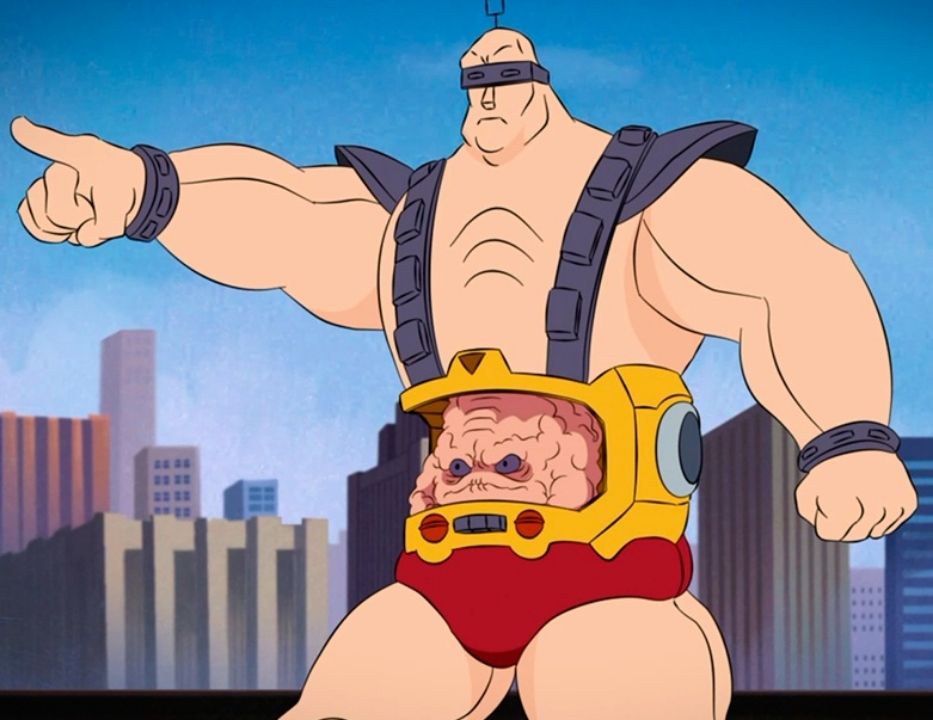
This strategic pivot successfully broadened the target audience from older teens and young adults to a vast audience of young children, making the Turtles household names. The cartoon introduced several iconic elements that became deeply ingrained in the public’s perception of the Turtles: their distinct color-coded masks (in the comics, they all wore red), memorable catchphrases, their now-famous love of pizza, and more pronounced individual personalities. Characters like Bebop, Rocksteady, and Krang were also introduced or popularized by the cartoon.
Konami’s Snags the Heroes in a Half Shell
As Turtlemania was just beginning to stir, but before it truly exploded into the widespread phenomenon we remember, video game companies naturally sought to capitalize on the burgeoning franchise. Konami, a Japanese company that had already found tremendous success with licensed games like Top Gun, was actively looking for new action and adventure properties to adapt. Konami played it incredibly smart by acquired the license for the Teenage Mutant Ninja Turtles franchise in late 1987, which was the same time the animated series first began airing its initial, limited pilot episodes.

This was a remarkably early acquisition, at this stage, the TMNT toys and the full animated series, which would truly propel Turtlemania into the mass market, had not yet fully launched. While many companies might have waited to see if the cartoon and toys became certified hits, Konami made a bold gamble on the Turtles’ raw potential when the brand was still largely unknown. It was a power play of foresight that cemented Konami’s place as the definitive TMNT video game publisher for years to come.
More Than Just a Beat-‘Em-Up
The first Teenage Mutant Ninja Turtles NES game arrived in North America in June 1989, making its grand debut under the Ultra Games imprint (Konami’s clever workaround for Nintendo’s strict game-release limits). Unlike many licensed games that simply rehashed a typical beat-’em-up formula, Konami aimed for something truly different, seeking to leverage the Turtles’ inherent teamwork. It uniquely blended overworld exploration with side-scrolling action. You’d begin on a top-down map, controlling Leonardo, with the freedom to explore a small area and choose different locations to enter. This non-linear approach, featuring small sprites and a semi-linearity, bore a strong resemblance to Zelda II: The Adventure of Link.

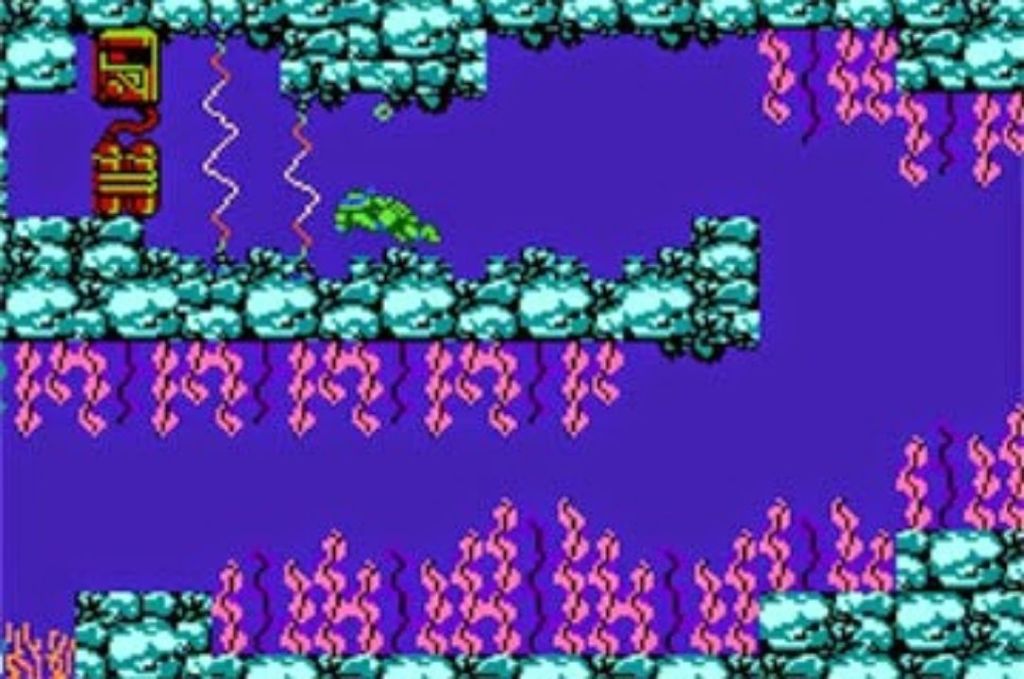
The adventure was packed with varied mission objectives, moving beyond simple linear progression. You’d undertake rescue operations, disarm bombs, and infiltrate enemy strongholds, guiding the Turtles through diverse environments including a bustling city, a large airport, and ultimately, Shredder’s formidable base. One particular stage, infamous among players, was the polluted waters of the Hudson River. This unique and often criticized underwater section required players to rapidly tap the A button to ascend, carefully navigating radioactive seaweed and electric currents without the ability to attack enemies.
The Nostalgia Lives On
Upon its release in June 1989, the NES Teenage Mutant Ninja Turtles game was a significant commercial success, selling approximately four million copies and becoming one of the bestselling NES games. It even won Nintendo Power magazine’s game of the year award in 1989.
So, as you fondly remember or perhaps bravely attempt to re-conquer the NES Teenage Mutant Ninja Turtles, recall the incredible journey that led to its creation – from indie comic to global phenomenon. It stands as a complex, unforgettable artifact in gaming history, a product of a rapidly expanding multimedia franchise and the evolving landscape of 8-bit game development.
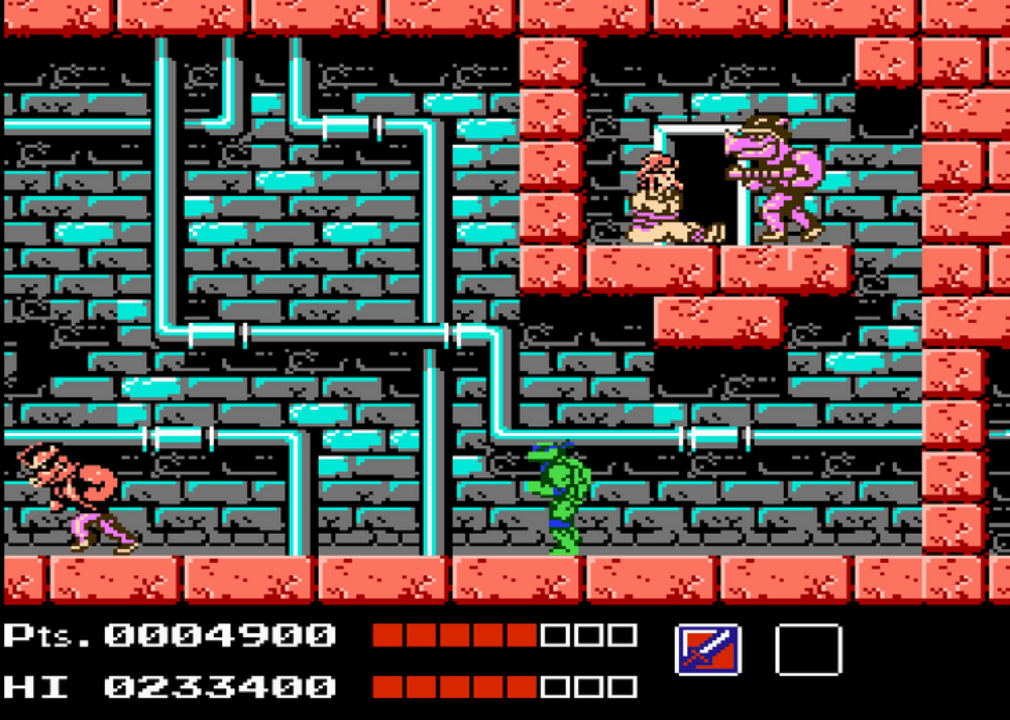
Its ambition was often overshadowed by its infamous, almost legendary, difficulty—a characteristic that led to a deeply divisive reception. Yet, it remains a significant part of the franchise’s interactive legacy, serving as a foundational trial for Konami in adapting a major intellectual property, influencing subsequent, more universally acclaimed TMNT beat-’em-up titles. Its continued presence in modern game collections underscores its enduring, albeit debated, cultural relevance. It reminds us that even frustrating games can become cherished memories, forever etched in the annals of video game lore. Cowabunga, dudes!

 PlayZine
Leave a comment