The Aftershocks of a Pivotal Year: Setting the 1989 Stage
1988 hadn’t just been another year, it was, by all accounts, a pivotal one for video and computer gaming. The mighty NES had firmly cemented its reign in North America, its grey box a ubiquitous fixture in living rooms from coast to coast. Its jingles were the anthems of a generation. Simultaneously, the software scene for IBM and compatible computers was exploding, proving that gaming wasn’t just for consoles. Arcades, those glorious, dimly lit cathedrals of coin-op challenge, were evolving too, with simulators that aimed to reproduce real-life thrills, making us feel like Maverick in Top Gun, all with the simple wiggle of a joystick and a slam of a button.
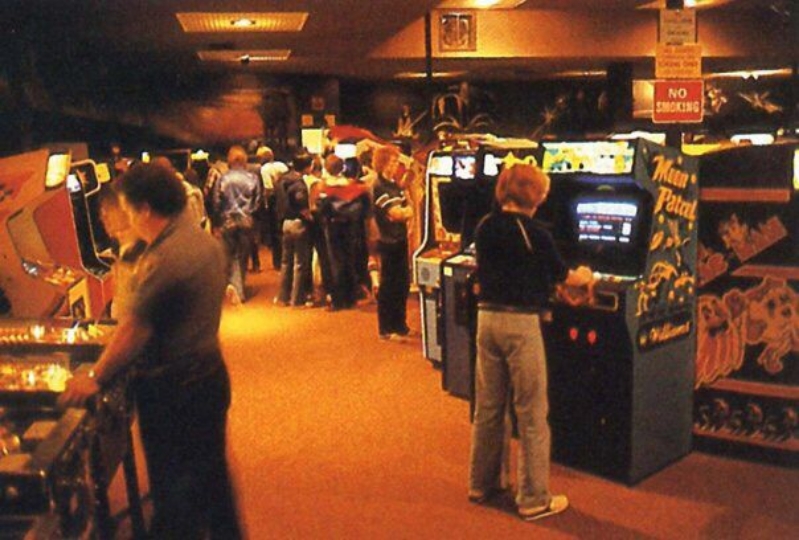
Yet, as May 1989 rolled around, there was a curious dichotomy in the air. With all the growth and excitement, some onlookers – perhaps the uninitiated or the overly cautious – might have started to wonder if electronic gaming was approaching its zenith. Surely, they might have thought, these graphics can’t get that much better? This imagination, these stories… have we reached the upper limits of technology and creativity? But, how wrong they were! Those of us reading this now, with our gigahertz processors and photorealistic ray-tracing, can’t help but laugh. The limits of 1989 were merely the foothills of a Himalayan mountain range of innovation that was about to be summited.
The talk of next-generation consoles was no longer just fantasy. Sega, always the plucky challenger to Nintendo’s throne, had already unleashed its 16-bit powerhouse, the Mega Drive (soon to be known and loved in North America as the Genesis), in Japan the previous November. Its sleek black design and promise of arcade-quality graphics had gamers drooling. The buzz was palpable – this was a machine that looked and felt like the future.

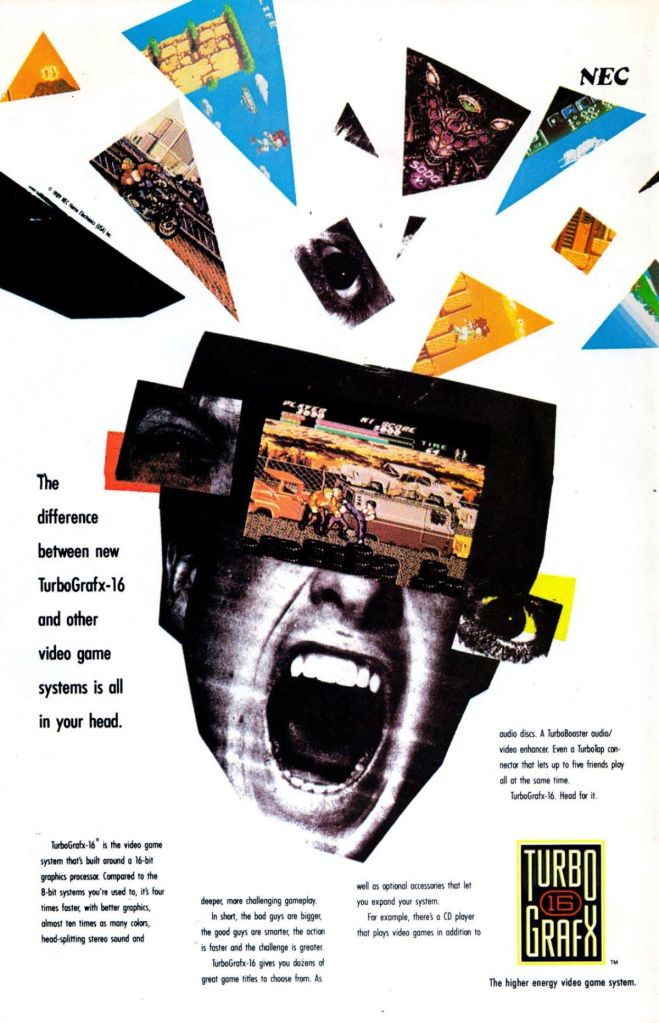
Then there was the NEC PC Engine, a compact marvel that had taken Japan by storm and was slowly making its presence known internationally, often through whispered tales of its impressive capabilities and a library of unique titles. While its path to strong Western adoption was still uncertain, its technological prowess was undeniable, adding another exciting contender to the brewing console wars.
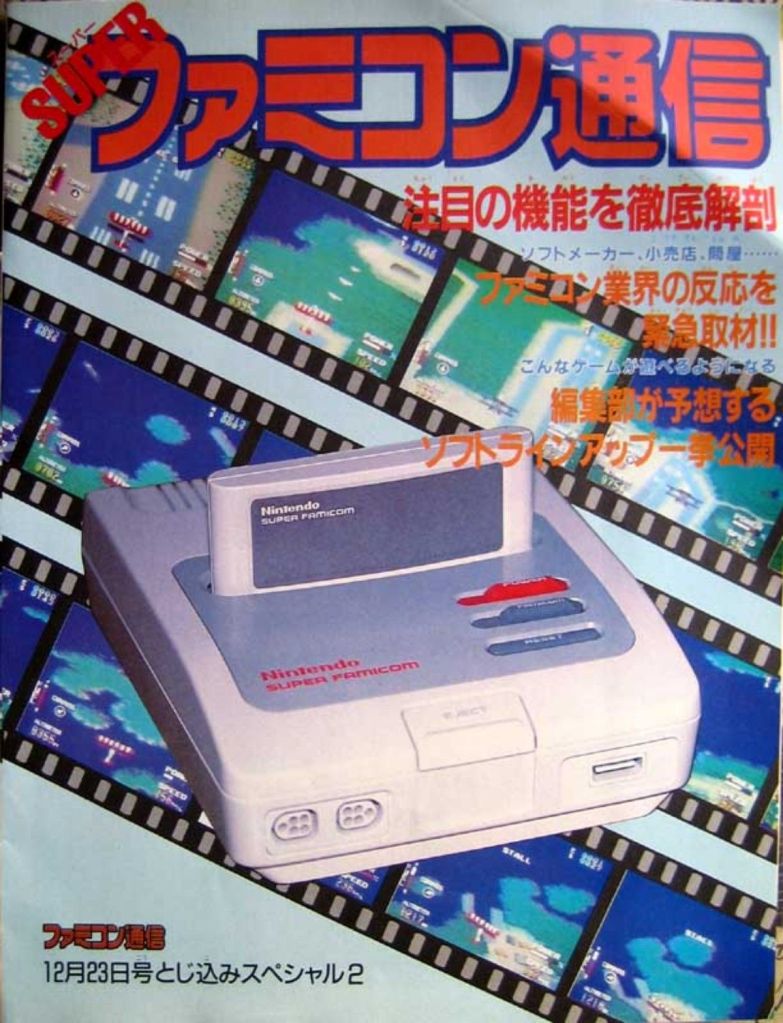
And what of the reigning king, Nintendo? They weren’t resting on their laurels. While the planned March unveiling of their new Super Famicom in Japan had been pushed back, the anticipation was almost unbearable. Everyone knew Nintendo wouldn’t just release another console, they’d release a game-changer. The playground arguments were already starting: “Will it be better than the Genesis?” “What kind of games will it have?” The potential was limitless.
But the innovation wasn’t just confined to living room behemoths. The wind carried rumors of a new emphasis on handheld gaming. And leading this charge, if whispers were to be believed, was Nintendo itself. Talk of a mid-range cartridge system, boasting a revolutionary 2-inch LCD screen and a library of diverse games, was circulating. Little did we know then, as we clutched our bulky Game & Watch units, that this rumor was the embryonic form of the Game Boy – a device that would not just redefine handheld gaming but become a cultural icon, selling over a hundred million units and ensuring that Tetris blocks fell in our dreams for decades to come.
The Game Plan: What the Big Zines Were Promising
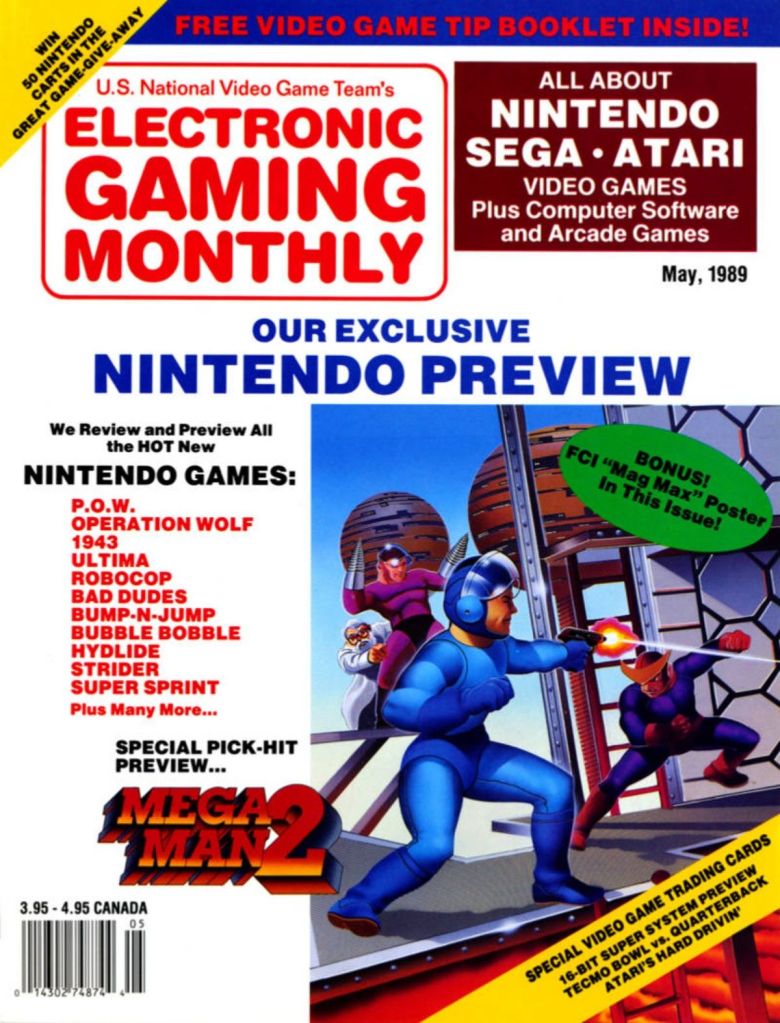
In this electrifying atmosphere, gaming magazines were our sacred texts, our guides through the digital frontier. Two prominent voices emerged in May 1989 with distinct philosophies, Electronic Gaming Monthly and GamePro.
EGM’s mission was to keep gamers on the pulse of the industry, detailing the hottest new developments, offering candid reviews (both good and bad, a crucial element for building trust!), and providing keen insight into what the future might hold. They understood the hunger for information, the desire to know what was next, and positioned themselves as the reliable source for just that.
GamePro, bursting onto the scene with a flashy, energetic vibe, declared itself a “blockbuster new magazine built from the ground up just for you, the video game player.” Their philosophy was clear: give gamers what they really wanted. This meant not just news from the US, but also the exciting developments from Japan, Europe, and beyond. They promised to show you what it’s all about with some of the most exciting, hottest, and eyepopping graphics and photos to come along in the history of the industry. Forget dry, opinionated essays, GamePro was about shorter stories, incredible screenshots, vivid descriptions, and actionable strategies for the games hitting the market. They wanted to be the player’s ultimate companion, a vibrant celebration of gaming culture.

May ’89 Mayhem: Pixels, Power-Ups, and P-Wings!
And then there were the games of May! Forget just new magazines and consoles on the horizon, what truly mattered were the cartridges we were going to slam into our beloved 8-bit machines. May ’89 wasn’t necessarily about earth-shattering epics, but it dished out a rad variety pack of pixelated adventures that kept us glued to our TVs, joystick in hand, blissfully unaware of how wild the gaming world was about to get.
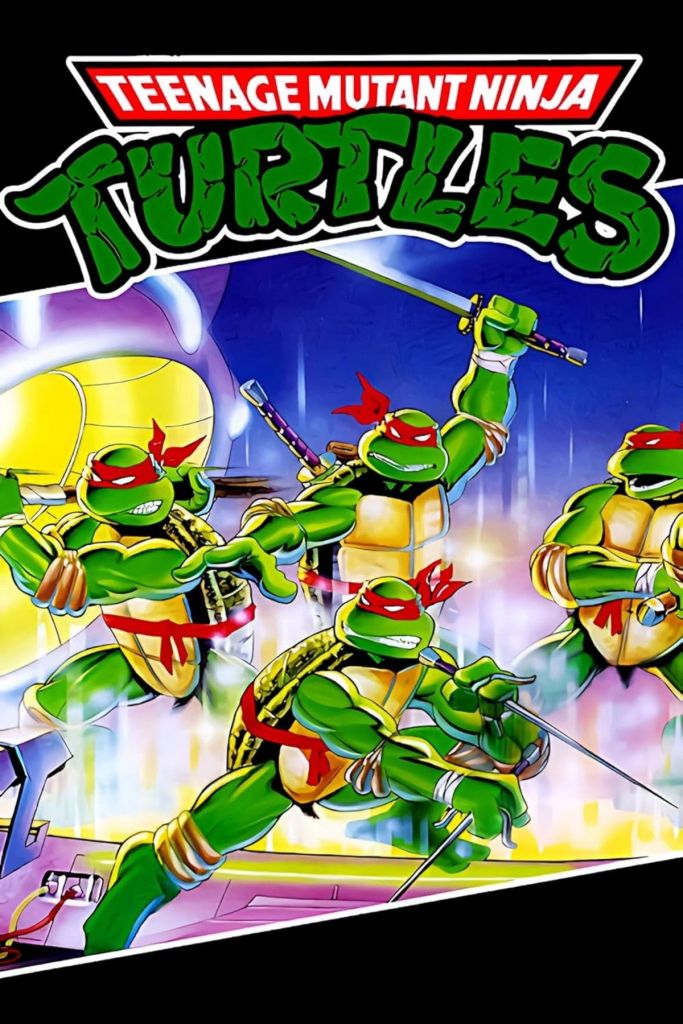
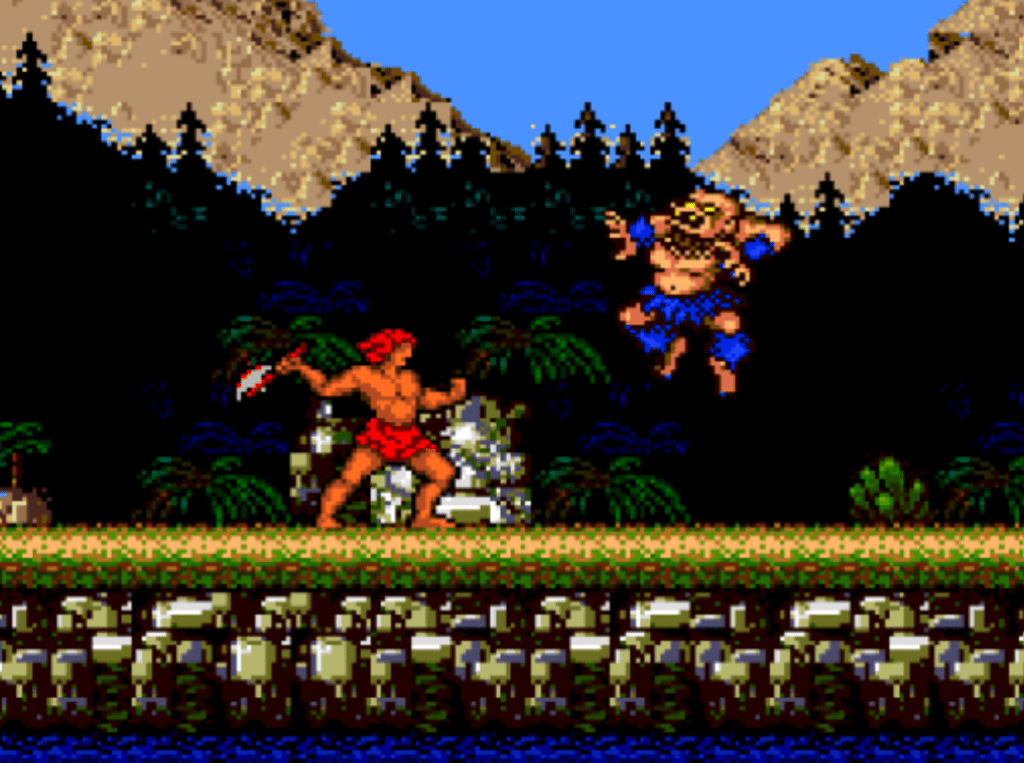
Remember begging your parents for Teenage Mutant Ninja Turtles on NES? So hard, but oh-so-cowabunga with those heroes in a half-shell! Then there was Konami’s The Adventures of Bayou Billy – endangering controllers everywhere thanks to that bayou brawler’s insane difficulty? Life Force, that awesome Gradius spin-off, had us blasting through creepy alien guts in our starships. Capcom’s 1943: The Battle of Midway brought arcade dogfights to our living rooms, making us feel like top gun pilots. And Sega Master System fans weren’t left out, with the sprawling fantasy of Ultima: Exodus offering a deep RPG dive, while Rastan let us unleash our inner barbarian in some classic hack-and-slash action!
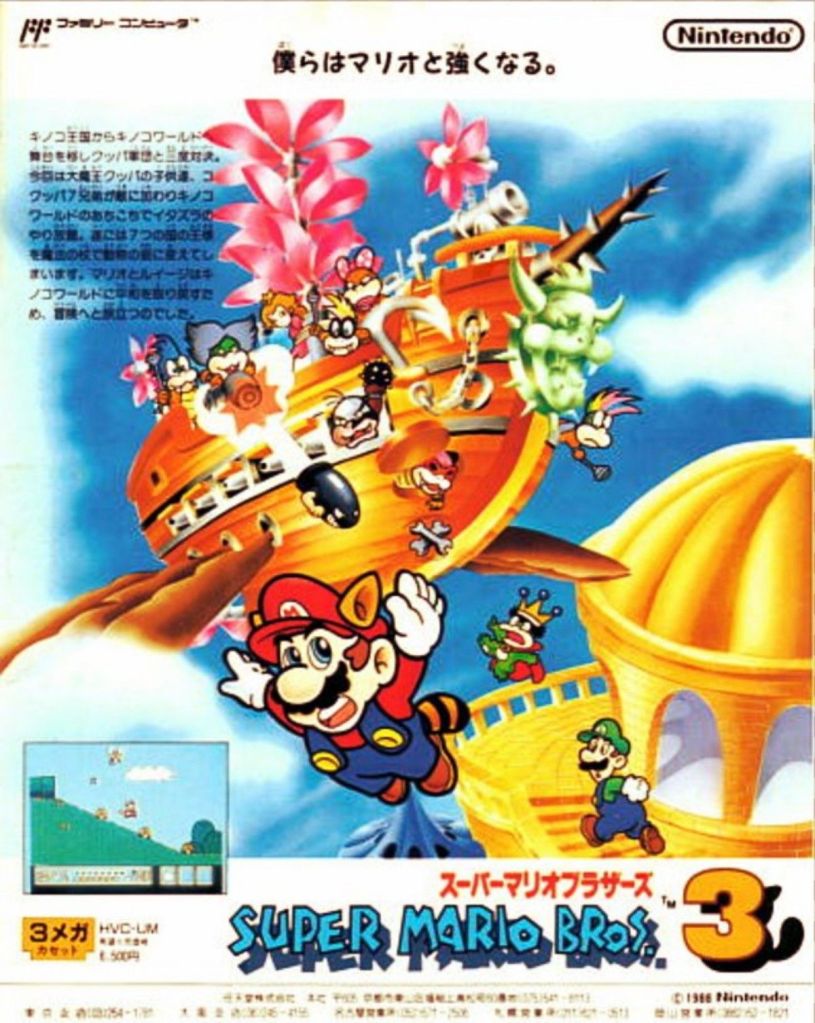
But hold onto your power gloves, because the real buzz in May ’89 wasn’t just what we were playing, but what we were dreaming of playing. The first whispers and blurry magazine screenshots of Super Mario Bros. 3 started appearing! Raccoon Mario? A map screen bigger than anything we’d ever seen? Could it be true?! Every kid on the block was talking about it. The hype train for Mario 3 wasn’t just leaving the station, it was blasting past the Miyamoto moon and heading straight for the warp zone to our living rooms!
The Upcoming Pixelated Playgrounds
As the spring of 1989 blossomed, the world of video games was a place of incredible energy and boundless optimism. The “limits” some perceived were merely launchpads for what was to come. The whispers of 16-bit power, the promise of the Super Famicom, the imminent arrival of the Game Boy, and the sheer quality and variety of software on display meant that the rest of the year was shaping up to be legendary.
The console wars were just heating up, handheld gaming was about to become a global phenomenon, and the creativity of developers was reaching new heights. For those of us who were there, it was a golden age. For those looking back, it’s a testament to how far we’ve come, and a reminder that the core thrill of gaming – that sense of wonder, challenge, and pure, unadulterated fun – is timeless. The shape of things to come in May 1989 was truly exciting, and boy, did it deliver! The rest of the year, and indeed the decade that followed, would change gaming forever.

 PlayZine
Leave a comment