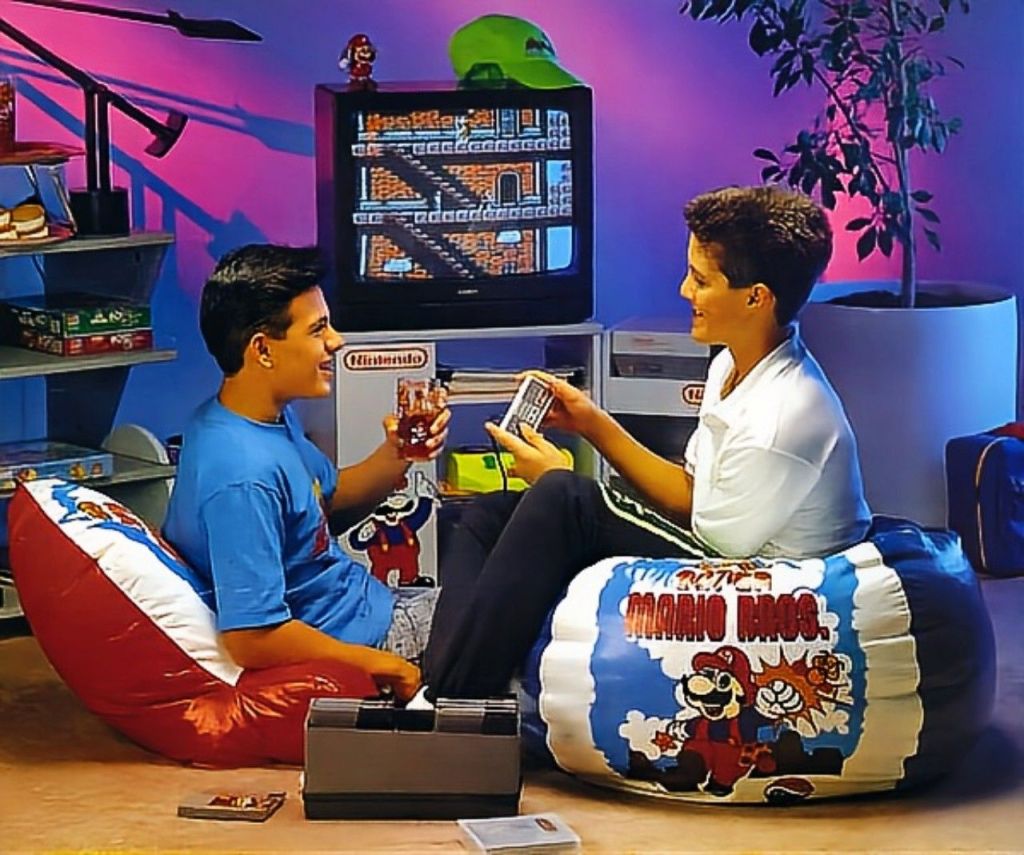
The year is 1989. The video game crash of the early ’80s is a rapidly fading memory, largely thanks to one company: Nintendo. The NES isn’t just a console; it’s a cultural juggernaut, a fixture in living rooms across North America. Its 8-bit adventures have captured the imaginations of millions, establishing household names like Mario, Link, and Samus Aran, and setting the stage for a golden age of gaming. This is Nintendo’s kingdom, and its reign is absolute, with a seemingly endless parade of hit titles captivating a hungry audience.
In these early months of 1989, the gaming media landscape is also on the cusp of a transformation. While Nintendo’s own Nintendo Power magazine is a dominant voice, offering tips and maps, the dedicated multi-platform gaming magazines that would soon become titans, Electronic Gaming Monthly and GamePro, are mere months away from launching their inaugural issues in May. This period, therefore, represents a unique snapshot – a time when we can examine a specific ranking of games that highlighted particular values in game design before a new wave of game journalism arrived to broaden the conversation.
What follows is a journey back to that specific moment, a countdown of 25 notable Nintendo games as they appeared on a “Pros’ Picks” list from an early 1989 poll. This particular list offers a fascinating insight into what qualities—perhaps innovation, depth, or technical achievement—were being celebrated at the time. From groundbreaking adventures to polished arcade conversions, these were titles that stood out in the burgeoning world of interactive entertainment.
25 The Guardian Legend
Brøderbund’s The Guardian Legend was an ambitious hybrid, blending elements of action-adventure, shoot ’em up, and RPG genres. Players controlled the Guardian, a transforming robot/spaceship, on a quest to stop the alien-infested planet Naju from colliding with Earth. Its alternating gameplay styles – vertical scrolling shooter sections for interstellar travel and top-down free-roaming adventure on Naju’s surface – offered a unique and varied experience, showcasing innovative design.

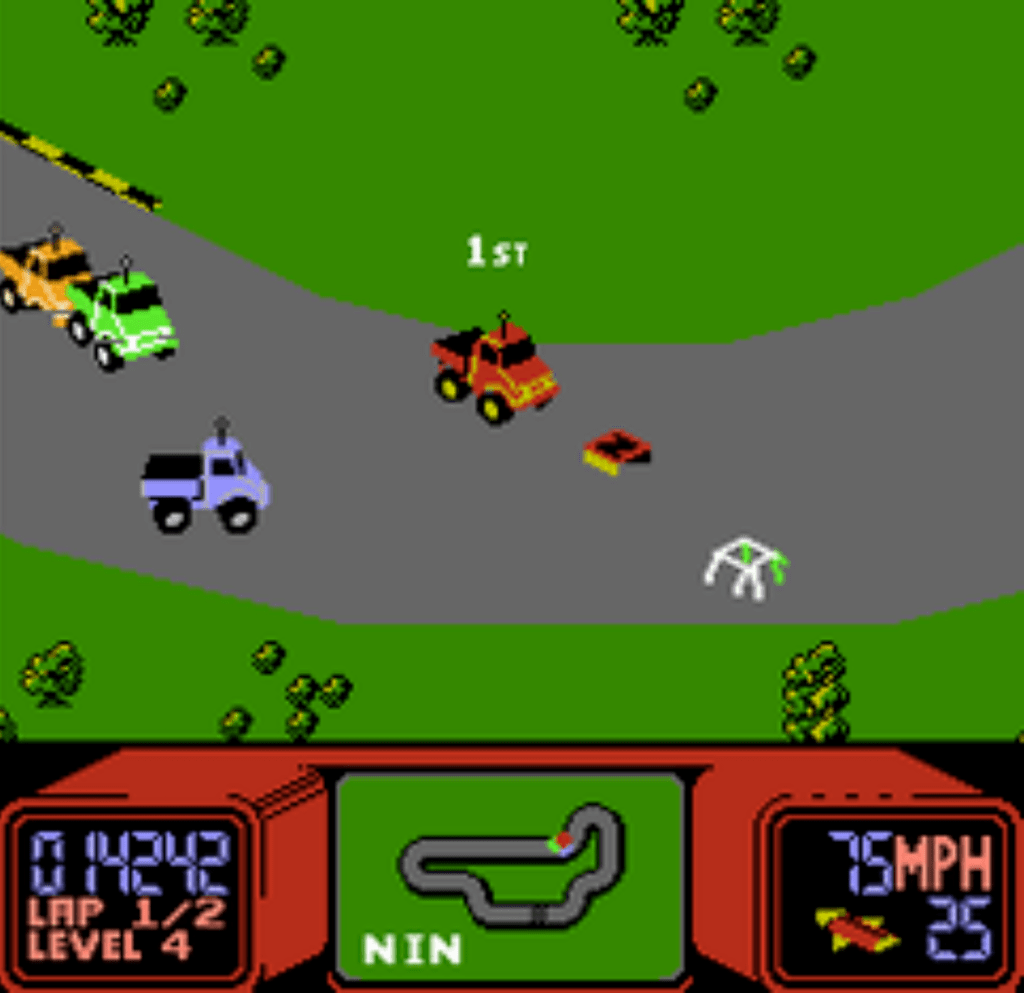
24 R.C. Pro-Am
Rare’s isometric combat racer, R.C. Pro-Am, was notable for its fast-paced, addictive gameplay and technical polish. It featured smooth graphics, responsive controls, and an engaging loop of collecting weapons, upgrading vehicles by nabbing “N-I-N-T-E-N-D-O” letters, and strategically outmaneuvering AI opponents. It was a standout title in the racing genre on the NES, demonstrating strong development prowess.
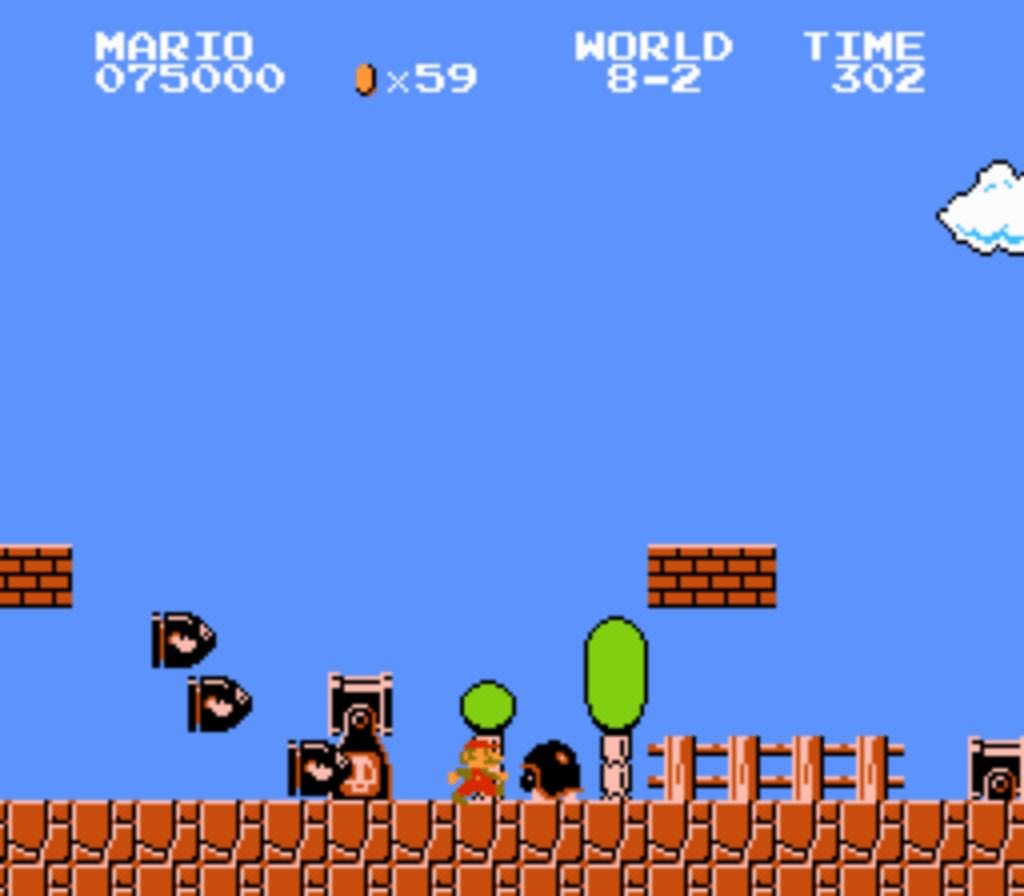
23 Super Mario Bros.
The game that ignited a phenomenon, the original Super Mario Bros., remained a significant title. Its revolutionary game design, perfectly tuned controls, and iconic level structure laid the foundation for platforming excellence. Its immense historical importance and the sheer brilliance of its core mechanics were undeniable, making it an enduring classic that defined a generation of gaming.
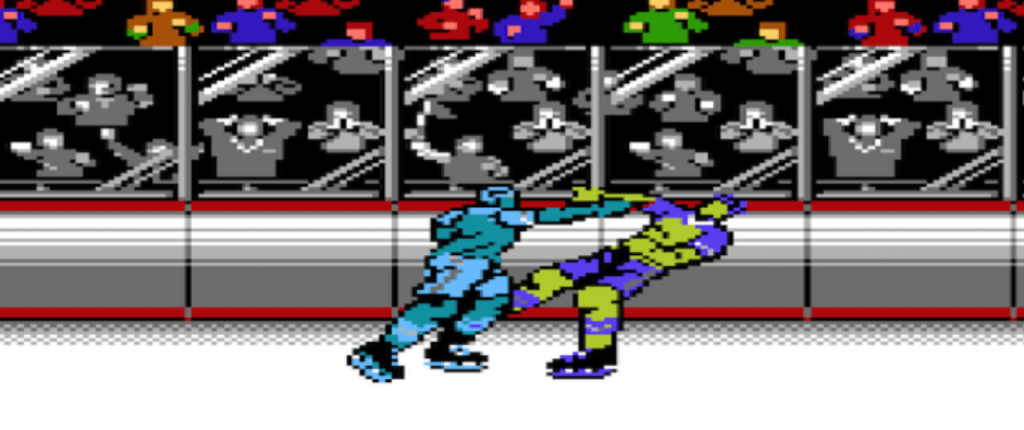
22 Blades of Steel
Konami’s arcade-style hockey game, Blades of Steel, was admired for its fluid animation, exciting presentation, and engaging on-ice action. Unlike more rigid simulations, it featured fast-paced gameplay, memorable voice clips, and the ever-popular fighting mini-game. It delivered an accessible yet thrilling sports experience that effectively captured the speed and aggression of hockey on the 8-bit console.
21 Zanac
A Compile-developed shoot ’em up, Zanac was impressive with its incredibly fast action, dazzling array of weapons, and, most notably, its adaptive AI. The game’s difficulty would dynamically adjust based on the player’s skill and weaponry, creating a constantly evolving challenge. This level of sophistication in enemy behavior, combined with its relentless pace, made it a standout in its genre on the NES.

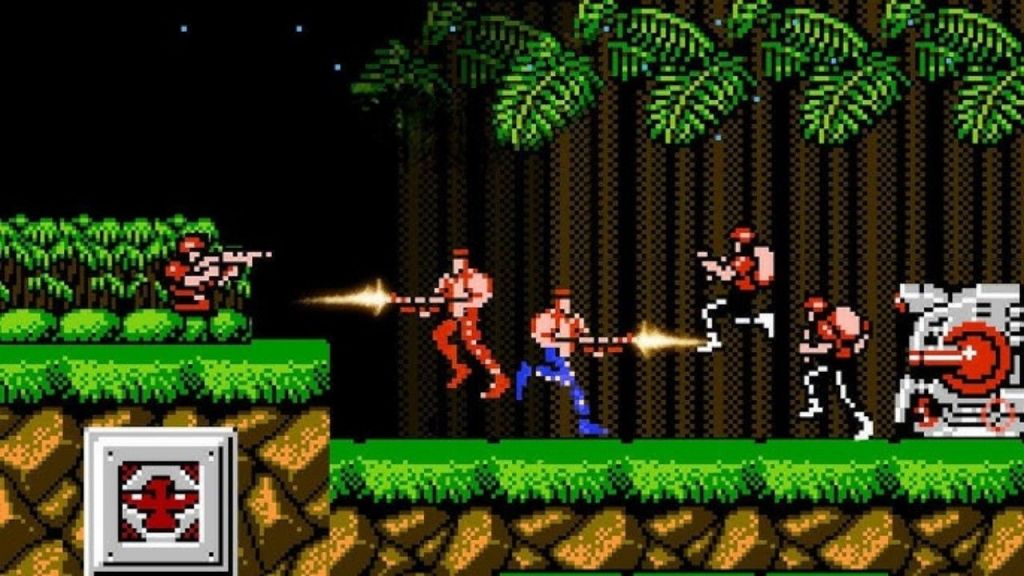
20 Contra
Konami’s Contra was a benchmark for run-and-gun action and an excellent arcade-to-NES conversion. Its intense co-op gameplay, iconic weaponry (especially the Spread Gun), and memorable level design were hallmarks of its quality. It featured tight controls and delivered high-octane thrills that made it a favorite among action enthusiasts.
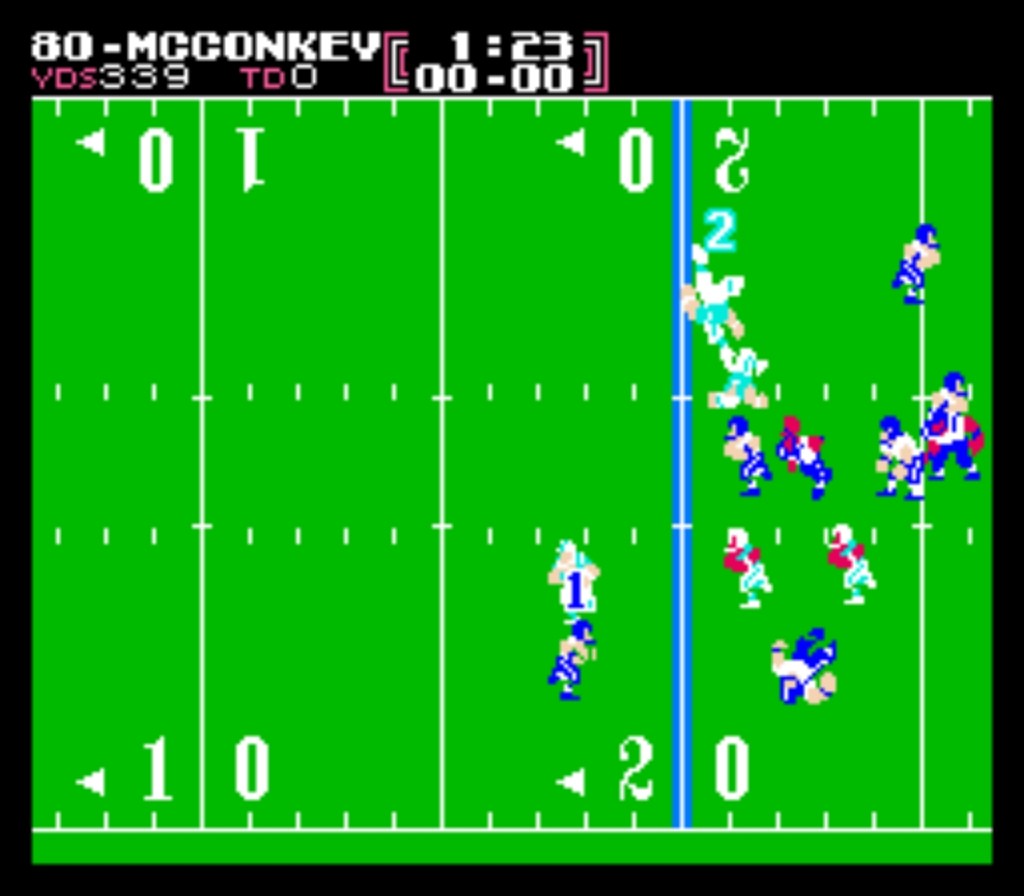
19 Tecmo Bowl
Tecmo’s Tecmo Bowl significantly impacted sports games on the NES with its cinematic cutscenes for key plays and its simplified, yet strategically engaging, gameplay. Using real NFL Players Association members (though not initially team names), it allowed players to pick from a limited set of plays, creating a fast-paced, arcade-like football experience. Its groundbreaking presentation made football accessible and incredibly fun.
18 Golgo 13: Top Secret Episode
Based on the mature-themed manga, Vic Tokai’s Golgo 13: Top Secret Episode presented an ambitious narrative and diverse gameplay, which included side-scrolling, first-person shooting, and maze navigation. Its darker tone and attempt to weave a complex espionage story were unusual for the NES, offering a unique subject matter and varied mechanics.

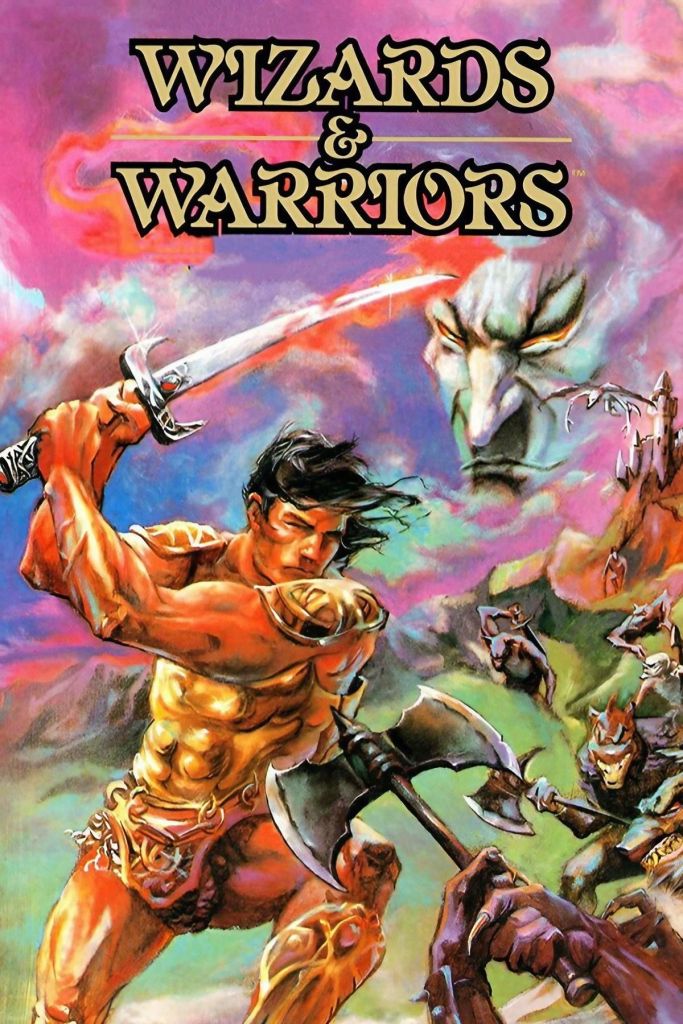
17 Wizards & Warriors
Rare’s Wizards & Warriors featured vibrant graphics, an atmospheric medieval setting, and action-platforming gameplay starring the knight Kuros. The game emphasized exploration within its large levels, collecting gems to bribe guardians and rescuing damsels. Its charming presentation, catchy soundtrack, and blend of combat and platforming challenges made it a notable entry in the NES’s fantasy adventure library.
16 Double Dragon
Technos’ arcade sensation Double Dragon was a foundational title for the beat ’em up genre. Its NES port, despite some compromises, brought the core mechanics of street brawling—utilizing punches, kicks, and special moves against the Black Warriors gang—to home consoles. It had a massive cultural impact and played a key role in popularizing a whole new style of action game.

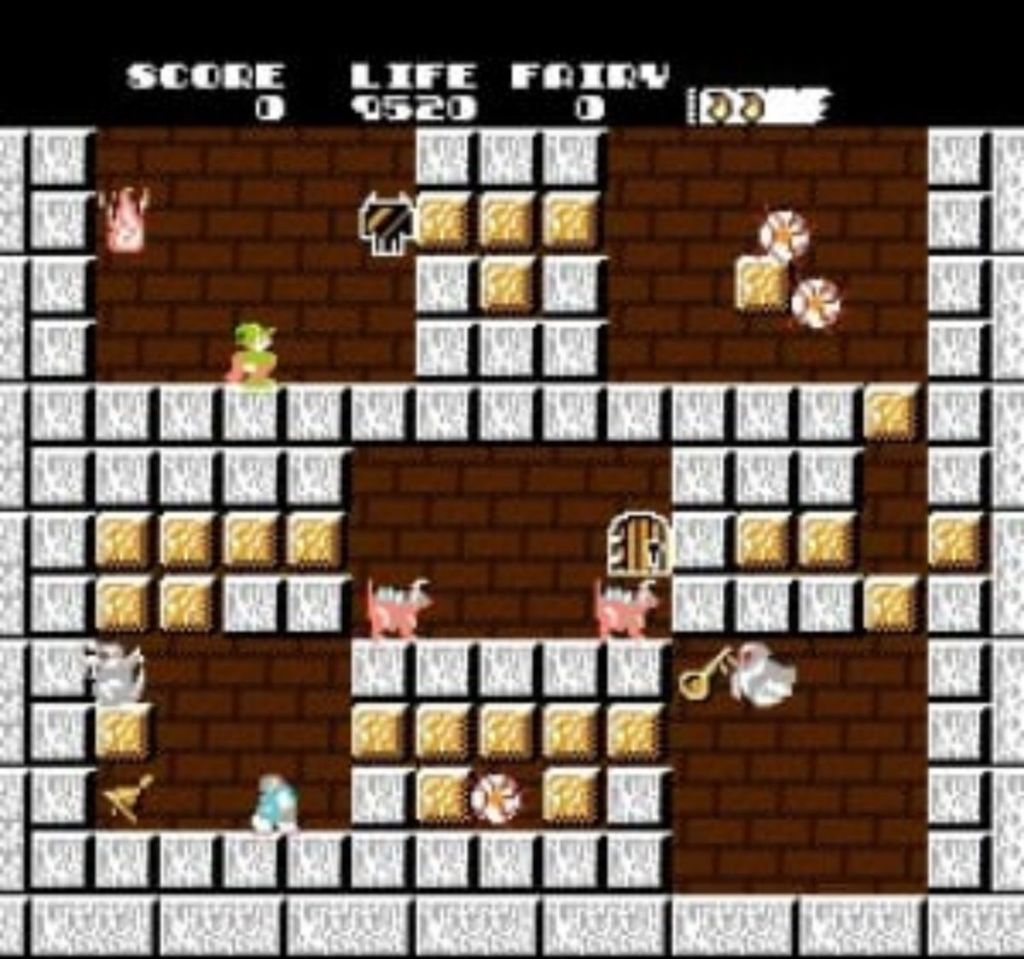
15 Solomon’s Key
Tecmo’s Solomon’s Key was a challenging action-puzzler admired for its intricate level design and unique gameplay mechanics. Players controlled the wizard Dana, who could create and destroy blocks to navigate levels, collect items, and trap enemies, all to find the titular key. Its demand for both quick reflexes and thoughtful strategy made it a deeply rewarding experience.
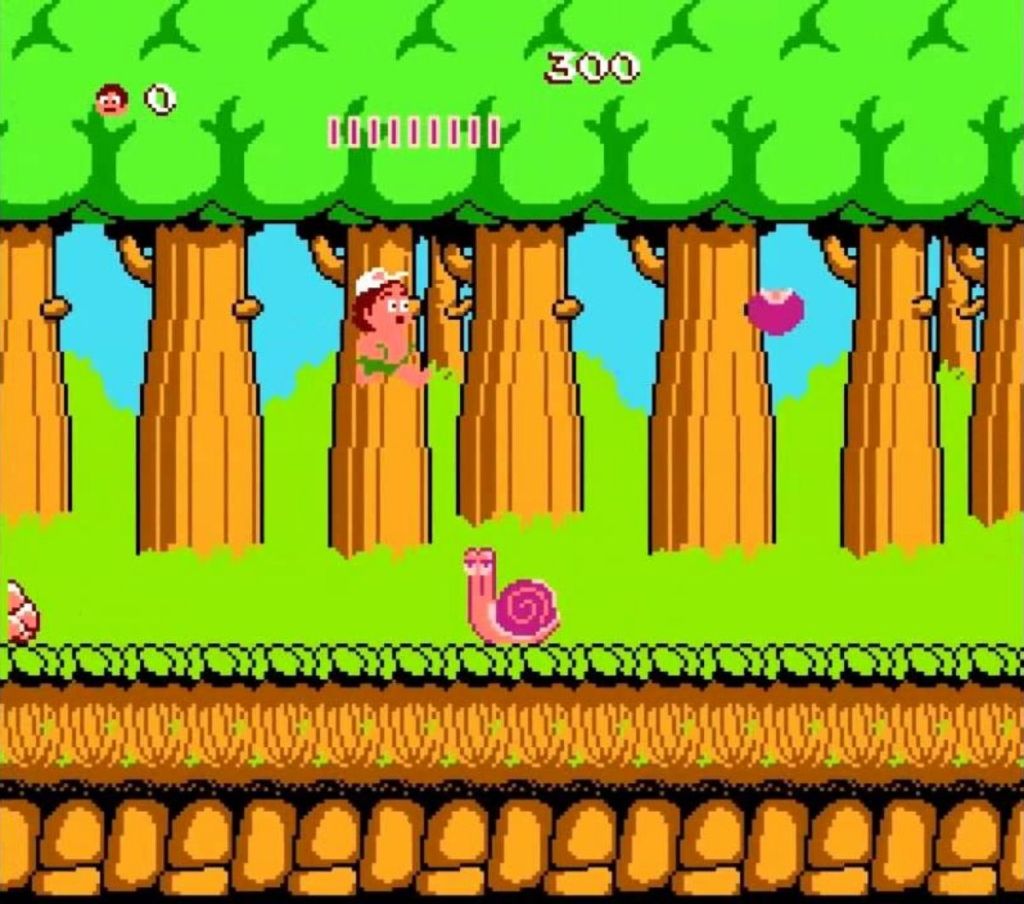
14 Hudson’s Adventure Island
Adapted from Sega’s Wonder Boy, Hudson’s Adventure Island offered fast-paced, straightforward platforming action with a bright presentation and addictive gameplay. As Master Higgins, players ran, jumped, threw axes, and skateboarded through perilous levels, constantly needing to collect fruit to maintain vitality. Its simple yet challenging design and catchy music made it a solid and enjoyable title.
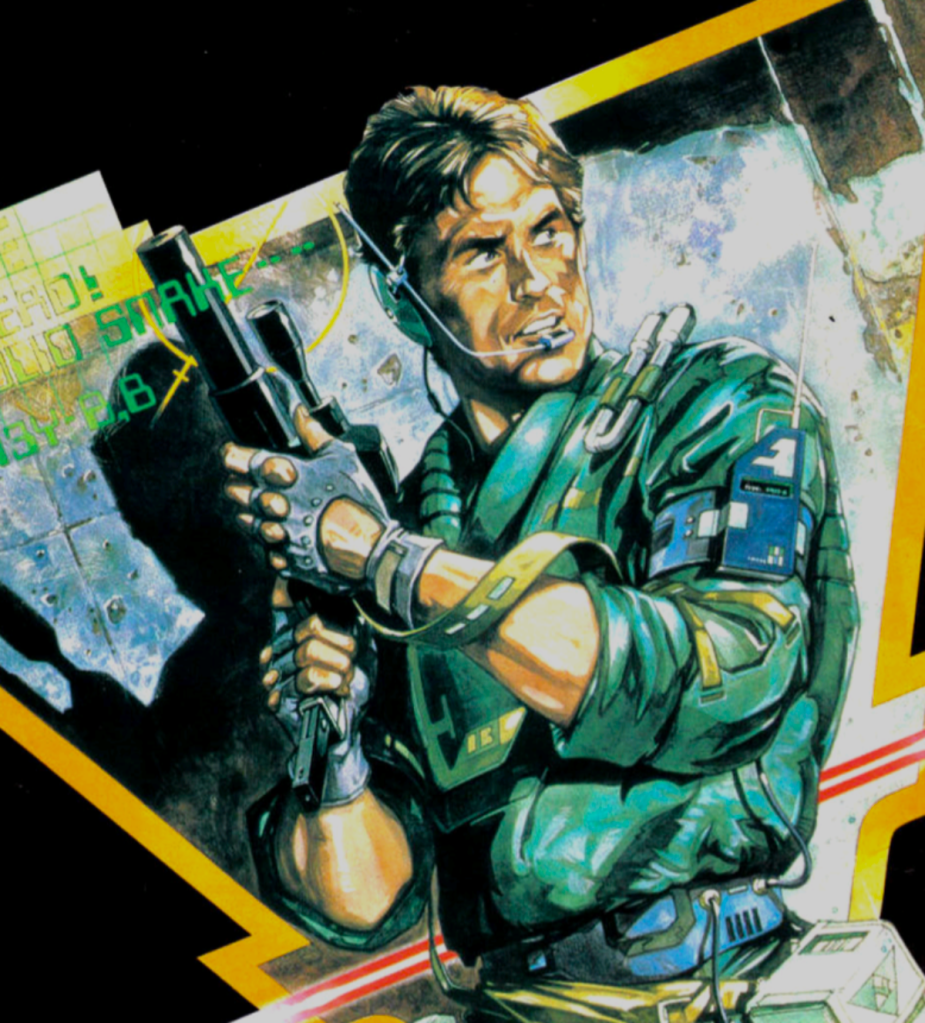
13 Metal Gear
The NES version of Metal Gear introduced many to the concept of stealth-action. The emphasis on infiltration, avoiding guards, and tactical item use over constant combat was a fresh approach. It attempted a more mature storyline and introduced mechanics that encouraged thinking and strategy beyond typical action fare.
12 Castlevania
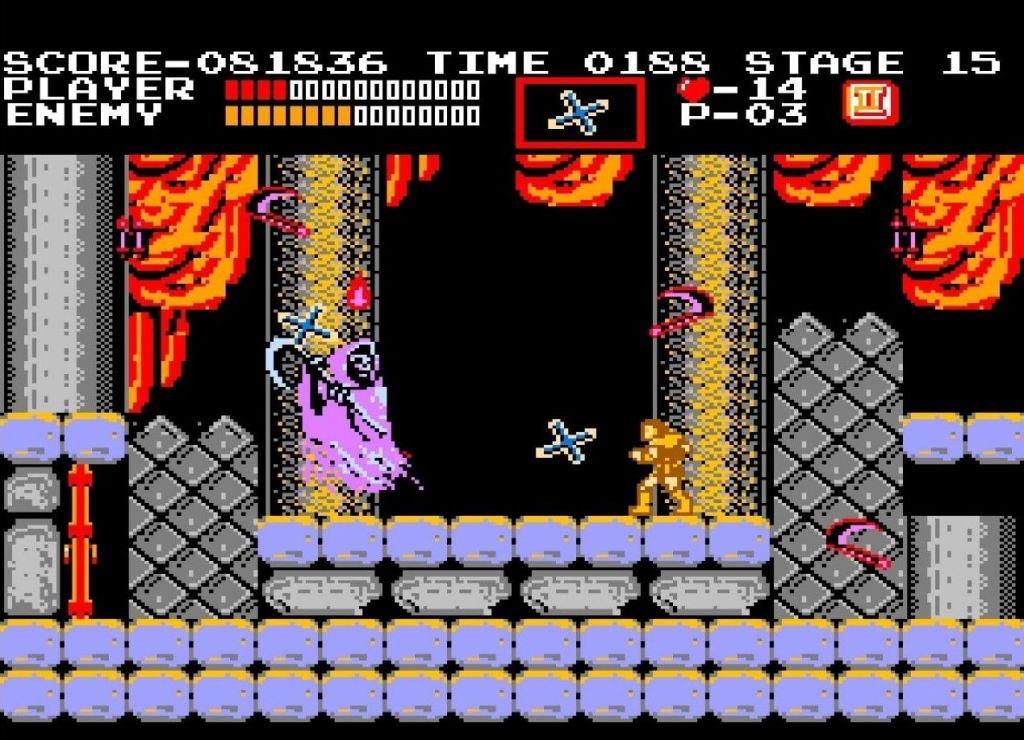
Konami’s original Castlevania established a new standard in atmospheric action-platforming. Its gothic horror setting, meticulous level design, iconic bestiary, and challenging, deliberate combat featuring Simon Belmont and his whip were all hallmarks of quality. Tight gameplay, a memorable soundtrack, and a strong foundation for an enduring franchise characterized this classic.
11 Milon’s Secret Castle
Hudson Soft’s Milon’s Secret Castle presented a unique, if notoriously cryptic, approach to action-adventure. The protagonist Milon’s bubble-blowing mechanic to find hidden doors, items, and shops within a sprawling castle was unconventional. Its puzzle-like exploration and deviation from standard platformer tropes offered a different kind of rewarding experience for those who enjoyed deep, methodical discovery.

10 Blaster Master
Sunsoft’s Blaster Master was an ambitious title with significant technical achievements on the NES. The game masterfully blended side-scrolling vehicular combat and platforming in the versatile SOPHIA THE 3RD tank with top-down, on-foot action sequences when protagonist Jason ventured into dungeons. This seamless integration of different play styles within a large, interconnected, and explorable world was a notable feat.
Blaster Master was lauded not only for its innovative structure but also for its excellent graphics, incredibly catchy and complex soundtrack, and the depth of its gameplay. This involved finding numerous power-ups to enhance SOPHIA and access new areas. Its non-linear progression and challenging boss battles provided a substantial and rewarding adventure that stood out as a high-quality, original IP.

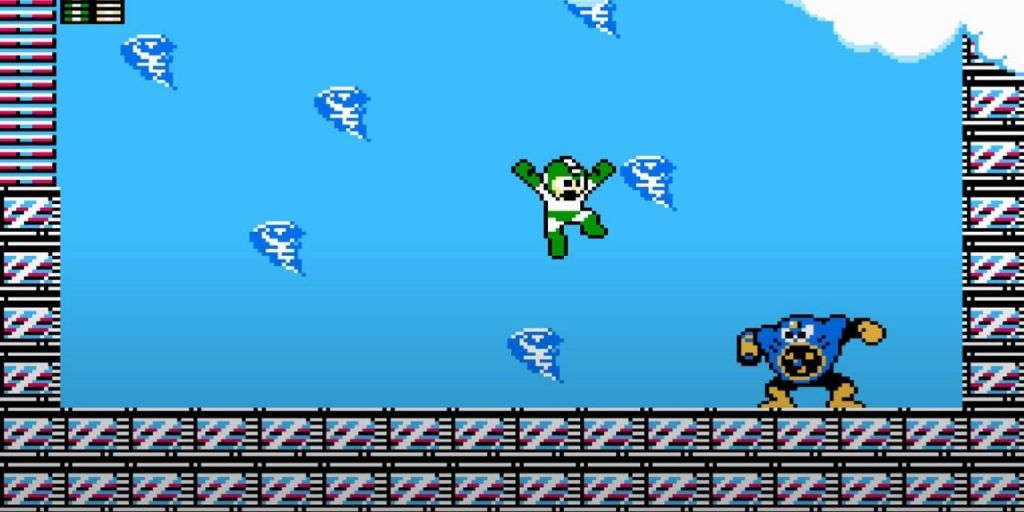
9 Mega Man II
Capcom’s Mega Man II is often considered a pinnacle of the classic Mega Man series and a masterclass in 8-bit game design. It took everything that made the original great and refined it to near perfection: tighter controls, more imaginative Robot Masters and level designs, iconic music, and the welcome additions of E-Tanks and a password system that made its tough challenge more manageable.
There was an exceptional level of polish, balanced difficulty (especially with the choice of Normal and Hard modes), and sheer creativity on display. The ability to acquire and strategically use eight distinct boss weapons provided a satisfying layer of strategy, and the overall package represented a high watermark for action-platformers on the NES.
8 Mike Tyson’s Punch-Out!!
Nintendo’s Mike Tyson’s Punch-Out!! was highly regarded not just for its celebrity endorsement, but for its brilliantly designed puzzle-action gameplay. Far from a simple boxing simulator, it was a game of pattern recognition, timing, and strategic execution. Each opponent in the colorful roster presented a unique set of tells and attack sequences that players had to learn and counter effectively to succeed.
The game featured tight controls, an addictive and highly rewarding gameplay loop, and distinctive character designs and animations. The progression through the WVBA ranks to the ultimate showdown with Mike Tyson provided a compelling challenge. It was a unique title that perfectly blended arcade action with puzzle-solving elements, showcasing Nintendo’s design ingenuity.

7 Bionic Commando
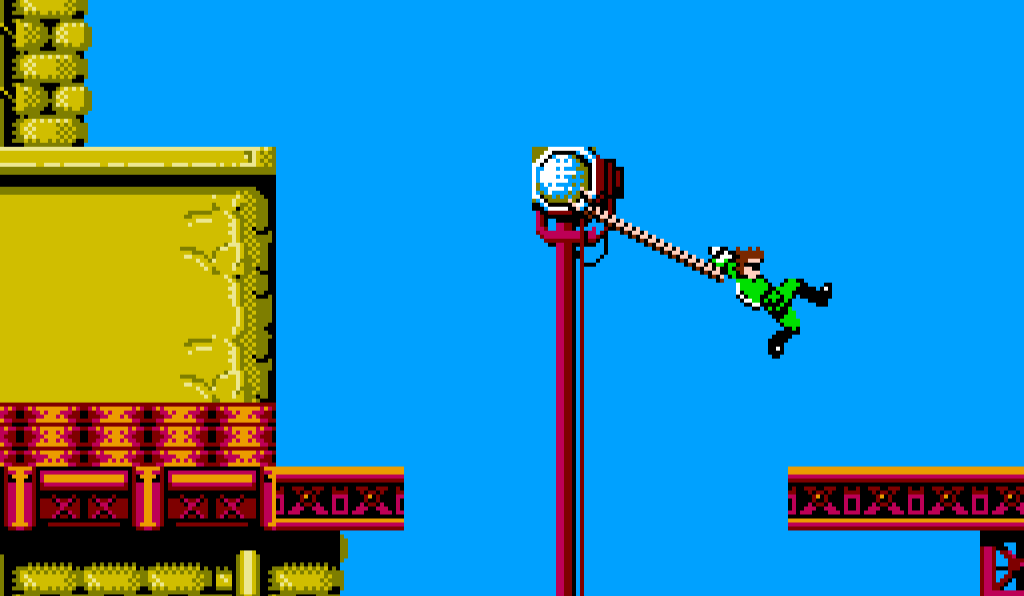
Capcom’s Bionic Commando was notable for its truly innovative core mechanic: the bionic arm. By eschewing a traditional jump button and forcing players to rely on grappling and swinging, it offered a fresh and uniquely challenging take on the action-platformer genre. This central gameplay element was not just a gimmick but a deeply integrated tool for navigation, combat, and puzzle-solving.
Furthermore, its more mature storyline (for its time on the NES) involving espionage and rescuing an operative, along with its non-linear elements like choosing stages on a map and interacting with characters via a communicator, added to its appeal. The combination of a novel traversal system, solid action, and adventure components made Bionic Commando a standout title that showcased creativity and daring design.
6 Metroid
Nintendo’s Metroid was a landmark title respected for its groundbreaking non-linear design and its creation of an unparalleled atmosphere of isolation and exploration on Planet Zebes. As bounty hunter Samus Aran, players delved into a vast, interconnected subterranean world, discovering power-ups that gradually unlocked new areas and abilities—a formula that would inspire an entire genre.
Its open-ended structure encouraged player agency, mapping, and a true sense of discovery. The moody graphics, haunting soundtrack, and the progressive revelation of Samus’s abilities and, ultimately, her identity, were all elements that signaled a sophisticated and thoughtful approach to game design. Metroid was much more than an action game; it was an immersive adventure experience.

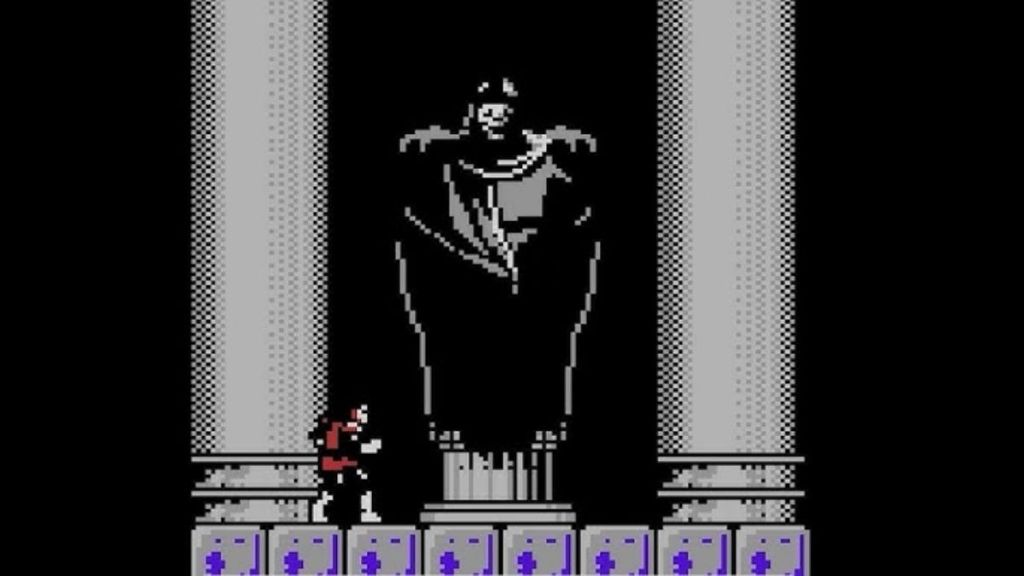
5 Castlevania II: Simon’s Quest
Konami’s Castlevania II: Simon’s Quest stood out for its ambitious attempt to evolve the burgeoning series by incorporating open-world exploration and RPG elements. Simon Belmont’s quest to break Dracula’s curse by finding his scattered remains involved traversing a day/night cycle-affected Transylvania, interacting with villagers for clues, and purchasing upgraded equipment.
While its infamous translation and obtuse puzzles could be frustrating, the innovative spirit was clear. The non-linear structure, the experience point system, and the attempt to create a persistent world with towns and overworld areas were forward-thinking concepts for console games in this era. Its ambition to blend action, adventure, and RPG mechanics was a bold step, pushing the boundaries of what an NES title could be.
4 Mega Man
The original Mega Man from Capcom was a truly revolutionary title in the action-platformer genre. Its most significant innovation was the non-linear stage select screen, granting players the freedom to choose the order in which they tackled the six initial Robot Master stages. This, combined with the brilliant mechanic of acquiring a defeated boss’s unique weapon to exploit another’s weakness, added an unprecedented layer of strategy and replayability.
The game featured tight controls, challenging but fair difficulty, and iconic character design and memorable music. While later entries would refine the formula, the foundational brilliance of the original Mega Man was undeniable. It was a game that respected player intelligence and skill, offering a rewarding experience that showcased Capcom’s design prowess and launched one of gaming’s most beloved franchises.
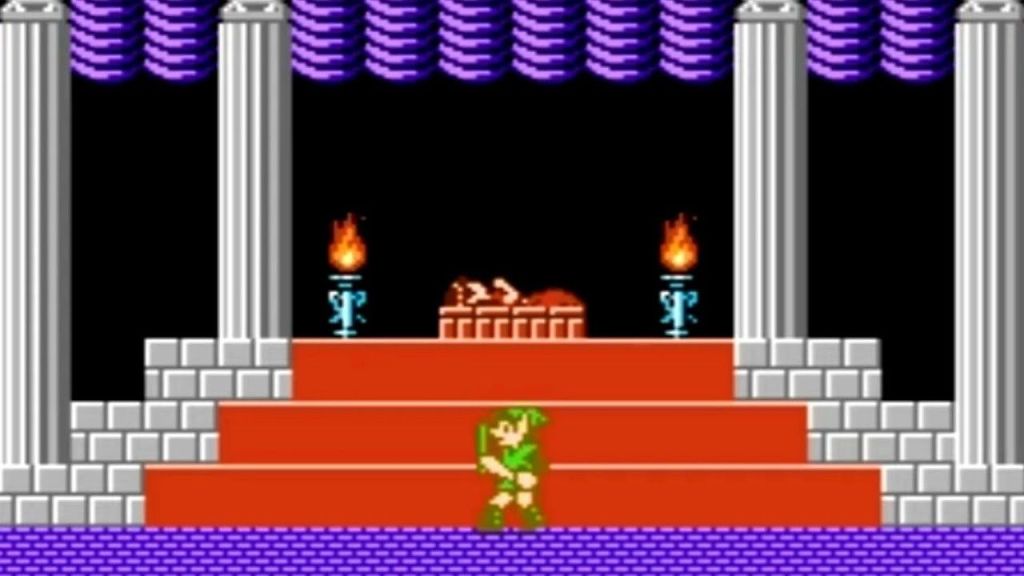
3 Zelda II: The Adventure of Link
Zelda II: The Adventure of Link was a testament to Nintendo’s willingness to innovate, even with its most successful properties. This sequel bravely diverged from its predecessor’s top-down perspective, introducing a unique hybrid of side-scrolling action and platforming for combat and dungeon exploration, while retaining a top-down overworld map. This bold shift was complemented by the introduction of deeper RPG elements, such as experience points for leveling up Link’s Attack, Magic, and Life attributes, and towns bustling with NPCs offering quests and cryptic clues.
The ambition and complexity inherent in Zelda II’s design were clear. The combat system was more nuanced than in many contemporaries, demanding precise timing for both offensive strikes and defensive shield maneuvers. The magic system was robust, offering a variety of spells crucial for both defeating formidable foes and navigating the treacherous palaces. While its notorious difficulty could be a barrier, it also provided a profound sense of accomplishment upon overcoming its challenges. The game also significantly expanded the lore of Hyrule, introducing new characters, locations, and elements of the Triforce saga that enriched the burgeoning Zelda universe.
Zelda II represented a sophisticated and substantial adventure. Its unique blend of genres, its demanding but rewarding gameplay, and its expansion of the Zelda mythos made it a standout title. It wasn’t just a rehash of the original; it was a bold re-imagining that showcased Nintendo’s creative courage and its ability to craft deep, engaging experiences that pushed the boundaries of game design in its era.
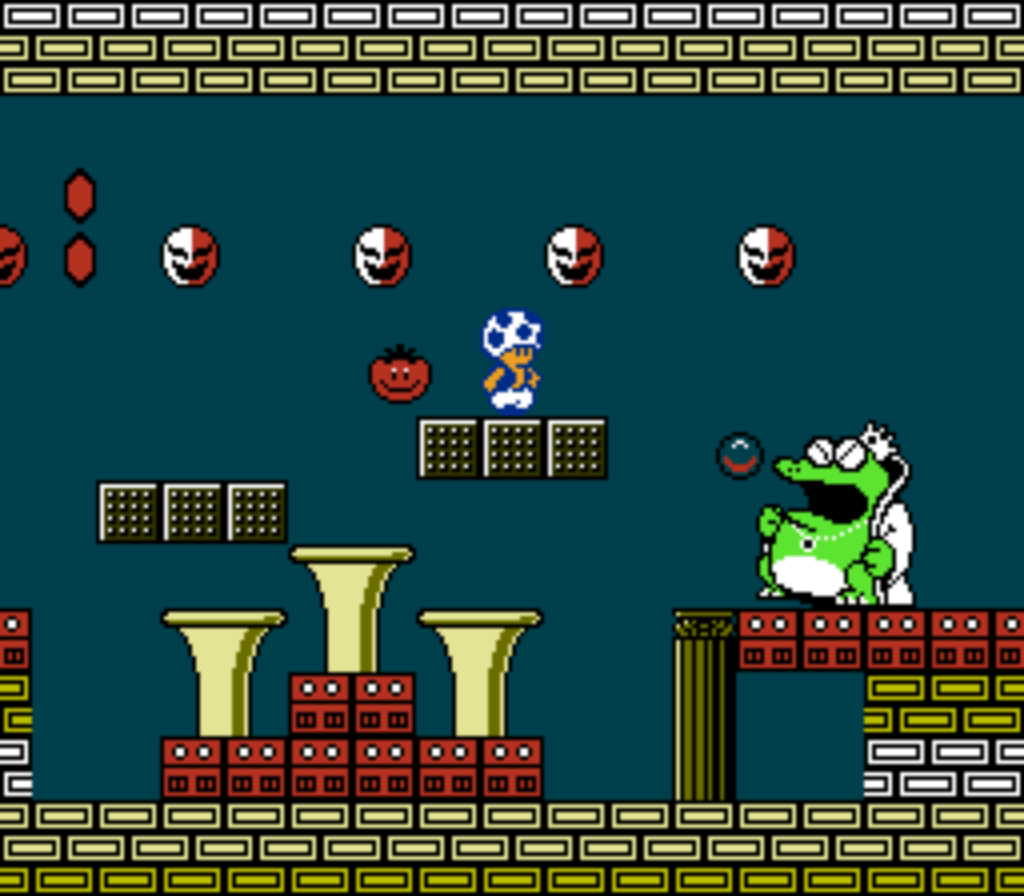
2 Super Mario Bros. 2
Super Mario Bros. 2 was a title lauded for its unique charm, innovative gameplay mechanics, and departure from the original Mario formula, which many saw as a creative triumph. This iteration, famously adapted from the Japanese game Yume Kōjō: Doki Doki Panic, offered players the choice of four distinct characters—Mario, Luigi, Princess Peach, and Toad—each with unique abilities that fundamentally altered the play experience and encouraged multiple playthroughs. This character differentiation added a new layer of strategy and depth uncommon in platformers of the time.
The core gameplay itself was a breath of fresh air. Instead of simply stomping on enemies, players plucked vegetables from the ground to use as projectiles, lifted and threw stunned foes, and discovered magic potions that opened doors to the mysterious “Sub-space.” This shift in mechanics, set within the surreal dream world of Subcon, allowed for inventive level designs and encounters with a bizarre and memorable cast of enemies. The game featured vibrant graphics, expressive animations, and a catchy and atmospheric soundtrack.
Super Mario Bros. 2 was a bold and successful experiment that expanded the Mario universe in delightful and unexpected ways. It demonstrated that a sequel could innovate significantly while retaining core appeal and quality. Its imaginative world, diverse character skills, and departure from established conventions, all wrapped in Nintendo’s signature high level of polish, made it a shining example of creative game design.
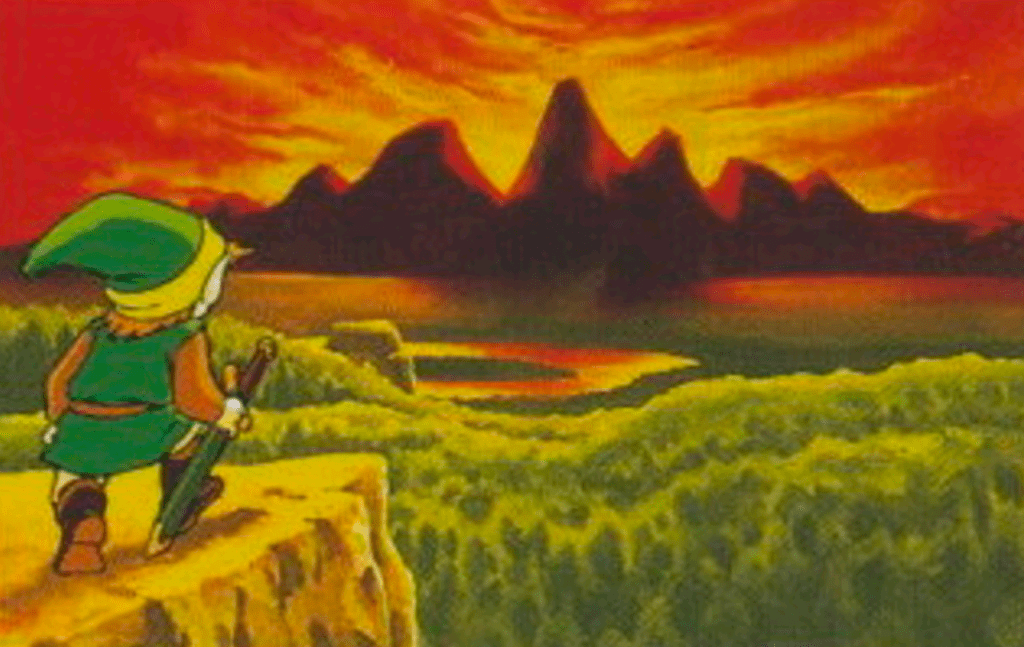
1 The Legend of Zelda
The original masterpiece, The Legend of Zelda, held a place of immense respect. Even years after its North American release, its revolutionary design, groundbreaking scope, and the sheer sense of adventure it offered remained potent. This was the game that truly legitimized complex, sprawling adventures on home consoles, inviting players into the vast, interconnected, and secret-laden world of Hyrule. Its non-linear structure, which gave players unprecedented freedom to explore and discover at their own pace, was a monumental achievement in game design.
The intricate balance of exploration, combat, puzzle-solving, and item-based progression was a key to its brilliance. The nine meticulously crafted dungeons, each a labyrinth of dangers and secrets culminating in a unique boss, alongside an overworld teeming with hidden caves, valuable items, and cryptic clues, offered a depth rarely seen. The inclusion of battery-backed saves was not just a convenience but a necessity for an adventure of such magnitude, signaling Nintendo’s commitment to delivering substantial experiences. The iconic music, the atmosphere of mystery, and the rewarding feeling of unearthing Hyrule’s secrets all contributed to its legendary status.
The Legend of Zelda’s high regard stemmed from its impact and its qualities as a masterclass in interactive design. It wasn’t just about action; it was about fostering a sense of wonder, encouraging critical thinking, and rewarding player curiosity. It laid the foundational DNA for countless adventure games that followed and established Link and Hyrule as timeless icons. It stood as a shining example of innovation, ambition, and perfectly executed vision, making it a quintessential NES experience.
This look at 25 highly regarded NES titles from early 1989 is a snapshot of a system arguably at its creative and commercial zenith. These games, drawn from a “Pros’ Picks” poll of the era, showcases the remarkable breadth and depth of the Nintendo Entertainment System’s library, from sprawling adventures and groundbreaking action titles to unique puzzlers and polished arcade experiences.
These games not only defined a generation of interactive entertainment but also laid the groundwork for many of the genres and franchises that continue to thrive today, cementing their place in the rich tapestry of video game history and in the hearts of those who played them.

 PlayZine
Leave a comment