Mission Objective: Destroy Metal Gear
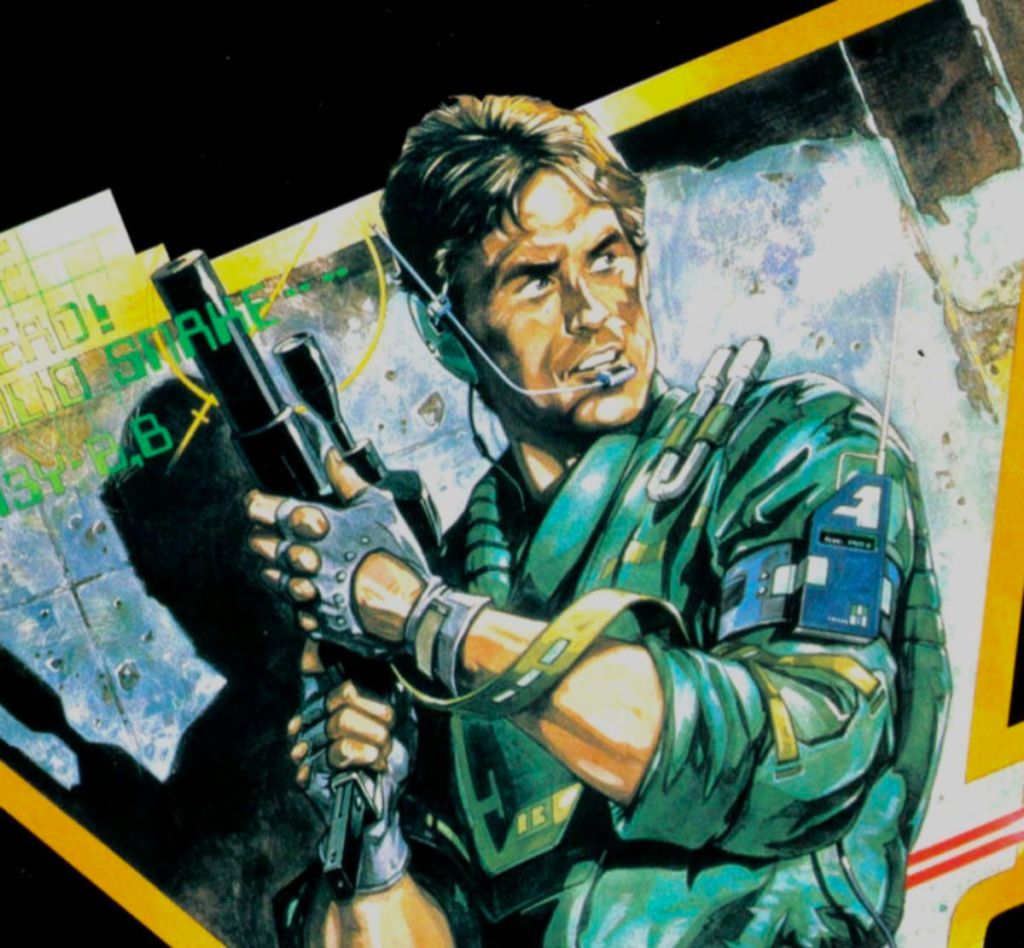
The last message crackled through the static, received from Agent Grey Fox. Just two words, cryptic and chilling: “Metal Gear”. Then… silence. For 24 agonizing hours, nothing. Command could only assume the worst – Fox, captured by the shadowy Outer Heaven group. No one truly knew what this Metal Gear was, but one thing was certain: if Colonel Vermon CaTaffy, the insane but brilliant strategist behind Outer Heaven, had cooked it up, it needed to be stopped.
The brass at Fox Hound knew they needed another top-notch commando, someone who could slip into Outer Heaven like a ghost, locate and rescue Grey Fox, and neutralize this mysterious Metal Gear threat. Only one man fit that impossible bill: Agent Solid Snake. So gear up and plunge headfirst into a fortress conceived by a madman and destroy a weapon you know absolutely nothing about.
Whispers in the Shadows: The Dawn of Stealth Gaming
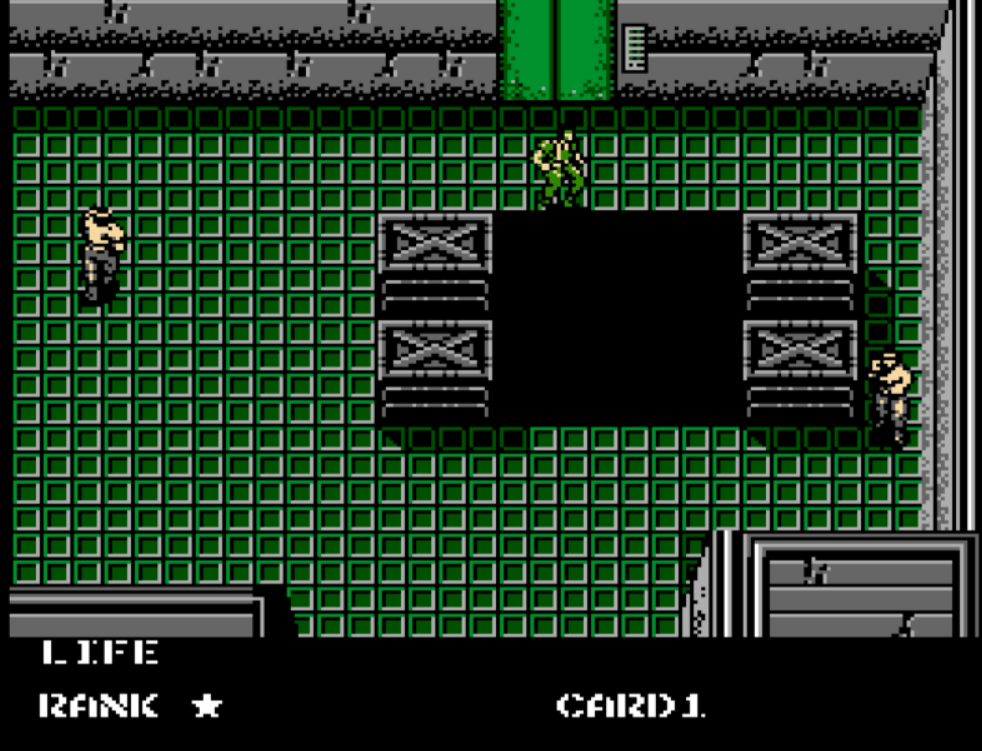
While earlier computer games had experimented with hiding and avoidance, Metal Gear on the NES in 1988 felt like something new and electrifying for the console masses. It wasn’t just an action game where you could sneak; it was a game fundamentally about sneaking. This was Tactical Espionage Action brought to the living room, demanding patience, observation, and nerves of steel over sheer firepower. Creeping through the cold corridors of Outer Heaven, heart pounding as you slipped past patrolling guards just inches away – this was a novel thrill for many NES players accustomed to run-and-gun gameplay.
Central to this tension was one of gaming’s most iconic visual cues: the exclamation mark. Getting spotted by a guard wasn’t just a minor inconvenience; it triggered the legendary “!” popping over their head, accompanied by that unforgettable alert sound. This simple punctuation mark signaled a dramatic shift. Suddenly, the hunted became the hunted. Alarms blared, guards converged on your position, and the gameplay instantly transformed from methodical stealth to a frantic scramble for survival or escape. This clear, immediate feedback system – see the “!”, know you’re busted – was revolutionary.
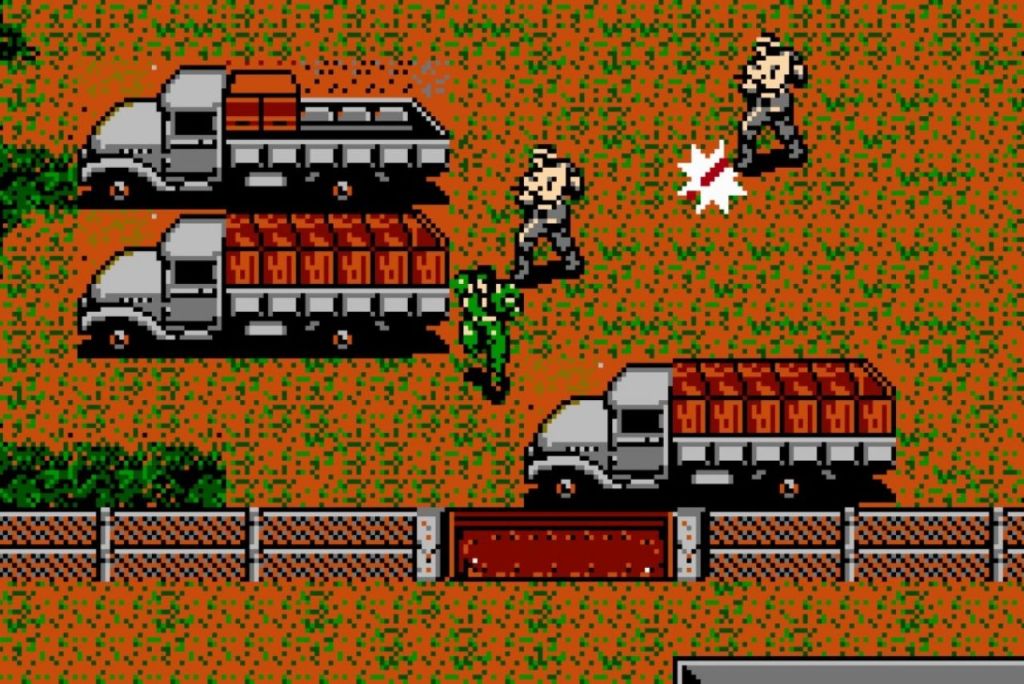
It elegantly communicated the enemy’s awareness state and its consequences, becoming a cornerstone of the stealth genre. Its influence echoed forward, establishing a design language where enemy detection wasn’t just a passive failure state but an active trigger for dynamic changes in AI behavior – pursuit, searching, heightened aggression – a concept adopted and adapted in countless games that followed.
A Visionary’s Gambit: Crafting the Unconventional
The driving force behind Metal Gear’s unique approach was a young, visionary designer at Konami: Hideo Kojima. After proving his chops on Penguin Adventure, Kojima took the reins of a military-themed project. But instead of following the straightforward action path common at the time, he had a different idea, heavily inspired by classic escape and spy films like The Great Escape.
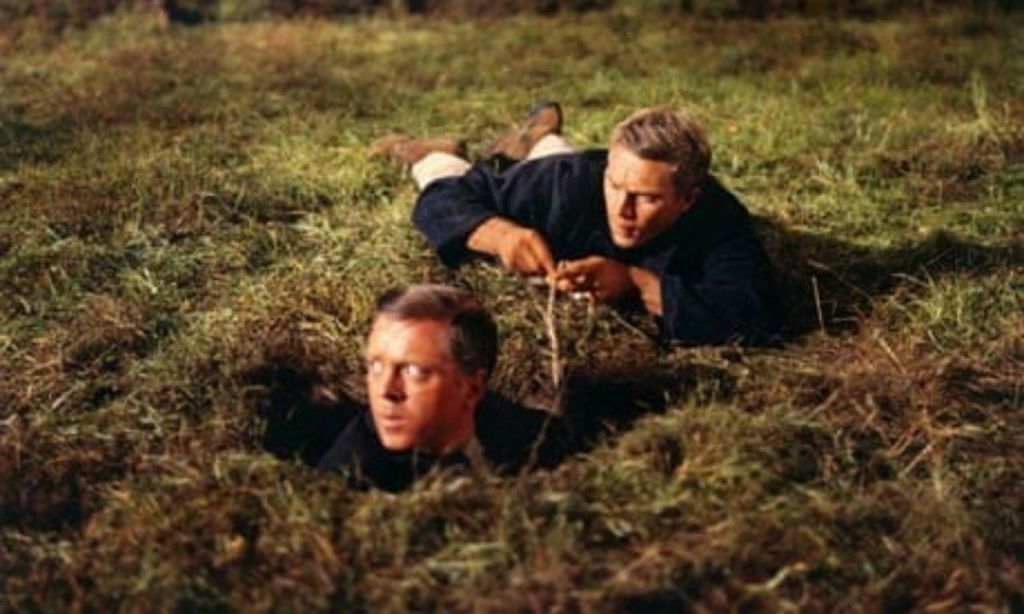
He envisioned a game centered not on firepower, but on infiltration, tension, and avoidance. He wanted players to feel the thrill of sneaking past enemies, the pressure of staying hidden, the satisfaction of outsmarting patrols rather than just mowing them down. This focus on not fighting was radical.
Kojima faced resistance internally, the concept of a military game where avoiding combat was key wasn’t an easy sell. But Kojima, passionate about his cinematic and gameplay vision, persevered. He believed in the potential of this different kind of action – slower, more methodical, more cerebral.
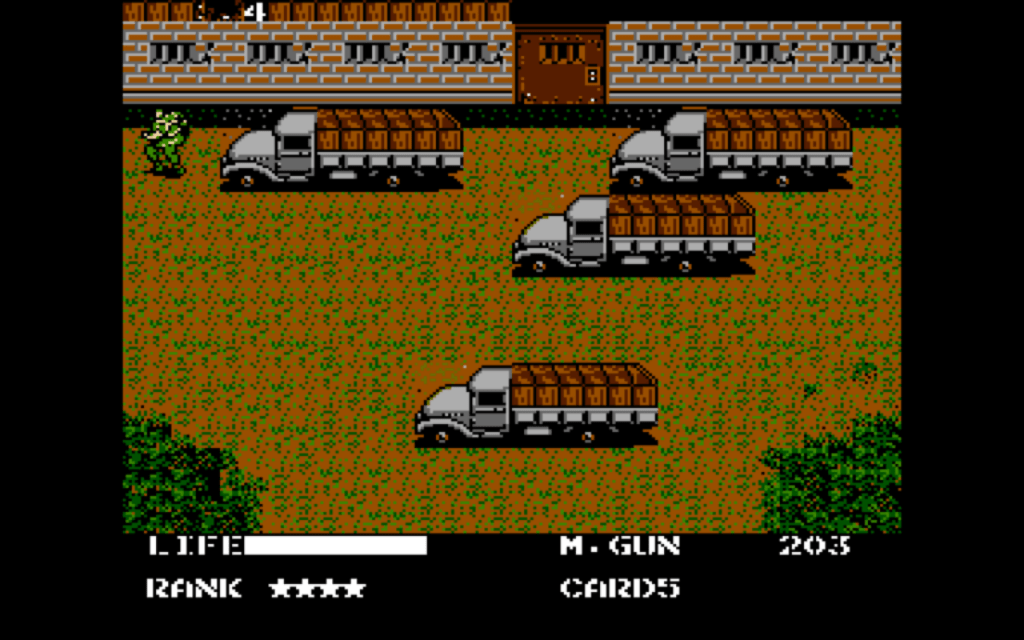
He pushed for mechanics that supported this vision: sophisticated enemy AI that reacted to the player’s presence, the need to observe patrol patterns, and ways to use the environment for cover. This commitment to an unconventional design philosophy, born from creative inspiration rather than technical necessity, resulted in a game unlike anything most console players had experienced.
Tactical Espionage Action: NES Style
So, what did sneaking around Outer Heaven actually entail on our trusty NES controllers? Metal Gear presented a top-down perspective where vigilance was key. Guards patrolled set routes, their cones of vision represented by their line of sight. Getting spotted meant trouble – the infamous “!” alert would pop and guards would swarm your position. Staying hidden involved hugging walls, ducking behind crates, and timing your movements perfectly between patrols.
Snake started his mission famously empty-handed, armed only with his fists for close-quarters combat. Finding weapons – pistols, machine guns, grenades, plastic explosives – and crucial items like keycards, rations for health recovery, and specialized gear was essential for progress.

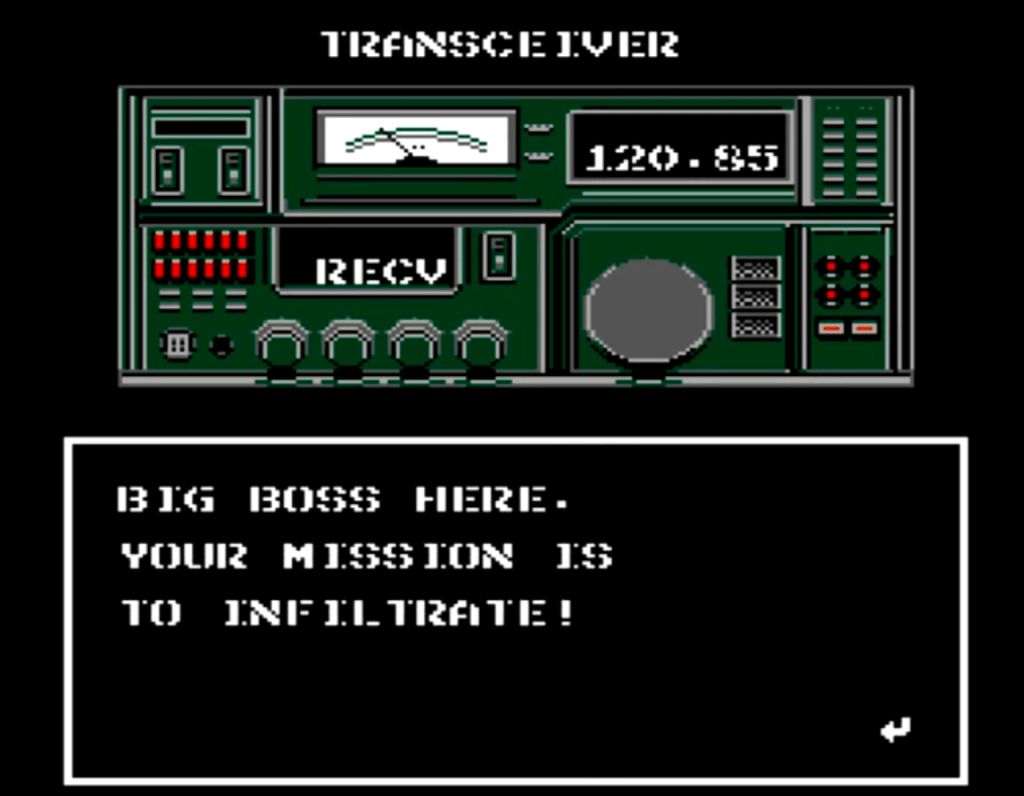
And who could forget the iconic radio codec? This wasn’t just flavor text; it was a core mechanic. Calling up Big Boss or other resistance members provided vital mission intel, survival tips, exposition dumps, and even moments of character development, immersing you deeper in the espionage fantasy. While simple by today’s standards, these mechanics combined to create a tense loop of observation, infiltration, and occasional frantic combat or escape when things went sideways.
The Unforgettable Quirks of Outer Heaven
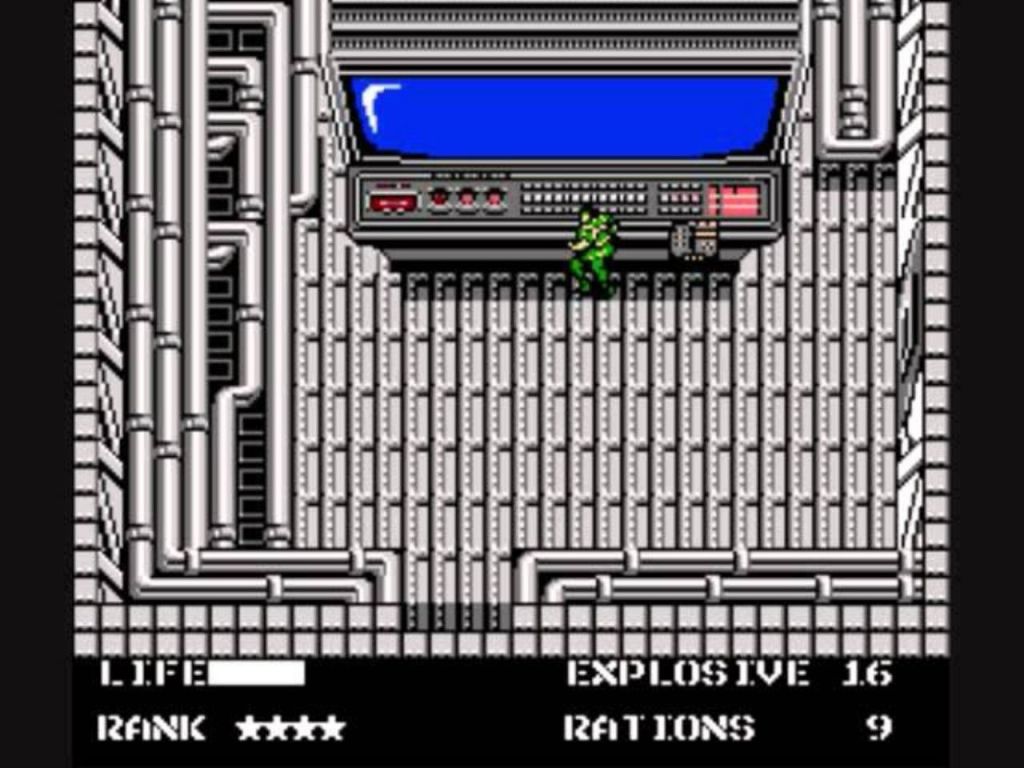
Playing Metal Gear on the NES was an experience that didn’t fully make its trip from Japan in one piece. Instead of facing down a giant walking tank, Snake’s final confrontation was against a massive, room-filling supercomputer. Destroying its core systems was the final objective – a challenging encounter, sure, but perhaps lacking the dramatic punch some might have expected.
Then there was the translation. Oh, the glorious, baffling translation! Whether due to rushed localization or simple carelessness, the English script was a goldmine of unintentional comedy. Snake dramatically declaring “I FEEL ASLEEP!” after using tranquilizers, or the urgent message “THE TRUCK HAVE STARTED TO MOVE,” became instant classics.
Even the instruction manual joined the fun, introducing the lead villain as Colonel Vermon CaTaffy, a name found nowhere in the actual game! These quirks, while technically flaws, added a layer of charm and memorability that made the game standout among the NES library.
Legacy of a Sneaky Trailblazer
Metal Gear on the NES occupies a unique space in gaming history. While perhaps not the absolute originator of stealth mechanics, it was instrumental in bringing those ideas to the forefront on consoles. It took the tense concepts of avoidance and infiltration, polished them and delivered them to millions of players worldwide. Its emphasis on narrative, conveyed through the innovative codec system, also set it apart from many contemporary action titles.
It was a massive commercial success, proving that players were receptive to this different style of gameplay and establishing Solid Snake as a new video game icon.
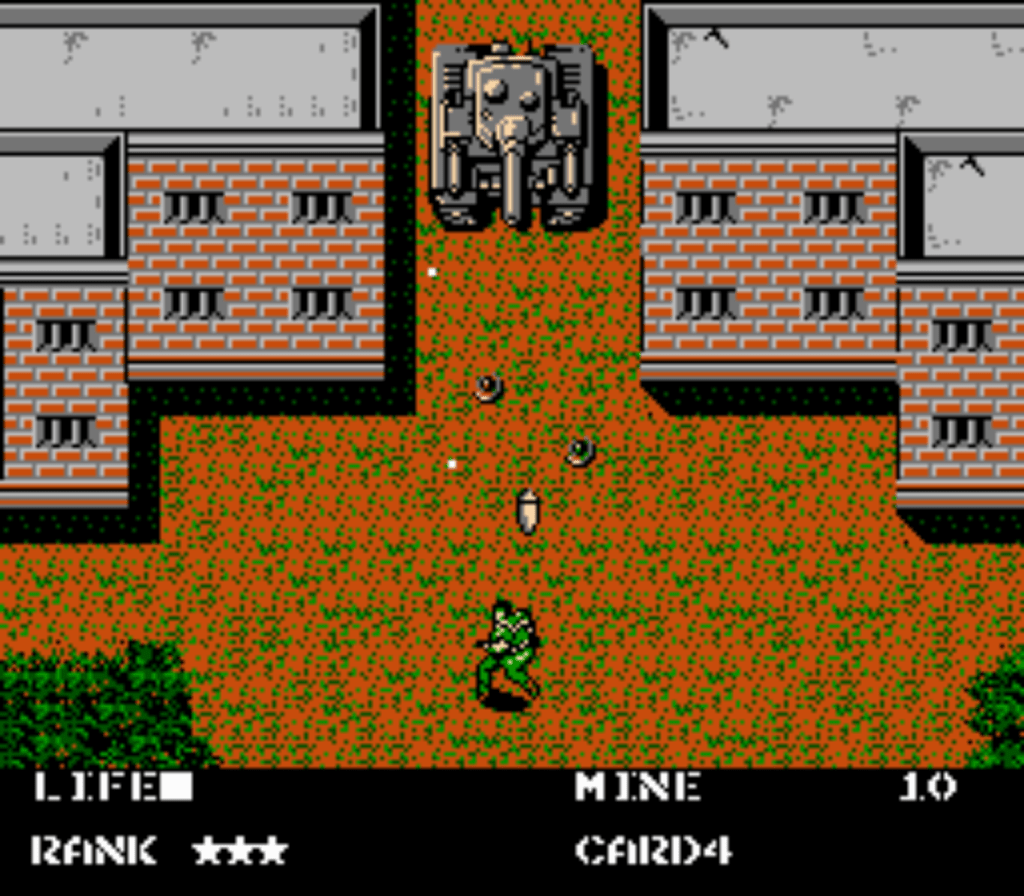
This success undeniably paved the way for the countless sequels and spin-offs that would solidify Metal Gear as one of gaming’s most important franchises. For so many of us who huddled around our CRT TVs back in the day, guiding Snake through the pixelated corridors of Outer Heaven, it was revolutionary. It was the game that taught us the thrill of the unseen, the satisfaction of the perfect sneak. Flawed, quirky, but undeniably groundbreaking – Metal Gear on the NES remains a fascinating, fun, and fundamentally important piece of stealth gaming history.


 PlayZine
Leave a comment