Simon Belmont’s Darkest Journey
Darkness creeps over Transylvania once more, and Simon Belmont is no longer just a hero—he is a man cursed by his own victory. Though he vanquished Count Dracula, the dark lord’s influence lingers, poisoning his very soul. To break the curse, Simon must seek out the five scattered remains of Dracula’s body, hidden within the haunted lands. Armed with little more than his whip and an unshakable resolve, he embarks on a grim journey through treacherous forests, ghostly towns, and cursed mansions, each step bringing him closer to either salvation or doom.

But the path is one of deception and danger. As the sun sets, the land transforms, and the monsters lurking in the shadows grow stronger. Villagers speak in riddles—some guiding him toward his goal, others leading him astray. The mansions that guard Dracula’s remains are riddled with deadly traps, while unseen horrors stalk his every move. With time slipping away and false clues clouding his way, Simon must rely on his cunning and courage to lift the curse before it consumes him entirely.
A New Kind of Castlevania
In 1988, players expected Castlevania 2 to be another linear action-platformer like the original. Instead, Konami gave them something wildly different. Gone were the stage-by-stage castle halls. In their place was an open world filled with haunted towns, cursed mansions, and twisting forests.
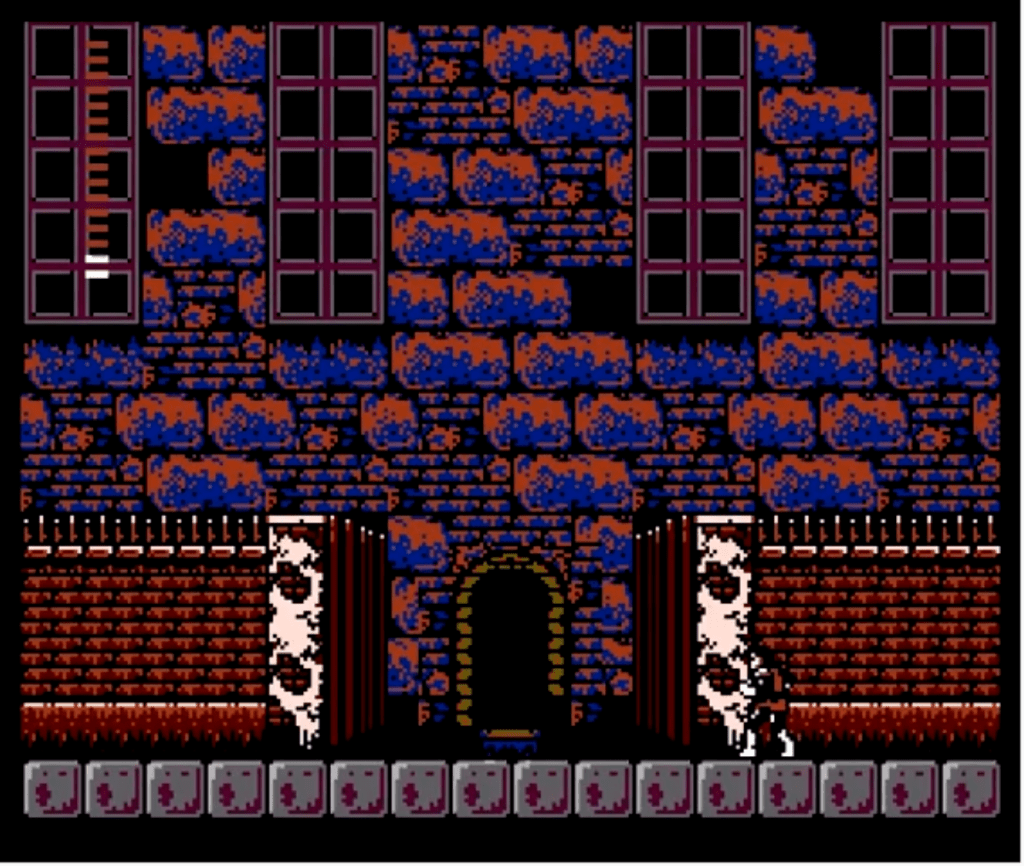
Simon could move freely between locations, talking to NPCs, gathering items, and choosing his own path forward. It was a bold new design inspired more by Konami’s platform-adventure game The Maze of Galious than the arcade-style Castlevania of 1986. The game even had a rudimentary inventory system, and players could level up Simon by collecting hearts from fallen enemies.
Looking back, it is clear that Simon’s Quest was one of the first true Metroidvania games and a direct influence on Castlevania: Symphony of the Night. It introduced the concept of returning to old areas with new items, exploring a large interconnected world, and becoming more powerful as you ventured deeper into the game. It was years ahead of its time.
From Cursed Towns to Haunted Mansions
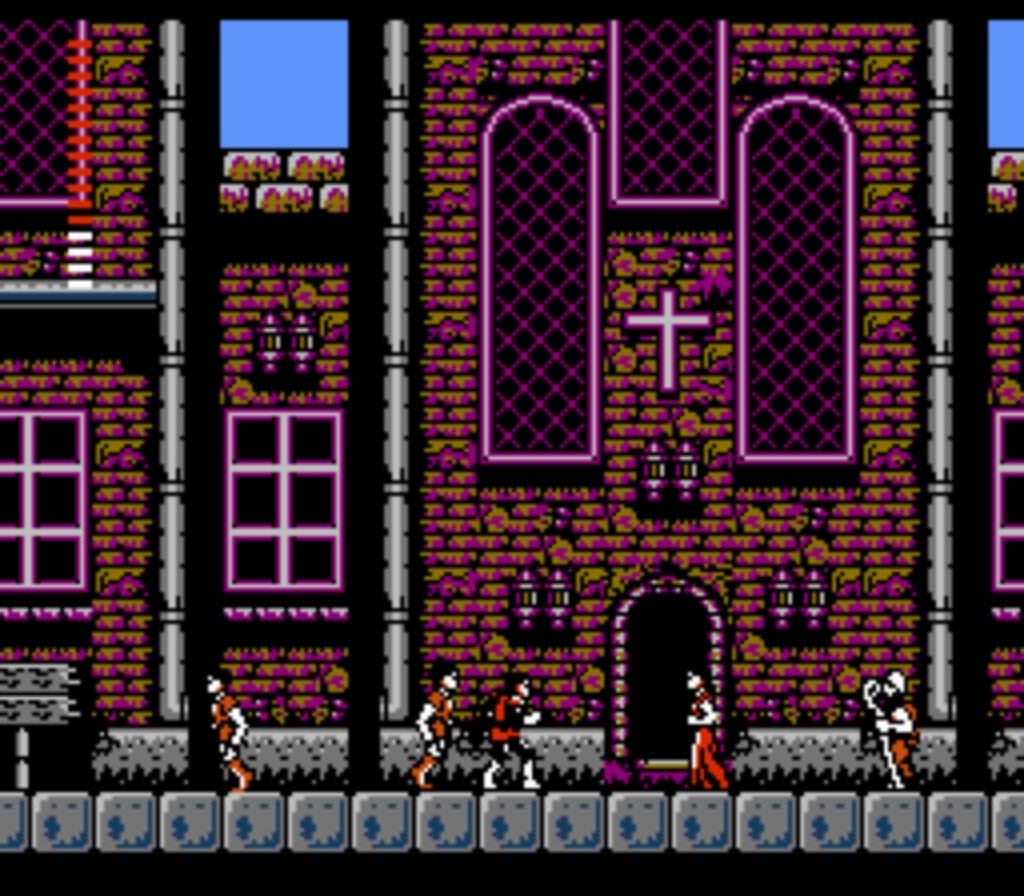
If the first Castlevania was about the castle, Simon’s Quest is about the world. Konami created one of the most atmospheric settings ever seen on the NES, filling it with creepy villages, eerie swamps, and shadowy ruins.
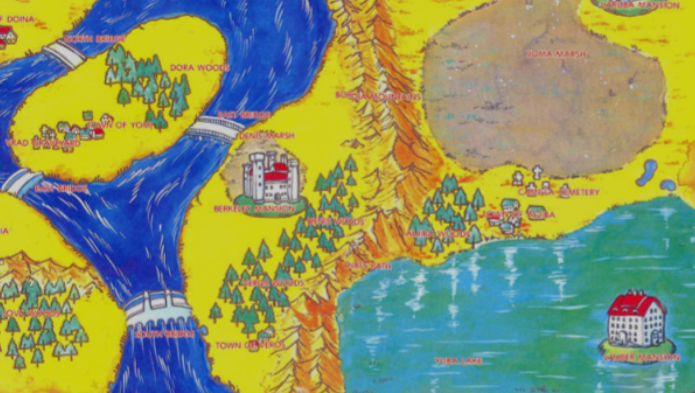
The towns are deceptively peaceful. Here, Simon can buy items and gather information, but the villagers cannot be trusted. Some give useful hints, others lie outright, and thanks to a translation from hell, their words often make no sense. Who is the Graveyard Duck? What does it mean to “Hit Deborah Cliff with your head to make a hole”? The game gives you clues, but whether they actually help is another story.
The countryside is vast and dangerous, crawling with monsters that get stronger at night. Then there are the mansions, which serve as the game’s dungeons. These are sprawling labyrinths where Simon must track down Dracula’s body parts, but they are also full of cheap traps. Hidden pitfalls send players plummeting into damage-dealing floors, and without a guide, it is trial and error to figure out what is safe.
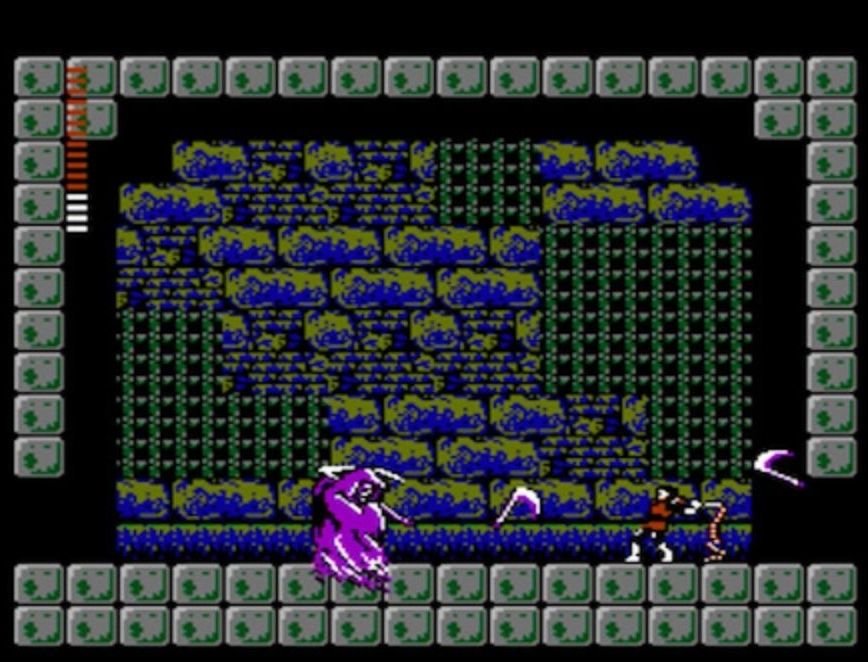
Despite the frustration, the world of Simon’s Quest feels alive. Its locations are varied, its mood oppressive, and its design immersive. You feel the weight of Simon’s journey, the creeping dread of the unknown, and the urgency of lifting his curse before it is too late.
What a Horrible Night to Have a Curse
Unlike most platformers of its time, Simon’s Quest wasn’t just about whipping skeletons and dodging Medusa heads—it was about surviving in a world that never stops changing. During the day, Simon can explore, gather cryptic hints from villagers, and prepare for the inevitable darkness of night. His only chance? Leveling up, upgrading his whip into the legendary Flame Whip, and stocking his arsenal with items that give him an edge when the sun sets.
One of the most immersive mechanics in Simon’s Quest is its dynamic day-night cycle, an element that would later become a staple in RPGs. Every few minutes, the world shifts from day to night, and with it, everything changes. Towns, once bustling with busy villagers, are suddenly overrun with the undead. Shops close their doors, leaving Simon stranded without supplies, and the already hostile wilderness becomes even more treacherous as stronger creatures emerge from the shadows.
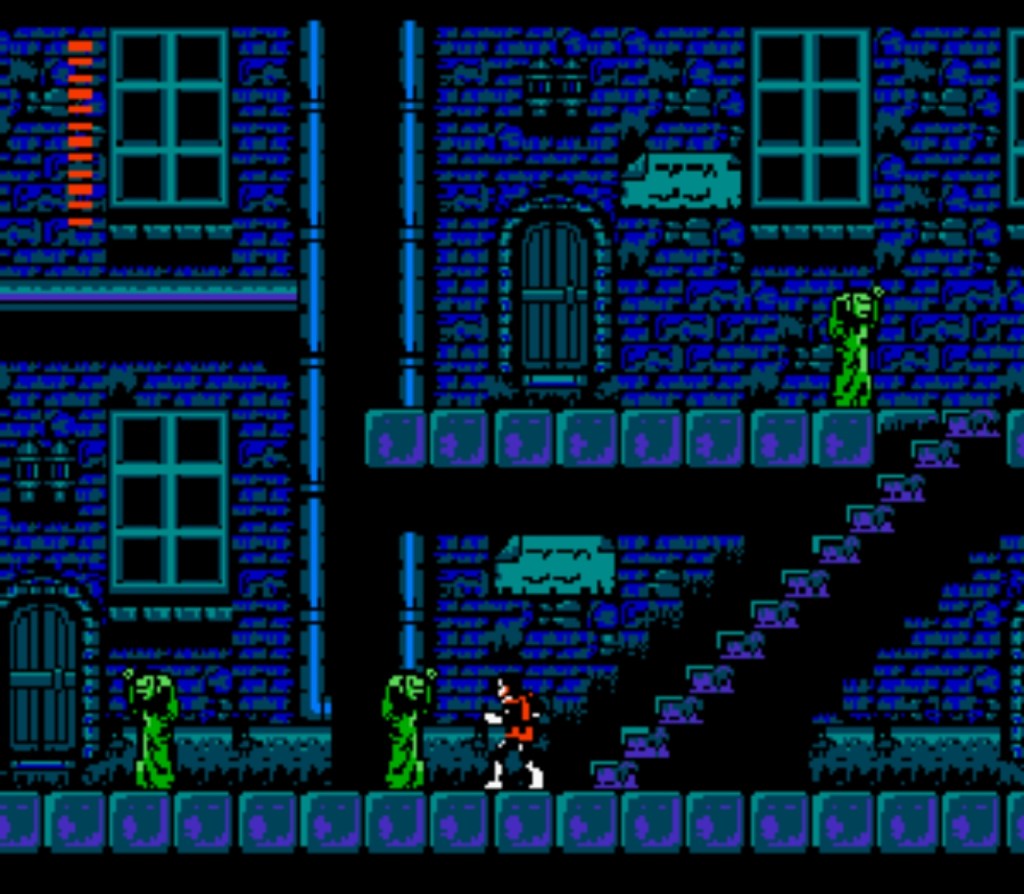
Even something as simple as reaching the next town becomes a gamble—do you push forward through the night’s horrors, or do you wait for dawn? Unlike the static, set-piece levels of the first Castlevania, this shifting world gives Transylvania an unpredictable, oppressive atmosphere. Simon isn’t just on a quest, he is trapped in a cursed land that actively works against him. This level of environmental storytelling was groundbreaking at the time, making Simon’s Quest feel far ahead of its era.
Bloody Tears for 8-Bit Fears
If there is one thing Simon’s Quest absolutely nailed, it is the soundtrack. The music in this game is legendary, elevating the eerie atmosphere and making every step of Simon’s cursed journey feel even more dramatic. The Castlevania series has always been known for its incredible compositions, but Simon’s Quest took the foundation laid by the first game and expanded on it with a richer, more diverse selection of tracks that perfectly fit its open-world, exploration-heavy gameplay.
The best track? Bloody Tears. Haunting yet energetic, it plays as Simon ventures across the overworld, capturing both the urgency of his mission and the creeping dread of his curse. It is so good that it has been remixed and re-used in almost every Castlevania game since, becoming one of the series’ most iconic pieces of music. But Bloody Tears is just the tip of the iceberg. The mansion themes are deeply unsettling, reinforcing the isolation and mystery of Dracula’s scattered remains.
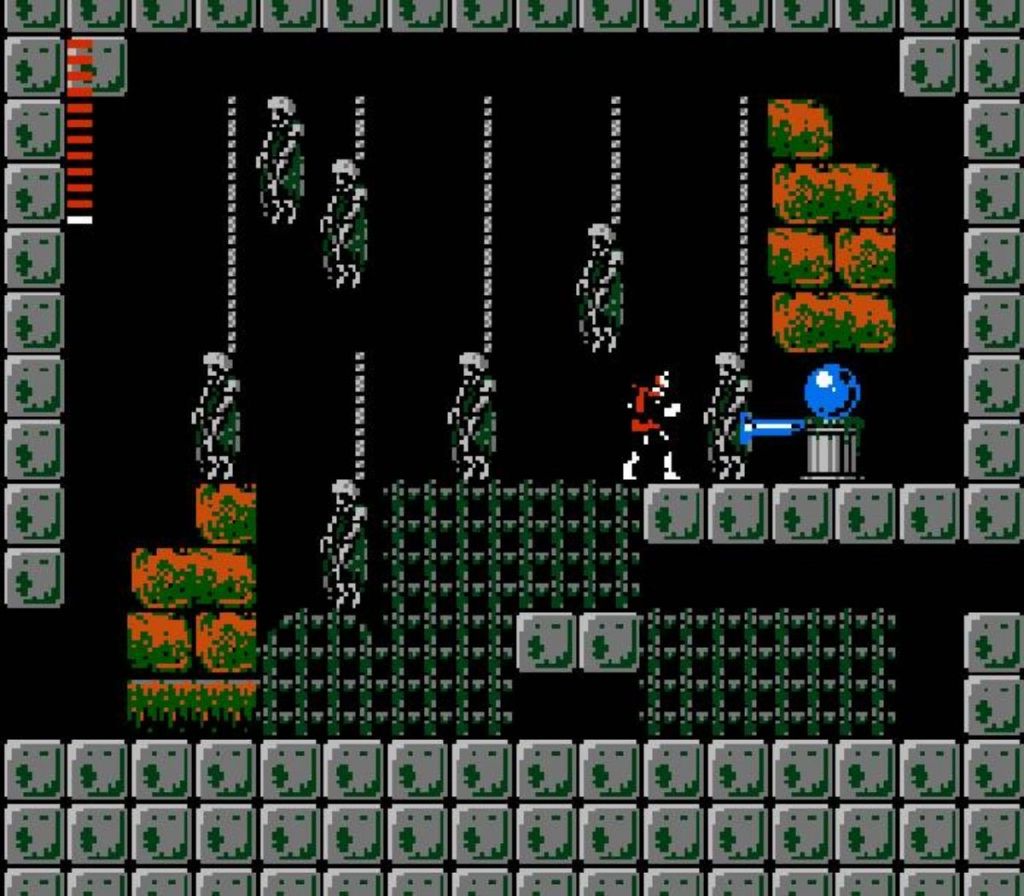
Town themes feel ominous rather than comforting, underscoring the fact that even in supposed safe havens, something is off. Compared to the first Castlevania, which had a phenomenal but more straightforward horror-inspired score, Simon’s Quest leans even further into Gothic despair and eerie beauty, blending adventure with an almost melancholic tone.
This game easily earns its place among the top Castlevania soundtracks. Only Symphony of the Night, with its lush, orchestral fusion of gothic, classical, and rock influences, and Super Castlevania IV, with its moody, atmospheric compositions that push the SNES sound chip to its limits, stand above it. While those games had the benefit of more advanced hardware, Simon’s Quest achieves something remarkable within the limitations of the NES. It proves that music isn’t just window dressing—it binds together the game’s eerie landscapes, cryptic mysteries, and relentless dread.
A Misunderstood Masterpiece
Simon’s Quest got a bad reputation when it first came out, and for understandable reasons. Its puzzles were cryptic to the point of madness, requiring players to kneel in random places, use obscure items in ways that defied logic, and interpret mistranslated clues from villagers who either lied or made no sense at all.

Many who picked up the game expecting another straightforward action-platformer were instead met with a dark, sprawling adventure that felt as much like a puzzle game as it did a monster-slaying epic. But beneath its rough edges was a game that dared to be different, introducing open-world exploration, RPG mechanics, and nonlinear progression—concepts that would later define the Metroidvania genre.
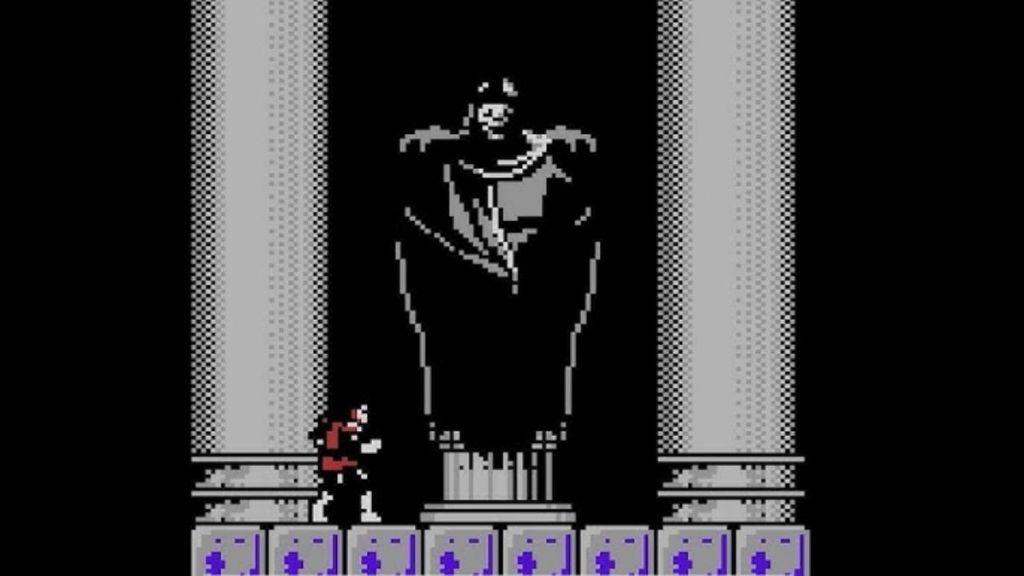
So dust off that NES, grab Nintendo Power issue 2, crank up Bloody Tears until the walls shake, and step into the eerie, cursed world of Simon’s Quest. The night is long, the monsters are relentless, and Dracula’s influence runs deeper than ever—but you will endure. You will uncover the secrets of Transylvania. You will burn Dracula’s remains and lift the curse. This is more than just a game—it is a legend waiting to be reclaimed.

 PlayZine
Leave a comment