Powering Up: The Origins of Captain N
Back in the golden age of gaming, when Nintendo was less of a company and more of a cultural phenomenon, kids spent their weekends memorizing Contra codes and dreaming about stepping into their favorite games. Before Captain N: The Game Master became the crossover fever dream that hit Saturday morning TV screens, there was a story buried in Nintendo Power that made those dreams feel almost real.
The magazine introduced Brett Randalls, an ordinary Nintendo employee who accidentally gets fused with his NES Advantage controller and a Metroid cartridge after coming into contact with some mysterious Napaj Microchips. One minute he’s troubleshooting game hardware, the next he’s got gaming superpowers—able to control and interact with digital elements in the real world. Unfortunately, this technological mishap does more than just turn Brett into a walking console. It also rips open a portal between the real world and Nintendo’s game universe, unleashing Mother Brain, Ganon, and Princess Zelda into reality.
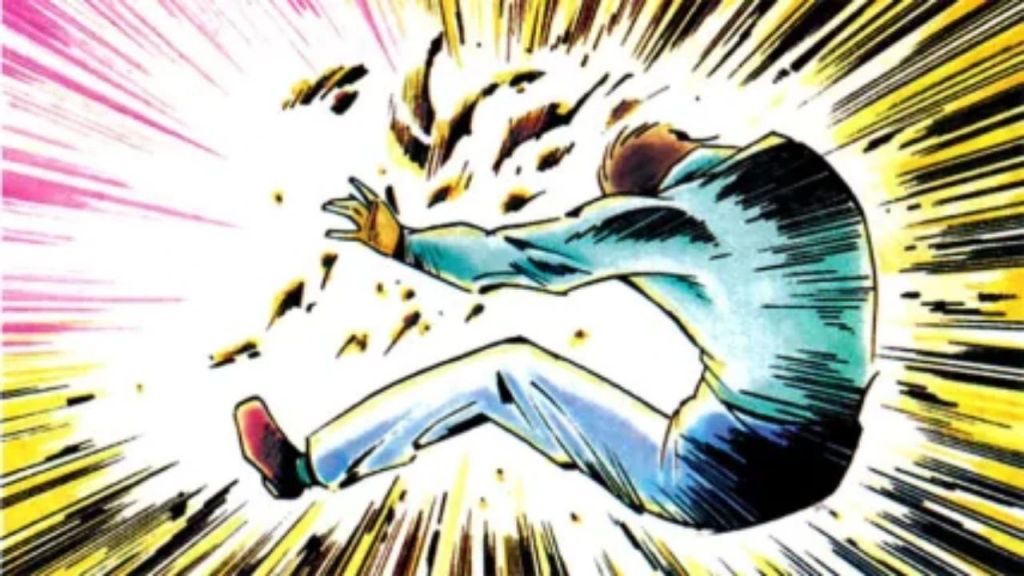
It was every Nintendo kid’s ultimate fantasy: the idea that the games they played weren’t just games, but gateways to something bigger. The idea of Captain Nintendo wasn’t just a story—it was originally conceived as a multimedia concept by Randy Studdard, a writer for Nintendo Power who envisioned it expanding into TV, comics, and beyond. But when Nintendo decided to turn this into a television show, Studdard claims he was completely cut out of the project, never credited for his idea, and left watching from the sidelines as his vision morphed into something very different.
The Most Insane Video Game Crossover
Nintendo’s concept of a gamer-turned-hero didn’t fade away—it simply evolved into something stranger. In 1989, Captain N: The Game Master hit the airwaves, replacing Brett Randalls with Kevin Keene, a totally radical ‘80s teenager with a varsity jacket and a mullet so powerful it could’ve had its own spin-off series. One moment, Kevin is in his room playing NES, the next he’s sucked into his TV, landing in Videoland, a place where the greatest Nintendo characters exist together.
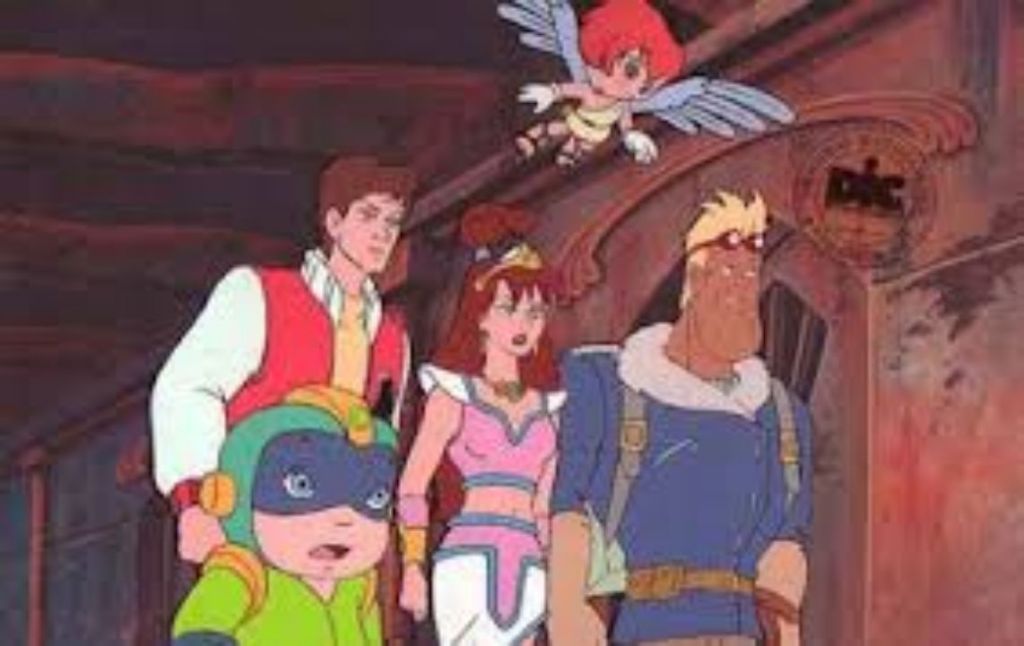
There, Princess Lana, ruler of Videoland, explains that Kevin is the chosen one prophesied to save them from the evil rule of Mother Brain. She hands him an NES controller belt (which lets him pause time, super-jump, and pull off cheat-code level moves) and a Zapper light gun, and just like that, he’s Captain N.
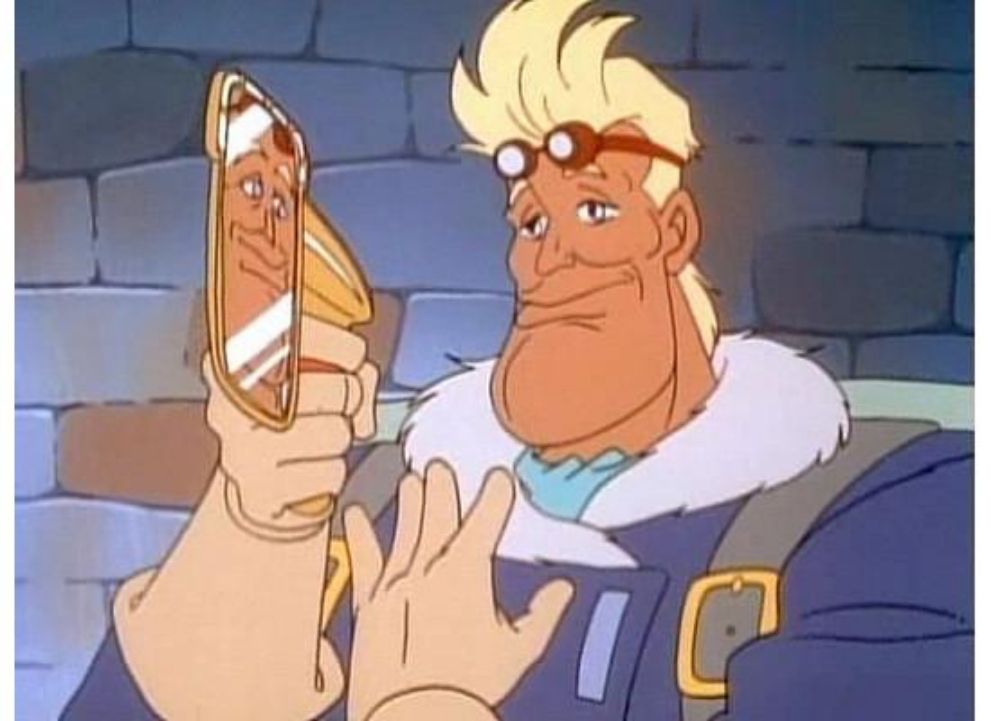
Kevin is far from alone in his fight. He’s joined by the N Team, a ragtag band of video game legends who look and act nothing like their actual in-game counterparts. Simon Belmont, the brooding vampire hunter from Castlevania, has somehow transformed into a vain, muscle-bound buffoon, spending more time adjusting his goggles and flexing in mirrors than slaying the undead.
Mega Man, originally a sleek blue android, has been reduced to a short, stocky, green (for some reason) robot who talks in a raspy old-man voice and attaches the word “mega” to everything he says. Kid Icarus, the heroic winged archer, is now a tiny, high-pitched chatterbox who refuses to speak normally, instead adding “-icus” to literally every word. And because it wouldn’t be an ‘80s adventure without a trusty pet, Kevin’s dog, Duke, also gets sucked into Videoland, because why not?
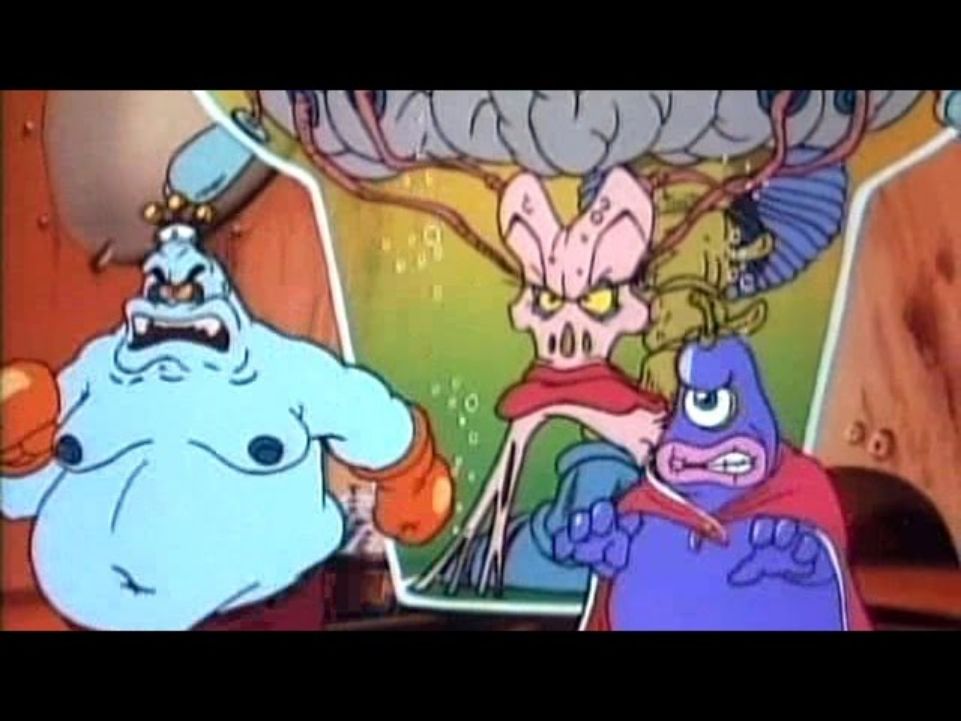
If the heroes were weird, the villains were even weirder. Mother Brain, who in the Metroid games was a terrifying, silent AI overlord, was turned into a sassy, over-the-top diva, complete with a cackling voice performed by Levi Stubbs of The Four Tops. Instead of striking fear into the hearts of her enemies, she spent most of her time berating her two idiotic henchmen: King Hippo from Punch-Out!!, who was now inexplicably blue, and Eggplant Wizard from Kid Icarus, a walking vegetable with a penchant for throwing eggplants at people and being completely useless.
Each episode saw Kevin and the N Team traveling to different Nintendo game worlds, from Castlevania to Megaland to Kongoland, trying to stop Mother Brain’s latest scheme. The show was wildly ambitious, bringing together so many different franchises in ways that, at the time, felt groundbreaking. It was a precursor to the shared gaming universes we take for granted today, long before the days of Super Smash Bros. or Kingdom Hearts.
The Animation Rollercoaster
For all its charm, Captain N was plagued by animation inconsistency, and that’s putting it lightly. Each season was produced by a different overseas animation studio, meaning character designs, backgrounds, and even colors fluctuated wildly.
The first season was decent by late ‘80s standards, but by season three, things got noticeably worse. Budgets were slashed, episodes were shortened, and animation errors became frequent. Characters were constantly off-model, colors shifted from scene to scene, and even Mother Brain’s design changed randomly. Meanwhile, Game Boy, introduced in season two as a walking, talking Game Boy, was clearly a corporate mandate designed to promote Nintendo’s latest handheld, but instead of being cool, he mostly just annoyed everyone.
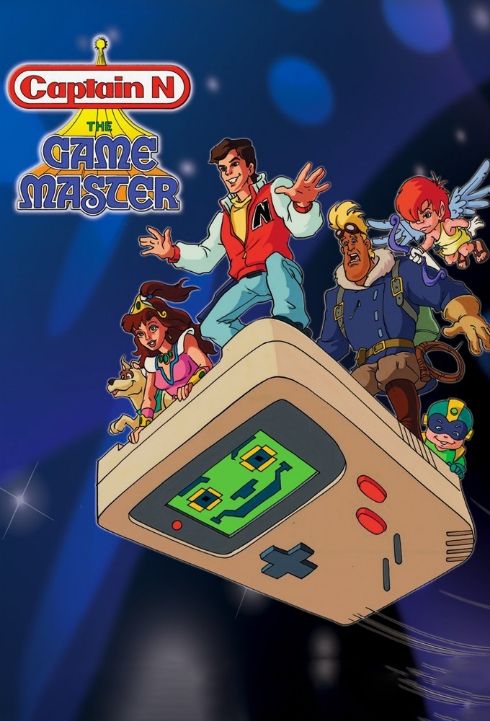
The show also initially used real Nintendo music, incorporating 8-bit themes into its soundtrack, which was a huge deal at the time. But as the seasons went on, licensing issues forced them to ditch the real game music in favor of generic Saturday morning cartoon tunes.
The Strangest Time Capsule in Nintendo History
Despite its flaws, Captain N: The Game Master remains one of the most bizarrely beloved relics of Nintendo’s early dominance. It captured the pure excitement of being a gamer in the late ‘80s, when Nintendo was everywhere and the idea of a unified game universe was still new and thrilling.
Kevin Keene may never have made it into an actual video game, but Captain N stands as a bizarre yet endearing relic of a time when Nintendo could do no wrong. It was a show that didn’t just celebrate gaming—it reimagined it in ways no one asked for, but everyone remembers. It took the idea of a connected Nintendo universe and ran with it, creating something that, for better or worse, still holds a unique place in gaming history.
While the show is long gone, its spirit lingers. Every time Nintendo characters team up in a new crossover, every time a gaming world expands beyond the confines of a cartridge, there’s a little bit of Captain N in that DNA. It was messy, weird, and occasionally nonsensical, but it was also one of the earliest attempts to bring video games to life in a way that made them feel larger than the screen they came from.

Maybe Captain N will never return. Maybe that’s okay. The show belongs to a different era, one where Saturday morning cartoons were as much a part of the gaming experience as the consoles themselves. But for those of us who grew up watching, there will always be a part of us that remembers what it felt like to believe, even for just 30 minutes a week, that getting sucked into our TV and joining the adventure wasn’t just possible—it was inevitable.
 PlayZine
Leave a comment