Two Brothers and a ZX Spectrum
There are game developers, and then there are gaming alchemists—people who take a handful of pixels, a few lines of code, and somehow turn them into gold. Chris and Tim Stamper were the latter. Before Rare was Rare, before Battletoads crushed the souls of unsuspecting gamers, and before their name became synonymous with technical wizardry, the Stampers were just two brothers with a knack for making computers do things they weren’t supposed to. Their story, as captured in Nintendo Power, is a portal back to a time when gaming was still the Wild West and these two British mavericks were leading the charge.

Mastering the ZX Spectrum
To really understand what made Chris and Tim special, you have to go back to the early ’80s, long before their partnership with Nintendo. This was an era when video games were still figuring themselves out. The Atari crash was looming, and the idea of home computers as serious gaming machines was just beginning to take hold. It was in this landscape that the Stampers founded Ultimate Play the Game, a company that would go on to create some of the most groundbreaking and technically sophisticated games ever seen on the ZX Spectrum.
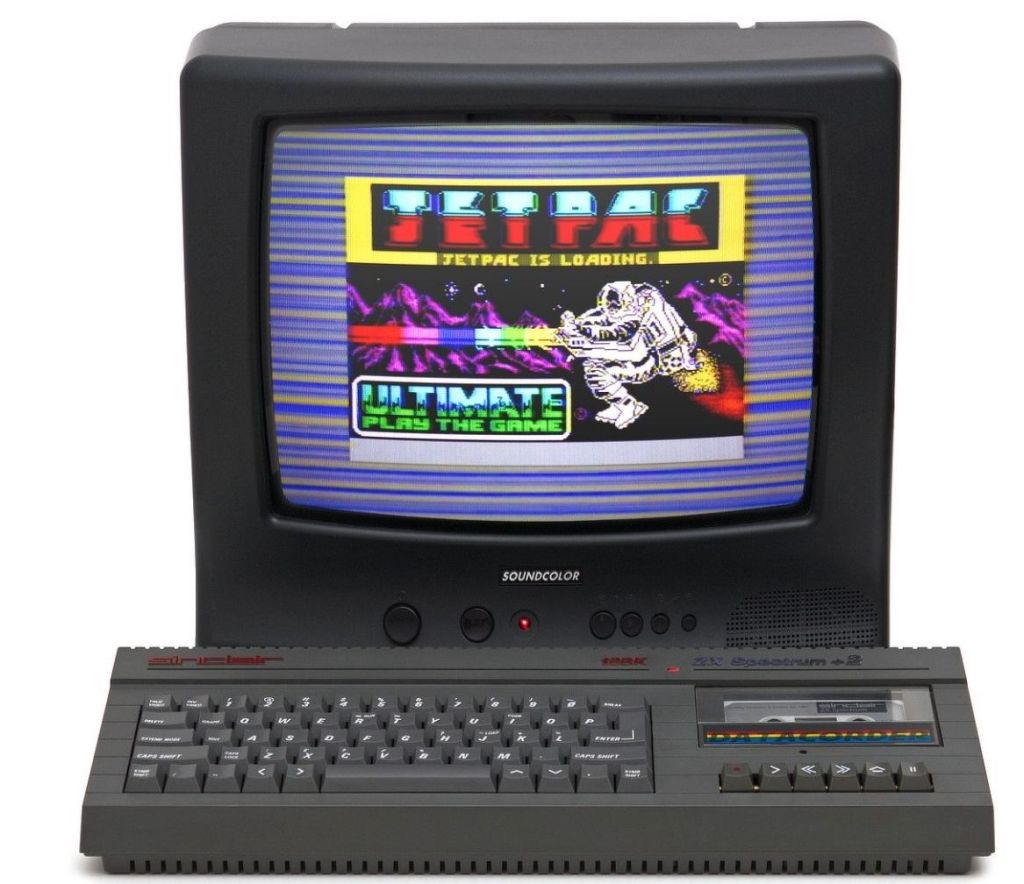
Ultimate wasn’t just another British game studio. While other developers were content to churn out simple, single-screen arcade-style games, the Stampers were pushing boundaries. They had an almost obsessive approach to getting the most out of the Spectrum’s limited hardware. Their games didn’t just play well; they looked leagues ahead of anything else on the market. Titles like “Sabre Wulf” and “Jetpac” were masterclasses in efficiency, packing fast gameplay, smooth scrolling, and tight mechanics into a machine that had no business handling that kind of complexity.
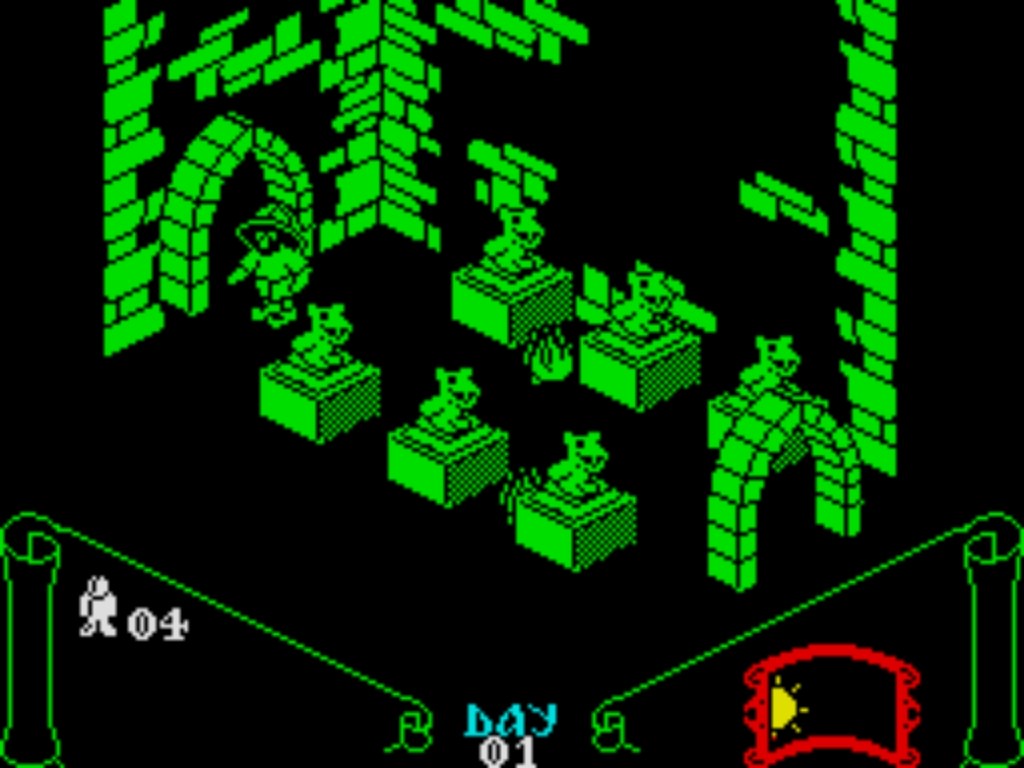
But their true technical masterpiece was “Knight Lore.” Released in 1984, it introduced the now-famous Filmation technique, a form of isometric 3D that created an entirely new perspective in gaming. While most Spectrum games were flat, “Knight Lore” created the illusion of depth and movement in a way that seemed impossible at the time. It wasn’t just a graphical gimmick—this new perspective allowed for more intricate puzzles and gameplay that felt truly revolutionary. The Stampers had actually completed Knight Lore long before they released it. Instead of launching it right away, they held onto it, waiting until the market was ready for such a leap forward. And when it finally hit, it left everything else looking outdated overnight.
From Pixels to Powerhouse
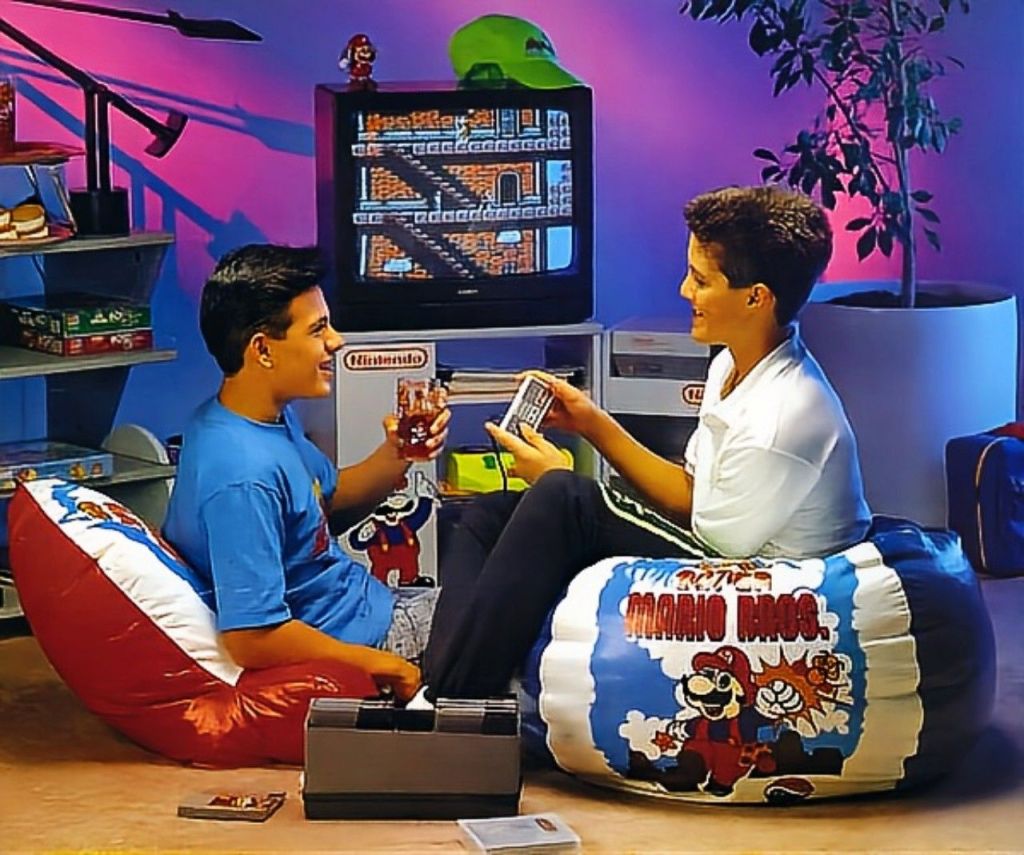
That kind of strategic brilliance set the Stampers apart. They weren’t just programmers, they were forward-thinkers who saw where gaming was headed before anyone else did. But they also knew that staying ahead meant moving on. As much as they had dominated the Spectrum scene, the Stampers recognized that the real future lay elsewhere—specifically, in a little gray box from Japan known as the Nintendo Entertainment System
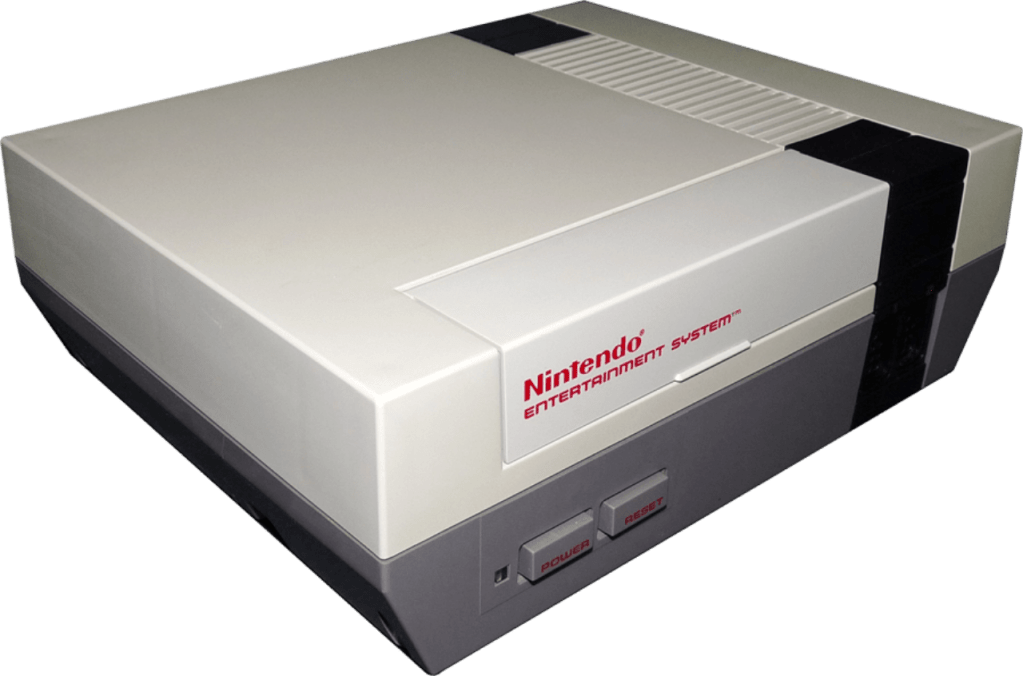
Their transition from Ultimate Play the Game to Rare was as bold as it was brilliant. Unlike many Western developers at the time, who were skeptical of the NES or simply unfamiliar with it, the Stampers saw its potential immediately. But rather than waiting for Nintendo’s blessing, they did something unheard of: they reverse-engineered the console. With no documentation, no development kits, and no outside help, they painstakingly figured out how the NES worked from the inside out. This level of technical dedication was unheard of at the time. Most developers would work within the constraints given to them, but the Stampers weren’t satisfied with limits. They wanted to break them.
Rising to the Top the NES Charts
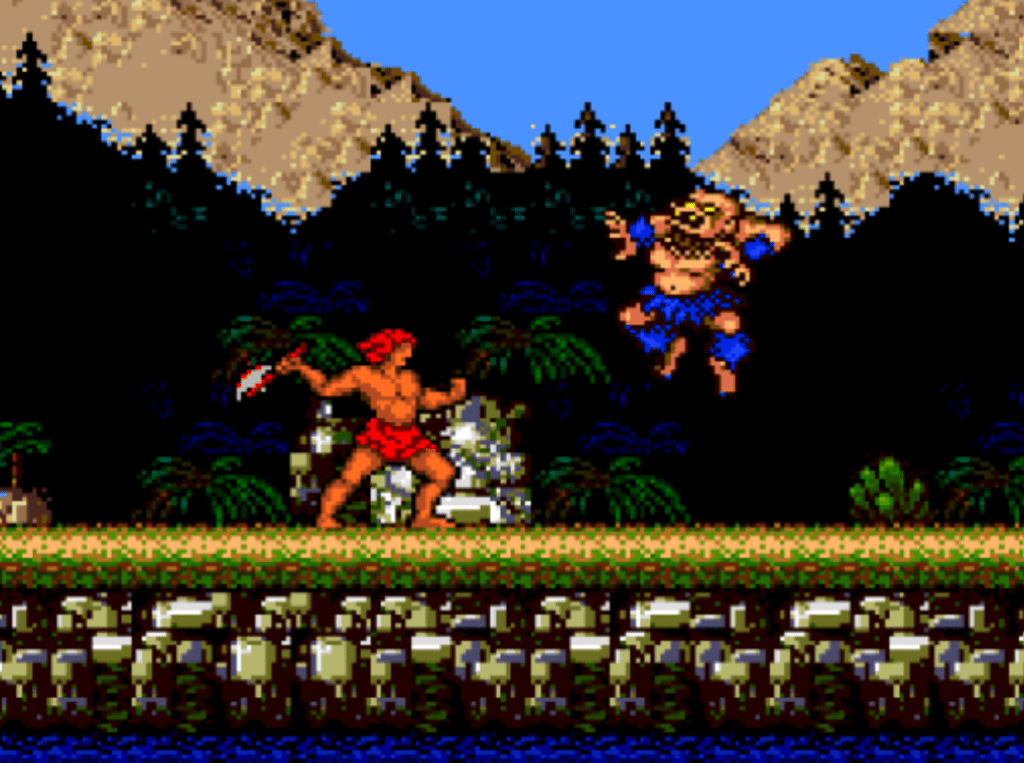
And that’s exactly what they did. By the time Nintendo Power featured Rare, the company had already established itself as one of the most technically advanced studios working on the NES. Their games didn’t just look better; they performed better. R.C. Pro-Am, for example, managed to create a pseudo-3D effect that made the NES feel far more advanced than it was. Wizards & Warriors introduced larger, more detailed sprites and fluid animations that felt miles ahead of most platformers of the time. And then, of course, there was Battletoads, a game that not only pushed the system to its limits but also pushed players’ patience to theirs with its infamously brutal difficulty.

But what made Rare’s games stand out wasn’t just their technical wizardry—it was their personality. Unlike the cookie-cutter platformers and generic action games that flooded the NES library, Rare’s titles had a distinct style. They were quirky, colorful, and often filled with a wry sense of humor that made them feel different from anything else. Whether it was the goofy medieval fantasy of Wizards & Warriors or the slapstick insanity of Battletoads, Rare’s games had an identity that made them instantly recognizable.
The Brothers Behind the Magic
And then, there were the Stampers themselves. While many game developers of the time were happy to step into the spotlight, Chris and Tim were content to remain something of an enigma. Nintendo Power’s feature gives a rare (no pun intended) look into their personalities, and it only adds to their mystique. Tim, the technical mastermind, spent his free time breeding giant horses—because why not? Chris, the creative force, had a passion for ham radios and stargazing. These weren’t your typical businessmen or corporate execs, they were eccentric geniuses who happened to make some of the best video games of their era.
Perhaps the most tantalizing part of the article is the brief mention of a mysterious board game project the Stampers were working on. What was it? Did it ever come to fruition? We may never know. But that sense of mystery only adds to the legend of Rare’s early days. They were always a step ahead, always working on something new, and always keeping fans guessing.
A Rare Legacy
Looking back, it’s hard not to marvel at just how ahead of their time the Stampers were. Their ability to push hardware beyond its intended capabilities, their instinct for knowing when to pivot, and their knack for injecting personality into their games made them one of the most influential teams in gaming history. Nintendo Power captured them at a perfect moment—on the verge of becoming legends, but still very much the mavericks who had clawed their way to the top through sheer ingenuity and determination.
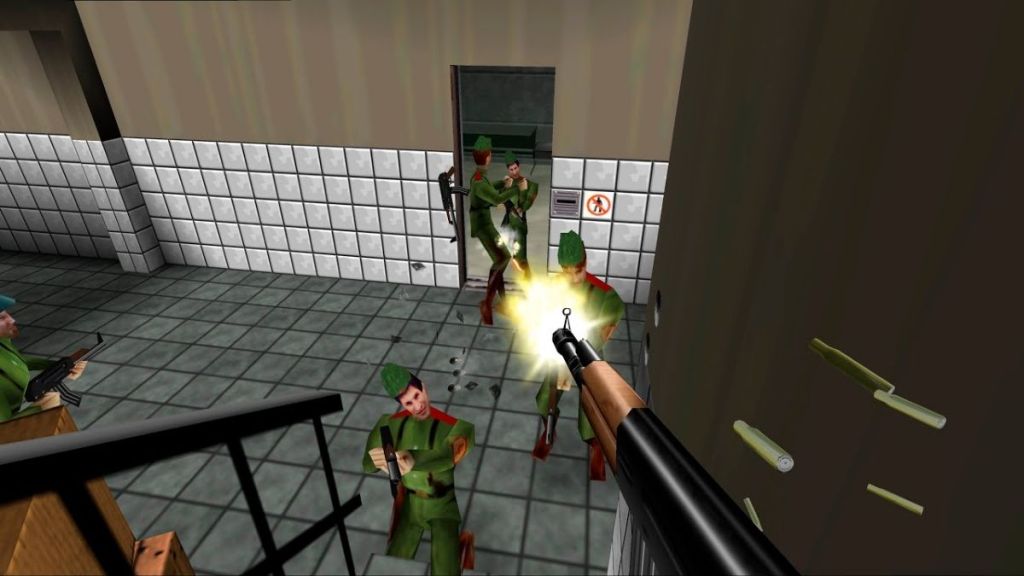
For those of us who grew up flipping through gaming magazines, discovering secrets, and soaking in every bit of industry news, that Rare feature is more than just an article—it’s a time capsule. It’s a glimpse into an era when gaming was unpredictable, exciting, and full of limitless potential. And at the center of it all were two brothers from England who saw the future before anyone else did—and had the skill to make it happen.

 PlayZine
Leave a comment