The Dream Begins
Amidst the quiet hum of a resting Mushroom Kingdom, Mario found himself pulled into the vortex of a mysterious dream. One evening, as the first star of twilight blinked into existence, a vision of an endless stairway beckoned him, culminating at a door pulsating with an otherworldly glow. Upon opening it, Mario’s eyes widened in wonder—beyond lay a world unlike any he had ever seen.
This dreamy landscape was no simple escape. A distant voice whispered, urging Mario forward. “Welcome to the World of Dreams, the land of Sub-Con. We have been waiting for you, Mario,” it echoed with haunting urgency. “We want you and your friends to fight against the evil ruler, Wart, and bring peace back to the World of Dreams.”
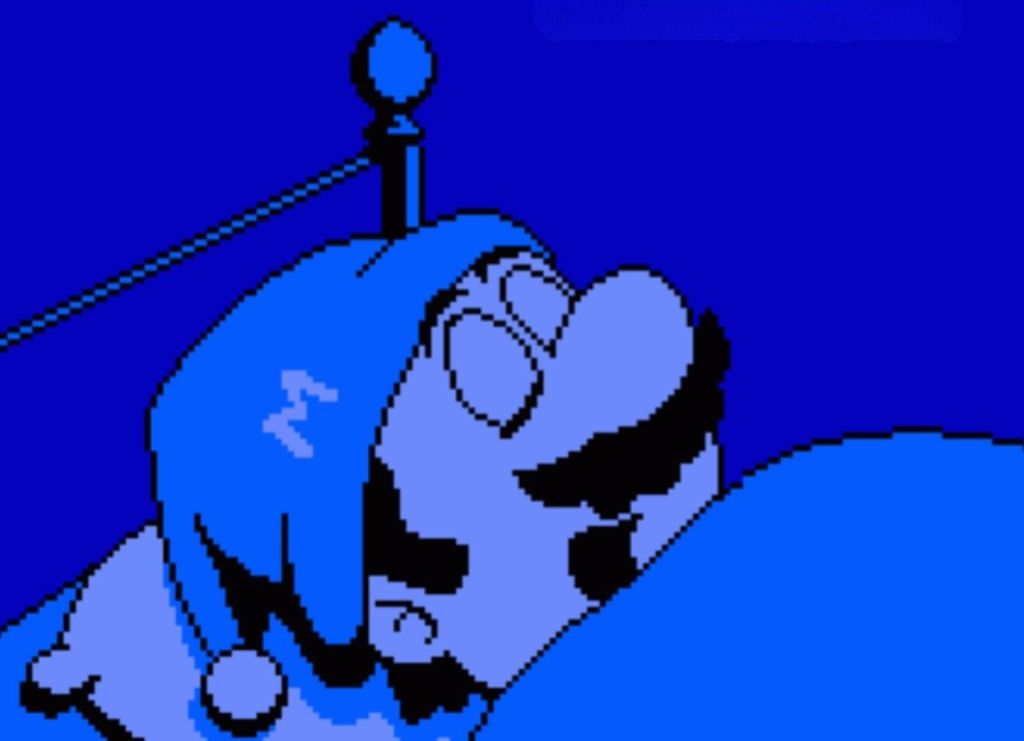
Danger lurked at every twist and turn. Strange creatures—Wart’s mischievous “moppets”—scurried about, striving to halt Mario’s journey. But he wasn’t alone. By his side were his trusted allies: Luigi, Princess Toadstool, and Toad, the ever-faithful Mushroom Retainer.
Bravery alone wouldn’t ensure victory. Mario and his team needed to study each foe’s strengths and weaknesses, turning every battle into a lesson and every challenge into a test of strategy. Their final goal? World 7, where the ominous shadow of Wart awaited. This was Mario’s most dreamlike adventure, an odyssey that blurred the lines between reality and fantasy. Dive into the story of Super Mario Bros. 2, where dreams hold power and nightmares test the very essence of heroism.
A New Kind of Mario
Released in North America in September 1988, Super Mario Bros. 2 stands as a unique entry in the Mario series, embracing a whimsical graphical style and an unconventional gameplay structure. Unlike the original Super Mario Bros., where enemies were defeated by jumping on them, this sequel introduced a new mechanic—players could lift and throw objects and enemies. This allowed for new strategies, such as using vegetables pulled from the ground to defeat Shy Guys or hurling a stunned Birdo’s egg back at it.
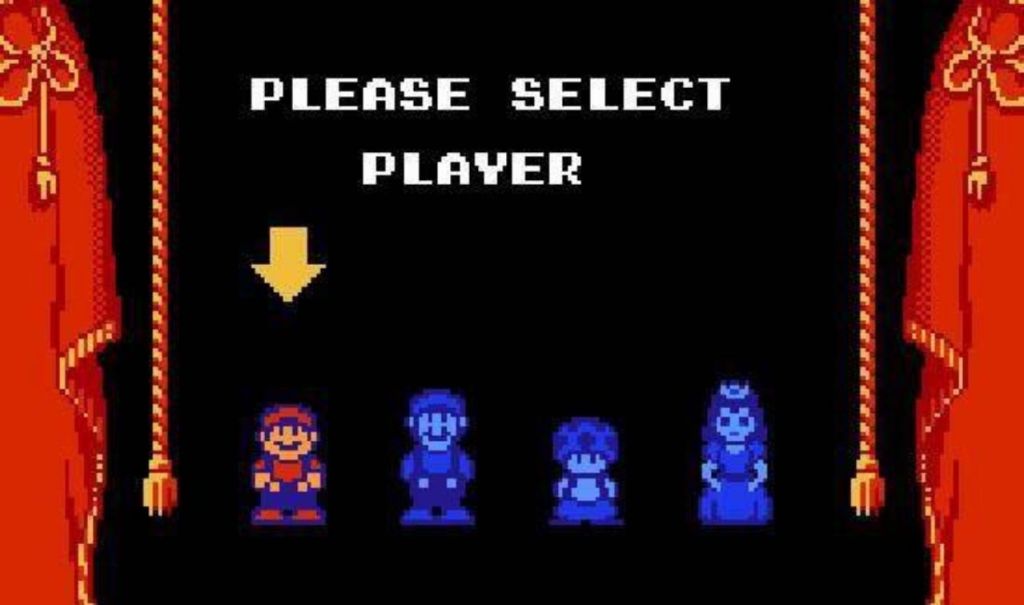
The game also introduced character selection, with each hero possessing distinct abilities. Luigi boasted the highest jump, Princess Toadstool could float mid-air, Toad picked up items rapidly, and Mario provided a balanced combination of jump and strength. This diversity added depth to the gameplay, encouraging players to experiment with different characters for various challenges.
A Fever Dream of Floating Heads and Turnip UFOs
The levels in Super Mario Bros. 2 weren’t just side-scrolling stages; they were bizarre landscapes filled with vertical climbs, underground passages, and strange floating islands. The variety was staggering—lush grasslands, icy caverns, burning deserts, and deep underground tunnels all made up Subcon’s surreal dreamscape.
One of the game’s most eerie and memorable features was its doors to hidden areas. Some rooms contained masks that suddenly sprang to life and chased you—a nightmare scenario made real when you picked up a key. These enemies, called Phantos, made unlocking doors a nerve-wracking experience, as they relentlessly pursued you until you dropped the key or made it through the door.

Then there was the real weirdness. Some plants weren’t just vegetables but space-faring turnips that transformed into rocket ships, carrying Mario and friends into the sky. Other sections featured strange, floating jars that functioned like doors, leading to underground lairs filled with enemies or power-ups. It was as if someone had taken a regular Mario game and infused it with late-night sleep paralysis energy.
Grab, Build, Throw, Repeat
Unlike the original Super Mario Bros., where bosses were mostly just Bowser breathing fire at the end of each castle, Super Mario Bros. 2 introduced a variety of bizarre and creative boss battles. The grab-and-throw mechanics led to unique confrontations where players could interact with the environment in ways that hadn’t been seen before.
Birdo, the recurring mini-boss, would spit eggs at you, and rather than avoiding them, you had to grab them mid-air and fire them right back. Later levels introduced a fire-breathing Birdo variant, raising the stakes even further.
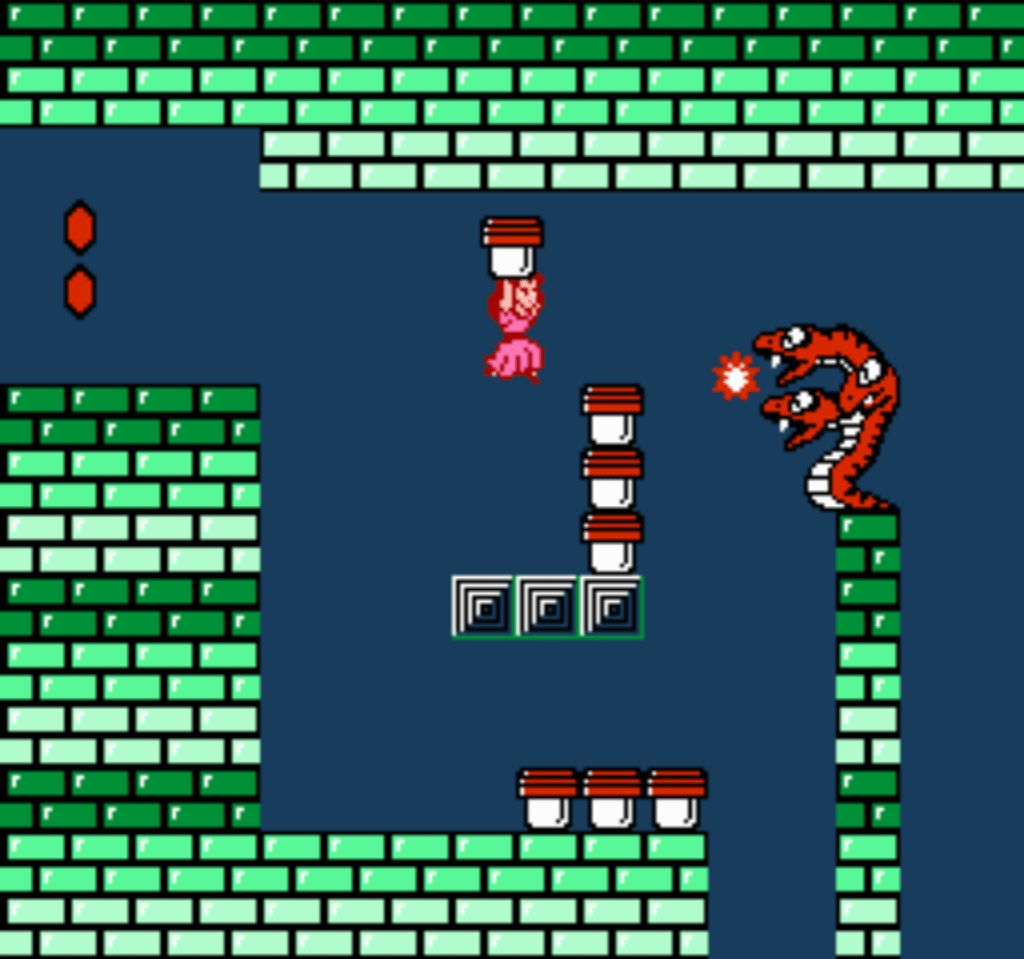
Some bosses required defensive strategies. Against bosses like Tryclyde, the three-headed snake, you could grab blocks and build a makeshift barricade to shield yourself from its fireballs while preparing to counterattack. Clawgrip, the giant crab, hurled boulders that players had to catch and return in a fast-paced battle that tested reflexes and timing.
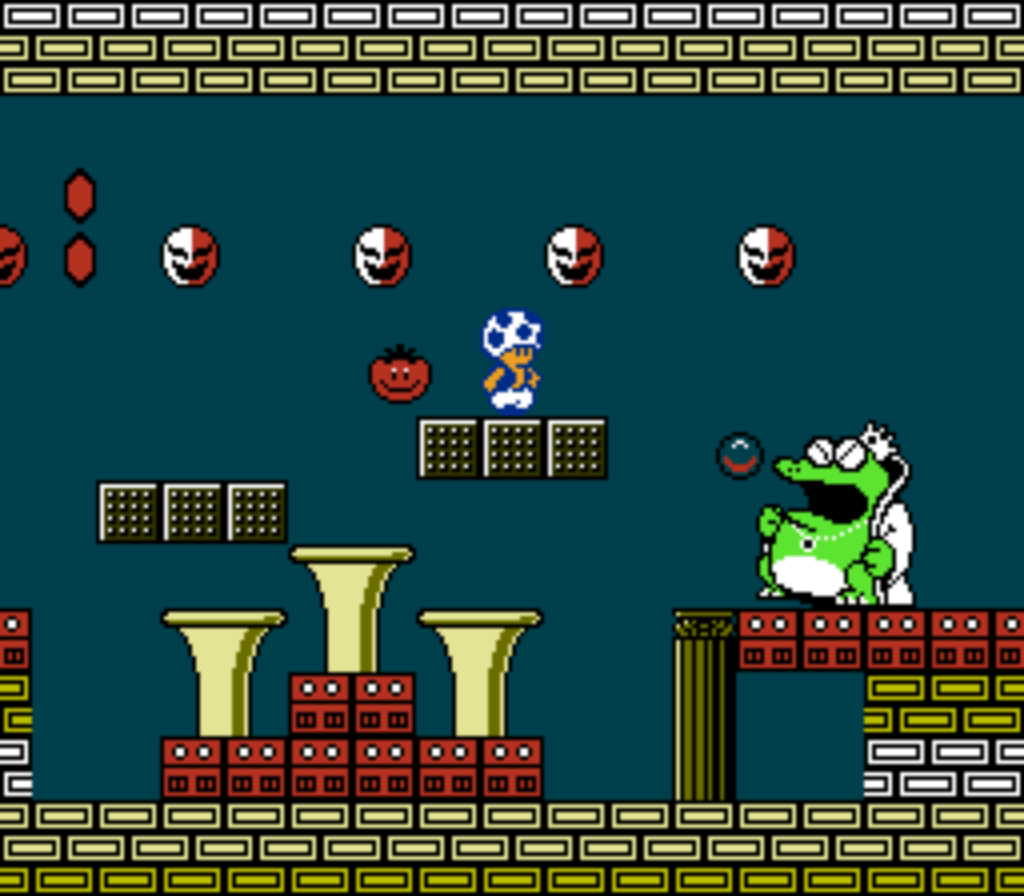
And then, of course, there was Wart—the dream world’s ruler, whose weakness was vegetables. Yes, after all the surreal battles, the final boss could only be defeated by stuffing him full of produce until he choked on his own tyranny. Who knew the fate of Subcon would be decided by an impromptu salad fight?
The Music of Subcon
Even decades later, Super Mario Bros. 2’s soundtrack remains one of the catchiest in the series. The main level theme, with its bouncy, upbeat rhythm, perfectly complemented the dreamlike adventure. It was energetic without being overbearing, giving the game a playful yet mysterious atmosphere.
Then there was the underground theme, a slower, almost hypnotic melody that made underground sections feel surreal and slightly eerie. The boss battle music ramped up the tension, signaling that chaos was about to ensue. And of course, the final confrontation with Wart had an appropriately grand and dramatic theme—though one could argue it was a bit too majestic for a battle involving projectile vegetables.
Even the game’s victory theme felt different from other Mario titles, with a whimsical, almost fairytale-like flourish that reinforced the idea that this entire adventure took place within a dream.
A Dream Worth Remembering
Yet, for all the dreamy escapism Super Mario Bros. 2 provided, few players knew its fascinating development history. The game Western audiences received wasn’t originally a Mario title. It began as Yume Kōjō: Doki Doki Panic, a Famicom Disk System game in Japan. This version featured a different set of characters—a family attempting to rescue kidnapped children trapped inside a magical book.
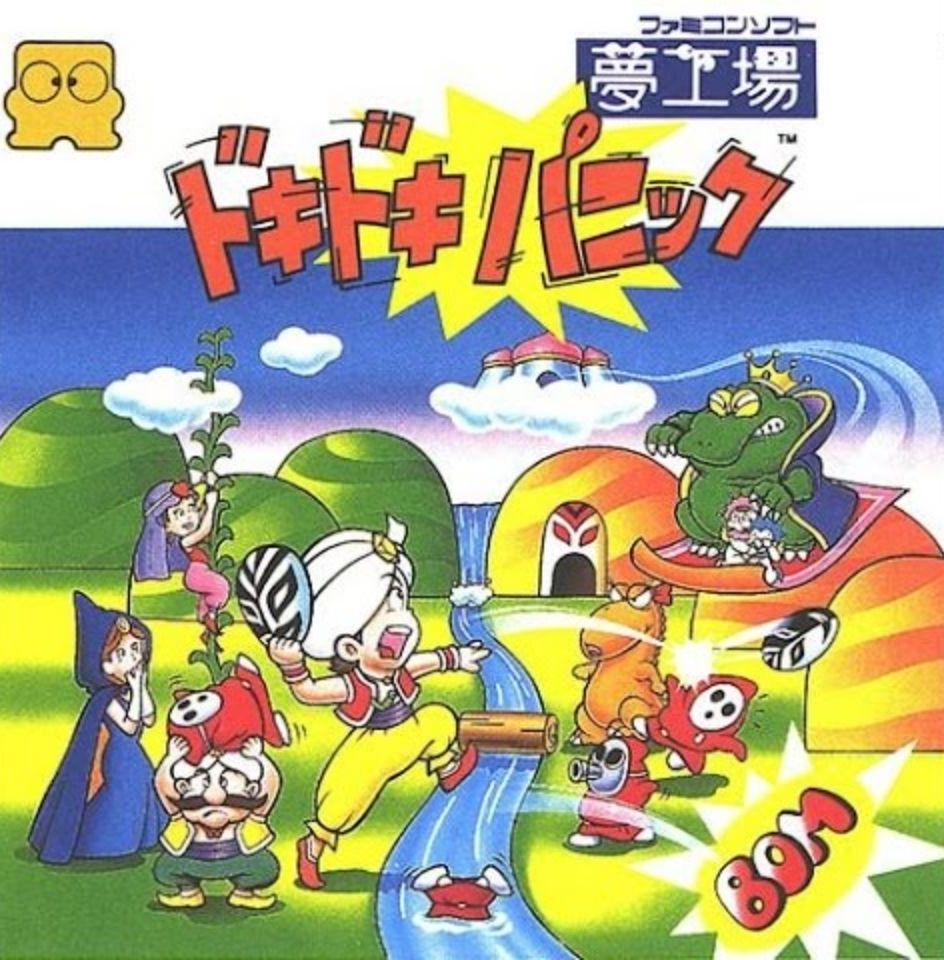
Nintendo of America needed a follow-up to Super Mario Bros. but faced a dilemma. The Japanese Super Mario Bros. 2—a brutally difficult game nearly identical in style to the first—was deemed too challenging for the American market. Howard Phillips, a key Nintendo of America figure, discovered this when he mistakenly grabbed a poison mushroom, expecting a power-up, and found the game far too punishing for casual players.
At the same time, Nintendo worried that releasing such a similar sequel might make the franchise feel stagnant in Western markets. Phillips, recognizing the potential in Doki Doki Panic’s mechanics but seeing an opportunity to integrate Mario, voiced his concerns to Minoru Arakawa, then-president of Nintendo of America. The timing was perfect. Under Shigeru Miyamoto’s guidance, Nintendo’s R&D4 division transformed Doki Doki Panic into Super Mario Bros. 2, refining its gameplay and integrating Mario characters.
The result was a game that, while vastly different from its predecessor, became an unforgettable chapter in Mario history. It introduced fresh mechanics, distinct playable characters, and a dreamlike world that would later influence future Mario games.

Though it diverged from the typical Mario formula, Super Mario Bros. 2 remains a fan-favorite for its unique mechanics, vibrant dreamlike world, and unforgettable characters. It stands as a testament to the creative risks Nintendo was willing to take, and its surreal, almost whimsical departure from the standard Mushroom Kingdom formula continues to make it a fascinating piece of gaming history. For those who played it growing up, Super Mario Bros. 2 wasn’t just another Mario game—it was a doorway into a stranger, more mysterious world that felt as magical as stepping into a dream.
 PlayZine
Leave a comment