The Magazine That Defined a Generation
At PlayZine, we don’t just flip through old gaming magazines—we play them. We relive them as they were meant to be experienced: cover to cover, page by page, soaking in the nostalgia and remembering what it felt like to be a kid, flipping through the latest issue with the controller on your lap ready to jump into action once you’ve cracked the latest challenge. And if there’s one magazine that deserves this treatment, it’s Nintendo Power.

More than just a gaming guide, Nintendo Power was a cultural event, a direct line from Nintendo to its most devoted players. It wasn’t the first gaming magazine, but it was the one that changed everything. Unlike other video game magazines of the time that reviewed games from a journalistic perspective, Nintendo Power was pure hype—a glossy, high-energy marketing machine that felt like an extension of the Nintendo universe itself.
The story of Nintendo Power begins with the Nintendo Fun Club News, a humble newsletter sent to fans in the late ‘80s. Helmed by Nintendo of America’s Gail Tilden and Howard Phillips, the newsletter was free, packed with game tips, previews and promotional content. But it wasn’t enough. As Nintendo’s dominance over the home console market grew, so did the demand for more. In 1988, Nintendo Fun Club News evolved into a full-fledged magazine: Nintendo Power.
The first issue, released in July/August 1988, came out swinging. With over 100 pages of content, Nintendo Power wasn’t just a magazine—it was a strategy guide, a hype machine, and a community hub, all rolled into one. The launch was massive, with 3.6 million copies printed and sent to every Nintendo Fun Club member for free. That issue, featuring Super Mario Bros. 2 on the cover, set the tone for what Nintendo Power would become.
A New Era of Gaming Journalism
Unlike traditional magazines, Nintendo Power wasn’t about reviewing games with critical objectivity—it was about selling the dream. The magazine was packed with deep-dive strategy guides, colorful maps, exclusive previews, and developer interviews that made every new release feel like the biggest event in gaming. It was more than just print—it was a portal into the world of Nintendo.
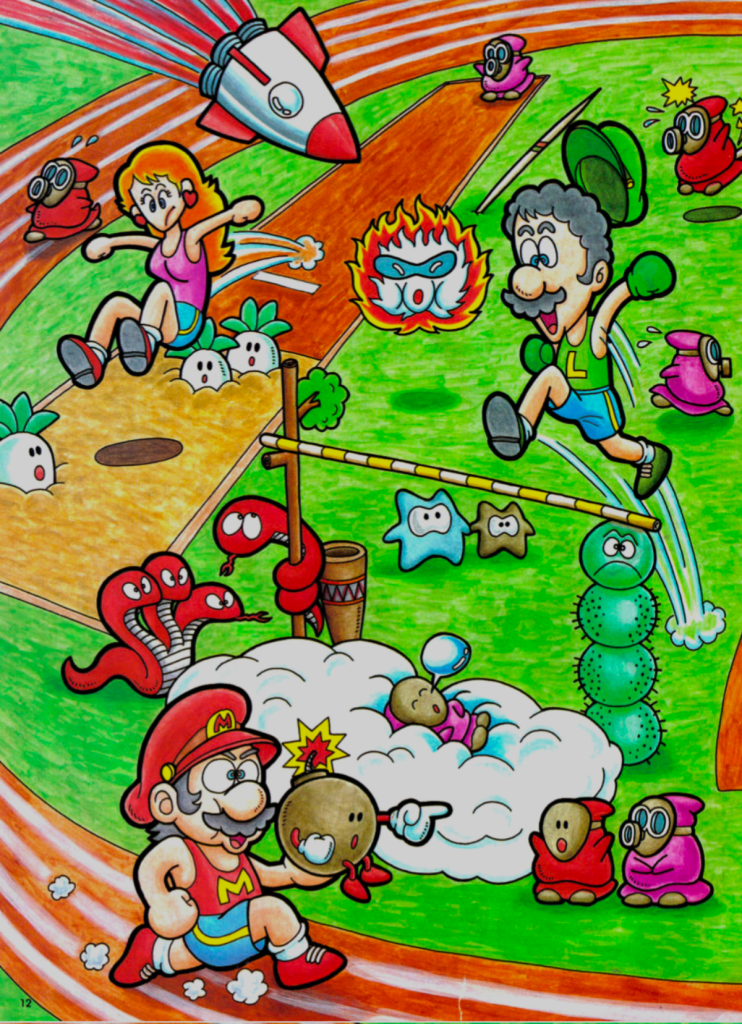
The first three issues of Nintendo Power give us a perfect snapshot of what made it special. With Super Mario Bros. 2 leading the charge, the magazine didn’t just introduce players to a new game—it pulled them into a different kind of Mario experience. Gone were the familiar enemies and power-ups, replaced with a strange, dreamlike world where vegetables were weapons and teamwork was key. Nintendo Power gave players a deeper appreciation for this bold departure, highlighting the game’s unique mechanics and encouraging them to experiment with each character’s strengths.
Alongside Mario’s latest outing, Castlevania II: Simon’s Quest demanded patience and persistence. It wasn’t a straightforward action game like its predecessor, it blended platforming with RPG elements, forcing players to navigate an eerie, shifting world that without a guide, many players were doomed to wander aimlessly, trying to decipher its strange, often mistranslated clues. Nintendo Power stepped in to decode the mystery, providing maps, item locations, and hints that made the game’s esoteric logic a little less punishing.
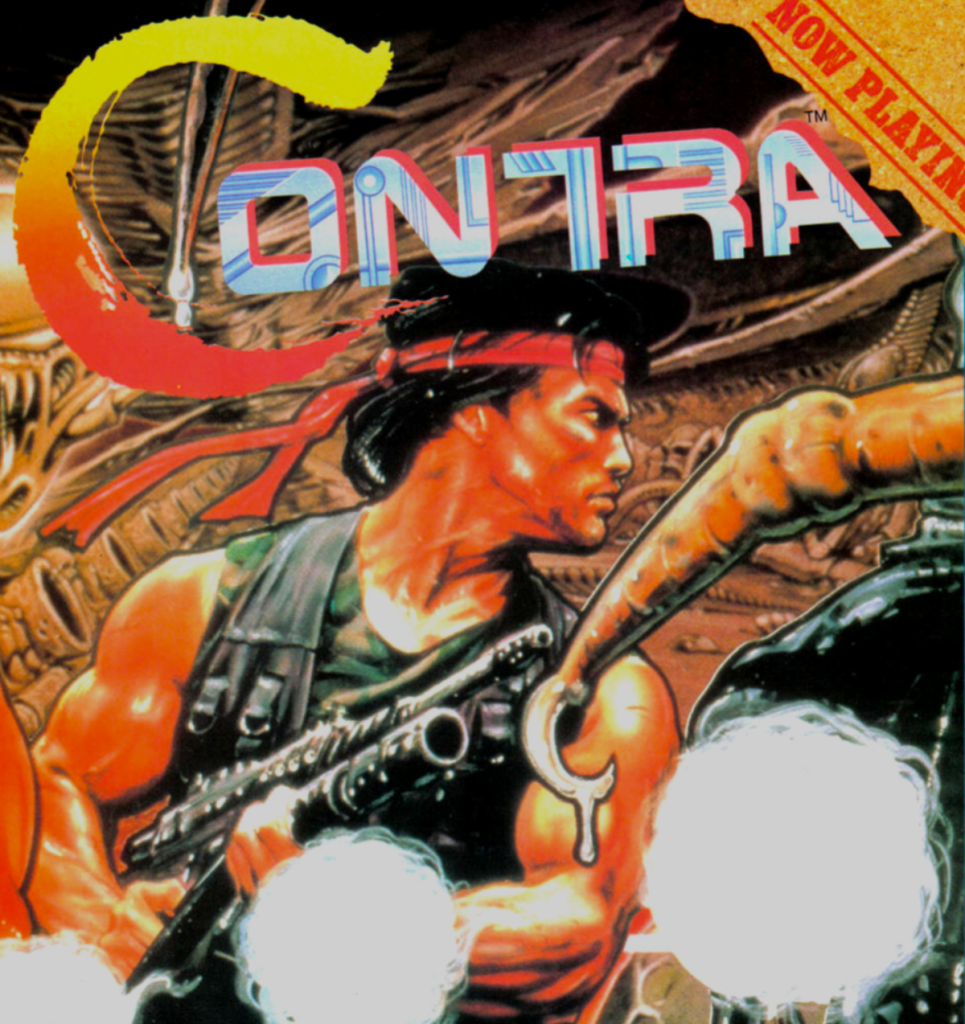
And then, of course, there was Contra—the game that made side-scrolling action feel like an all-out war. This was a game built on adrenaline, best played with a friend and a steady trigger finger. Nintendo Power didn’t just report on it—it cemented it as a staple of NES multiplayer gaming. If you didn’t know the Konami Code before, you did after reading Nintendo Power, making sure that every kid had a fighting chance against the relentless alien invasion.
More Than Just Games
But Nintendo Power wasn’t just about the games—it was about gaming culture. The magazine cultivated a sense of community that set it apart from anything else at the time. Readers could submit their high scores to be featured in the “NES Achievers” section, write letters to the editors, and even get direct help from Nintendo Power’s game counselors.
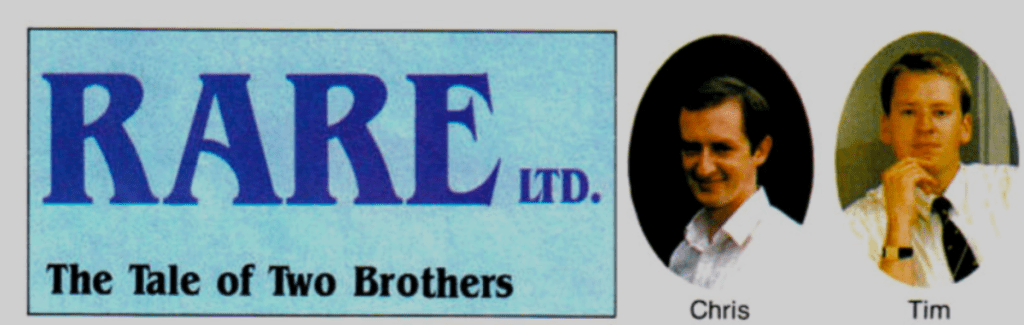
One of the standout features in these early issues is the Rare Ltd. article, profiling the now-legendary studio behind Wizards & Warriors and R.C. Pro-Am. The story of Chris and Tim Stamper, two British brothers who built one of the most innovative studios in gaming, is packed with fascinating details—like how they got their start in the arcade business, how their breakout game Jetpac put them on the map, and how their success led them to literally buying Lamborghinis and taking up piloting. It’s a glimpse into an era when game developers were rock stars—and Nintendo Power made sure players knew their names.
Beyond gaming, Nintendo Power also covered pop culture, showing just how deeply Nintendo had embedded itself into mainstream entertainment. The NES Journal section features Big Top Pee-wee, a circus-themed adventure for Paul Reubens’ famous character, Eight Men Out, a baseball drama about the infamous Black Sox scandal, and Vibes, a mystical adventure film starring Cyndi Lauper and Jeff Goldblum (because why not?). The magazine wasn’t just reporting on video games—it was connecting them to the larger cultural landscape.
One article even breaks down what an RPG is, explaining to a generation of action-platformer-loving NES kids why they should care about games like Ultima and Legacy of the Wizard. Today, it’s hard to imagine a world where RPGs needed explaining, but in 1988, they were still a niche genre. Nintendo Power played a key role in preparing players for the RPG boom that was just around the corner.
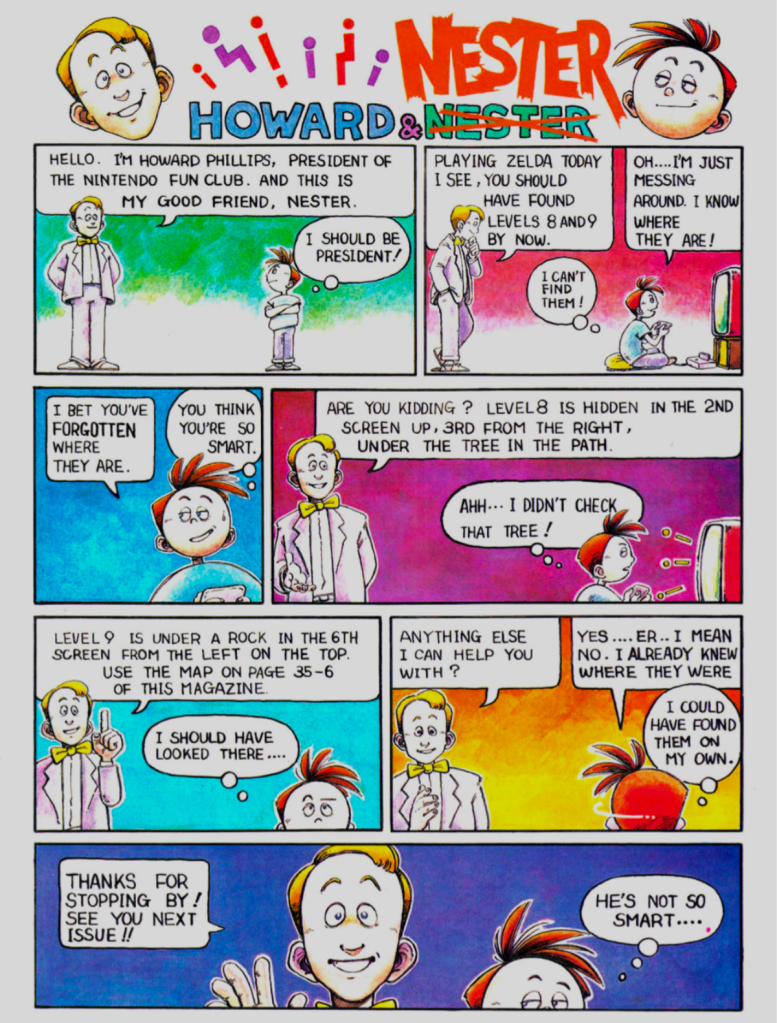
The magazine even had its own mascot—Nester, the cocky, overconfident gamer who starred in the Howard & Nester comic strip. Originally paired with Nintendo executive Howard Phillips, Nester became the face of Nintendo Power’s attitude: brash, funny, and totally obsessed with games. The comics made the magazine feel alive, giving readers a character they could identify with (or roll their eyes at).
Playing Through the Legacy
Flipping through these first few issues today, it’s impossible not to feel the energy that made Nintendo Power special. It wasn’t just about selling games—it was about creating an experience. It hyped up every new release like it was a blockbuster event, making kids everywhere feel like they were part of something bigger than just gaming.
At PlayZine, we’re not just remembering Nintendo Power—we’re playing through it. These first three issues capture a time when video games felt limitless, when every new release was an adventure waiting to be discovered. And just like the kids in 1988, we’re flipping through these pages with that same excitement—because Nintendo Power wasn’t just a magazine, it was the heart of gaming in the 80s.
 PlayZine
Leave a comment