Gaming Media’s First Draft
Before strategy guides lined store shelves, before YouTube walkthroughs, and long before the algorithm curated our gaming news, there were the newsletters. These fragile, stapled pamphlets weren’t merely mailroom marketing gimmicks but written with an enthusiasm so earnest it bordered on chaotic. They were lifelines, secret keys to the worlds we desperately wanted to understand better, and most importantly, love letters to the growing culture of gaming.
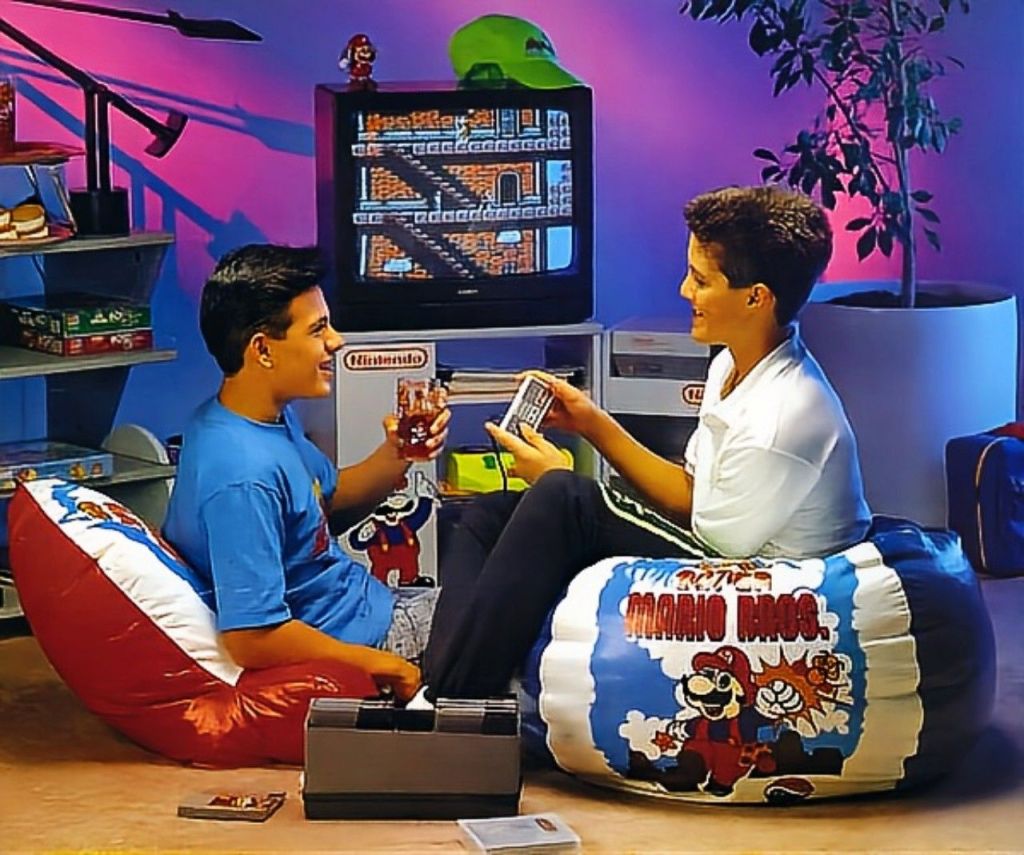
Flipping through them now, it’s impossible not to feel the nostalgia for their charm and their flaws. The Nintendo Fun Club Newsletter beamed with Howard Phillips’s relentless positivity, an artifact of a simpler, gentler time in marketing. Sega’s Challenge Newsletter, on the other hand, had all the subtlety of an arcade machine’s attract mode: loud, competitive, and trying so hard to carve out a space in Nintendo’s shadow.

What these newsletters lacked in polish, they more than made up for in sincerity. Every tip, every high-score challenge, every cryptic tease of a game you hadn’t heard of yet felt like a whisper passed between friends. They didn’t just inform, they cultivated belonging.
The Adventure that Began in your Mailbox
The newsletters were your ticket to a time when discovery felt like an adventure all its own. Forget instant updates or endless leaks—back then, getting a newsletter in your mailbox was like unearthing buried treasure. It wasn’t just some random gaming update—it was a secret handshake from the industry, inviting you to unlock mysteries and explore possibilities that would make you the playground legend.

Maybe you’d heard rumors about The Legend of Zelda, maybe a friend swore there was a secret in Punch-Out!! you hadn’t found, but the newsletter arriving in your mailbox? That was confirmation. It wasn’t just an update, it was an event.
When the Nintendo Fun Club dropped vague hints about an ice beam in Metroid, you didn’t have a walkthrough to rely on. You had a single sentence, maybe two, and a weekend’s worth of determination to find out what it meant. If Sega teased a leaderboard in After Burner, you spent the next month chasing a high score that might land your name on the scoreboard, mailed in via postcard, with no guarantee you’d ever hear back.
The newsletters taught us that earning knowledge—working for it—was part of the thrill. Every scrap of information was a prize, and every discovery felt personal.
How the Newsletters Built 80s Gaming Culture
The newsletters didn’t just reflect gaming culture, they built it. They taught us that games weren’t solitary escapes—they were communal. Submitting a score to Sega Challenge or seeing your name in the Fun Club’s mailbag wasn’t about fame, it was proof that you belonged.

It would be easy to dismiss these newsletters as quaint relics of a simpler time, but that would be missing the point. They represent a kind of interaction and excitement that modern gaming media, for all its advancements, sometimes struggles to replicate. There was something raw and personal about those pages—something that reminded you that gaming was as much about the journey as the destination.
The newsletters didn’t just tell you what to do—they invited you to imagine. To dream about what could be waiting in the next dungeon, the next cartridge, the next issue. And in doing so, they captured the very essence of what makes gaming magical: the sense of endless possibility.

They showed us that gaming wasn’t a fad, even when the rest of the world doubted it. After the crash of the early ‘80s, video games felt fragile, like a toy you weren’t sure would last. The newsletters didn’t just hype new games, they radiated confidence in the medium itself. They told us that gaming wasn’t just surviving—it was thriving.
Most of all, they reminded us that gaming was more than a collection of cartridges or pixels on a screen. It was a shared adventure, one that started in your living room and extended into classrooms, playgrounds, and even your mailbox.
Looking Ahead
As we turn the page to the next era in gaming history, PlayZine Issue 2 will dive into the dawn of Nintendo Power. This was the moment gaming’s relationship with its audience changed forever. Bigger, bolder, and more ambitious, Nintendo Power was both a celebration of how far gaming had come and a declaration of where it was headed. The newsletters couldn’t last forever. By the late ‘80s, they were outgrowing their limited pages and modest ambitions. The Nintendo Fun Club transformed into Nintendo Power and Sega Challenge into Sega Visions.

But something was left behind in the transition. The intimacy of the newsletters—the feeling that Howard Phillips or John Sauer had written directly to you—was hard to replicate on glossy pages. The magic wasn’t gone, but it was changing, growing alongside the industry itself.
So as we close this chapter and look toward the rise of Nintendo Power, we take a moment to honor these first newsletters, these humble beginnings. They were imperfect, unpolished, and sometimes unintentionally hilarious, but they were also groundbreaking. They weren’t just marketing—they were the first draft of gaming’s story, one we’re still writing today.


 PlayZine
Leave a comment