The Games of the Sega Master System
The Sega Master System might not have been the NES killer Sega hoped for, but for those who had one, it delivered a unique mix of fast-paced arcade ports, experimental platformers, and ambitious RPGs that pushed 8-bit gaming forward. Back in the late ‘80s, before GamePro and EGM gave these games the deep-dive treatment, Sega had its own way of hyping them up: the Sega Challenge newsletter. It wasn’t just marketing—it was a way for Master System fans to get a first look at what was coming.
Looking back at these previews, we get a fascinating snapshot of what made the Master System special: the thrill of the arcade at home, platformers that broke the mold, and RPGs that felt ahead of their time. We’ll cover many of these in later issues when they get deeper coverage in EGM and GamePro but for now we get a good overview of how the early Sega Master System games stacked up to the Nintendo carts we’ve covered so far.
Arcade Action: The Speed and Spectacle of the Coin-Op Era
If Sega had one major advantage over Nintendo, it was its arcade pedigree. While the NES had some solid arcade conversions, Sega was in a league of its own when it came to bringing that fast-paced, high-intensity experience home. The Master System couldn’t fully replicate the power of its coin-op counterparts, but it got shockingly close, delivering fast-moving sprites, smooth scrolling, and heart-pounding action. These weren’t just home versions of arcade games, they were attempts to capture the thrill of dropping quarters into a cabinet, all without the time limit of a dwindling credit.
OutRun
Racing games in the ‘80s were more about the feeling of speed than realism, and OutRun nailed that sense of freedom. Unlike most racers of the era, it wasn’t just about beating other cars—it was about getting from point A to B, choosing different routes along the way, all while listening to some of the best video game music of the time. The Master System version had to cut back on the arcade’s signature sprite-scaling, but it kept the fundamentals intact: the branching paths, the iconic tunes (Magical Sound Shower still slaps), and the need to make split-second decisions at 290 km/h.
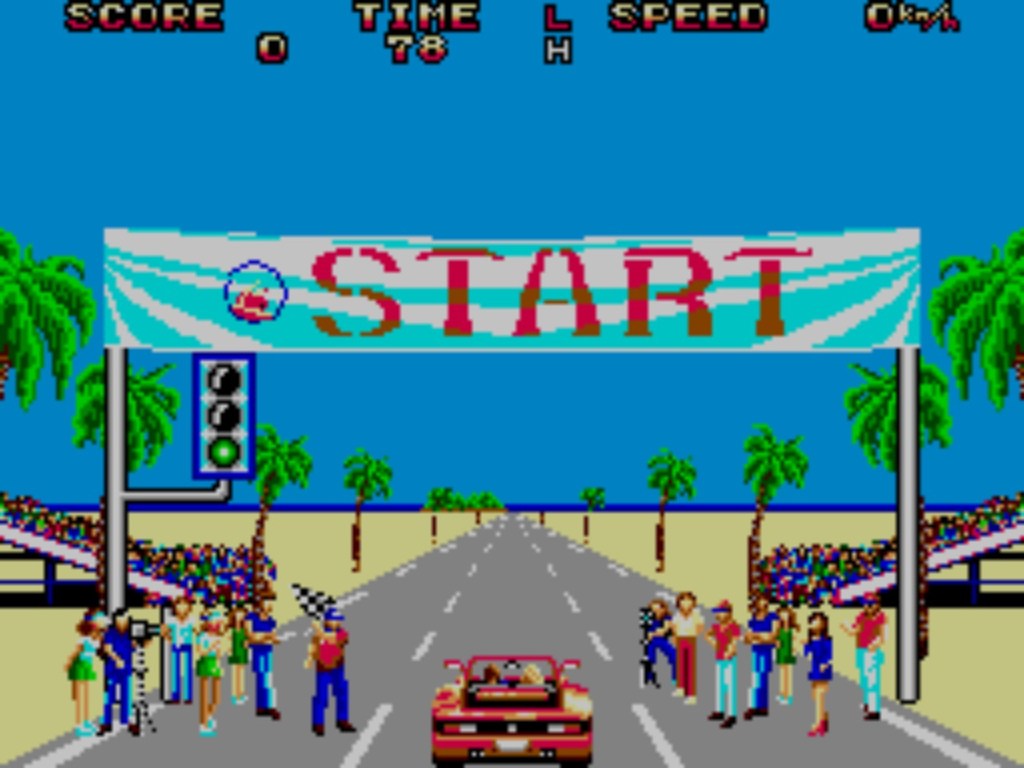
The key to OutRun was mastering those turns. Too much gas, and you’d go flying into a sign. Too little, and you’d lose precious time. It was all about rhythm, finding that perfect balance between risk and control. While the arcade version had a level of polish the Master System simply couldn’t match, the home port captured enough of the magic to make it one of the system’s standout titles.
After Burner
If OutRun was about smooth driving, After Burner was about pure chaos. You were in the cockpit of an F-14 Tomcat, dodging enemy fire, launching missiles, and pulling off wild aerial maneuvers at breakneck speeds while impersonating your favourite Top Gun quotes. The arcade version was famous for its tilting cockpit setup, which made you feel like you were actually flying. The Master System obviously couldn’t replicate that experience, but it did its best to keep the intensity intact.
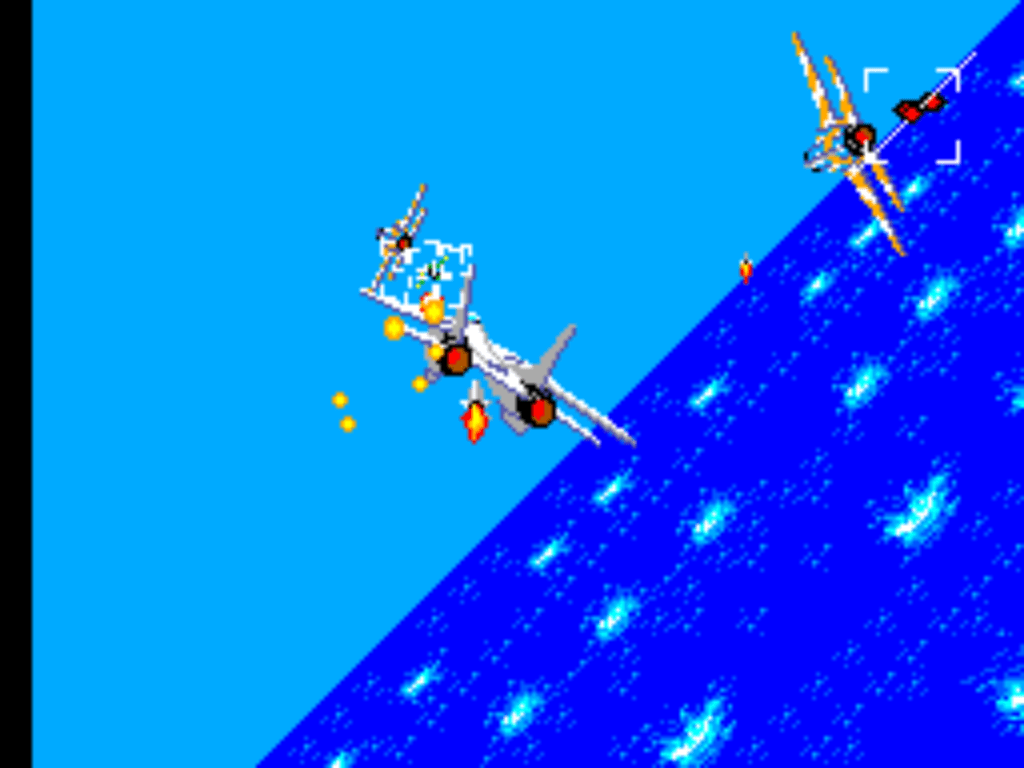
The game was fast—sometimes too fast for the hardware to keep up—but that’s what made it exciting. You had to react on instinct, rolling out of the way of incoming missiles, locking onto enemies before they overwhelmed you. It wasn’t deep, but it didn’t need to be. After Burner was all about spectacle, and even in 8-bit form, it delivered.
Shinobi
While After Burner and OutRun were about raw speed, Shinobi required precision. Sega’s arcade ninja platformer had players sneaking through enemy bases, throwing shurikens, and taking out increasingly dangerous foes. The Master System port was a faithful adaptation, keeping the game’s core mechanics intact while tweaking the difficulty to make it more forgiving than its quarter-munching arcade counterpart.
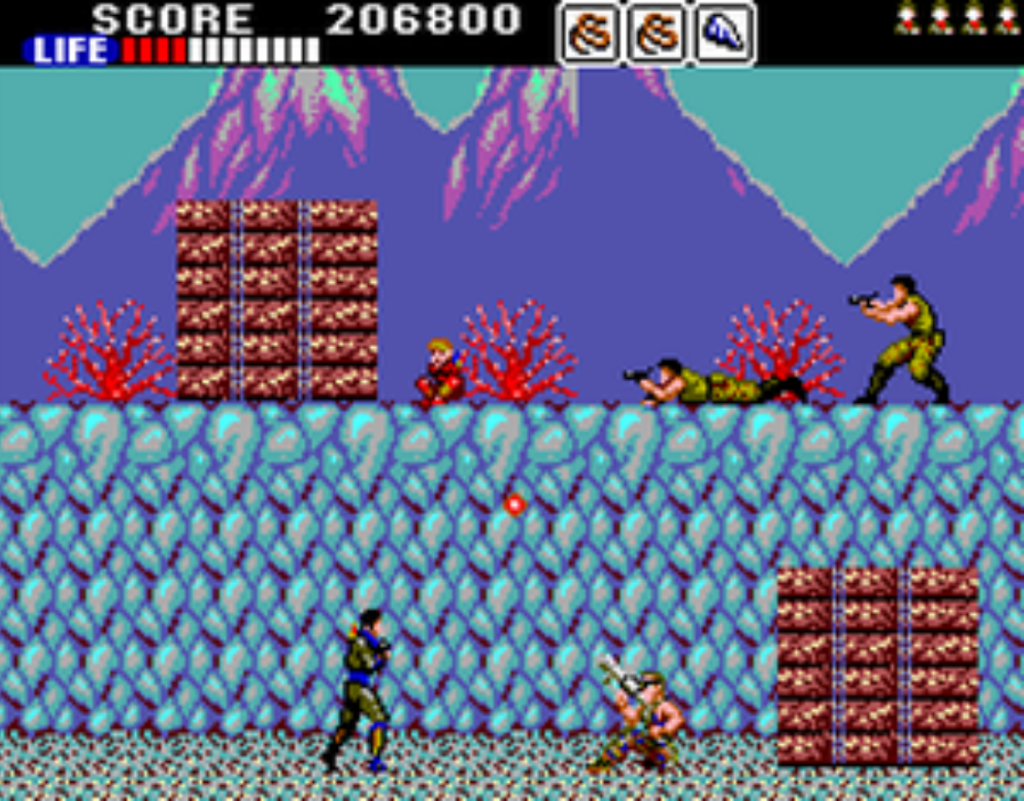
What made Shinobi stand out was its pacing. Unlike other action games that relied on constant movement, Shinobi rewarded careful timing and strategy. Enemies didn’t just rush at you—they waited, attacked from a distance, or forced you to use cover wisely. Boss battles were a test of patience and pattern recognition, from the samurai-clad warriors to the floating Mandara statues. Even with the Master System’s limitations, Shinobi retained its slick ninja aesthetic and tight controls, proving that precision gameplay didn’t have to be sacrificed in a home port.
Platforming Adventures: Beyond the Typical Run-and-Jump
The NES may have had the upper hand in the platforming genre, but the Master System wasn’t content with making simple side-scrollers. Instead, Sega leaned into experimentation, creating platformers that mixed in RPG mechanics, puzzle-solving, and even vehicle-based movement. These weren’t just games about jumping from one platform to the next; they had layers, requiring exploration, item management, and a different approach than what players were used to at the time.
Alex Kidd in Miracle World
Sega’s first attempt at creating a mascot to rival Mario was… unique. Alex Kidd in Miracle World ditched traditional power-ups in favor of punching through blocks, collecting money, and buying vehicles like motorcycles and helicopters to traverse levels. The game had a certain charm, blending traditional platforming with mechanics that felt more like an adventure game.
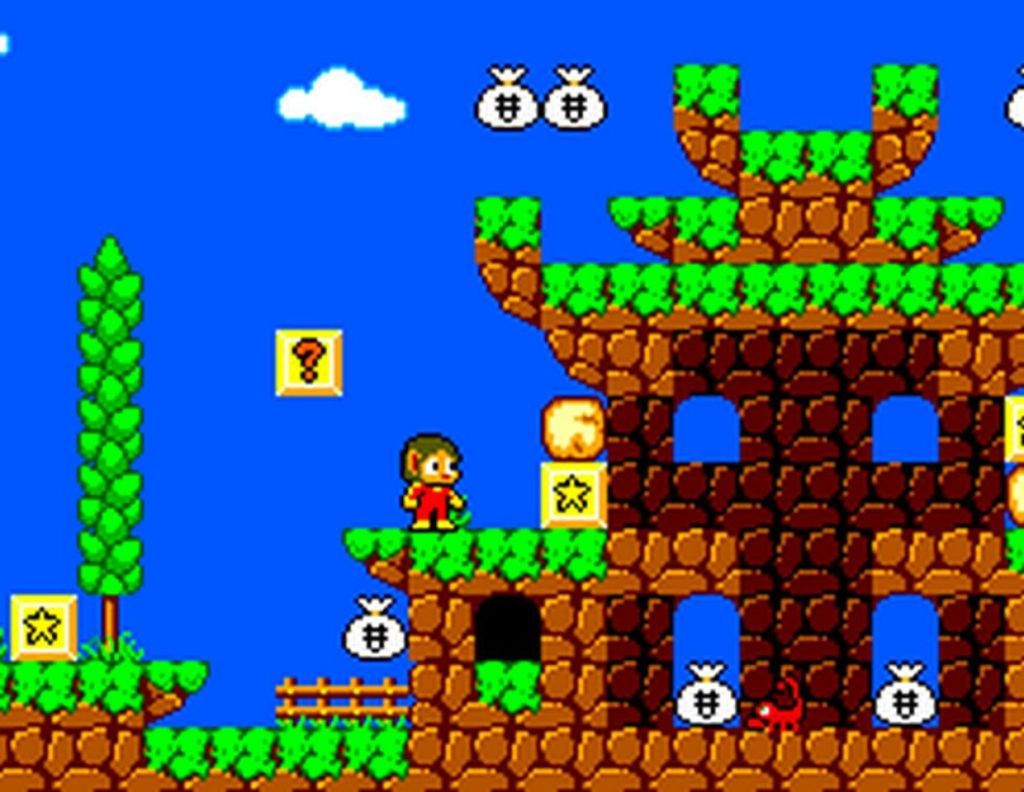
Then there was the infamous janken (rock-paper-scissors) boss fights. Instead of traditional combat, you had to win best-of-three rounds to progress, and if you lost, you lost a life. It was a frustrating mechanic, but it was also what made Alex Kidd different. Love it or hate it, it was a defining feature. While the game never reached Mario levels of popularity, it still became a key part of Master System history, especially since it was built into later versions of the console, making it unavoidable for many players.
Wonder Boy in Monster Land
What started as a simple arcade platformer evolved into something much deeper with Wonder Boy in Monster Land. This wasn’t just about running and jumping—it was a hybrid of action and RPG mechanics, where you had to manage gold, upgrade equipment, and talk to NPCs to progress.
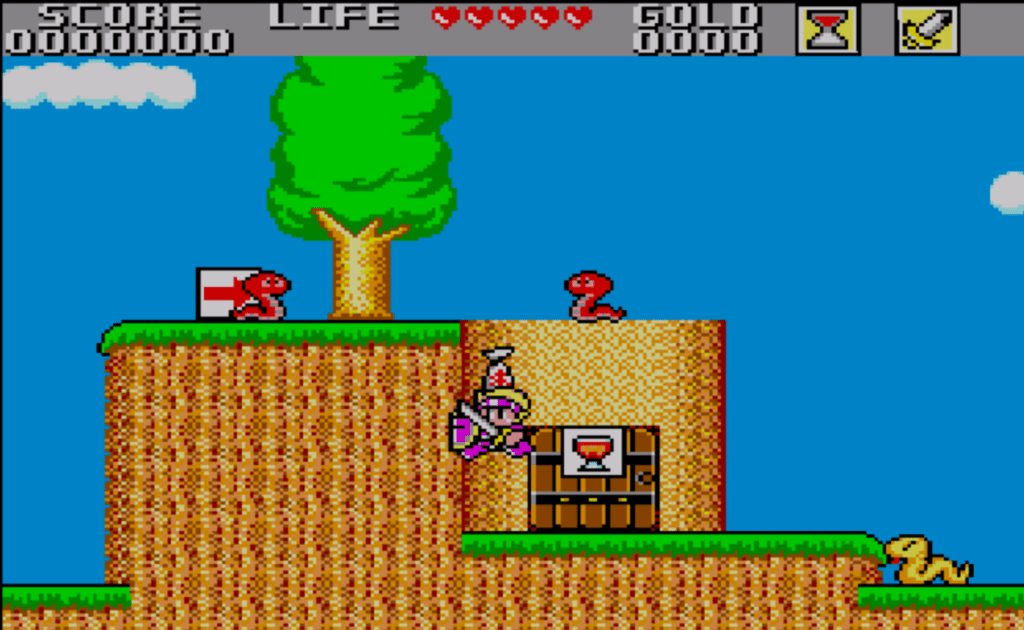
It was an early example of platformers evolving beyond linear level design, giving players more control over how they approached the game.But with depth came difficulty. Buying the wrong equipment could make later stages nearly impossible, and enemies weren’t just obstacles—they actively drained your resources, forcing you to think about every encounter. It was a game that rewarded smart decision-making just as much as fast reflexes, making it one of the most engaging platformers on the system.
RPG Epics: Ahead of Their Time
The Master System didn’t have the same RPG dominance as the NES, but the few RPGs it did have were some of the most ambitious of the 8-bit era. These weren’t simple grind-fests—they had detailed worlds, deep mechanics, and stories that felt more engaging than what most players were used to. While RPGs were still a niche genre in the West at the time, Sega’s offerings showed that the Master System could compete with the best of them.
Phantasy Star
It’s hard to overstate just how ahead of its time Phantasy Star was. With a sci-fi setting, a female protagonist, and first-person dungeon crawling, it felt like an RPG from the future. The game featured a fully developed world with multiple planets to explore, each with its own unique environments and challenges.
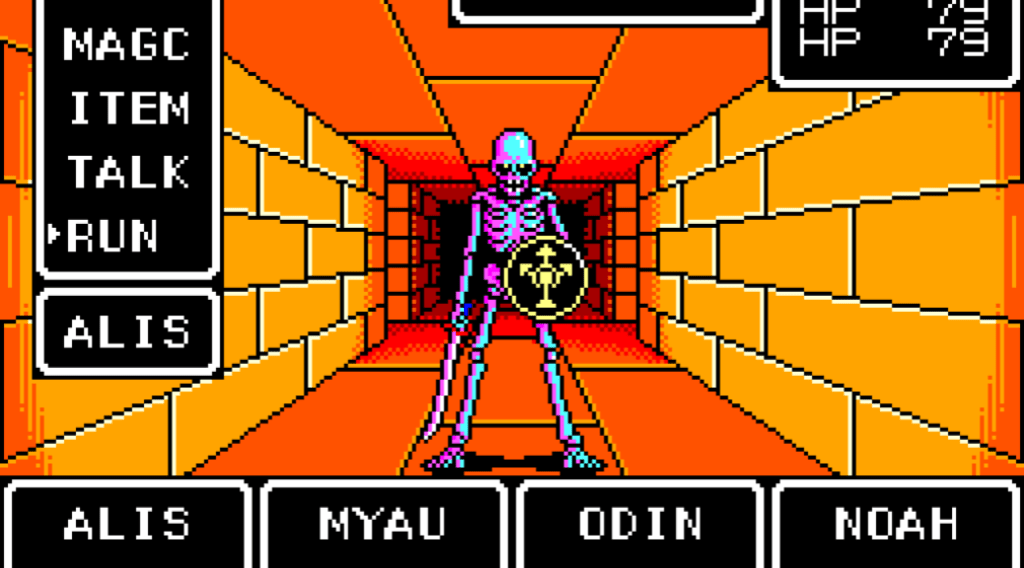
The 3D dungeons were particularly impressive, using smooth scrolling to create the illusion of depth—something that wasn’t common in 8-bit RPGs. But with innovation came difficulty, these dungeons were vast and confusing, often requiring players to map them out manually. Despite this, the story, turn-based battles, and sense of adventure made Phantasy Star a must-play, setting the foundation for one of Sega’s most beloved franchises.
Miracle Warriors: Seal of the Dark Lord
While Phantasy Star was groundbreaking, Miracle Warriors took a more traditional RPG approach. It had a vast overworld, turn-based battles, and a party of adventurers on a quest to defeat the dark lord Terarin. Unlike many RPGs of the time, it featured a unique dual-currency system—gold for standard purchases and fangs (collected from enemies) for trading rare items.
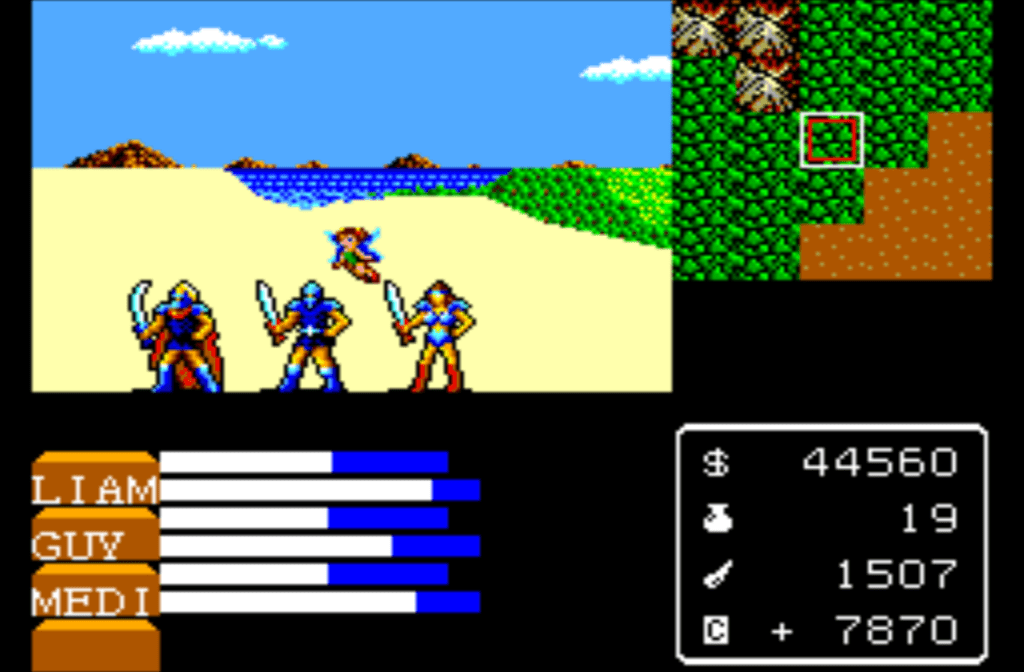
The game’s biggest challenge was its grind-heavy structure. Leveling up was essential, and random battles could be brutal if you weren’t prepared. But for those who stuck with it, Miracle Warriors offered a deep, rewarding experience. It wasn’t as polished as Phantasy Star, but it provided a different flavor of RPG gameplay that appealed to players looking for a more methodical, strategic adventure.
The Master System’s Lasting Impact
The Master System never quite reached the heights of the NES, but it carved out its own niche with a lineup of games that offered something different. Whether it was the speed and spectacle of its arcade ports, the experimental nature of its platformers, or the forward-thinking ambition of its RPGs, it was clear that Sega wasn’t just copying what was popular—they were pushing boundaries.
Of course, as GamePro and EGM arrived, many of these games would get more detailed coverage, with strategy guides, in-depth reviews, and expert tips. But before that, Sega Challenge was where Master System fans got their first glimpse of what was coming. These weren’t just previews, they were promises of what the console could do. And decades later, these games still stand as proof that the Master System was more than just an NES alternative—it was a system that delivered unforgettable gaming experiences.

 PlayZine
Leave a comment