The Sega Team Kahuna
If you were a Sega Master System fan in the late 1980s, chances are you came across the work of John Sauer without even realizing it. As a marketing representative, Sauer was responsible for crafting the narratives, packaging copy, and promotional materials that helped bring Sega’s 8-bit games to life for North American audiences. While he wasn’t designing the games himself, his influence in shaping how players perceived them was undeniable.
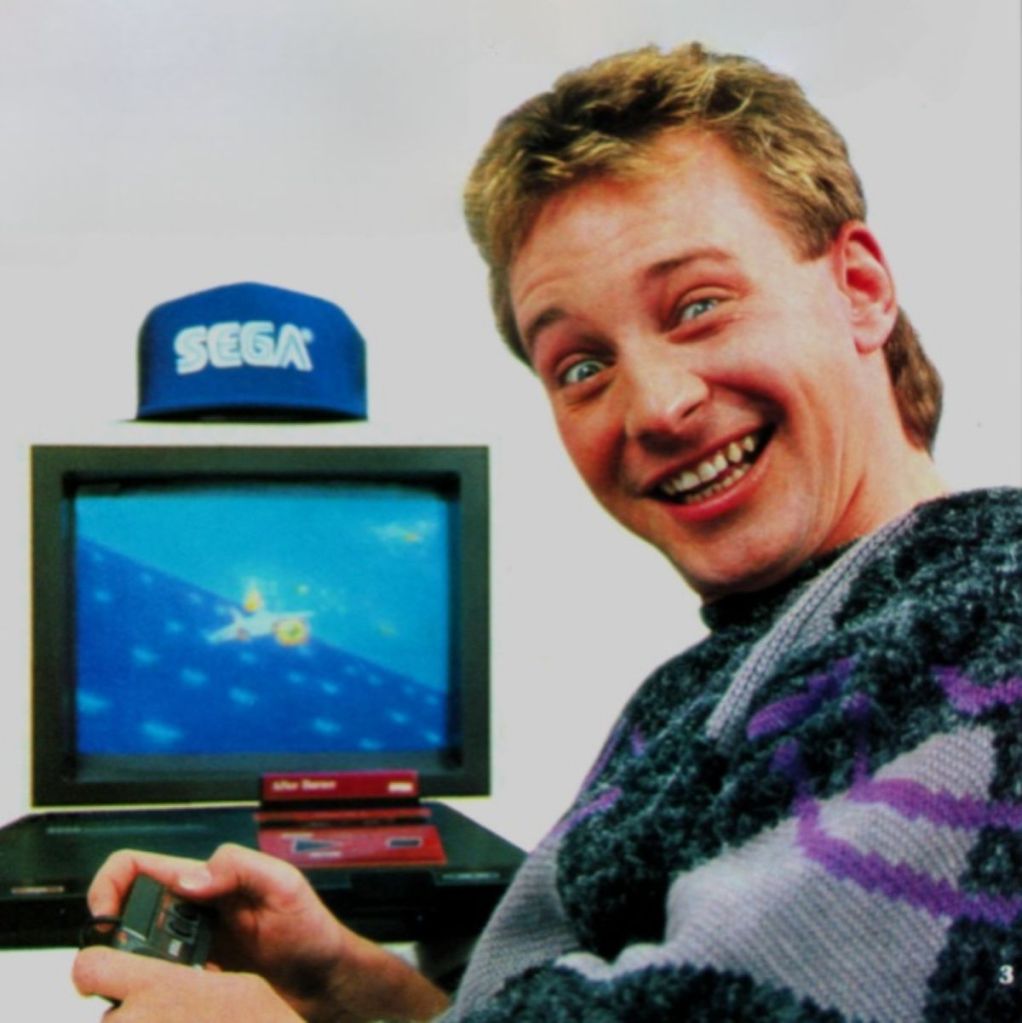
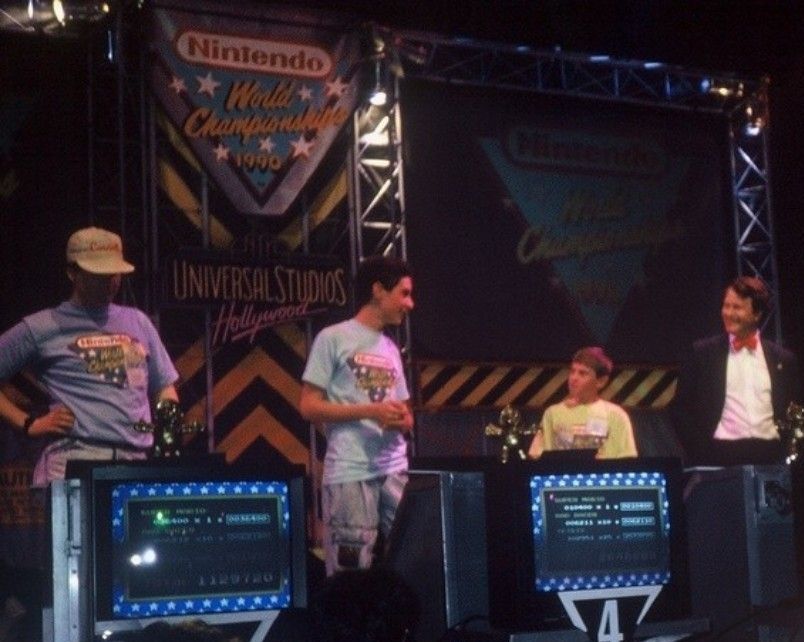
At a time when Nintendo dominated the market with an iron grip on third-party developers and retail space, Sega was the scrappy underdog trying to carve out an identity. And where Nintendo had Howard Phillips—the bowtie-wearing, ever-enthusiastic, corporate-friendly face of Nintendo Power—Sega had Sauer, a gamer’s gamer who approached marketing from the trenches. Phillips embodied Nintendo’s careful, buttoned-down image, always presenting gaming as a structured, family-friendly pastime. Sauer, by contrast, exuded an unpolished authenticity, bringing an almost rebellious energy to Sega’s branding. He didn’t just write about games—he played them, studied them, and translated that firsthand experience into marketing that spoke directly to players rather than parents.
A Passion for Games and Storytelling
From what we can gather from Sega Challenge magazine, John Sauer wasn’t just a marketing guy—he was a true gaming enthusiast. He spent hours playing Sega’s games himself to ensure he could describe them accurately and compellingly. His favorites included Zillion, After Burner, and Alex Kidd in Miracle World—titles that, unlike Nintendo’s friendlier offerings, were challenging, fast-paced, and required real skill to master.

His hands-on approach made a difference. It’s one thing to describe a game based on a design document; it’s another to experience it firsthand, understand its difficulty spikes, and then translate that into something that makes players want to jump in. While Howard Phillips presented gaming with a sense of structured fun, Sauer spoke the language of the hardcore player—those who saw difficulty as a challenge rather than a barrier.
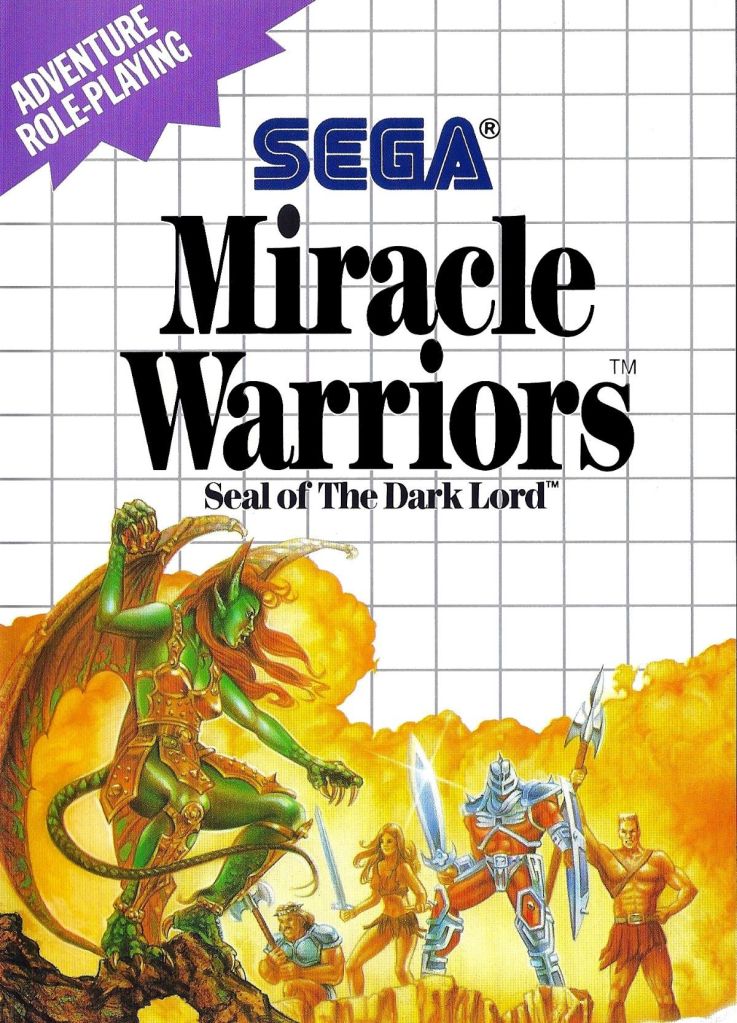
One example mentioned in Sega Challenge is Miracle Warriors: Seal of the Dark Lord, a Japanese RPG that Sauer was helping translate for a Western release. At a time when RPGs were still a niche genre in the U.S., Sauer had the task of making this complex, text-heavy game appealing to a market more accustomed to fast-paced arcade action. His descriptions highlighted its depth, the importance of in-game choices, and its fantasy setting, making it clear that this wasn’t just another platformer or shoot-‘em-up.
The Art of Selling a Game In the 1980s
Sauer’s job involved more than just writing; he was part of the larger effort to make Sega a household name in North America. Unlike Nintendo, which had already established its dominance, Sega had to work harder to get players’ attention. The Sega Master System had superior hardware in some respects, but it lacked the third-party support and brand loyalty that Nintendo had cultivated.
Sauer’s work on packaging, game descriptions, and promotional materials helped create a distinct identity for Sega. His writing likely influenced how games were perceived at retail, where a compelling box description could mean the difference between a purchase and a pass. Additionally, he played a role in the adaptation process for Sega’s Japanese imports. Unlike today, when localization teams are given extensive documentation and access to developers, 1980s game marketing often involved receiving a nearly complete product with little context. It was up to people like Sauer to make sense of it and present it in a way that would resonate with American gamers.

This often meant tweaking game descriptions, reworking character names, and sometimes even creating entirely new narratives to fit cultural expectations. It’s likely that Sauer had a hand in shaping some of these changes, though the exact extent of his contributions remains unclear.
John Sauer’s Gaming Philosophy
One of the most interesting tidbits from Sega Challenge is Sauer’s personal gaming philosophy. He wasn’t just a passive observer; he had strong opinions about what made games great. He believed that a good game should be challenging but fair and that part of the fun was overcoming obstacles rather than being handed an easy win.
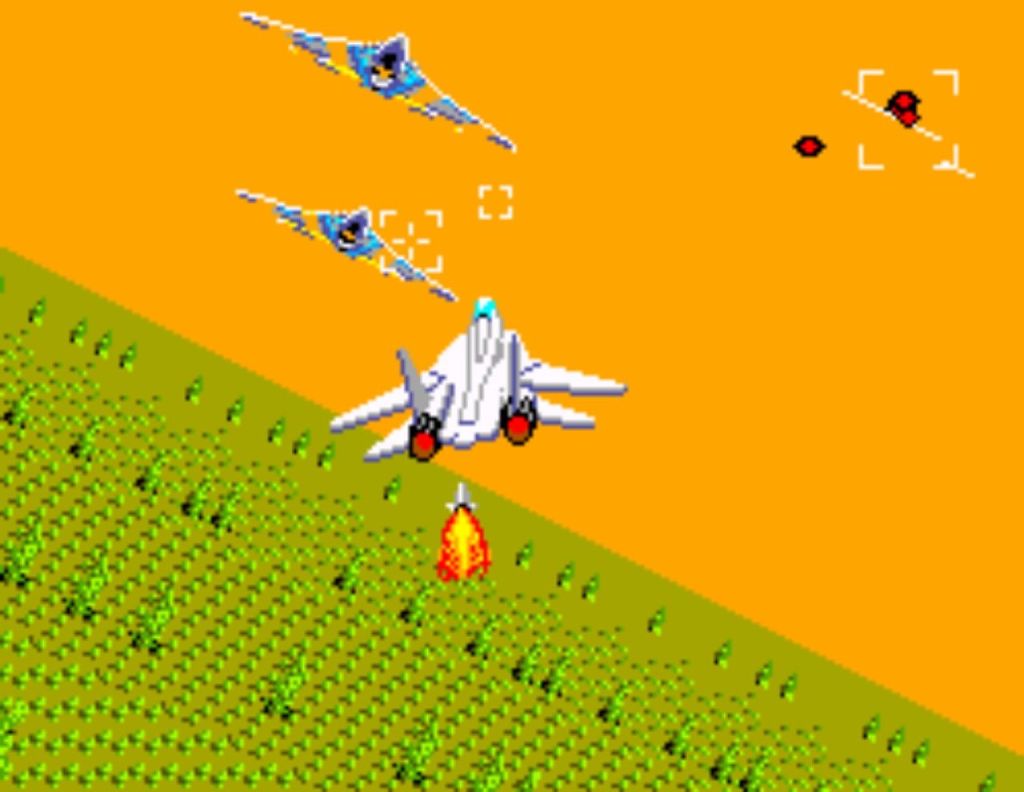
This philosophy is evident in how he spoke about his favorite games. Zillion is a complex, exploration-heavy game that requires players to decipher codes and backtrack through dangerous enemy territory. After Burner is a fast-paced flight shooter that demands quick reflexes. Miracle Warriors requires strategic thinking and long-term planning. These were not casual, pick-up-and-play experiences—they were games that required investment, patience, and skill.
Sauer also emphasized the importance of work ethic and problem-solving in gaming. He saw playing video games not just as entertainment but as a way to develop persistence and strategic thinking. In an era when parents often viewed gaming as a mindless distraction, this perspective was refreshing.
The Transition to a New Sega
By the late 1980s, Sega was on the verge of a transformation. The Master System had failed to dethrone the NES, but the company had learned valuable lessons about branding, marketing, and how to reach players. John Sauer, through his work on Sega Challenge, was already planting the seeds of what would become Sega’s defining identity in the 1990s.
As Sega moved toward the launch of the Genesis, it would fully embrace the rebellious, anti-Nintendo energy that had always been bubbling under the surface. The company’s marketing would become more aggressive, its branding sharper, and its games flashier. Sauer had played a key role in shaping the language and style of Sega’s outreach, and while he wasn’t the sole architect of Sega’s 16-bit identity, his work in the 8-bit era helped set the stage.
When Sega Visions replaced Sega Challenge, it became an even more refined tool for connecting with players—one that felt distinct from Nintendo Power in every way. While Nintendo’s magazine continued to present gaming as structured fun, Sega Visions carried an unmistakable edge, signaling the company’s shift into the full-on Genesis era.
The Legacy of John Sauer’s Work
Although John Sauer’s name isn’t widely known in gaming history, his contributions were essential in shaping how Sega was perceived during the 8-bit era. The work of people like Sauer helped bridge the gap between developers and players, ensuring that games were not just playable but also marketable and engaging for a Western audience.

His approach to storytelling In marketing foreshadowed the importance of narrative in gaming today. While his work was limited to box descriptions and manuals, it set the stage for the more immersive storytelling we now take for granted. In many ways, he was an early advocate for the idea that games are more than just mechanics—they’re experiences that need to be framed in a compelling way to truly shine.
John Sauer represents a forgotten but vital piece of Sega history. His work shaped the way a generation of players perceived the Master System’s library, and his passion for gaming helped bring some of Sega’s most iconic 8-bit titles to life. While he may not have designed the games, he helped define how we remember them, and that’s a legacy worth celebrating—especially as Sega prepared to take the fight to Nintendo in the 16-bit era.

 PlayZine
Leave a comment