Sega Enters the Ring
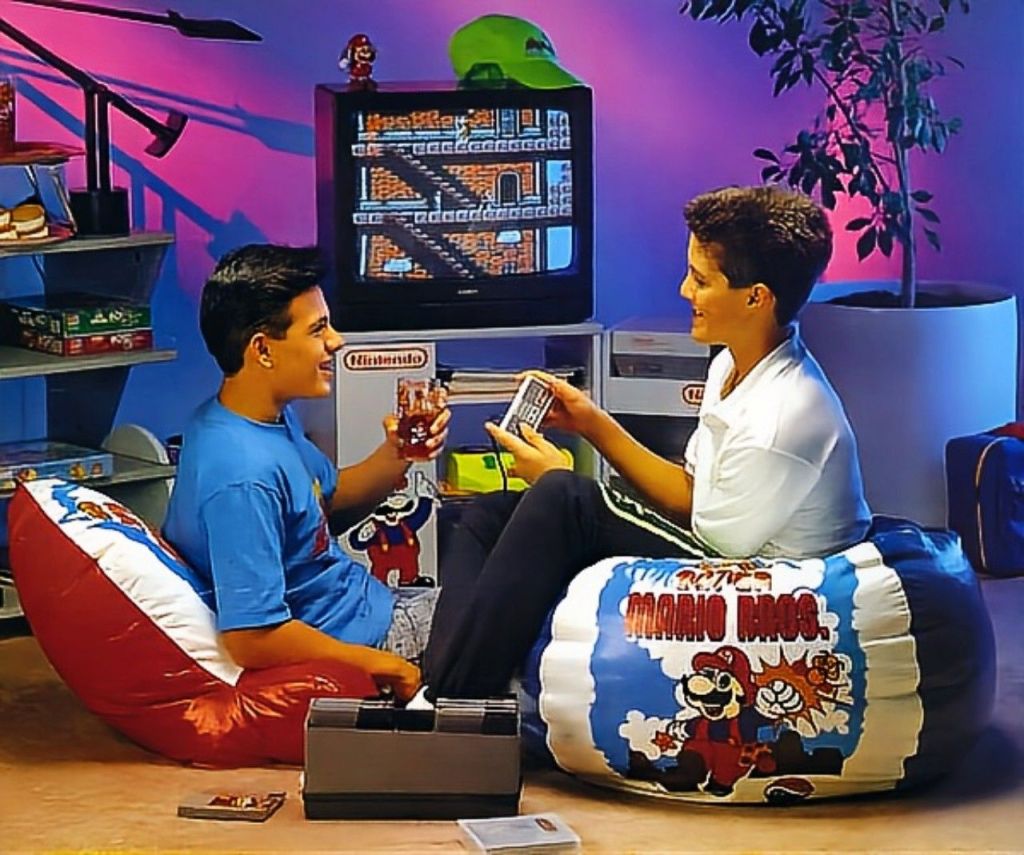
In the mid-1980s, the video game industry had emerged from its catastrophic crash, with the NES leading the revival. Dominating playground conversations and retail shelves, the NES became a cultural touchstone. Sega, an arcade powerhouse known for games like Hang-On, OutRun, and Space Harrier, sought to disrupt Nintendo’s growing monopoly. Their weapon: the Sega Master System. Sleek, futuristic, and technologically superior, the Master System aimed to carve out a place in American living rooms. But Sega’s ambitions extended beyond hardware—they sought to cultivate a loyal community with Sega Challenge: The Team Sega Newsletter, a bold answer to Nintendo’s Fun Club Newsletter.
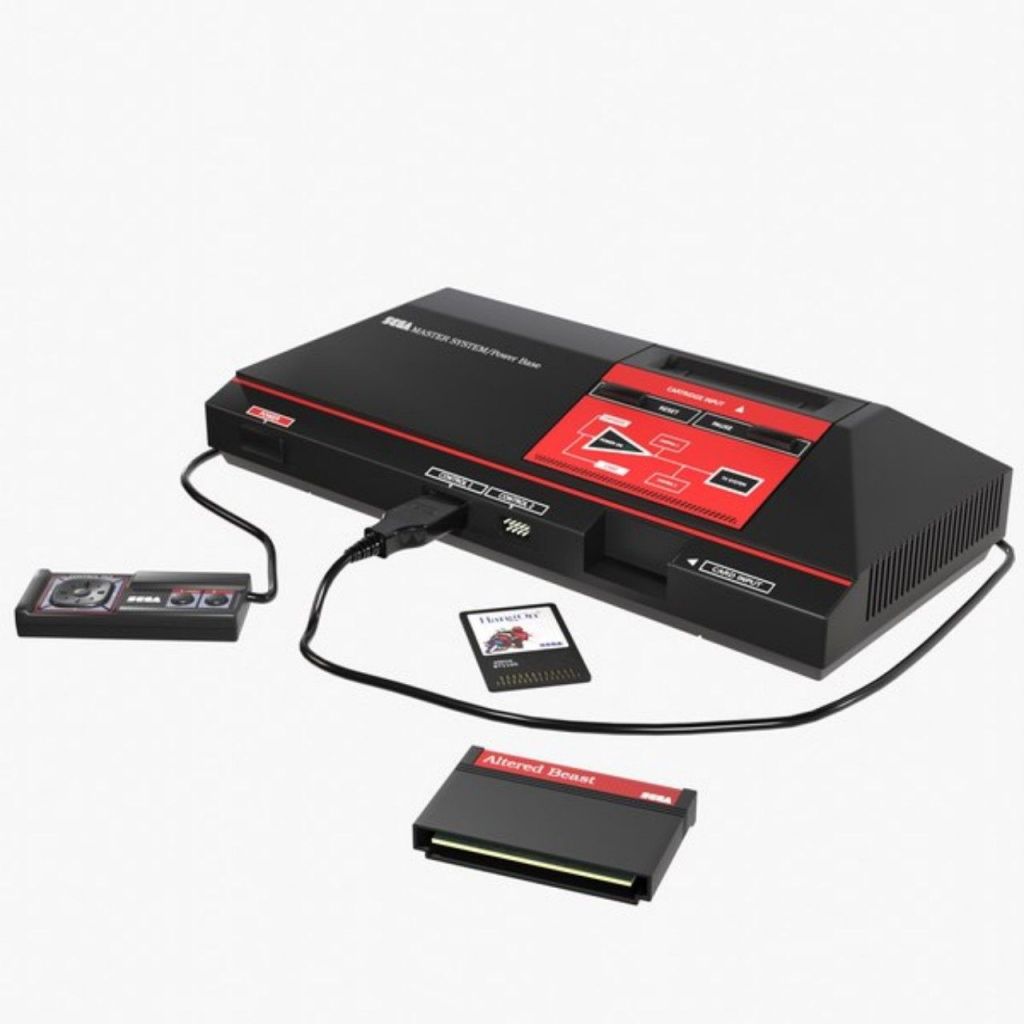
The Master System had its origins in Japan as the Sega Mark III, released in 1985, it featuring advanced hardware that outclassed Nintendo’s Famicom. Sega’s engineers packed the Mark III with vibrant graphics, a broader color palette, and cutting-edge technology, making it the most advanced 8-bit console of its time. When the system was redesigned and launched in North America as the Master System in 1986, it came with a sleek black-and-red aesthetic, a stark contrast to the NES’s gray utilitarian design. For kids who saw it on toy store shelves, it felt like something from the future.
Sega’s Vision for the 8-bit Console War
Technically, the Master System was impressive. Games like Fantasy Zone and Wonder Boy showcased bright, colorful visuals and smooth animations, delivering an arcade-like experience at home. Phantasy Star was groundbreaking, offering a vast, immersive RPG world with 3D dungeons—something unprecedented on consoles at the time. Sega wasn’t just offering games; they were offering a vision of gaming as innovative, polished, and a bit cooler than the competition. Yet, despite its capabilities, the Master System struggled to gain traction in the United States.
The primary obstacle was Nintendo’s third-party licensing agreements, which prohibited developers from releasing their games on competing platforms. While the NES boasted hits like Super Mario Bros. and The Legend of Zelda, Sega was forced to rely on its in-house teams to produce games. Titles like Alex Kidd in Miracle World, Sega’s attempt at creating a mascot platformer to rival Mario, were charming but lacked the widespread appeal of Nintendo’s flagship franchises. And while Sega had strong arcade ports, the limited game library couldn’t compete with the avalanche of NES exclusives.
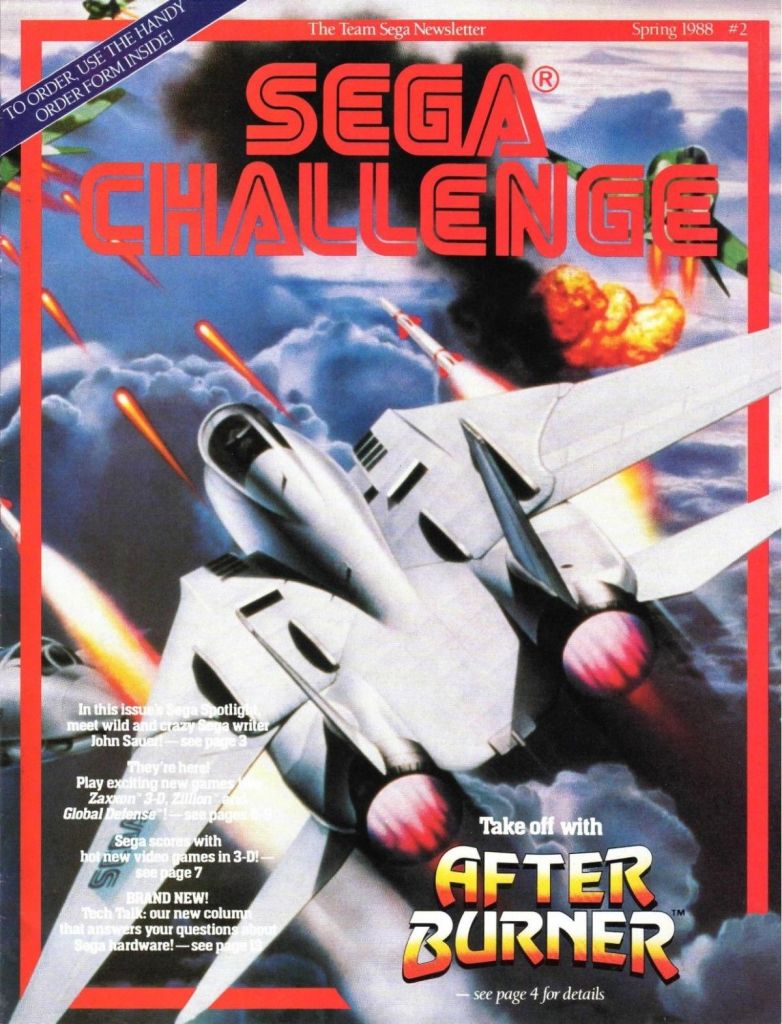
In this uphill battle, Sega needed a way to engage its community and stand out. Enter Sega Challenge: The Team Sega Newsletter, a publication launched in 1988 to connect with Master System owners and promote Sega’s games and hardware. Where Nintendo’s Fun Club Newsletter was polished and mainstream, Sega Challenge was bold, energetic, and undeniably cool—a reflection of the company’s rebellious spirit.
A Celebration of Creativity and Passion
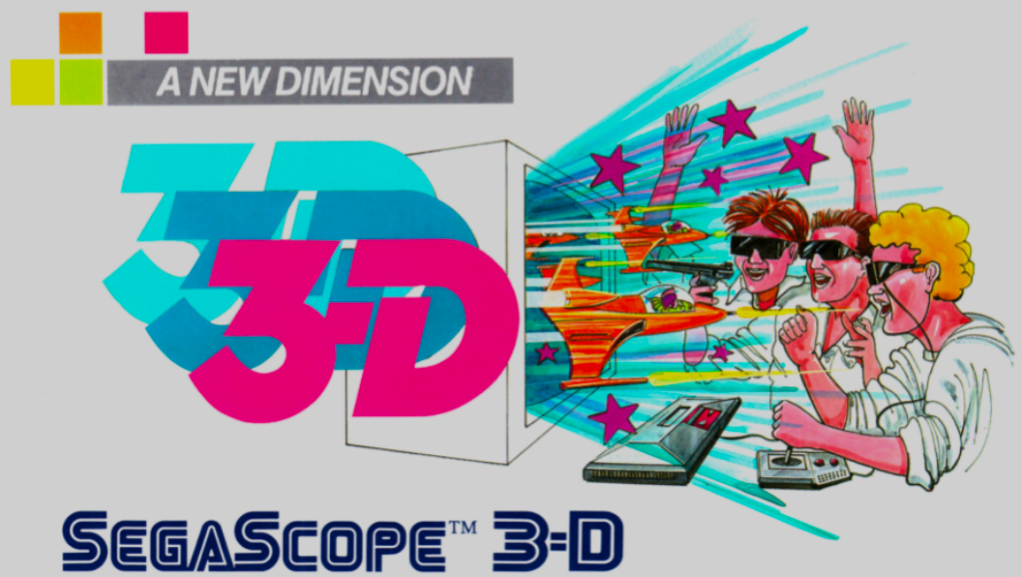
Each issue of Sega Challenge was a vibrant celebration of gaming and its fans. Readers were treated to game previews, tips from Sega experts, and news about upcoming hardware like the SegaScope 3-D glasses. A hallmark of the newsletter was its community-driven content. The “Sega Challenge Scoreboard” showcased reader-submitted high scores, while the mailbag section featured questions and advice exchanged among players. This interactivity wasn’t just promotional—it was personal. For kids in the pre-internet era, seeing their names or tips published in the newsletter was a thrilling connection to a larger gaming world.
The newsletter wasn’t just about games—it was about making players feel like part of something special. Each new subscriber received an iron-on patch proclaiming their allegiance to Team Sega. Ron Elliott, the newsletter’s enthusiastic “Challenge Team Commander,” addressed readers with an infectious excitement that made them feel like valued members of an elite club. This sense of belonging was crucial for Sega fans, who often found themselves in the minority in a Nintendo-dominated landscape.
The content of Sega Challenge reflected Sega’s commitment to innovation and individuality. Articles highlighted games like OutRun and After Burner, which brought the thrill of Sega’s arcade hits into the home. Features on ambitious titles like Phantasy Star emphasized the console’s potential to deliver experiences that went beyond the limitations of other 8-bit systems. For readers, Sega Challenge was more than a source of information—it was a rallying cry to embrace the unique and cutting-edge spirit of the Master System.

Despite its limited circulation, Sega Challenge fostered a sense of loyalty among Master System owners. It was a lifeline for players who had chosen Sega over Nintendo, reminding them that they were part of a passionate and creative community. For kids flipping through its colorful pages, it wasn’t just a newsletter—it was proof that Sega cared about them as much as they cared about their Master Systems.
The Impact of the Sega Master System and the Sega Challenge Newsletter
By 1989, however, Sega was shifting its focus to the Genesis, a 16-bit console that would go on to define the next era of gaming. The Master System quietly faded from the U.S. market, its production ceasing in 1992 after selling nearly 2 million units. Yet, in other regions like Europe and Brazil, the console found greater success, its legacy enduring long after its discontinuation in the States.
While the Master System never reached the heights of the NES, it didn’t need to. For those who owned it, it wasn’t just a console—it was their console. It was a portal to unforgettable adventures, a symbol of individuality, and a testament to the power of being an underdog. And with Sega Challenge, Sega didn’t just sell games—they created a culture, a community of players who dared to be different.

In the end, the Sega Master System and Sega Challenge newsletter represent more than just a fleeting moment in gaming history. They symbolize the spirit of a company that refused to follow the status quo, daring instead to challenge an industry juggernaut with bold ideas and a unique approach. While the Master System couldn’t dethrone the NES in the 8-bit era, it laid the groundwork for a new way of thinking—one that would ultimately position Sega as a formidable force in the next generation of gaming.
The Sega Challenge newsletter was the perfect testing ground for this strategy. Its energetic tone, community-driven features, and emphasis on innovation showcased Sega’s ability to connect with players in a way that felt personal and engaging. This rebellious, player-focused attitude would become the foundation of Sega’s future success. Though the Master System didn’t win the 8-bit war, the lessons learned from its marketing and community-building efforts fueled the company’s transformation. When the 16-bit era arrived, Sega was ready—not just to compete, but to lead.

 PlayZine
Leave a comment