The Nintendo Fun Club Newsletter was much more than a simple publication, it was a connection point for the burgeoning gaming community in the 1980s, capturing the culture, excitement, and unique quirks of an era where video games were fast becoming a household staple. Beyond providing readers with a look into hottest new games, the newsletter was also filled with stories, competitions, and profiles that offered readers a sense of belonging to a world where Nintendo was the defining experience. Here, we look back at some of the most memorable features from the Fun Club Newsletter, showcasing the depth of Nintendo’s influence on 80s culture.
Will Wheaton’s Super Mario-A-Thon
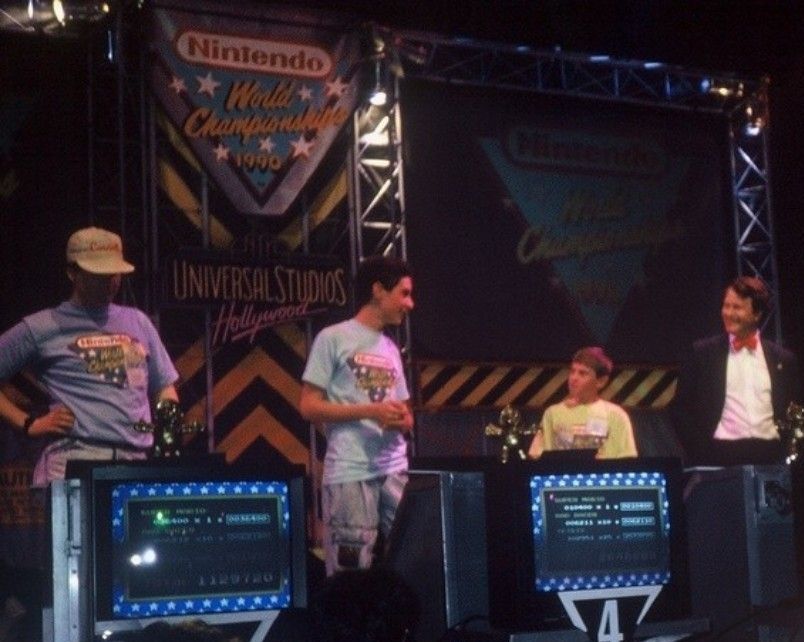
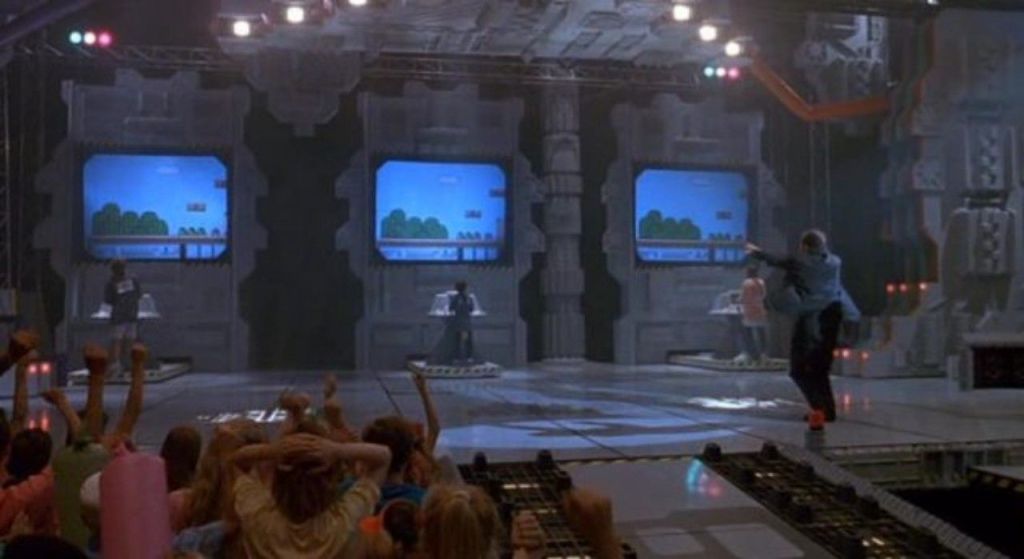
One of the standout moments in the newsletter was coverage of the “Super Mario-A-Thon,” a charity event that brought celebrities together to play Super Mario Bros. for a good cause. Held at the Roxbury Park Recreation Center in Beverly Hills, this event featured over 40 stars from popular 80s TV shows and movies. Among them was Wil Wheaton, then only 14, who had recently starred in Stand By Me and would soon become known as Wesley Crusher in Star Trek: The Next Generation.
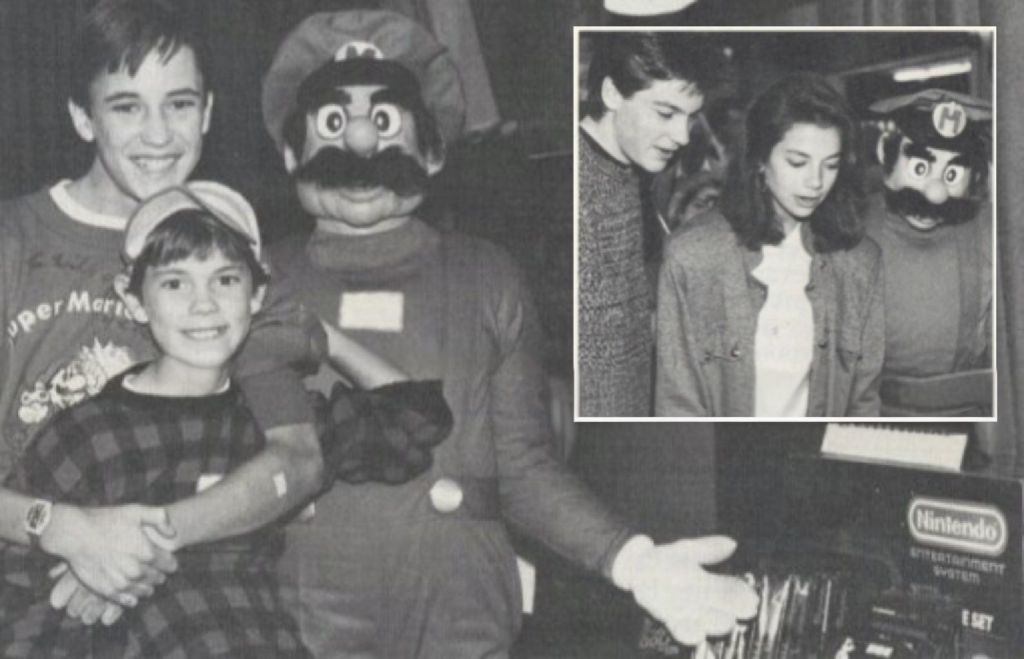
Wheaton scored an impressive 239,400 points within a ten-minute time limit, securing the top score of the event. It was a day when Jason Bateman, now known for playing a dark, morally ambiguous dad in Ozark, was still in his innocent NBC years, and his sister Justine was fresh off Family Ties, adding to the star power of the event. This kind of celebrity involvement reflected just how widespread Nintendo’s appeal had become by the mid-80s, making video gaming a mainstream activity embraced by all ages.
Hotline Heroes
The Fun Club also highlighted the work of Nintendo’s game counselors, who were crucial resources for gamers navigating the challenges of 8-bit adventures. This team of counselors, accessible via a toll-free hotline, provided advice and solutions for players stuck in challenging parts of games like The Legend of Zelda, Kid Icarus, and Mike Tyson’s Punch-Out!!. The newsletter featured profiles on some of the counselors, such as George, who enjoyed the mix of combat and strategy in The Legend of Zelda, and Rich, who was a fan of the varied stages in Kid Icarus. Phil, a Punch-Out!! enthusiast, described the game as one of the most challenging titles he’d played.
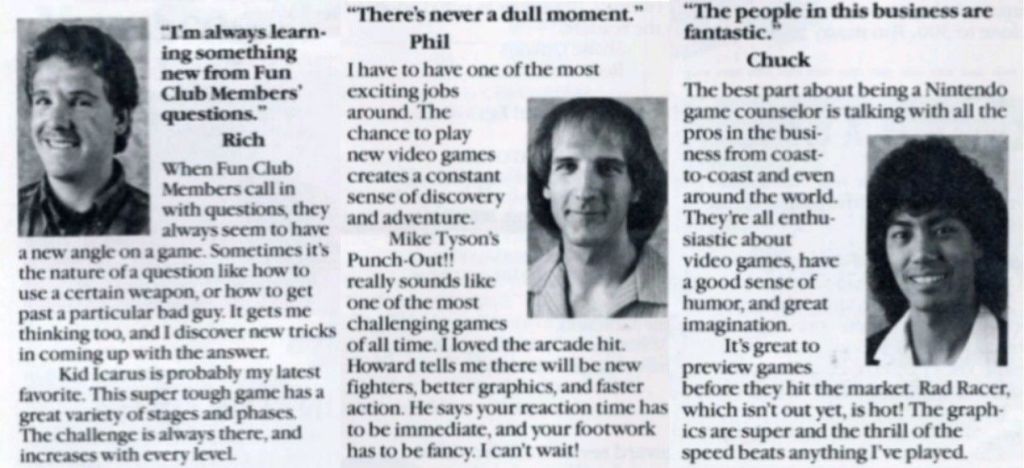
Each counselor brought their unique expertise, helping fans conquer difficult levels and discover hidden elements in their favorite games. These counselors offered something unique—an almost personal connection to Nintendo, with real people providing guidance through the pixelated worlds fans loved. Knowing that there was someone on the other end of the line to help conquer tough levels made the entire gaming experience feel like a shared adventure.
Halloween Hoopla
Another popular feature in the newsletter was the “Halloween Hoopla” page, where fans could share photos of their Nintendo-themed costumes. This section captured the creativity and dedication of fans, who dressed as characters like Mario, Luigi, Bowser, and Link. Some families even coordinated group costumes, such as a family that dressed as various characters from Super Mario Bros.
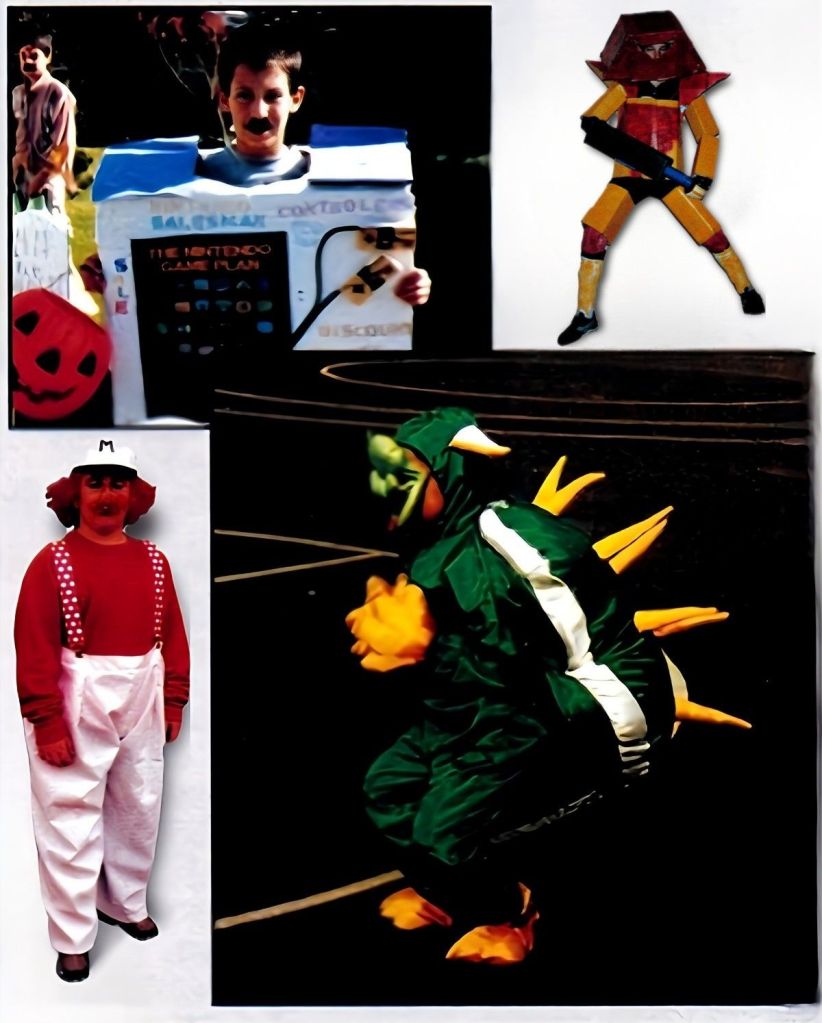
Meanwhile, a boy from New Jersey named Andrew took a unique approach, dressing up as a “Nintendo salesman,” complete with a handmade costume showcasing Nintendo merchandise. The Halloween Hoopla gave readers a sense of community and highlighted how deeply Nintendo had woven itself into the lives of its fans, influencing not just their playtime but their creativity and self-expression.
300 Kids Turn Trash into Robots
In one of the most eco-friendly and memorable community events, Nintendo hosted a “300 Kids Turn Garbage Into Robots” contest at the Seattle Center. This recycling-focused competition invited children to build robots out of everyday trash, combining creativity with environmental awareness.
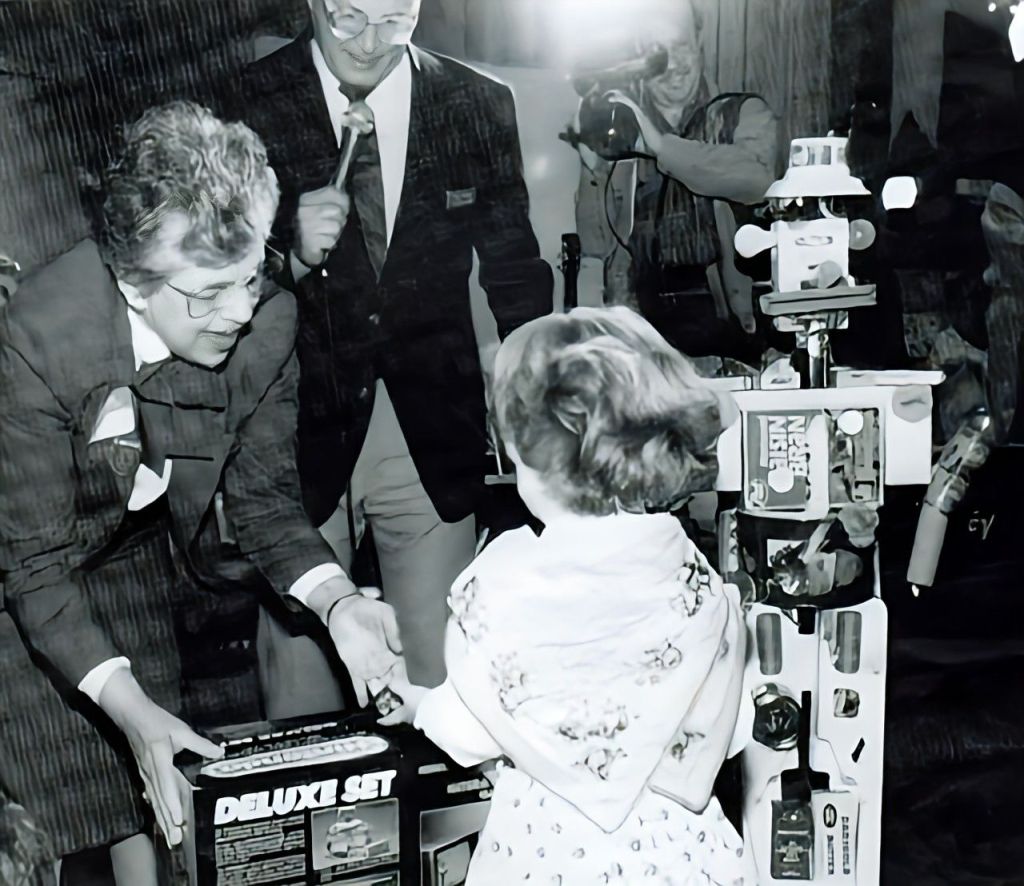
The winning entry came from five-year-old Katherine, who built her robot using items like milk cartons, cookie tins, and even a Raisin Bran box. Her imaginative creation, decorated with magazine clippings and adorned with tennis ball arms and a book head, won her a Nintendo Entertainment System Deluxe Set with R.O.B., the robotic accessory designed to work with specific NES games. This event not only engaged young fans in a unique way but also demonstrated Nintendo’s interest in fostering creativity and responsibility among its audience.
Fitness Mat
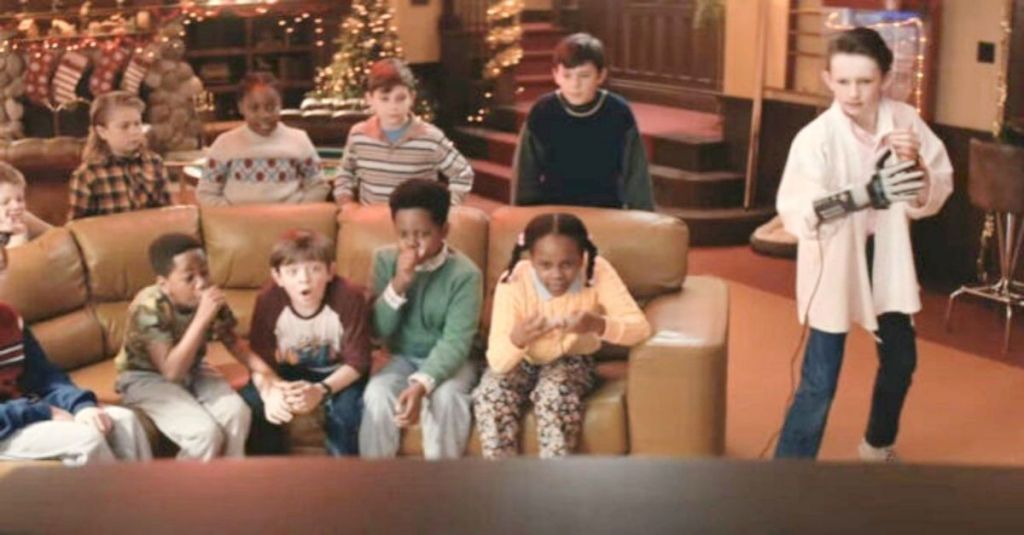
The Family Fun Fitness mat, also featured in the Fun Club Newsletter, was a glimpse of Nintendo’s early experiments with “active” gaming, long before the Wii Fit craze. With five games including Hurdles, Animal Trail, and Dark Tunnel, the mat encouraged kids to jump, sprint, and maneuver their way through virtual obstacle courses. But just as much as it was a fitness tool, it became a lesson in creativity: kids quickly learned that getting the high score didn’t require actual exercise. Armed with machine gun hands, they turned the mat into a playground of loopholes, redefining the art of “gaming the system.” This playful workaround became its own mini-game, embodying how fans found new ways to enjoy Nintendo products beyond their intended design.

With five games including Hurdles, Animal Trail, and Dark Tunnel, the mat encouraged kids to jump, sprint, and maneuver their way through virtual obstacle courses.
The First Rule of Fun Club: Tell Everyone About Fun Club!
The Local Fun Club section of the Nintendo Fun Club Newsletter was a unique way for fans to connect, offering readers a guide to building their own local gaming communities. Nintendo encouraged kids to set up their own clubs with friends, hosting meet-ups to swap game tips, organize tournaments, and trade NES cartridges. They provided step-by-step guidance, suggesting that kids recruit members at school, local arcades, or even video stores by pinning up notices. These were mini gaming communities born in the era before social media, relying on in-person meet-ups and word-of-mouth.
Nintendo even offered a Fun Club Kit for clubs that wanted to go official, complete with a binder for score sheets, tournament brackets, and a coveted “Power Player” button to crown weekly champions. In classic Nintendo style, they turned local clubs into their own kind of game, encouraging friendly competition and camaraderie among fans. The newsletter invited clubs to send in updates, with shoutouts to groups like the 3-D Gang from Newport Beach and Video Mania from New Jersey. Through these clubs, the Fun Club fostered a sense of connection and community, proving that Nintendo was more than just a company selling games—it was building a network of passionate players who shared a love for gaming in every corner of the country.
The Fun Club Newsletter: Where Nintendo Wasn’t Just a Game, It Was Life
The Nintendo Fun Club Newsletter captured the excitement of the 80s gaming culture, giving fans access to behind-the-scenes stories, game tips, celebrity involvement, and community initiatives. For a generation of players, the newsletter represented a gateway to a wider world of fans who saw Nintendo as more than just games; it was a lifestyle, a community, and a lasting part of growing up in the 80s. The Fun Club wasn’t just a place to learn about games—it was where the Nintendo spirit truly came to life.
 PlayZine
Leave a comment