Heeeeeer’s Howard!

In a time when video games were barely more than blips on radar screens and “press start” was a phrase reserved for tech enthusiasts and arcade dwellers, Howard Phillips found himself not only playing but shaping the world of Nintendo. His position wasn’t about suits and boardrooms—it was all about gaming, from the sweaty excitement of arcades to the massive national marketing tours that connected him with Nintendo fans across America.
Howard was Nintendo of America’s product analysis manager and, more importantly, the smiling face behind the Nintendo Fun Club. This was no desk job, he was a true arcade legend, having clocked over 10,000 hours with a joystick in hand. As he would put it, “I had to get a job to make up for all the quarters I was losing.” And the job was a perfect fit—he traveled the country, asking kids what they liked and didn’t like, becoming Nintendo’s direct line to the heartbeat of American gaming culture.
When Howard first joined Nintendo in 1981, it wasn’t because of a high-profile executive recruitment drive. It was by a chance connection with an old friend, Don James, that brought him in as Nintendo of America’s fifth employee. He started humbly in the warehouse, stacking and managing boxes of arcade cabinets like Donkey Kong and Punch-Out!!. However, Howard’s knack for understanding players’ minds and passion for games made him stand out. Soon, he wasn’t just the warehouse guy, he was Nintendo’s go-to consultant for game feedback, competitive research, and understanding what made a game a hit or a flop.
By the time the NES was ready to launch, Phillips was already a vital part of Nintendo’s U.S. strategy. Japanese developers relied on his American insights to shape games and marketing strategies that would resonate across a very different cultural landscape. Howard was pushing the boundaries of what video games could become in North America. His influence covered everything from game selection to retail setup, right down to the live demos he did with a smile and a stack of quarters.
The Fun Club Revolution
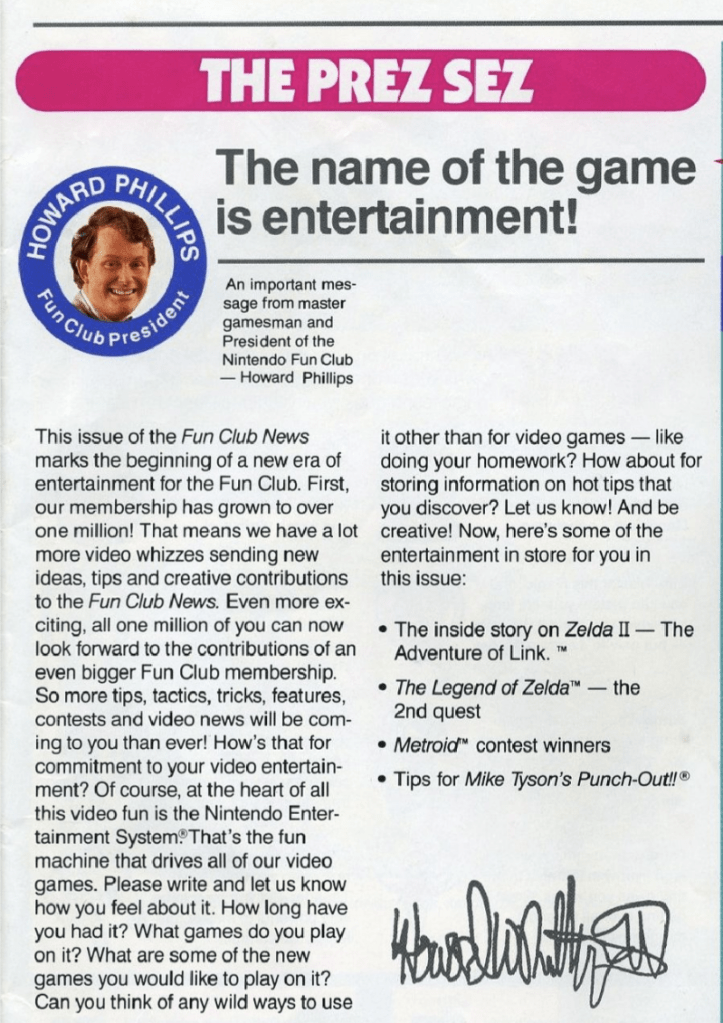
Howard’s work extended far beyond the warehouse. The Nintendo Fun Club connected fans in a way that no other company was attempting at the time. Imagine being a kid in the late 80s, receiving a newsletter not only with game tips and insider previews but with messages directly from “The Prez” himself. This wasn’t corporate marketing speak; it was personal, full of Howard’s enthusiasm and humor. He was the guy who made video games fun even in print, encouraging fans to write in, share scores, and send in tips that could be printed in future issues.
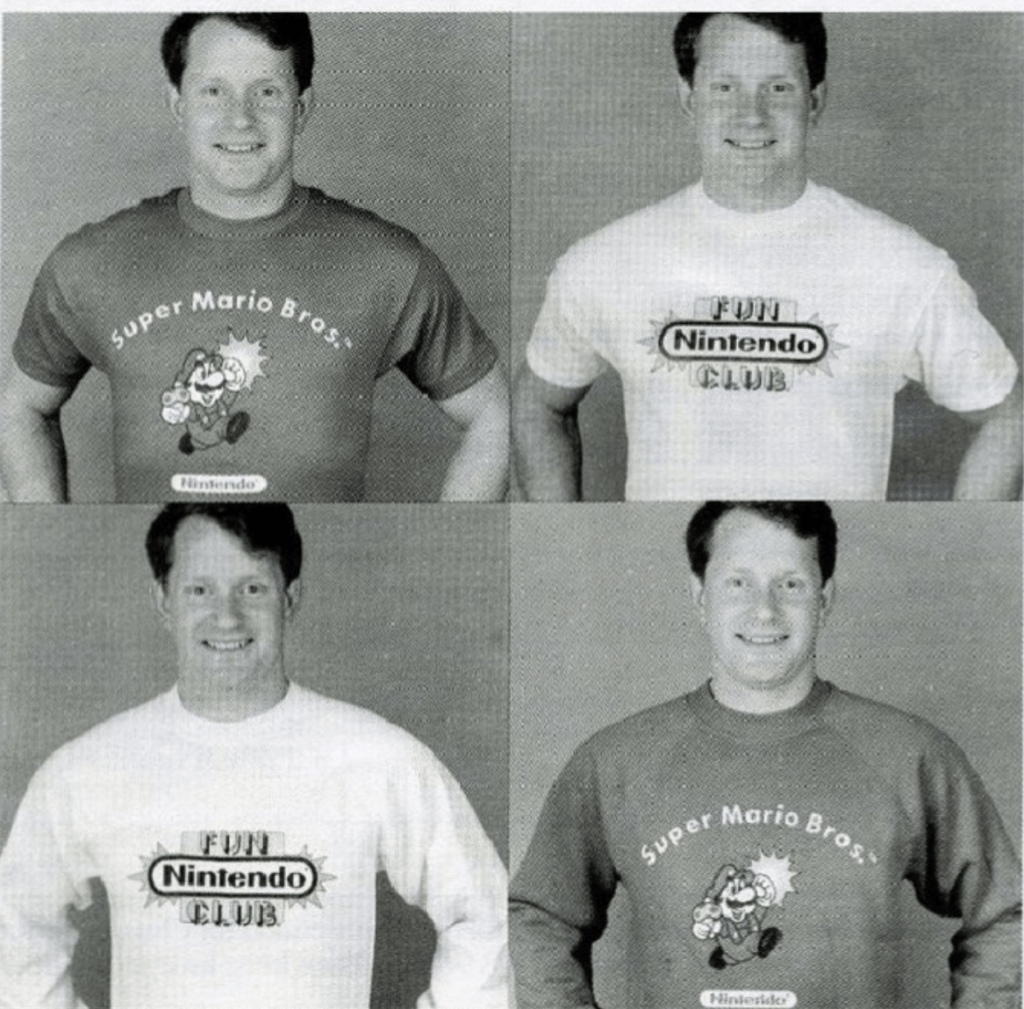
In one edition, Howard boldly declared, “The name of the game is fun!” It wasn’t just a catchphrase—it was a promise to Nintendo’s loyal fans. The Fun Club Newsletter grew from a simple mailing list to a phenomenon, with fans eagerly awaiting each issue’s game tips, “Power Player” profiles, and sneak peeks of games like Zelda and Metroid. Howard made each newsletter an extension of the community he was fostering, blending reviews, contests, and stories from fans into a mix that would inspire what eventually became Nintendo Power.
A Day in the Life of the Game Master
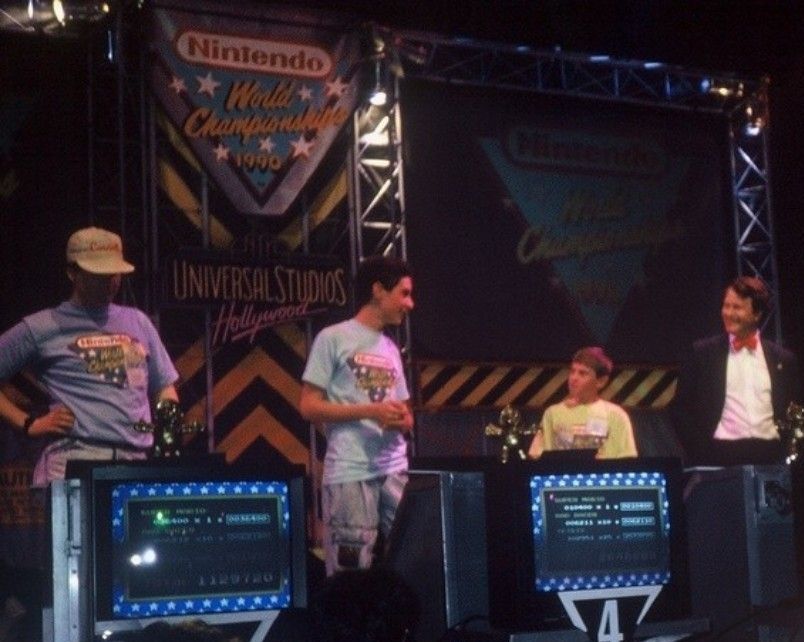
Howard’s daily responsibilities were more unpredictable and adventurous than most people would imagine for a corporate job. He embarked on media tours across cities like Detroit, St. Louis, and San Diego, appearing on major networks like ABC and CBS and even stopping by local clubs to chat with young gamers.
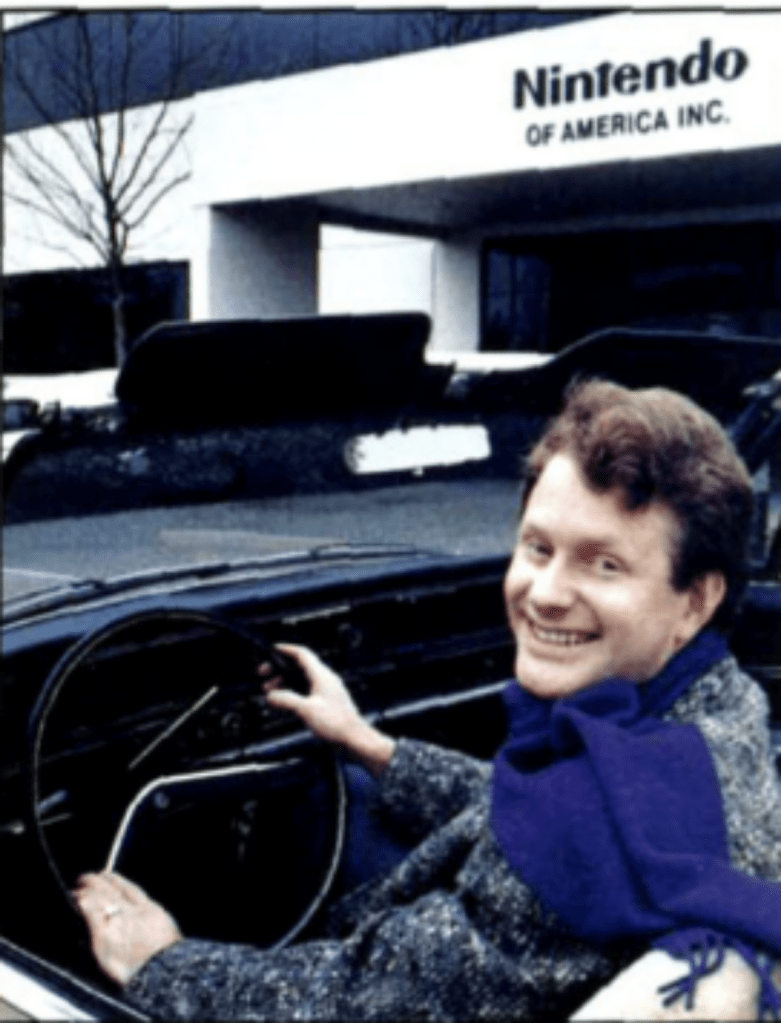
These tours weren’t simply about promoting games; they were about connecting on a personal level. To fans, he was more than an executive; he was a mentor, a friend, and a genuine fan himself.
Howard’s influence stretched across every aspect of Nintendo’s presence in the U.S. When he wasn’t on a media tour, he was the Game Master for Nintendo, setting up the Game Counselor hotline—a toll-free number that gave fans the chance to call in and get advice on beating those notoriously tough NES games. This service grew into an essential feature of Nintendo’s community outreach, offering direct, real-time support to players struggling to make it past particularly tricky levels or bosses.
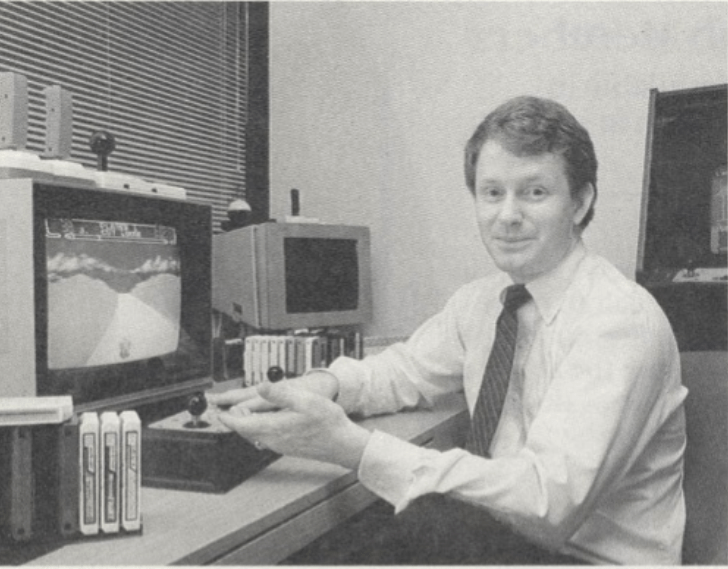
Even in his office, Howard was anything but your typical executive. Surrounded by over 250 game cartridges, he wasn’t just cataloging them, he was playing them. Howard was the Nintendo Librarian, immersed in the games, constantly refining his expertise. He would even communicate with Nintendo’s headquarters in Japan, sharing feedback on games and proposing improvements. He became an essential bridge between the Japanese developers and the American audience, helping shape everything from character names to the pacing of gameplay.
Bridging Japan and America: Howard’s Unique Influence
By the time The Legend of Zelda was becoming a household favorite, Howard had already cemented his role as the bridge between Japanese developers and American gamers. His knack for understanding what clicked with Western audiences helped shape how iconic games were adapted and introduced to the NES generation.
His most famous conversion was the game Western audiences knew as Super Mario Bros. 2, originally known as Yume Kōjō Doki Doki Panic in Japan. When Howard played the Japanese version of Super Mario Bros. 2, he found it unforgivingly difficult—highlighted by his accidental consumption of a poison mushroom—and too similar to its predecessor to excite American gamers. Recognizing the potential of Doki Doki Panic’s mechanics, he championed reworking it into a Mario game. Under Shigeru Miyamoto’s guidance, the game was reborn, becoming a beloved entry in the franchise and a nostalgic touchstone for millions of NES players.
Immortalized as the President of Fun
Howard Phillips wasn’t just working with Nintendo—he was living and breathing Nintendo’s mission to make gaming a household norm. His tireless dedication didn’t go unnoticed. Fans saw him as a figure they could look up to, and Nintendo saw him as a pillar of their success. In the Nintendo Power magazine that succeeded the Fun Club Newsletter, Howard became immortalized as a character in the “Howard and Nester” comic strip, a testament to his status as the ultimate gaming spokesperson of the era.

Through various roles, from warehouse manager to Fun Club President, to Game Master, Phillips always exuded a genuine love for gaming. His commitment wasn’t just professional—it was deeply personal. Howard once said that growing up with limited toys led him to be creative, making games out of whatever he could find. That same creativity was what he brought to Nintendo, continually finding ways to make games fun, accessible, and, above all, memorable.
Today, the legacy of Howard Phillips lives on in the industry. While he later worked with other companies like Microsoft and GameDuell, his formative years with Nintendo left a lasting impact. Howard’s career is a story of passion, perseverance, and play. He took the creativity he nurtured in childhood and used it to build a community around Nintendo games that brought joy to millions of players. His influence on the gaming industry is not only indelible but inspirational, echoing in the hearts of gamers who grew up in the golden age of NES.
So, the next time you find yourself button-mashing in an old arcade or reminiscing about the Nintendo games that defined your childhood, remember Howard Phillips—the man who made it his job to play, connect, and share the magic of gaming with the world. Whether he was wrangling joysticks in his office, faxing game tips to Japan, or chatting with fans on the road, Howard was, and forever will be, the President of Fun.

 PlayZine
Leave a comment