Putting the Metroid into Metroidvania
When Metroid arrived on the NES, it wasn’t just another game—it was a revelation. In an era when platformers marched predictably from left to right, and heroes were clean-cut champions of the day, Metroid dared to be different. It dropped players into the dark, labyrinthine depths of an alien planet, stripped them of guidance with one simple challenge: survive. With its eerie atmosphere, groundbreaking non-linear exploration, and an unforgettable twist at the end, Metroid didn’t just raise the bar for video games—it redefined what they could be.
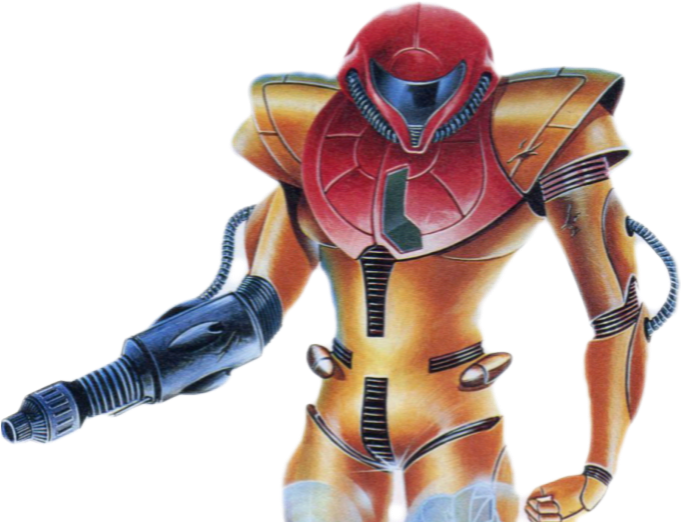
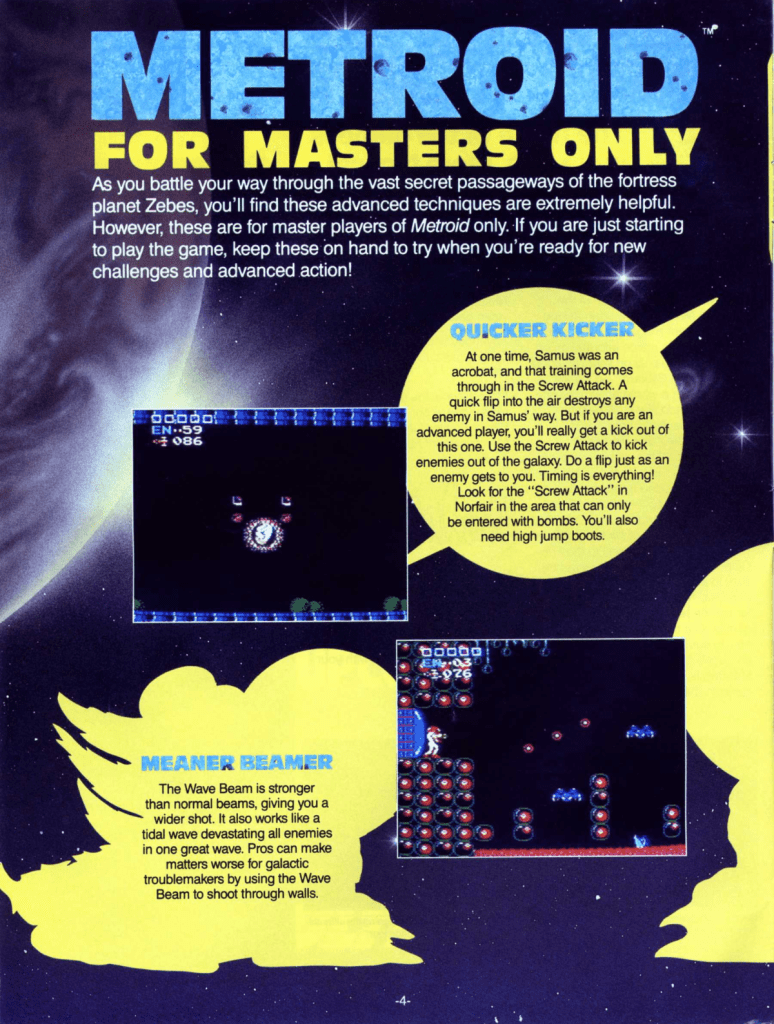
By the time Metroid was featured in the Nintendo Fan Club magazine, NES players were already familiar with epic adventures. Games had promised exploration and pulse-pounding action before, but Metroid was different. The moment its eerie, atmospheric music began on the title screen, it was clear this wasn’t just a game—it was an immersive experience. Players were invited to traverse the alien world of Zebes, armed with nothing but curiosity and a blaster.
The newsletter hyped Samus Aran’s mission to infiltrate Zebes and confront the monstrous Mother Brain, presenting Metroid as the ultimate challenge for gamers. It teased a labyrinth of hidden passages, a high-tech arsenal waiting to be unlocked, and mutant enemies lurking around every corner. Fans couldn’t resist the pull. Pages dedicated to tips and strategies encouraged readers to master Samus’s upgrades—like the Long Beam, Ice Beam, and Screw Attack—that made her a powerhouse. The promise of uncovering secrets in areas like Brinstar and Norfair turned Metroid into more than a game, it was a rite of passage for anyone claiming to be a true NES master.
Solitude in the Stars
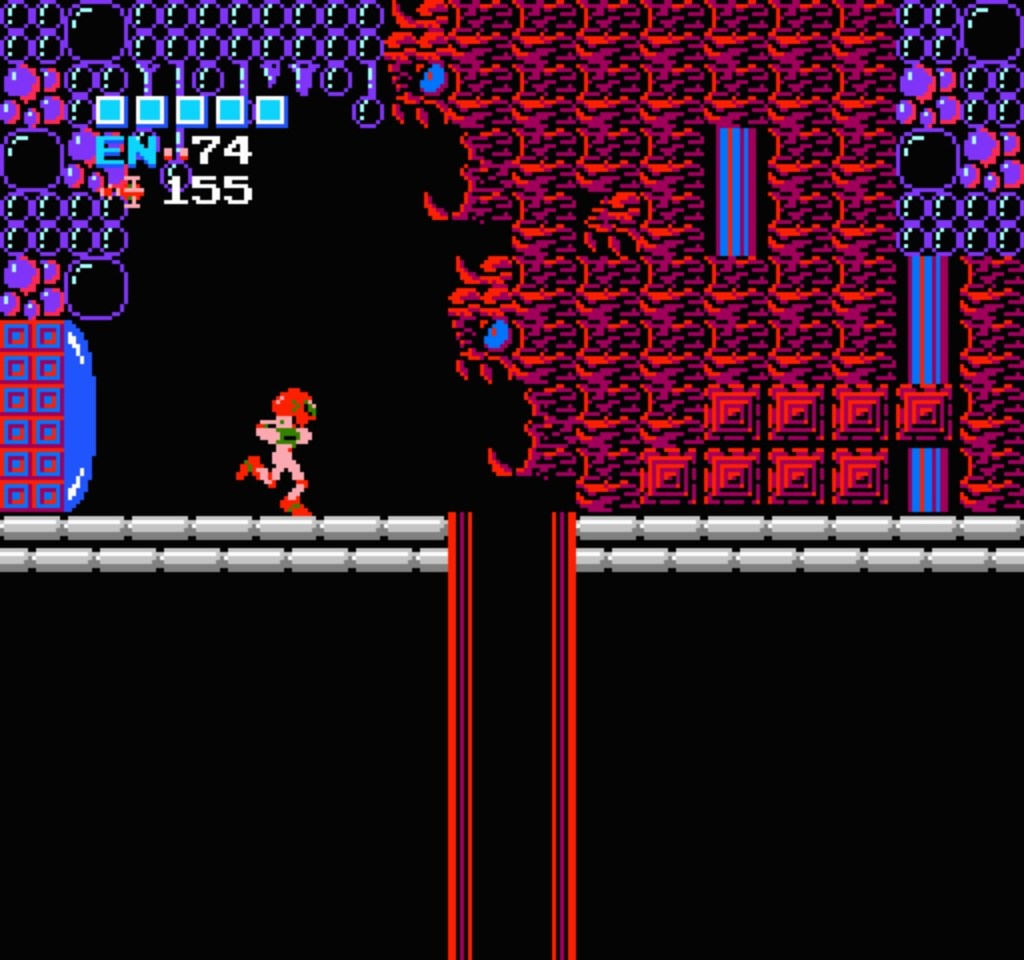
Developed by Nintendo’s R&D1 in collaboration with Intelligent Systems, Metroid introduced players to a desolate, alien world. Zebes was dark, hostile, and entirely different from the cheerful backdrops of other NES titles. The game offered no hand-holding, there were no tutorials or clear instructions. It was just you, Samus, and an interconnected maze of tunnels and caverns. This stark isolation set Metroid apart, creating an atmosphere of solitude and discovery that captivated players. Every moment on Zebes felt like stepping into the unknown, with only your wits and persistence to guide you.
The design of the game was revolutionary. Divided into distinct areas like Brinstar, Norfair, and Tourian, each region had its own challenges and ambiance. The sprawling, interconnected world encouraged exploration, rewarding players with upgrades that unlocked new paths. This non-linear approach was groundbreaking for its time, challenging players to think critically about where they’d been and where they needed to go. Without an in-game map, players often resorted to sketching their own, making every discovery feel earned and every hidden passage a triumph.
Mastering Samus’ Arsenal
Progression in Metroid was deeply satisfying. Every new ability Samus acquired—whether it was the Morph Ball for navigating tight spaces, the Ice Beam for freezing enemies, or the Varia Suit for withstanding extreme heat—expanded the possibilities for exploration. These upgrades weren’t just power-ups; they were keys to unraveling the mysteries of Zebes. The gradual acquisition of abilities, which opened up previously inaccessible areas, became a hallmark of the Metroidvania genre that the game helped establish.
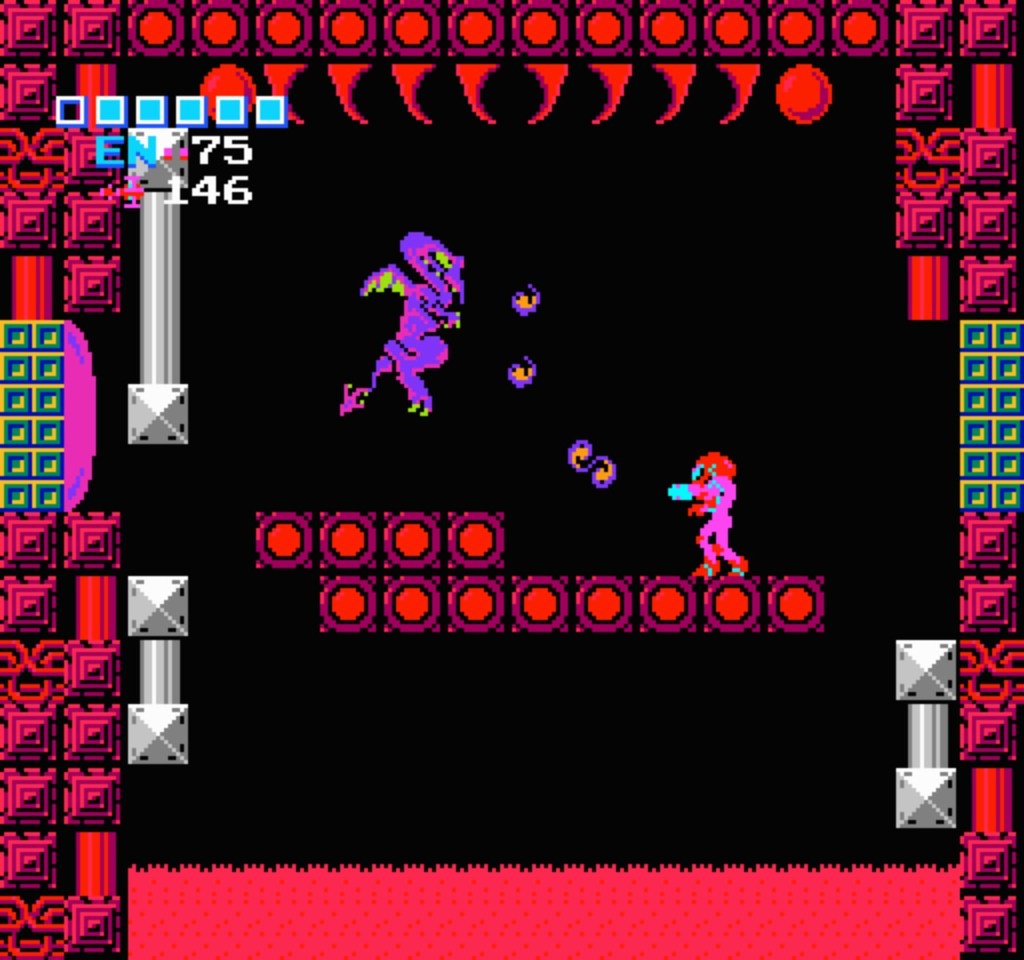
Combat was equally intense. Enemies were relentless, and health pickups were scarce, adding a layer of tension to every encounter. The game’s boss battles were highlights, particularly the confrontations with Kraid and Ridley. These formidable foes tested players’ skills and patience, requiring mastery of Samus’s arsenal. The final showdown with Mother Brain was a culmination of everything the game had taught you—a test of reflexes, strategy, and endurance.
The Art of Atmospheric Exploration
Metroid reshaped gaming with its emphasis on exploration, non-linear progression, and gradual power-ups, laying the foundation for the Metroidvania genre. Its interconnected world encouraged players to revisit areas with new abilities, unlocking secrets and creating a sense of immersive discovery. This design, combined with subtle environmental storytelling and atmospheric isolation, inspired iconic titles like Castlevania: Symphony of the Night and Hollow Knight. By blending freedom, challenge, and meaningful progression, Metroid set a standard for adventure games that continues to influence and captivate to this day.
The game’s minimalist storytelling and atmospheric design resonated deeply with developers, showcasing how video games could transcend traditional narrative techniques to deliver powerful emotional experiences. By stripping away dialogue and conventional exposition, Metroid relied entirely on the interplay of gameplay, visuals, and sound to immerse players in its world. Every eerie note of the soundtrack, every shadowy corridor, and every moment of solitude contributed to a pervasive sense of isolation and vulnerability. The lack of explicit guidance amplified the feeling of being lost in an alien environment, leaving players to piece together the narrative through exploration and intuition. This approach not only set Metroid apart from its contemporaries but also redefined how games could tell stories, demonstrating that a world built with atmosphere and player agency could evoke emotions as profoundly as any scripted dialogue.

Looking back, Metroid remains a landmark in gaming history. It challenged conventions, pushing the boundaries of what an NES game could be. For players in the 1980s, it was more than just a game; it was an experience that demanded patience, skill, and perseverance. Even today, its legacy endures, influencing countless titles and captivating new generations of gamers.
If you’ve never played Metroid, it’s worth revisiting. The original NES version may feel dated in some respects, but its core design and atmosphere remain compelling. For those who experienced it back in the day, the memories of uncovering Zebes’s secrets and defeating Mother Brain are unforgettable—a testament to the game’s lasting impact. Metroid was, and continues to be, a shining example of how video games can transcend entertainment to become true works of art.

 PlayZine
Leave a comment