The Fall of Hyrule
A long time ago, In an age of chaos, there was a peaceful land called Hyrule where people lived quietly among the forests, mountains, and rivers. But one day, Ganon, the Prince of Darkness, emerged from the shadows with the powerful Triforce of Power, a magical relic passed down from legend. With the Triforce of Power in his grasp, Ganon set his sights on the remaining piece—the Triforce of Wisdom. In a desperate attempt to stop him, Princess Zelda split the Triforce of Wisdom into eight pieces and hid them in the most dangerous dungeons scattered throughout the land.
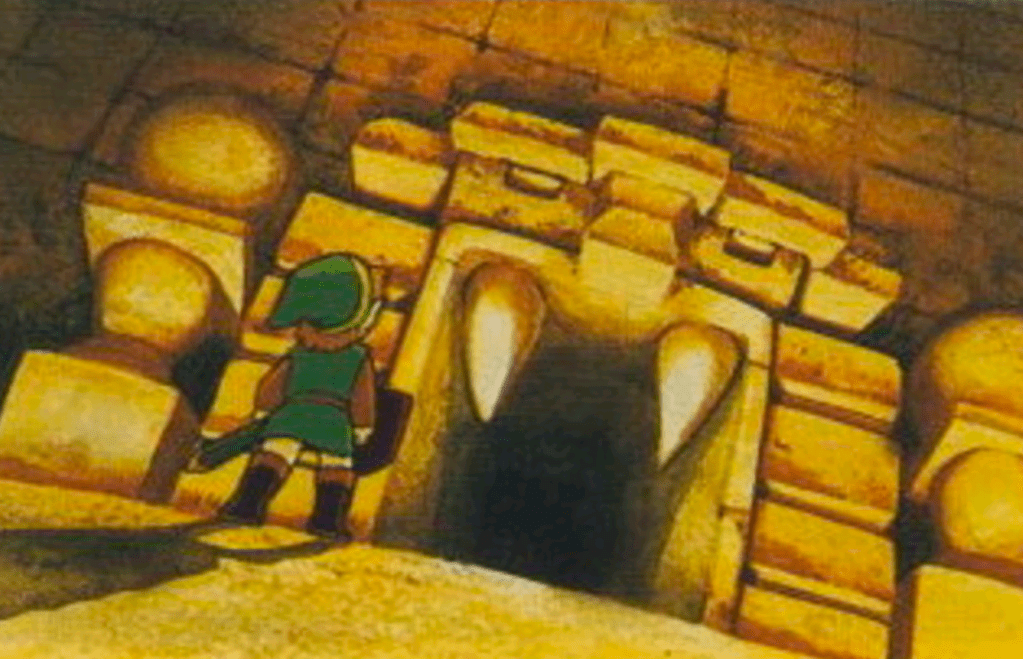
Knowing Ganon would pursue her, Zelda entrusted her loyal nursemaid, Impa, with a secret mission: to find a hero capable of recovering the Triforce pieces, defeating Ganon, and saving Hyrule. But before Impa could complete her task, Ganon’s soldiers captured Zelda and imprisoned her in a dark fortress atop Death Mountain. On the run and outnumbered, Impa was on the verge of being captured when a brave young boy named Link appeared and, without hesitation, fought off Ganon’s minions, saving her from certain doom.
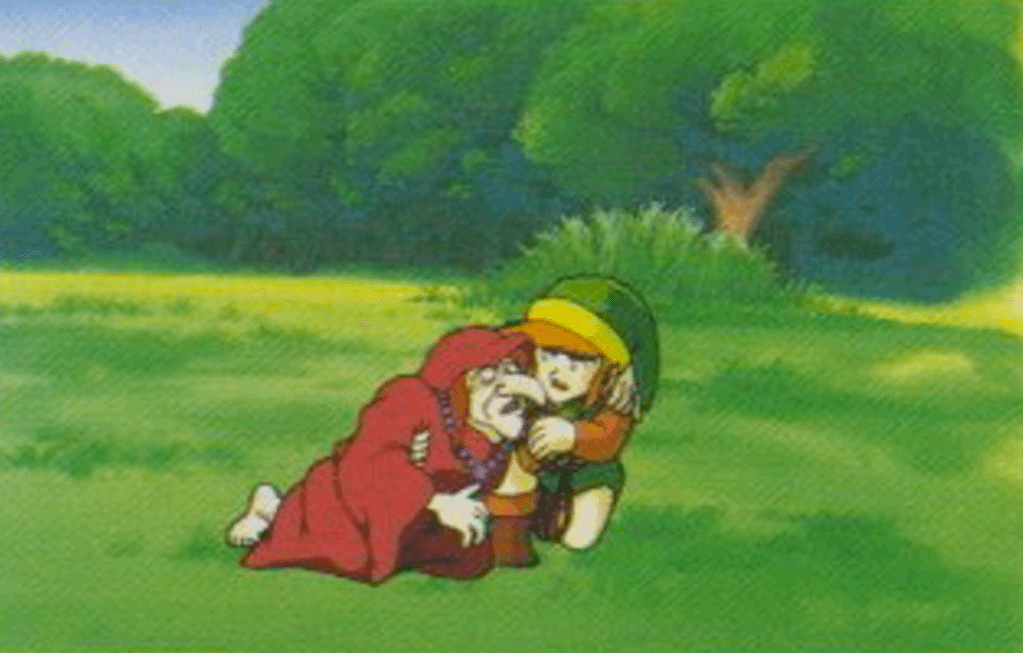
Grateful, Impa told Link of the legend of the Triforce and the dire situation Hyrule faced. Without a moment’s hesitation, Link knew he was destined to be the hero who would save the kingdom. With the heart of a true hero, Link accepted the challenge, knowing that to stand a chance against Ganon, he would need to recover all eight pieces of the Triforce of Wisdom, hidden in the darkest, most dangerous corners of Hyrule. His journey had begun.
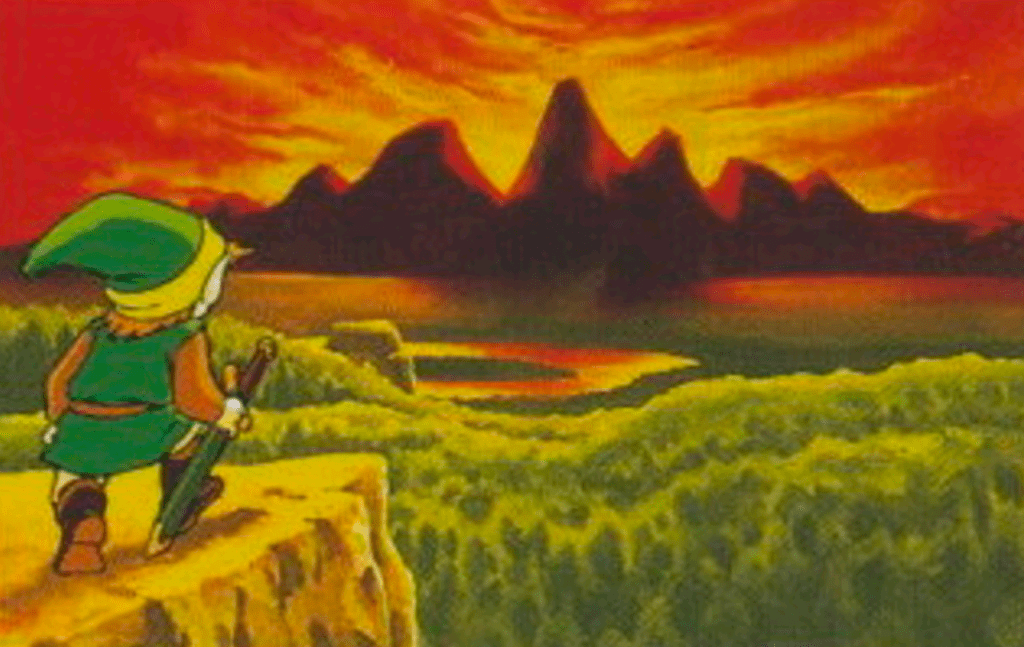
Hyrule’s Hidden Mysteries
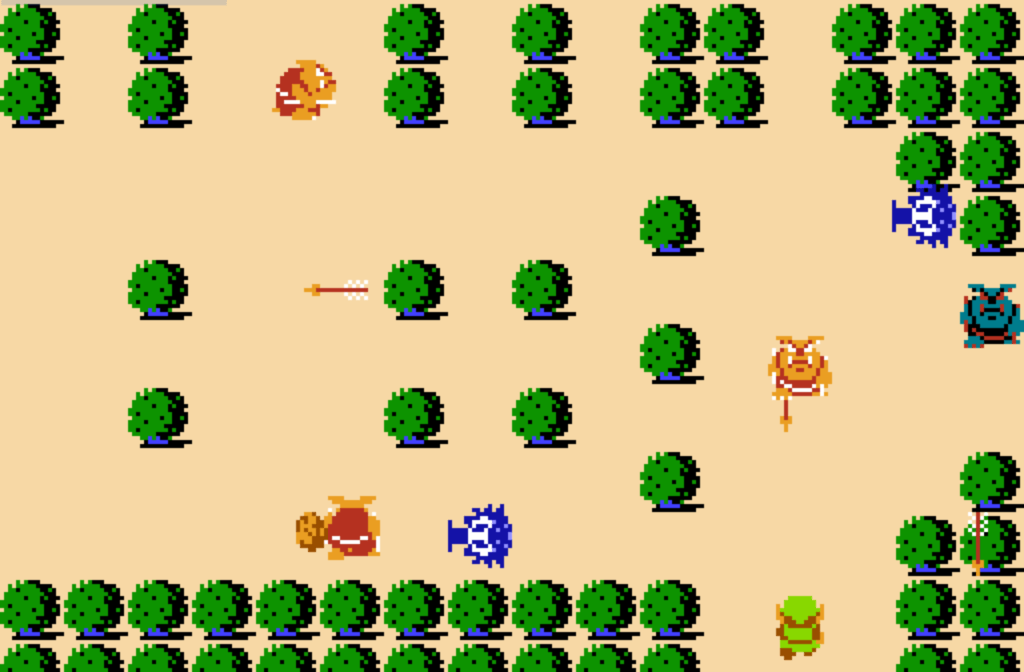
From the very first screen, Hyrule spread out before you like an uncharted land, wild and dangerous, yet filled with possibilities. No hand-holding, no clear path forward—just you, a wooden sword, and the vast open world. The sense of freedom was overwhelming. Instead of simply moving from level to level, this was a game where you wandered – exploring caves, scaling mountains, and braving forests, not knowing what lurked around the next corner. The secrets of Hyrule weren’t just handed to you, they were earned.
The feeling of discovery in The Legend of Zelda was nothing short of magical. Every hidden staircase, every dungeon entrance, every puzzle solved was a triumph, a hard-won victory in a world that dared you to find its mysteries. And the dungeons—each one was a labyrinth of traps, monsters, and dark forces standing between you and your ultimate goal. Every battle you fought wasn’t just about survival it was about proving yourself worthy to face the evil that threatened the land.
Miyamoto’s Childhood Adventure
This sense of personal discovery and triumph is no accident. Shigeru Miyamoto’s childhood experiences played an essential role in shaping the creation of The Legend of Zelda. Growing up in the fields around Kyoto, Japan, Miyamoto wanted to capture the same excitement he felt as a child when stumbling upon unexpected landscapes or hidden wonders while exploring the woods and caves near his home. The thrill of discovery, puzzling over what to do next, and the joy of uncovering hidden passageways were all woven into the design of The Legend of Zelda, making your journey through Hyrule feel as immersive and personal as his own adventures.
Miyamoto’s vision of exploration and discovery aligned perfectly with the innovations in gaming at the time. The Legend of Zelda took the foundation laid by early action JRPGs like Tower of Druaga, Dragon Slayer, and Hydlide, and refined it into something revolutionary. These games introduced real-time combat to the role-playing formula, offering players a more immediate and engaging experience than the slow-paced, turn-based mechanics of Ultima and Wizardry. But where these earlier titles set the groundwork, Zelda elevated the experience, seamlessly blending action, exploration, and puzzle-solving into a cohesive, open-world adventure that was unprecedented at the time.
Combat Evolved
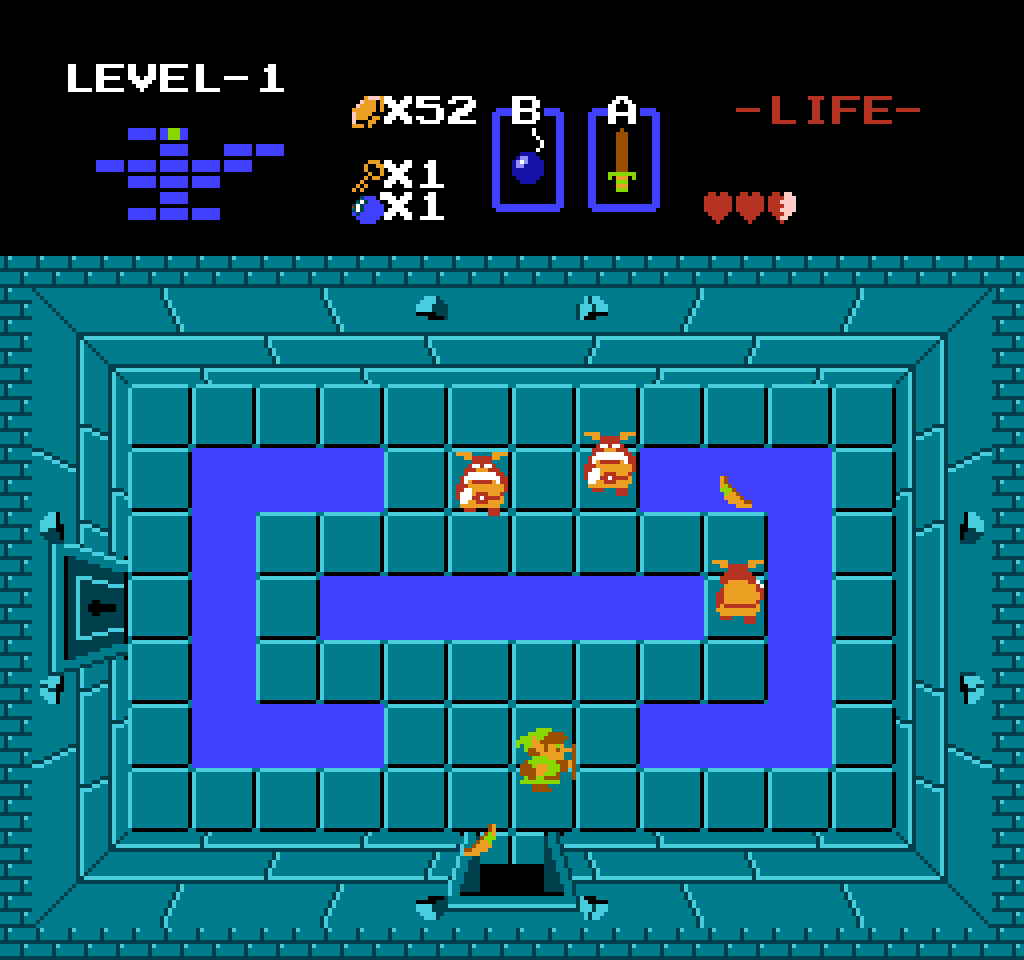
Zelda also refined the real-time combat introduced by its predecessors, adding a variety of weapons and items that kept the gameplay fresh and engaging. Instead of just relying on simple hack-and-slash mechanics, players had to find, collect, and strategically use items like bombs, boomerangs, and the iconic bow and arrows to defeat enemies and solve puzzles. This gave the gameplay layers of complexity while keeping it fast-paced and rewarding, adding a deep sense of adventure and mystery that the early action RPGs only hinted at.
Adding to the magic were the environmental interactions and hidden surprises scattered throughout Hyrule. Bombable walls revealed secret rooms, hidden staircases led to unexpected treasures, and cleverly concealed passages rewarded the most curious adventurers. These touches made the world feel alive, a place that seemed to hold its breath as you explored its every corner. In contrast, earlier games often relied on simpler, more repetitive environments, lacking the depth and interactivity that made Zelda’s world so immersive and unforgettable.
Pause the Adventure to Resume the Legend
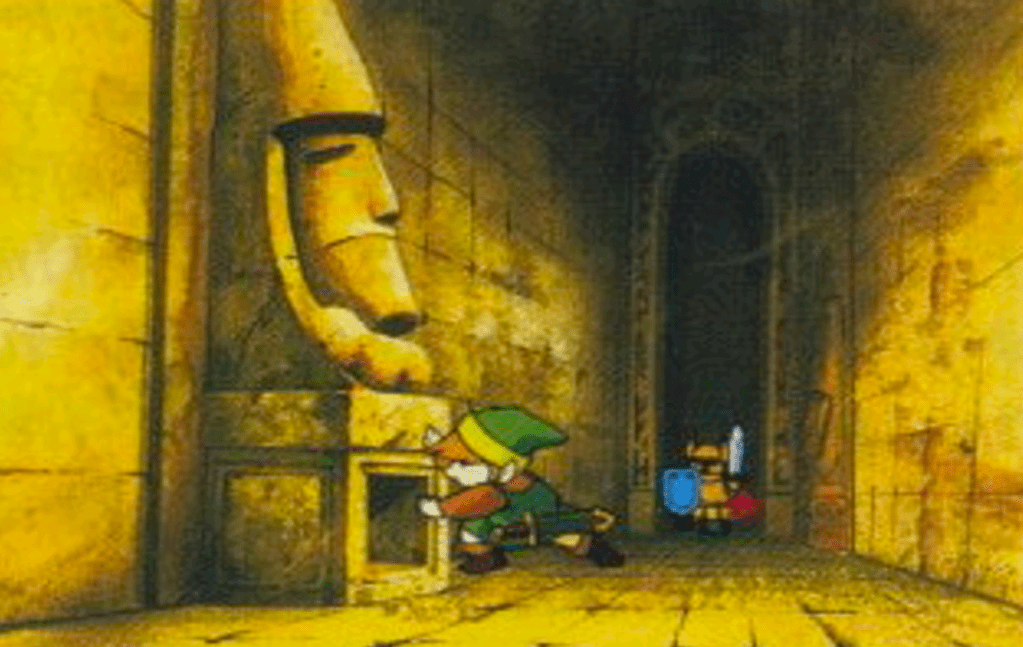
Another one of Zelda’s key innovations was its use of battery-backed memory to save your progress—a ground breaking feature at the time. Gone were the days of jotting down passwords or having to start from scratch each time you powered off your NES. You could venture deep into Hyrule, gather your hard-won treasures, and then take a break, knowing your progress would be right there waiting for you when you returned.
This wasn’t just a convenience—it was essential to the experience. Zelda’s vastness demanded the ability to save. The game’s puzzles, secrets, and boss fights weren’t meant to be tackled in one sitting. Whether you were bravely exploring the overworld or cautiously delving into a labyrinthine dungeon, the save system made it feel like an ongoing, epic adventure.

Zelda’s Timeless Melodies
When The Legend of Zelda was in development, the game’s music was as crucial to its identity as its gameplay. Koji Kondo, the composer, had already earned fame for his work on Super Mario Bros., where his lively, playful soundtrack perfectly matched Mario’s fast-paced world. But Zelda was an entirely different challenge. This was a game of exploration, danger, and triumph, set in a mysterious land far from the whimsical platforming of Mario. Kondo needed a score that could capture the grandeur and adventure of Hyrule, and reflect the more serious, epic tone of the game.
The Overworld Theme became the backbone of Zelda’s music, serving as the game’s centerpiece. This bright, adventurous tune plays as Link roams the vast, open world of Hyrule, and its uplifting, energetic rhythm perfectly matches the sense of freedom and discovery that the game offered. In contrast, the underworld’s 19-second loop was sparse and haunting. It didn’t have room for the grand development of other tracks, but in its simplicity, Kondo crafted an atmosphere of isolation and danger.
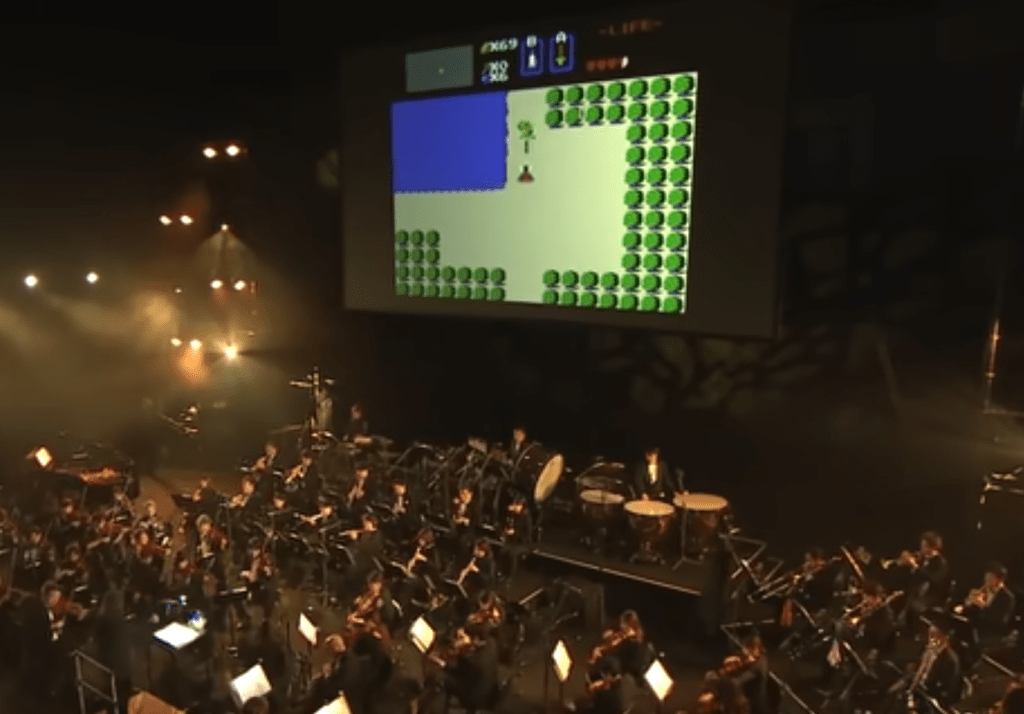
Firing up The Legend of Zelda is a moment of pure magic. The opening notes of the title theme are a melancholic call to adventure, set against the image of a sword and waterfall—teasing the scale of the epic journey ahead. As the story scrolls, a steady marching beat rises, pulling you into the narrative with a heroic sense of urgency. Then, as the chorus swells and the items begin to scroll across the screen, your imagination sparks to life, envisioning all the possibilities of interaction and discovery. The bold, iconic Zelda notes cement the sense of grandeur, making this melody an anthem for adventure.
The Legend of Zelda’s Legacy
Before you even pressed start, The Legend of Zelda made one thing clear: this wasn’t like any game you’d played before. Every dungeon, hidden passage and corner of this ancient land held echoes of a forgotten past, telling the story of a kingdom that once stood proud before Ganon’s shadow fell over it. It was about the adventure, the discovery, and the feeling that every piece of the Triforce you found would bring you closer to becoming the hero of your own tale.
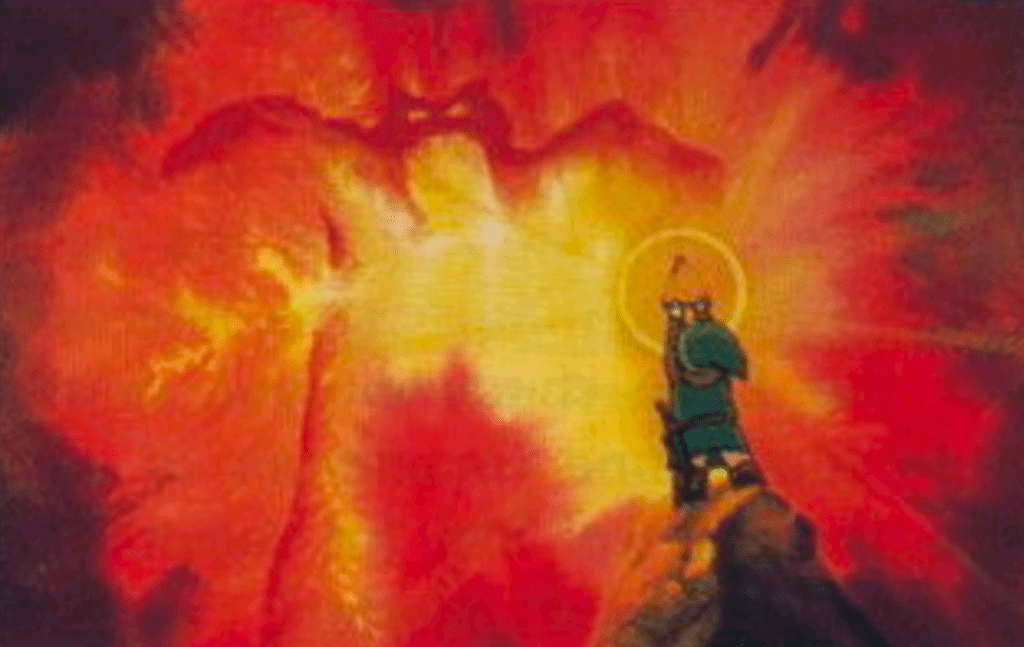
Long after Ganon’s defeat, the memories of that journey still linger—the open fields, the dark dungeons and the challenging puzzles—a reminder of a game that didn’t just define a genre, but defined what adventure could be.



 PlayZine
Leave a comment