Welcome Back to the 80s
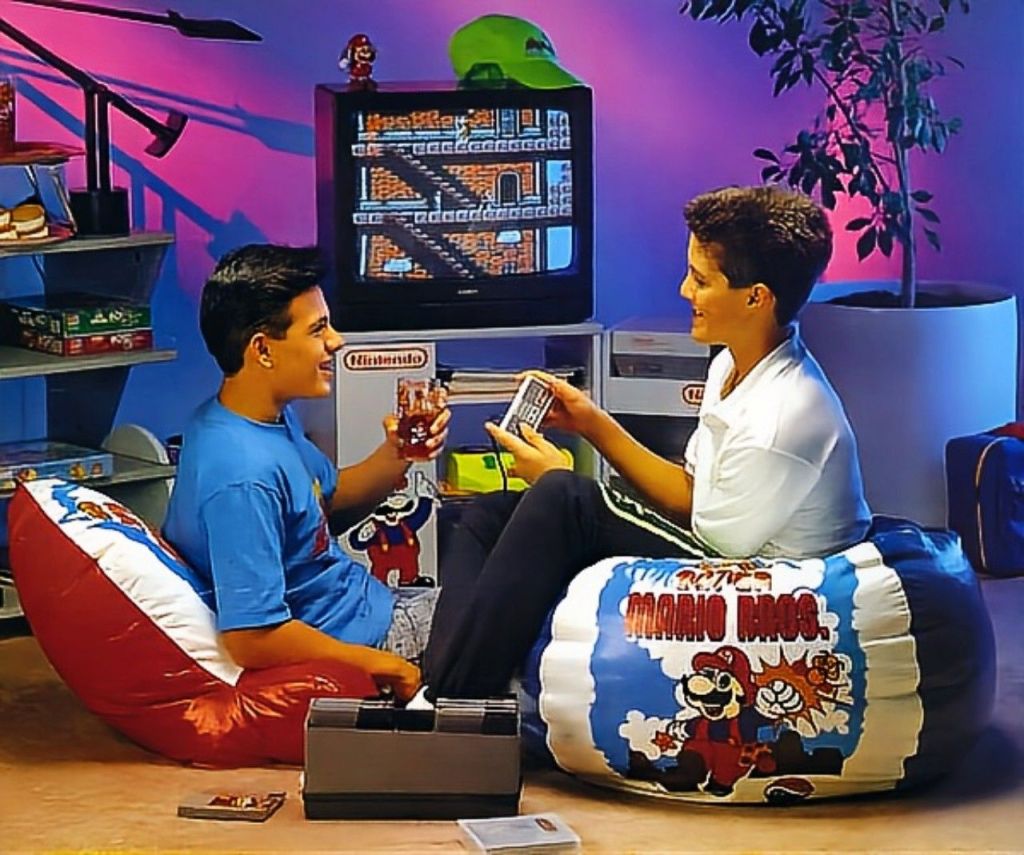
Ah, the ‘80s. Picture yourself sitting on that unmistakable plush shag carpet, NES controller in your hands stretching back to the console sitting beside your fuzzy 35” TV. Outside, the hum of skateboards rolling on sidewalks, kids trading game cartridges, and the distant laughter from a game of street hockey were everyday sounds. VHS tapes piled up on your parents bookshelf, a mix of classic movies, recorded shows and those worn, but cherished, copies of Star Wars (commercials included).
Laid out beside you is the latest issue of Nintendo Power, each page a promise of new journeys to take and unsolved mysteries to conquer. It was a gateway to the rapidly expanding gaming universe of the 80s, and you were on the cusp of it all. In that moment, surrounded by the culture and promise of the decade, life truly felt special.
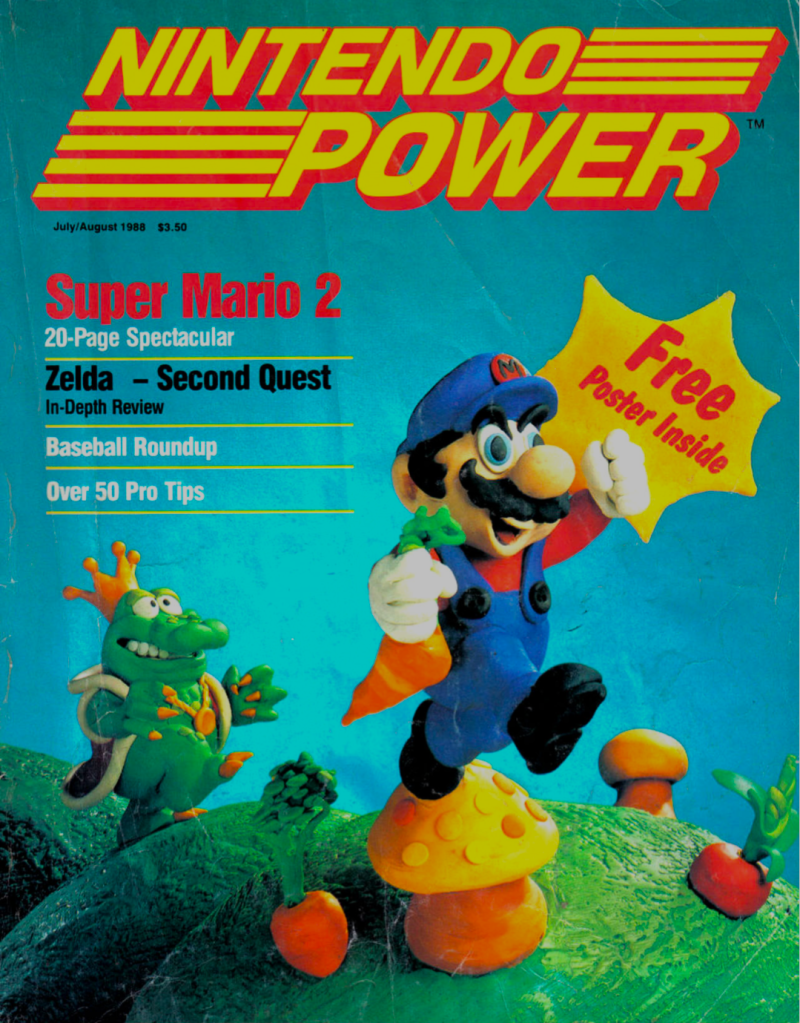
You’d think the first place to relive your best memories of the decade would be Nintendo Power issue #1. But as soon as you crack it open, you’re left scratching your head. Why doesn’t it start with Super Mario Bros. 1? Where’s that much-needed guide to tackle Zelda’s first quest? And seriously, who thought it was a good idea to slap a Play-Doh diorama on the cover of a video game magazine?
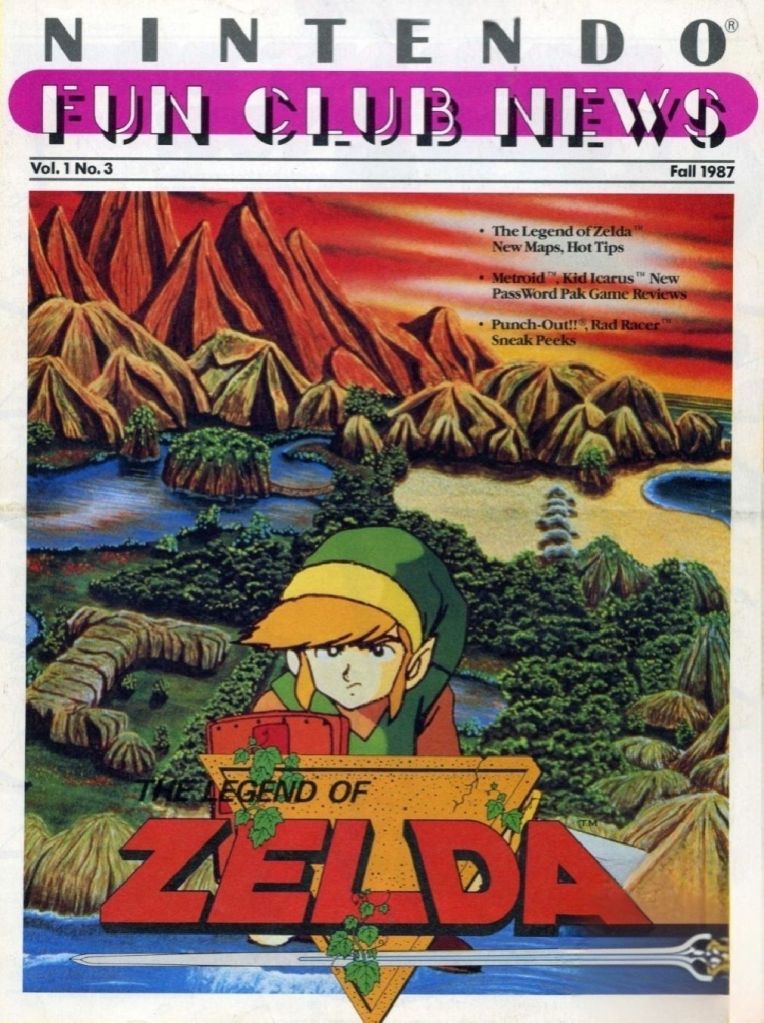
The Nintendo Fun Club Newsletter
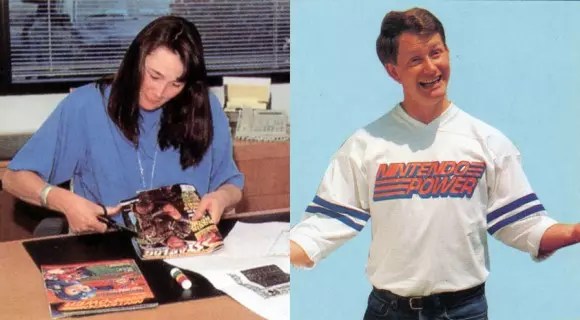
Surprisingly, Nintendo Power wasn’t the first Nintendo publication gamers could get their hands on. Nintendo’s first was the Fun Club Newsletter, the brainchild of warehouse manager Howard Phillips and marketer Gail Tilden. The two had operated a consumer feedback campaign of insert cards within packages of Nintendo’s hardware and games which formed an early mailing list of consumers to deliver the newsletter to. In the dark ages before the internet this information would have been a godsend to kids looking for new games while facing the challenging and often obtuse catalogue of early NES games.
Gail and Howard knew that kids were dying for this information and with the support of Nintendo of America’s then-president Minoru Arakawa, the son-in-law of Nintendo Company president Hiroshi Yamauchi, they set about to give gamers the edge they needed to be fully satisfied with their game purchases. Initially starting out with the Nintendo game counselling line with a few people to answer questions by phone, they quickly turned to a more cost-effective way of meeting the demands of gamers by leaning on their mailing list to ship out the Fun Club Newsletter.
Nintendo of America aimed to maintain its fan base through the Fun Club, a membership program offered to those who sent in warranty cards. Initially, 700 free copies of a four-page newsletter were distributed, growing in both size and circulation as interest increased. The Fun Club’s newsletters included crossword puzzles, jokes, and game tips. The Fun Club grew rapidly, and by early 1988, over one million members had joined, leading Arakawa to launch the Nintendo Power magazine.
The Prez Sez
With Gail driving the publication behind the scenes, Howard was left to be the front man and Hero of Nintendo’s publications. The very first message from the newsletter would be from “professional gamesman” and president of Nintendo Fun Club, Howard Phillips. Playing video games is how we have fun and that’s what the club was about! The man’s spent 10,000 hours perfecting his video game skills and as club president he’s going to make sure you have fun too!
Nintendo Fun Club News was not just about games, but also about cultivating a community. At a time when gaming wasn’t as ubiquitous as it is today, the Fun Club was the epitome of exclusivity and being “in the know”. Each issue was a treasure trove of gaming insights, exclusive previews, and even contests. It was more than just a newsletter; it was a badge of honor, an indication that you were a dedicated Nintendo gamer.
Imagine the joy of seeing the newsletter in the mail and the anticipation as you ripped it open. The newsletter brought hints, tips, and news about forthcoming games right into players’ homes. For many, it was their first glimpse into the larger world of Nintendo, a peek behind the curtain of one of the most influential gaming companies of the time.
While the newsletter was an invaluable resource, it was also a genius marketing tool. Through it, Nintendo could keep their audience engaged and excited about upcoming releases. They could directly communicate with their fans, hyping up new titles and ensuring a dedicated base of players eagerly awaiting each new game drop.
The Dawn of Nintendo Power
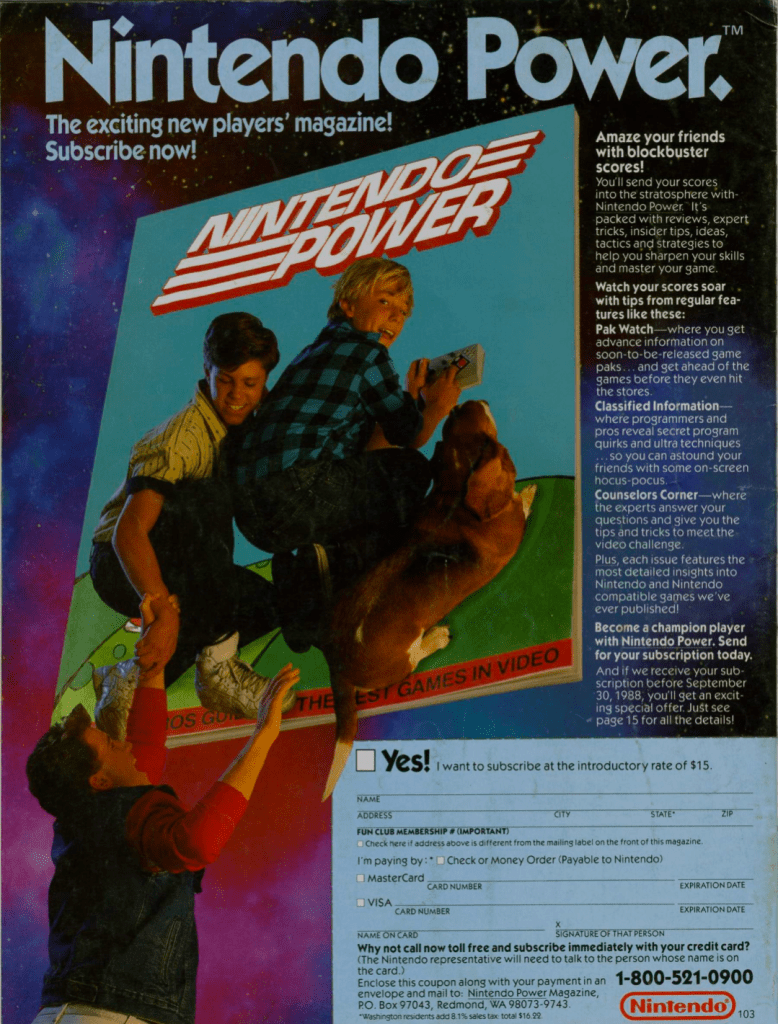
By 1988, the Fun Club News had evolved into what many consider the golden standard of gaming magazines: Nintendo Power. This transition from a simple newsletter to a fully-fledged magazine was a testament to the newsletter’s success and the growing demand for Nintendo-related content. But even as Nintendo Power took the spotlight, the Fun Club News left an indelible mark on the hearts of early Nintendo enthusiasts.
Looking back, it’s easy to understand why the Fun Club News resonated so deeply with its readers. The ‘80s was a period of rapid change in the world of entertainment, and gaming was still a relatively new and uncharted frontier. Nintendo, with its commitment to community and its dedication to delivering high-quality content, managed to tap into the zeitgeist of the era. The Fun Club News is more than just a newsletter—it’s a symbol of a bygone era, a reminder of the joys of childhood, and a testament to the enduring magic of gaming.

 PlayZine
Leave a comment