PlayZine Issue 7 marks the turn of a decade! As we close out the 1980s and head into the most innovative decade in gaming history, PlayZine is blowing out its coverage and diving into the world of PC Gaming! We still love our 8 and 16-bit consoles but we couldn’t cover the 90s without capturing the cutting innovation that we’ll see across the 386 and 486 Intel chips that will come to define the decade.
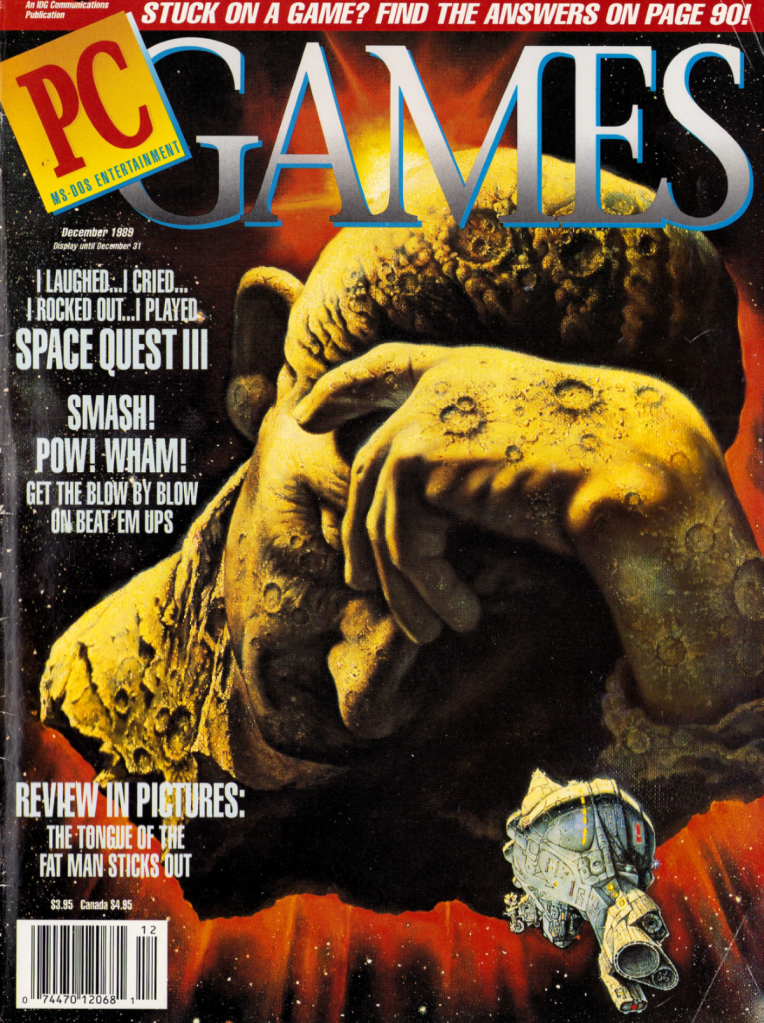
Looking back to the dawn of home computing, it’s incredible to see how far we’ve come since the 1977 trinity of the Apple II, Commodore PET, and TRS-80. For years, critics asked what a home computer was actually good for and by the end of the 80s the killer app was gaming. The Commodore 64 found success in the early 80s by being so aggressively priced that families jumped at the chance to buy a system that would improve their home productivity but secretly left millions of powerful gaming machines in the homes of eager kids left in the lurch from the console crash of ‘83.
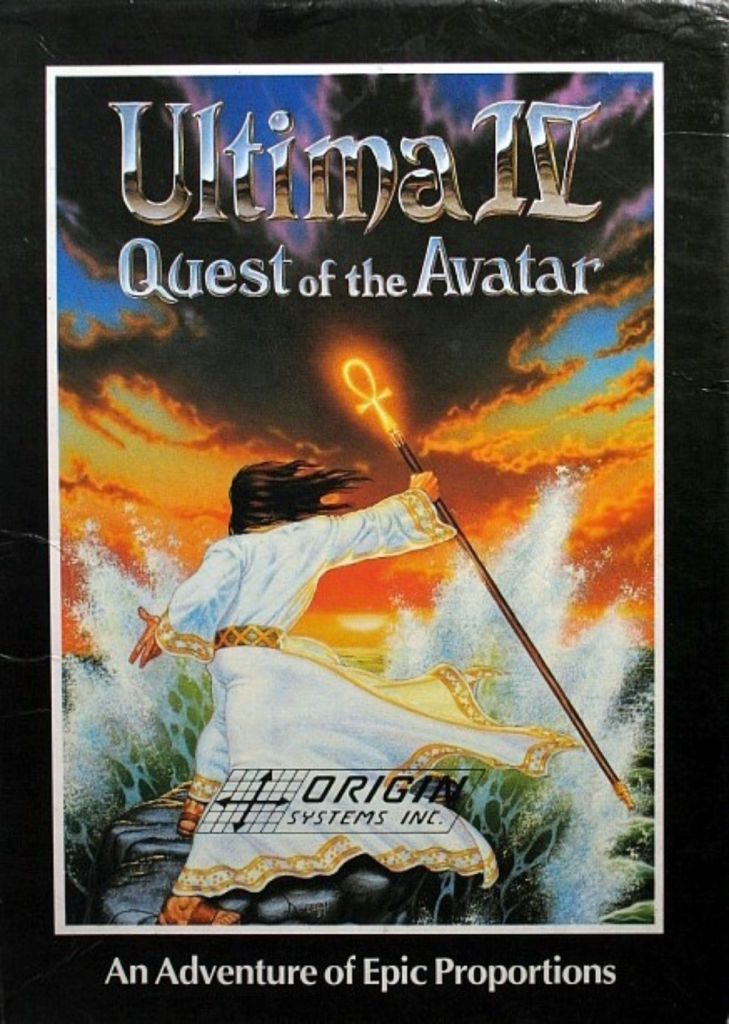
The mid-1980s saw a multimedia explosion with the arrival of 16-bit powerhouses like the Amiga and Atari ST. These machines introduced a generational leap, offering up to 4,096 colors and digitized stereo sound that shifted the primary user interaction from the keyboard to the mouse. Despite the power of these machines, the decade ended with the rise of the less powerful but more open platform of the IBM PC clones. Between 1987 and 1989 the install base of IBM clones set the stage for the introduction of VGA graphics and Sound Blaster cards that transformed these boring business boxes into a premier gaming platform with a huge install base.
The future at this time looked even more surreal as the mags began to glimpse the emerging world of virtual reality. The high-tech pioneers at Autodesk (makers of AutoCAD) were beginning to experiment with virtual reality systems that used “Eye-Phones” and sensor-equipped gloves to create primitive 3d worlds that the user could interact with. We could barely imagine stepping inside a computer-simulated racquetball court or a 3D version of Gauntlet but finally William Gibson’s imagining of cyberspace had felt attainable for the very first time.
PC gaming had seen many innovations through the previous decade but by January 1990 it was Sierra Online that was leading the charge with Quest for Glory I, a blend of Sierra’s traditional text-parser puzzles with deep RPG statistics. Whether you were a magic user, warrior or thief, Sierra proved that they were in a league of their own. But PC gaming also had a dark secret, it was an incredibly weird and experimental place to be a consumer of interactive media. You wanted a game that jammed a flight simulator together with a point and click adventure game led by a hard boiled detective played by the game’s lead designer? Well then you better pick up a copy of Mean Streets, the beginning of the Tex Murphy series featuring digitized sound that brought the year 2033 to life without the need for an expensive sound card.

But even as the PC was flaunting its adventure gaming bonafides, the NES continued to surprise us by shrinking the complex adventure systems of the MacVenture series into a cartridge size quest via the port of Shadowgate, proving that eerie atmosphere and sudden death can be just as effective on a gamepad as they are with a mouse. But we can’t forget that the movie tie-in was staying strong with Sunsoft’s Batman. With its tight wall-jumping mechanics and moody, purple-hued graphics, it was a masterclass in how to bring a cinematic icon to the 8-bit screen.

The 90s are officially here, the graphics are getting sharper and the worlds are getting deeper. No matter how you play, PlayZine is your front row to this revolutionary period of gaming!
 PlayZine
Leave a comment