The holidays are upon us and for a gamer in 1989, the Christmas season was less about good cheer and more about a fever pitch of anticipation with the year’s biggest releases dropping across all platforms. It was also the time for us to find out whose parents were in the know and which parents were just grabbing the easily recognized boxes with their favourite licensed movies on the front.
In Christmas mornings of past years we’d sit there with that anxious feeling as we slowly opened that one gift shaped like an NES game. Would it be one of the movie-licensed games being pumped out of LJN’s rainbow of garbage, a rushed cash-grab that delivered frustrating gameplay, like Jaws or Friday the 13th? Hopefully not! And by the time we got to the end of 1989 the chances of you getting something good from your movie loving parents was getting much better. Hollywood and the world of video games were beginning to understand each other and we were going to finally get to explore some of our favorite worlds without having to suffer through half baked movie tie-in.
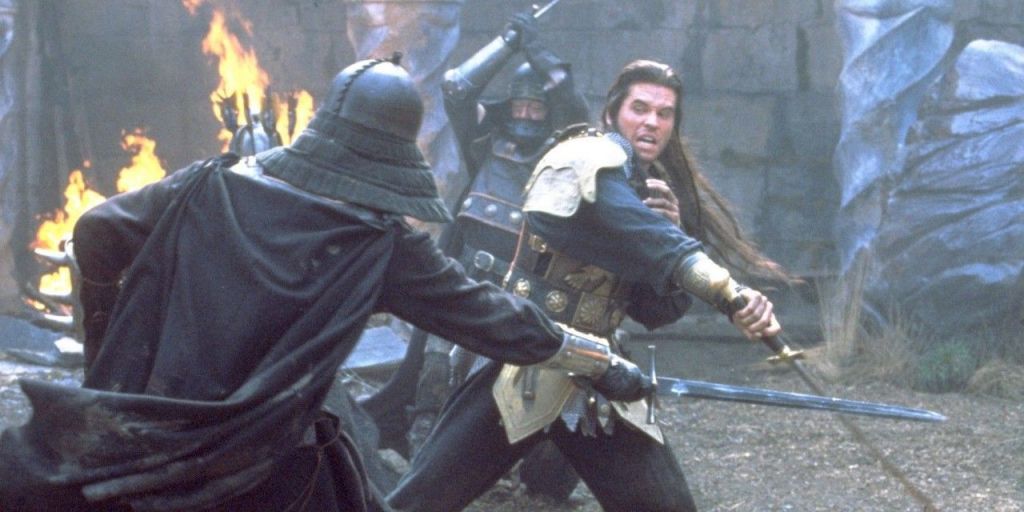
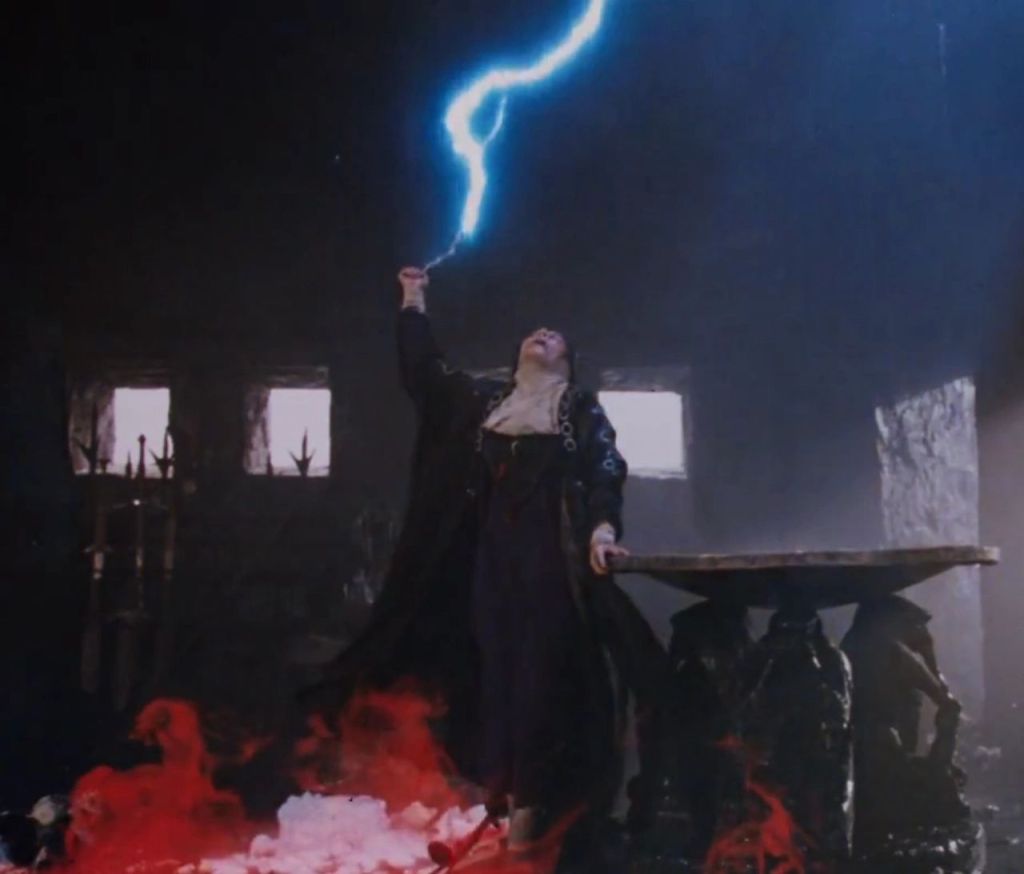
Leading the charge this holiday season was Capcom’s Willow for the NES. After reliving the Adventures of Madmartigan and Willow for the past year on our well worn VHS tapes, what kid didn’t want to finally slam that cart into their NES and be part of their adventure? It wasn’t a standard, quick-hit platformer, but a sprawling, sophisticated action-RPG that could stand toe-to-toe with our golden Legend of Zelda carts.

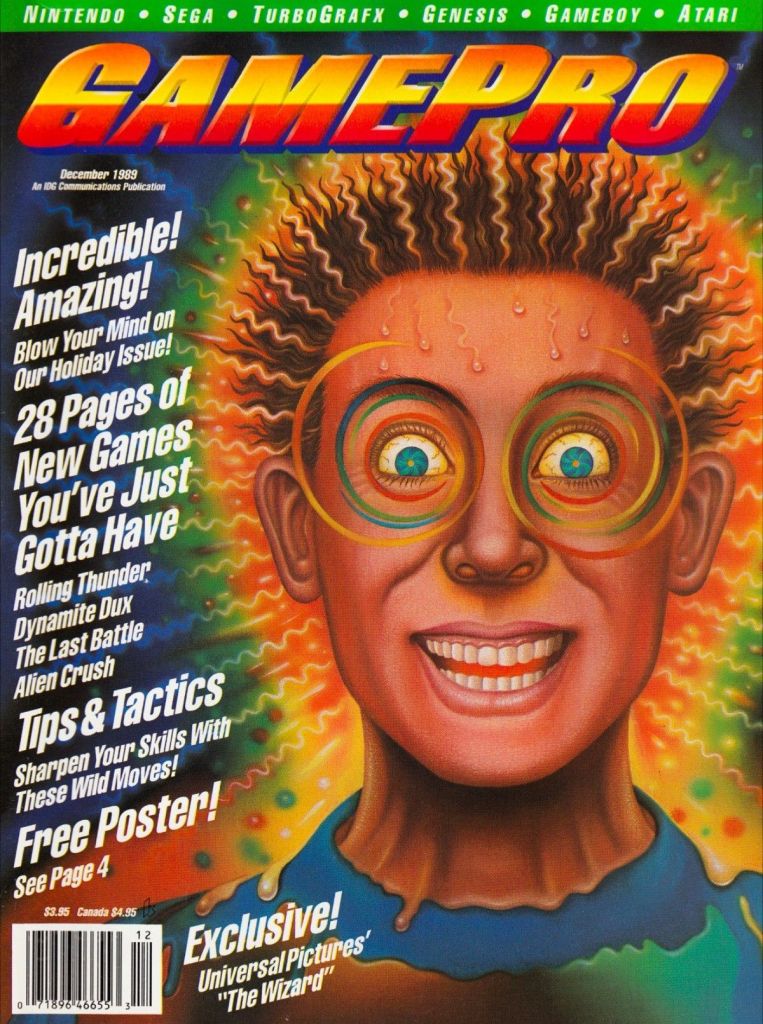
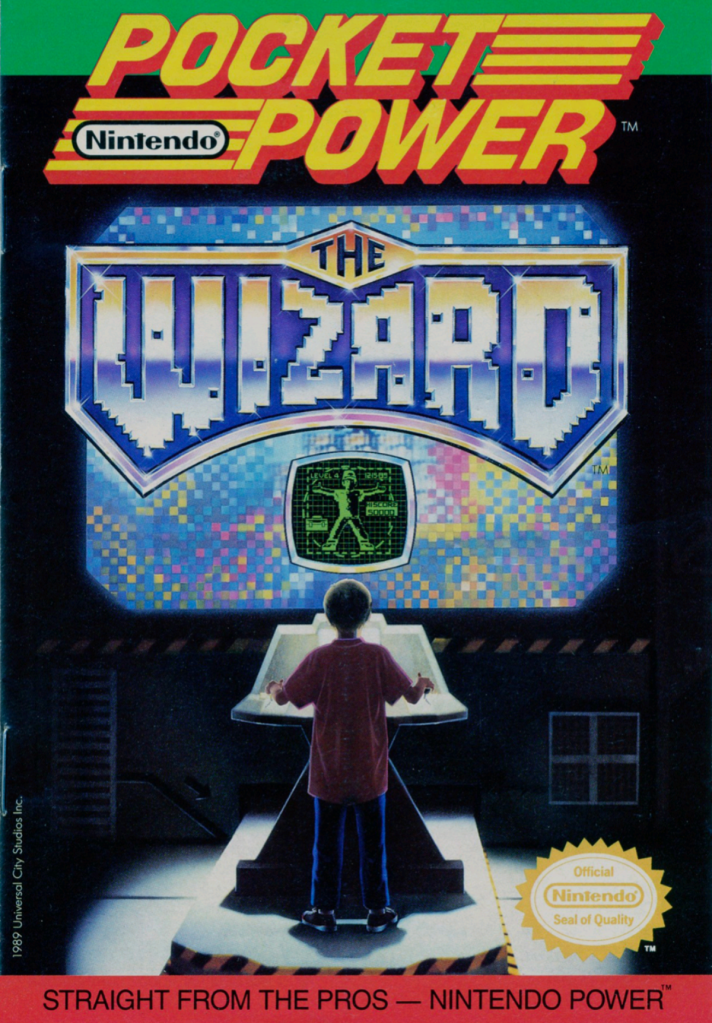
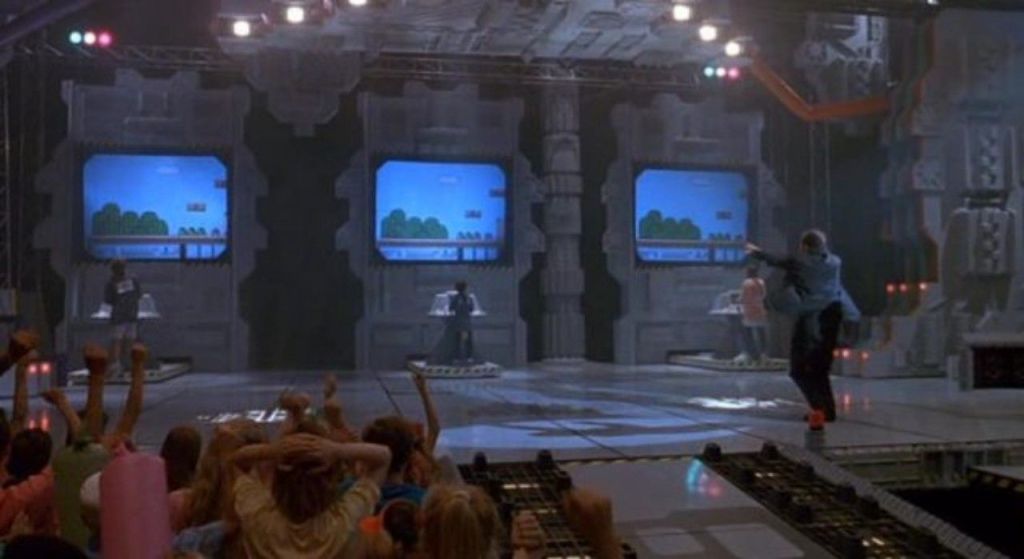
And while movies were finally getting their due in video games, video games were about to take their biggest shot on the big screen with the release of The Wizard. As soon as we saw our first glimpses of Super Mario Bros. 3 from that movie’s trailer the anticipation was through the roof and wouldn’t let up until we had the game in our hot little hands. Sitting through Video Armageddon in the theater sent every kid to imagine themself as a Nintendo champion. And Nintendo would deliver! We quickly found out that in early 1990 the Nintendo World Championships would be touring the country allowing us to prove our gamer skills to the world. It was an unbelievable time to own an NES!
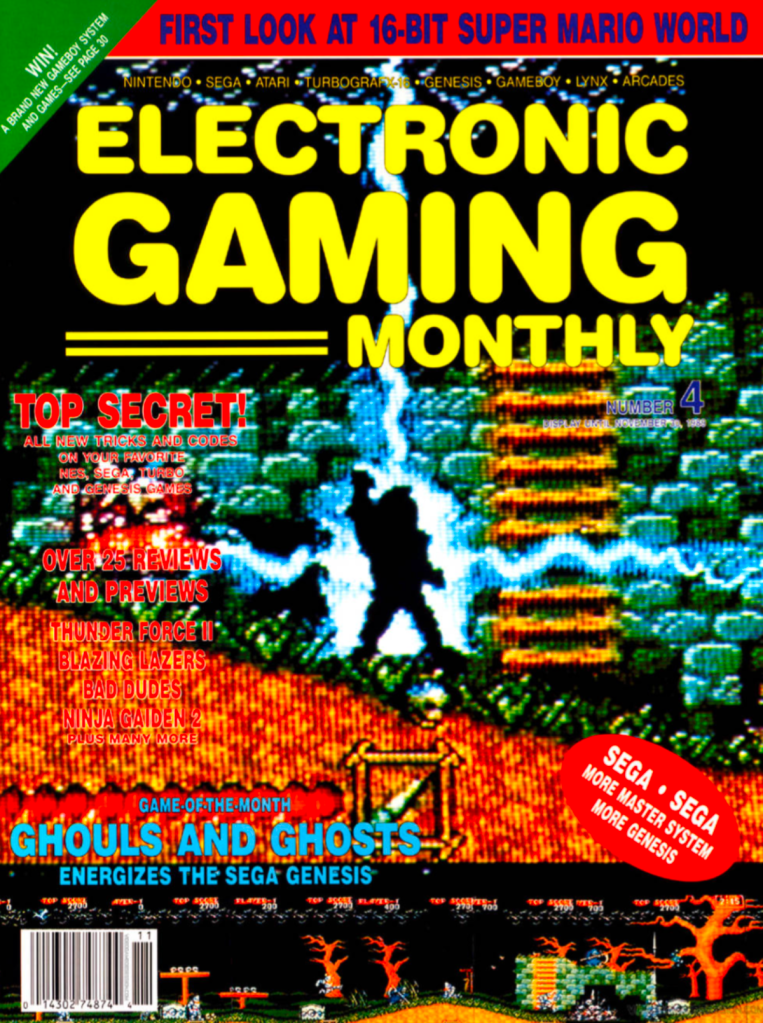
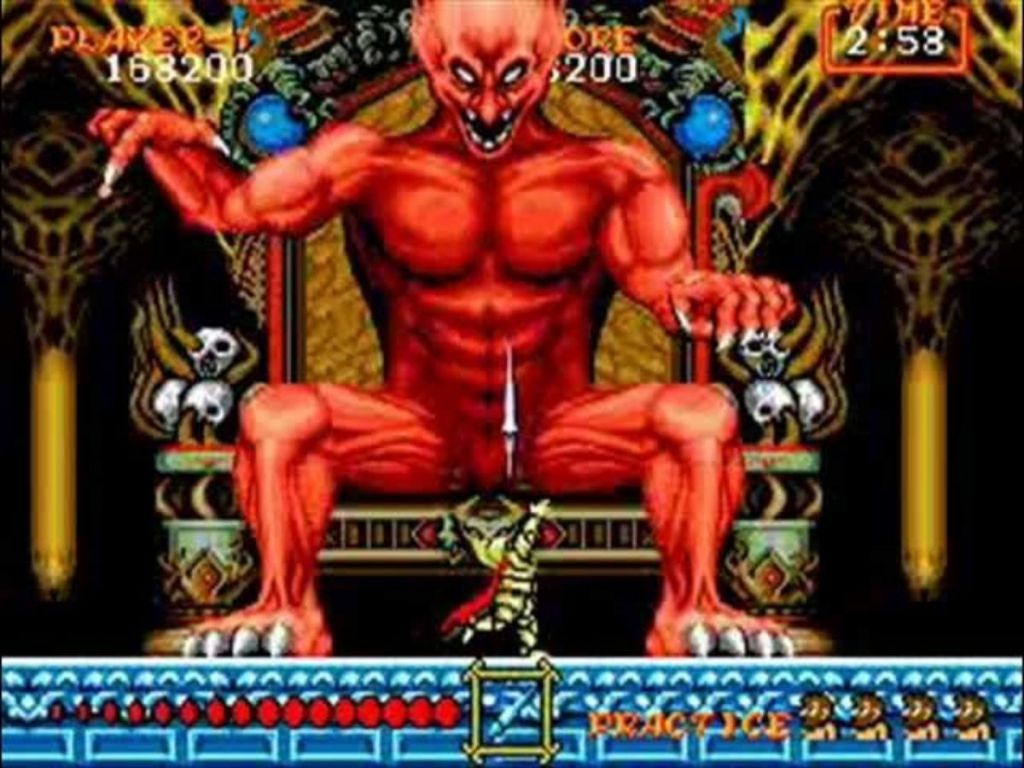
Yet, while Nintendo basked in the spotlight of Hollywood hype and 8-bit peak performance, the challengers were coming to muscle their way in for space under our Christmas trees. The 16-bit systems were focused on bringing the authentic arcade experience home. They offered raw horsepower that immediately made the 8-bit consoles feel like older technology. Key titles were proving the point. NEC’s TurboGrafx-16 impressed with the scale and speed of The Legendary Axe, while Sega’s Genesis delivered a stunning, near-perfect translation of the arcade monster Ghouls ‘n Ghosts. These games, with their huge sprites and advanced color palettes, were a loud declaration that the future of gaming would be defined by 16-bit power.
Ultimately, December 1989 represented a pivotal moment where several key forces converged, leaving the consumer with unprecedented choice. The established champion, Nintendo, proved it still had plenty of life left in its 8-bit machine. Yet, the noise of the next generation could no longer be ignored. For every kid unwrapping a highly polished NES cartridge, another was plugging in a Sega Genesis or TurboGrafx-16, experiencing the beginnings of the rapid advances in gaming that would occur over the next decade. This Christmas wasn’t just the end of the 80s but was the beginning of a magnificent, chaotic new era where Hollywood finally respected games and 16-bit power put the entire industry on a collision course, forever changing the way we thought about video games.

Mag Coverage
Nintendo Power #9, Nov/Dec 1989
 PlayZine
Leave a comment