It’s the sweltering summer of 1989 and the video game publishing industry is in full gear to deliver coverage on one of the most pivotal moments in gaming history, the dawn of the 16-bit era. The new kids on the block, EGM and GamePro, have published their second issues, and they’re wasting no time drawing the battle lines. Meanwhile, Nintendo Power, celebrated its first anniversary by unveiling the Game Boy and a portable future far beyond the living room.

The new multi-platform magazines spent the summer carving out their identities. EGM’s editor Steve Harris came out swinging in his Insert Coin column, promising unbiased reviews in a thinly veiled jab at Nintendo Power’s enthusiastic coverage. EGM was positioning itself as the serious voice for the hardcore player. At the same time, GamePro’s “You Asked For It, You Got It” attitude revealed their strategy: champion the underdog. By explicitly promising more coverage on Sega games than any other magazine they established themselves as the go-to source for the burgeoning Genesis fanbase just before its launch.
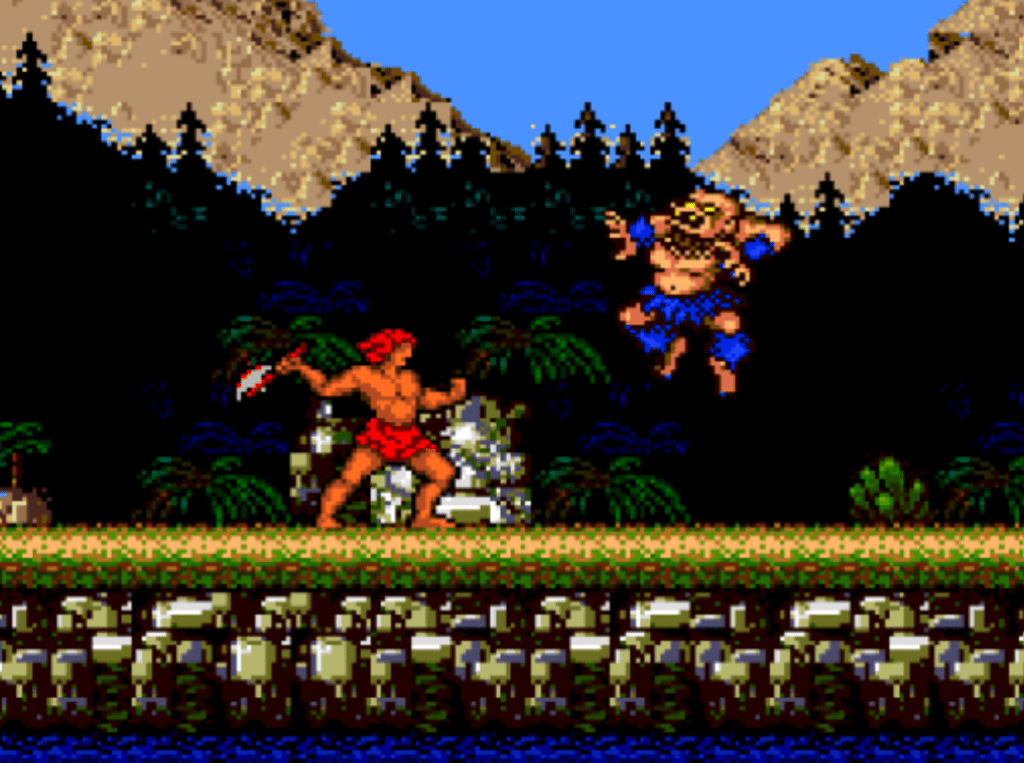
While the press fought for readers, they all agreed: the 16-bit future was imminent. EGM’s Next Generation Gaming cover story and GamePro’s The Cutting Edge column fanned the flames. The star of the show was the Sega Genesis, set for an August 14th North American launch. Mentions of its pack-in brawler, Altered Beast, were everywhere. A few weeks later the TurboGrafx-16 would launch making the dream of arcade-perfect graphics at home no longer a dream—it was weeks away. The hype was unbearable!

How did Nintendo respond to this impending 16-bit threat? First, by proving the 8-bit era was far from over. The Summer issue of Nintendo Power was a showcase of legendary NES titles. Feature stories gave massive coverage to all-time classics like Mega Man II, the atmospheric Faxanadu, and the genre-defining RPG Dragon Warrior. The preview section, meanwhile, was packed with hotly anticipated licensed games like RoboCop, Duck Tales, and Who Framed Roger Rabbit. The message was clear: the most exciting games were still on the NES.

But Nintendo was also building its future. The Pak Watch section offered the most detailed look yet at the Game Boy. Highlighting the launch lineup (Super Mario Land, Alleyway, Tennis) and its revolutionary pack-in, Tetris, Nintendo Power built anticipation for the early September release into a frenzy.
In a brilliant stroke of branding, the NES Journal also ran One Hundred Years of Nintendo, tracing the company’s history from a Hanafuda playing card manufacturer in 1889 to the cutting-edge electronics of 1989. It was a powerful PR move, positioning Nintendo not as a fleeting fad like the companies that crashed earlier in the decade, but as an enduring institution ready for the next century.
This was a pivotal moment. The 8-bit era was producing some of its all-time classics, but the air was thick with the promise of 16-bit power and a revolutionary new way to play on the go. We’ll be diving into this turning point next time in PlayZine issue #4!

 PlayZine
Leave a comment