A Hero’s Quest Begins
There’s a salt-laced wind blowing through the port town. The silver, once the lifeblood of this land, no longer flows from the mines, and the great foreign ships that brought prosperity are now just memories fading on the tide. This is Esteria, a kingdom haunted by the ghost of its former glory, a place where hope is as scarce as precious metal.
You are Aron Christian, a young adventurer and swordsman with hair the colour of a fiery sunset, washed ashore by the fury of a hurricane. The locals, a kindly fisherman and his kin, nurse you back to health, their generosity a small, warm spark in a cooling world. But your spirit is restless, you weren’t made for the quiet life of a fishing village. Your eyes are drawn to the horizon, to a great plain dominated by a single, malevolent structure clawing at the sky.
“That is the Tower of the Doomed,” the fishermen tell you, their voices hushed with fear. They speak of an evil eye, of a place where all the troubles of their land began. As you stare at its ominous silhouette, a feeling settles deep in your bones: your destiny awaits in that tower.
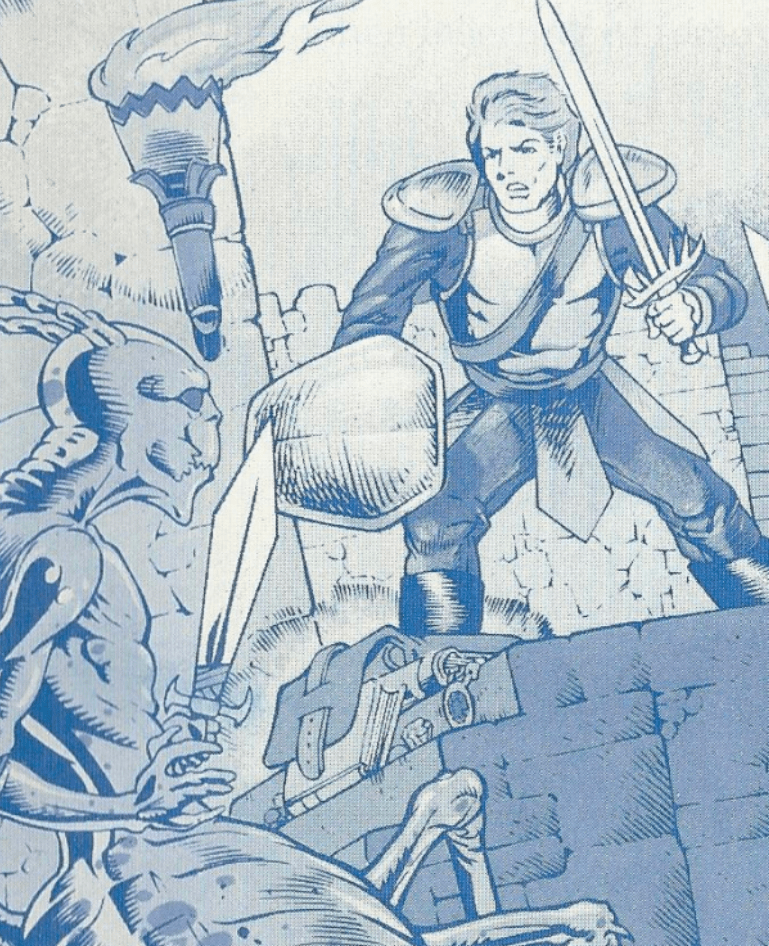
The villagers speak in whispers of ancient legends—of the divine Goddesses of Y’s and of six magical books. In times past, these tomes held the power to save the kingdom from great evil. Now, a new darkness gathers. An evil sorcerer in a black cloak stalks the land, desperate to find the books and plunge Esteria into eternal night. With a small bag of gold in your pocket and the greatest quest of your life laid out before you, you take your first steps.
Developing Esteria for the West
The hum of the Sega Master System powering up, the faint smell of plastic mixed with childhood memories, and then, the title screen Ys: The Vanished Omens. In the West, the Sega Master System received the first port of the epic saga of Ys, predating its arrival on the TurboGrafx-16 by nearly a year. In North America, Sega was fiercely carving out its niche and cultivating a dedicated following amidst the console war with the NES by bringing over critically acclaimed Japanese computer RPGs to its 8-bit powerhouse in the West.
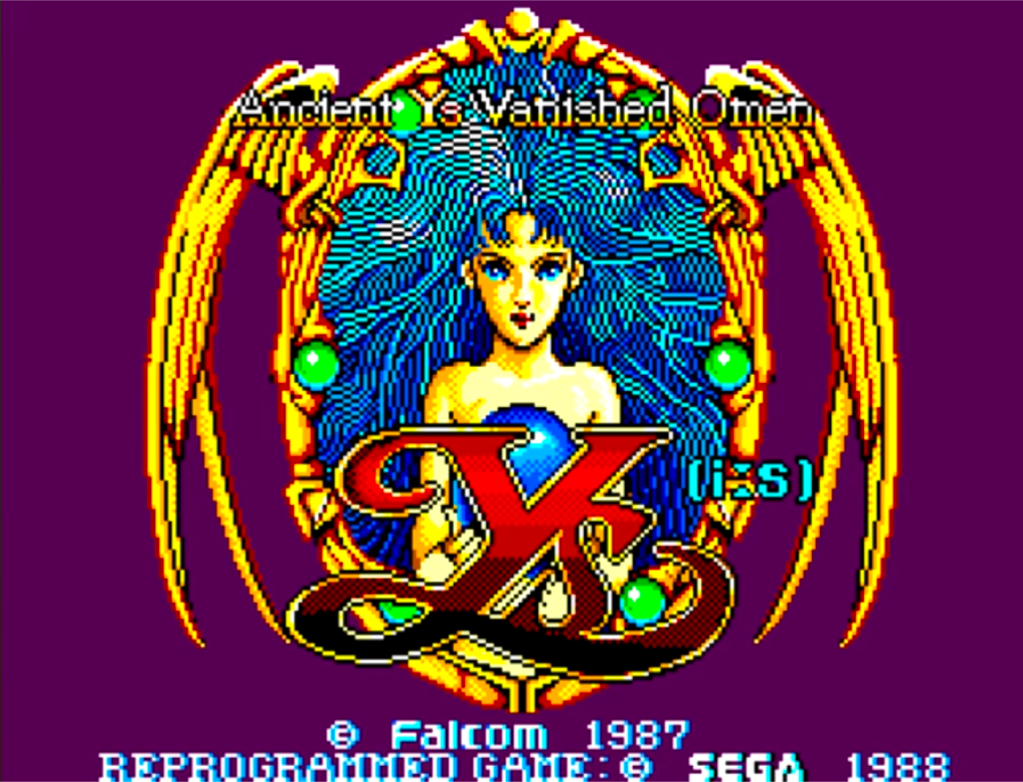
Within the Japanese computer gaming scene, Ys I: Ancient Ys Vanished made its debut on the NEC PC-88 in June 1987, serving as the master version for subsequent ports. Developed by Nihon Falcom, the game was spearheaded by Masaya Hashimoto, who served as director, programmer and designer, with Tomoyoshi Miyazaki crafting the scenarios. Both Hashimoto and Miyazaki would later go on to co-found Quintet, a development studio responsible for acclaimed SNES System titles such as ActRaiser and Soul Blazer.
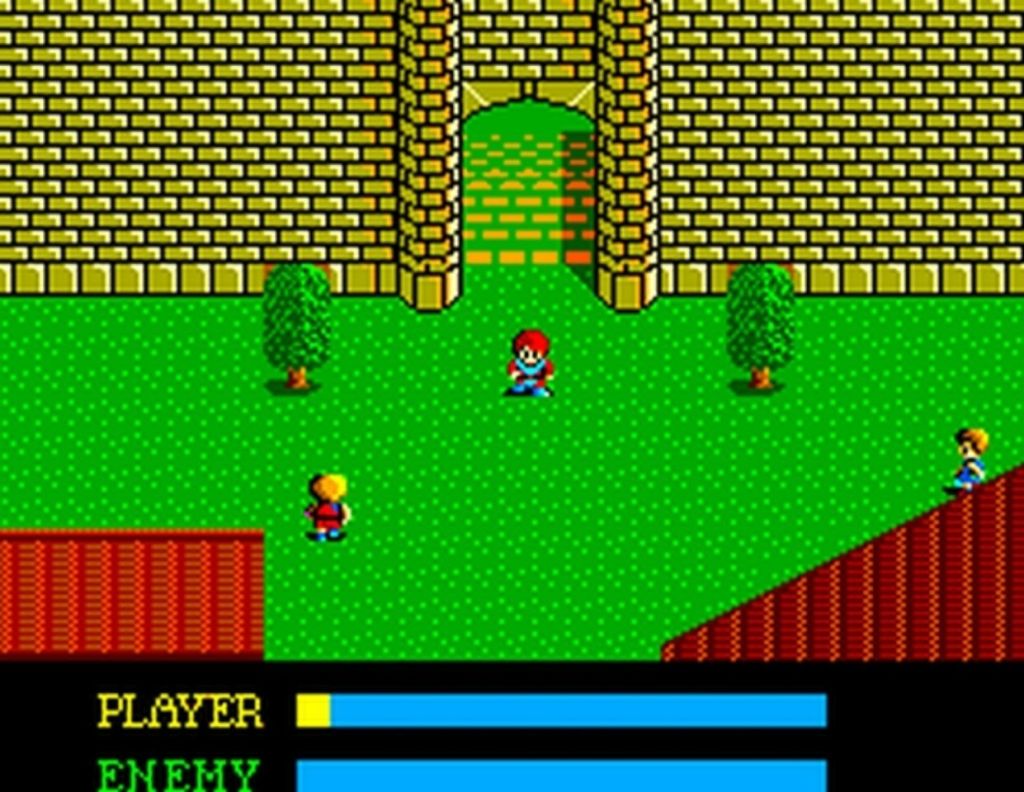
The moment you stepped into the world of Esteria, even with its modest 8-bit graphics, there was a sense of grand adventure. Graphically, for an 8-bit game, Ys was a marvel. Reviewers at the time lauded it for having some of the best graphics on the system and being much more colorful than the Famicom version. The developers clearly made smart choices to make an 8-bit game great for its time, leveraging the console’s strengths while navigating its limitations.
Then there’s the music, composed by the legendary Yuzo Koshiro, the soundtrack for Ys is simply unforgettable. From the adventurous opening theme to the more somber tunes of the dungeons, the music perfectly captured the game’s atmosphere. It was so impactful that Ys marked the first time music by Yuzo Koshiro had appeared on a Sega system, and Sega’s in-house team did a great job of reworking it. The soundtrack demonstrated the skill of the porting team in adapting complex compositions to the more limited hardware.
Fast Action Hero
Ys is renowned for its distinctive bump attack system, a seemingly straightforward mechanic where players damage foes by colliding with them slightly off-center. This innovative approach redefined traditional RPG combat, despite sounding simplistic, it became surprisingly addictive, especially amidst crowded screens. The system’s depth lay in its nuances: a character’s level, equipped gear, and the precise angle of impact determined damage dealt or taken, elevating what appeared to be mindless button-mashing into a strategic dance.
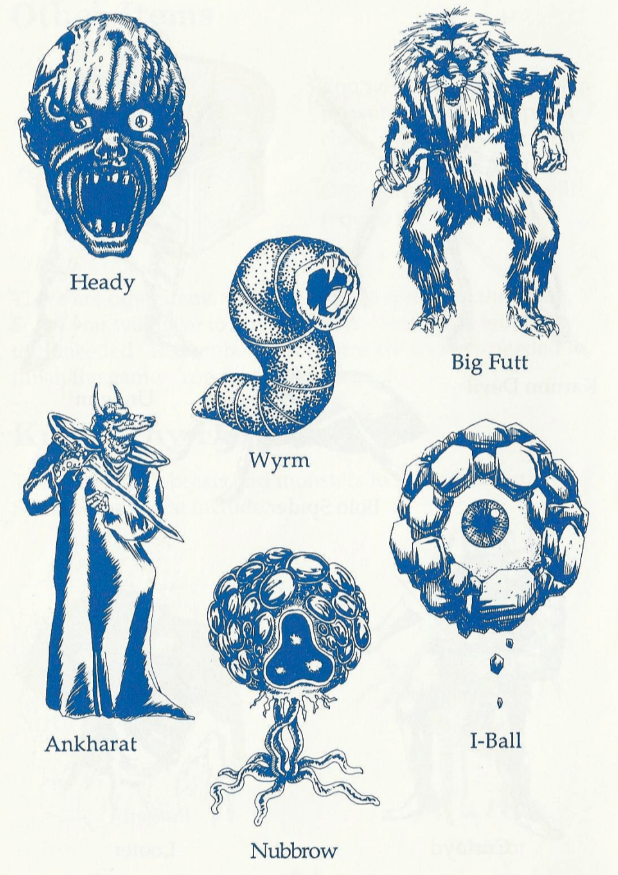
Boss encounters in Ys presented their own memorable challenges. Players quickly discovered that certain bosses demanded a specific power level to inflict damage, signaled by a subtle “clink” sound on failed attacks. This often led to frustrating yet ultimately satisfying cycles of defeat, focused grinding, and triumphant returns to the boss, finally achieving victory once Aron was sufficiently powerful. Battles like the one against Dark Dekt (Dark Fact in the Japanese version) truly tested a player’s perseverance and dedication to the grind.
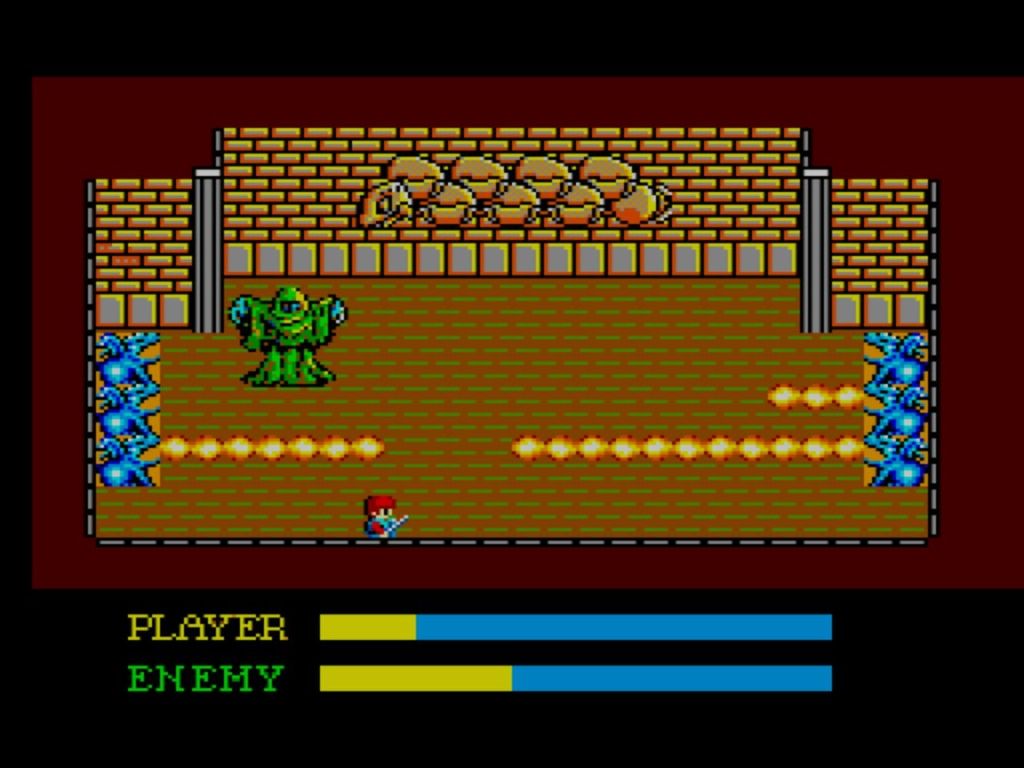
Beyond combat, the game’s seamless transitions between towns, the overworld, and dungeons further enhanced its adventurous tone. The experience of setting out from the starting town of Minea, progressively gaining strength, and exploring Esteria’s expansive, scrolling map was truly captivating.
An Unforgettable Cliffhanger
While Ys I, by itself, doesn’t resolve the story and feels like one half of a whole game, it lays a strong foundation with memorable characters and intriguing lore. The overarching narrative centers on young swordsman Aron Christian who arrives in the land of Esteria, which is plagued by a mysterious evil. His quest quickly revolves around collecting the six ancient Books of Ys, which contain the history of the vanished civilization and hold the key to defeating the encroaching darkness, creating a pervasive sense of ancient mystery that draws players deeper into the world.
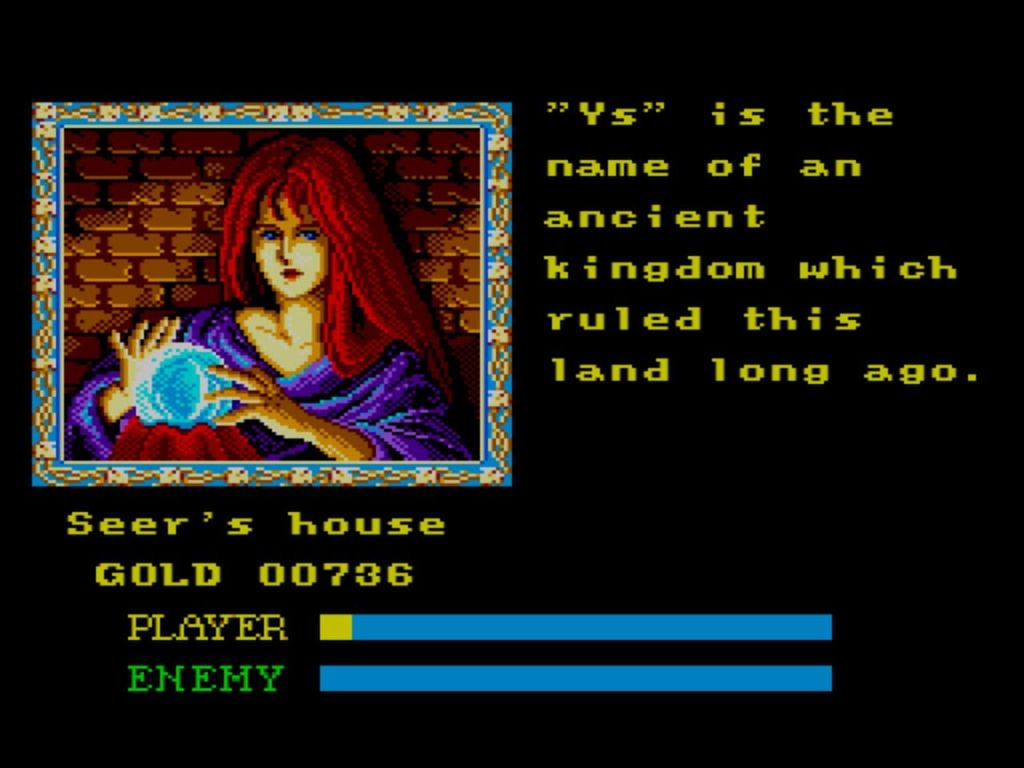
Beyond Aron Christian, the game introduces a charming cast of characters who, even in their 8-bit simplicity, managed to etch themselves into our memories. We met the wise elder, whose cryptic words always pointed us in the right direction, and the enigmatic Raba, whose mysterious presence deepened Esteria’s lore. And who could forget poor Feena, whose tragic plight pulled at our heartstrings? These fleeting encounters, though brief, were like little warm embers in the cooling world of Esteria, making Aron’s journey feel less like a solitary quest and more like an adventure we were all experiencing with friends. Each pixelated face added another piece to the puzzle, drawing us deeper into a world that felt both vast and intimately personal.
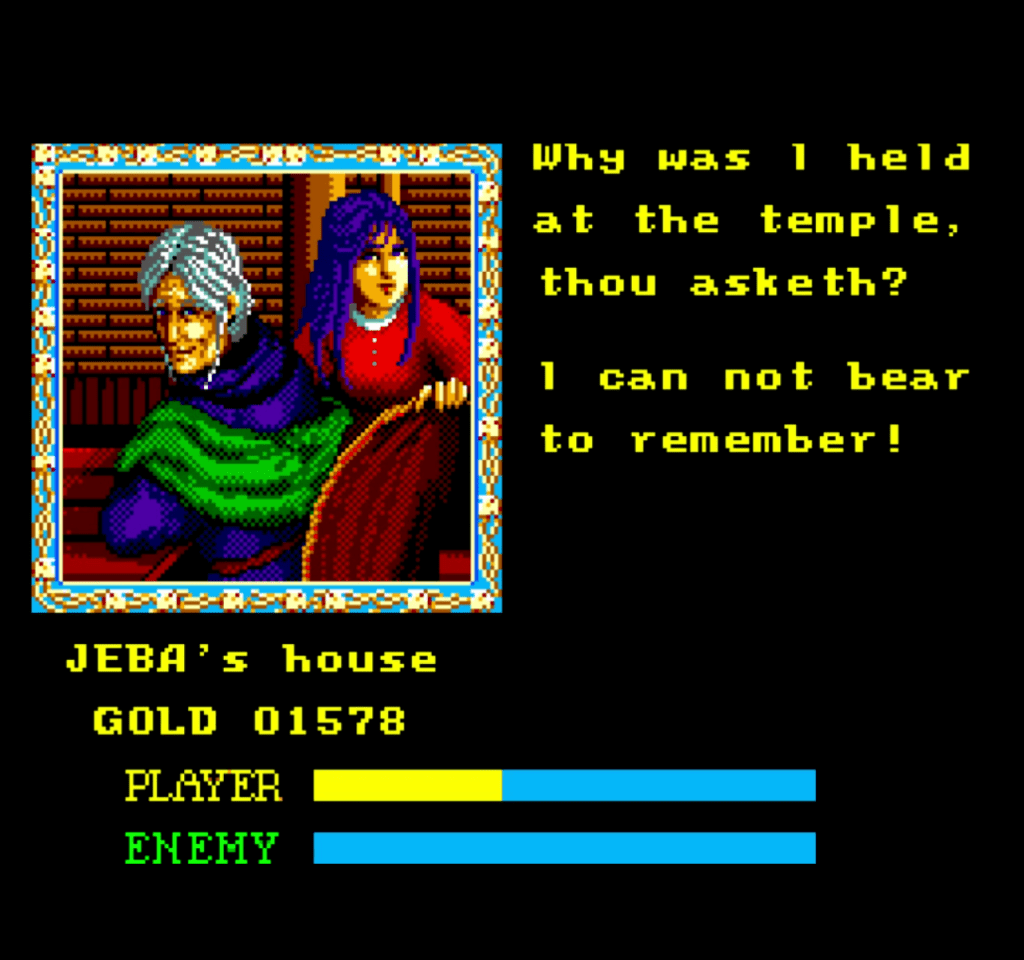
The most impactful story highlight, however, is undoubtedly the infamous cliffhanger ending where Aron leaves Esteria behind. While frustrating at the time, this unresolved narrative served as a powerful hook, leaving players with an incomplete story and a burning desire to discover what was to come next for the protagonist. This deliberate design choice, even if unintended due to the original games being split, ensured that the Master System port, despite its standalone nature, left a significant and memorable impact on players, pushing them to seek out the continuation of Aron’s odyssey.
Shaping the Master System’s RPG Identity
Looking back, Ys: The Vanished Omens on the Sega Master System was more than just a game, it was an experience that broadened our horizons. For many of us, it was our first taste of the Ys series, establishing its core gameplay mechanics, narrative style, and distinctive musical identity. It solidified the Master System’s reputation as a platform for quality action RPGs, standing proudly alongside titles like Phantasy Star and Miracle Warriors – Seal of the Dark Lord.
Ys demonstrated that the Master System could carve out a distinct identity by focusing on deeper, more narrative-driven experiences, even when battling a dominant competitor. It also offers a glimpse into the evolution of game development, the ingenuity required to adapt a complex PC game to 8-bit hardware, and the early, often experimental, attempts at bringing Japanese narratives to a Western audience.
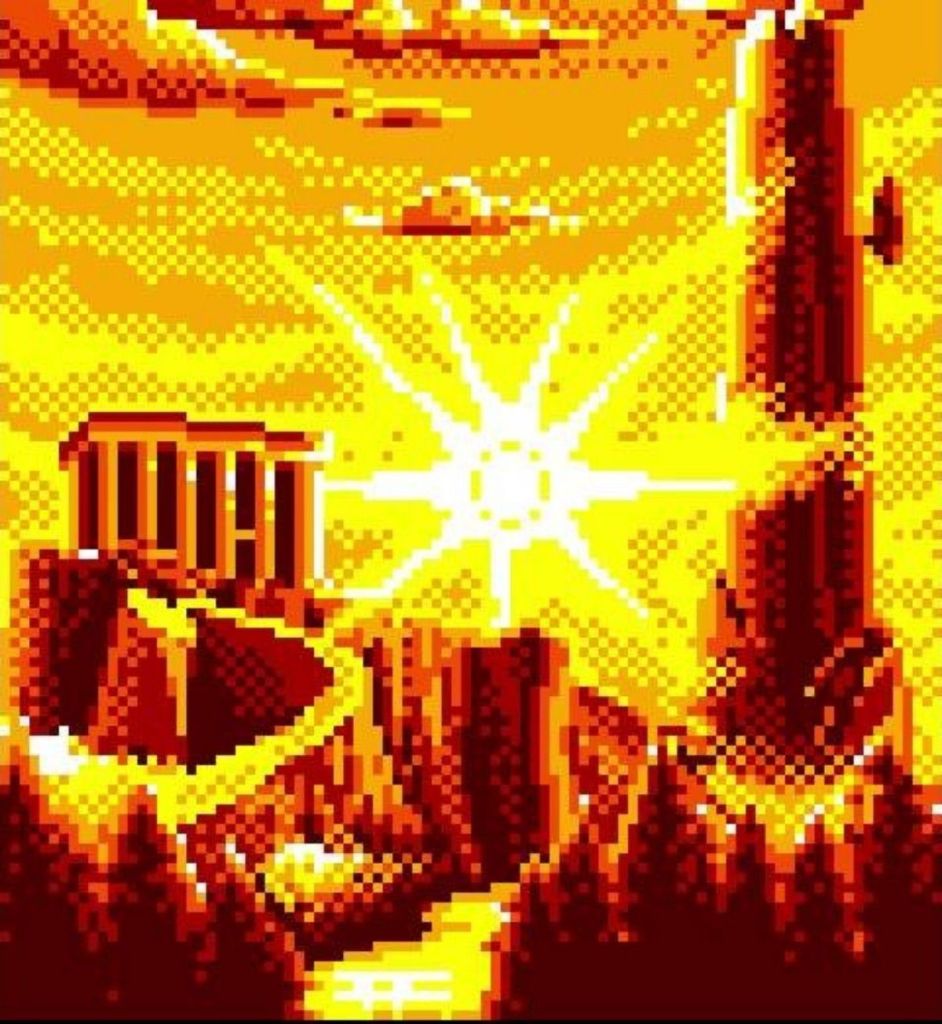
For many, Ys on the Master System was more than just a game, it was an entry point into a vibrant world of Japanese RPGs, a masterclass in how to craft an engaging experience within hardware limitations, and a nostalgic cornerstone of their gaming past. Its legacy continues to resonate, reminding us that true classics transcend mere technical specifications, earning their place in history through the sheer joy and impact they delivered.


 PlayZine
Leave a comment